
ProstaVive
Prostate-support product guide
View ProductAdd Men’s Performance Supplements to Google Preferred Sources or open this page in your preferred AI tool.
Compare current products by the fields that actually distinguish formulas inside this category. This page is a discovery directory, not a ranking.
Compare current examples →
Explore the complete published product catalog. Each card opens the relevant MenPS product guide.
Prostate-support product guide
View Product
Nitric-oxide support guide
View Product
Prostate and urinary-support guide
View Product
Men’s performance product guide
View Product
Oral-health supplement guide
View Product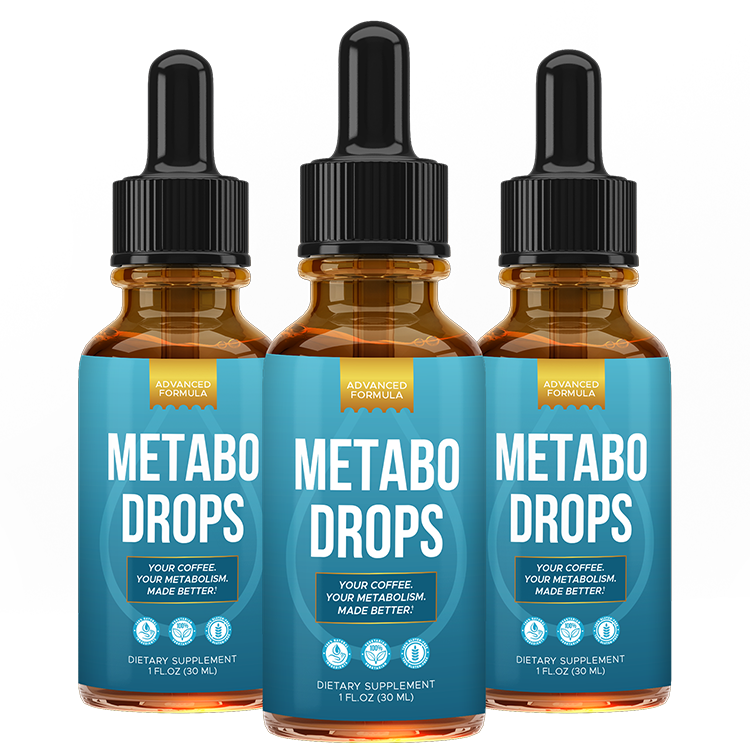
Coffee-added metabolic-support guide
View Product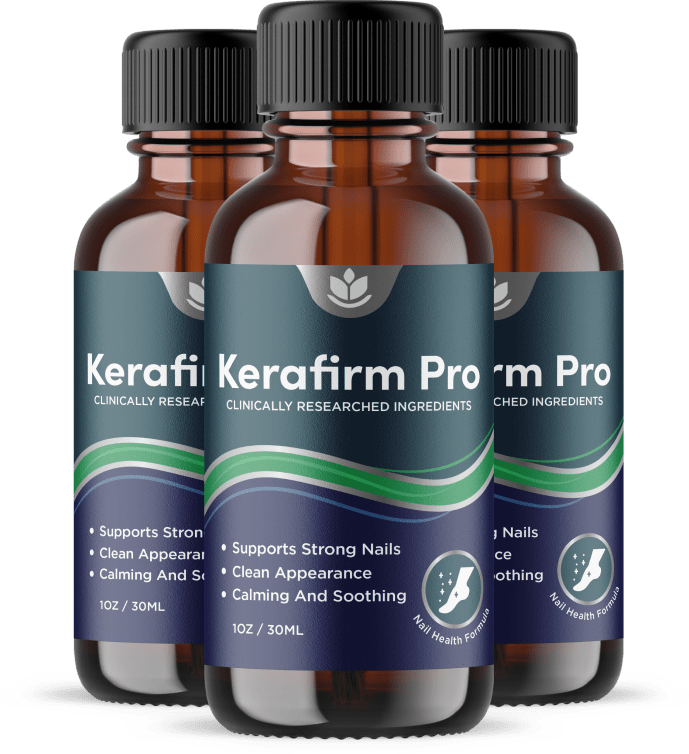
Topical nail-care product guide
View ProductCatalog research date: 14 August. Inclusion does not constitute endorsement.
| Product | Role | Freshness note |
|---|---|---|
| C4 Original Pre-Workout | Current product example | Verify current label |
| Nutricost PRE-X Xtreme Pre-Workout | Current product example | Verify current label |
| Kaged Stim-Free Pre-Workout | Current product example | Verify current label |
| Redcon1 Total War Pre-Workout | Current product example | Verify current label |
| Ghost Legend Pre-Workout | Current product example | Verify current label |
| Optimum Nutrition Gold Standard Pre-Workout | Current product example | Verify current label |
Use this as a category comparison field where the current product data supports it.
Use this as a category comparison field where the current product data supports it.
Use this as a category comparison field where the current product data supports it.
Use this as a category comparison field where the current product data supports it.
Use this as a category comparison field where the current product data supports it.
Use this as a category comparison field where the current product data supports it.
MenPS organizes current products. MalePerformanceSupplements.com provides independent evidence and safety interpretation relevant to this category.
This page helps you compare products and disclosed formula attributes. It does not determine whether the category, ingredient or product will produce a particular health or performance outcome.
Pre-workout is not one uniform product class. The first useful split is whether a formula contains stimulants and, if it does, how much caffeine is disclosed per labeled serving. That distinction changes who may consider the product, when it might be used and how easily two formulas can be compared. Front-label words such as “energy” or “focus” are not substitutes for a disclosed stimulant amount.
Citrulline, beta-alanine and other actives should be recorded separately when the current label provides quantities. Their presence alone is not enough for comparison because two formulas can list the same ingredient while using different amounts or forms. MenPS records the formula facts; MPS handles the separate question of what human evidence supports a specific ingredient and outcome.
Manufacturers define serving sizes differently. One product may call a single scoop a serving while another requires two scoops or several capsules. The catalog therefore needs dose-per-labeled-serving fields rather than assuming scoop count means the same thing across products.
When a blend lists several actives without individual quantities, MenPS should record that limitation rather than estimate the hidden amounts. Disclosure is a comparison attribute because it determines how closely a user can map a formula to ingredient research. Transparency itself, however, is not proof that the finished formula delivers the marketed performance outcome.
A stimulant-free product may appeal to users training late in the day or trying to limit caffeine exposure, while a high-stimulant formula answers a different shopping task. Both can remain in the same broad directory, but stimulant status should be filterable so they are not treated as interchangeable.
Banned-substance screening or sport certification can be important to competitive athletes. Those claims should be shown only when verified against a current authoritative source. Certification may reduce certain product-quality uncertainties but does not establish that the formula improves strength, endurance or training adaptation.
A practical comparison starts with stimulant preference, then moves to disclosed quantities of relevant actives, proprietary-blend status, serving burden and verified quality signals. This creates a reproducible decision path without relying on star ratings or an unexplained ranking.
Terms such as energy, pump, endurance or focus describe how a product is marketed. MenPS may record that positioning, but it should not convert it into an independent performance claim. Where the user needs scientific interpretation, the relevant MPS evidence page is the next step.
Product formulations, package sizes, availability and certification status can change. The examples on this page are discovery records, not rankings or endorsements, and current manufacturer information should be checked before relying on a time-sensitive catalog field.
MenPS publishes a category only when the product set and comparison fields are useful enough to justify a distinct page. If two proposed directories would contain essentially the same products and explanation, the preferred action is consolidation rather than creating another indexable keyword variant.
A caffeine value is useful only in context. Users may also consume coffee, energy drinks or other stimulant products, so MenPS should expose the labeled caffeine amount without presenting a higher value as better. The directory can support comparison while MPS safety guidance addresses broader exposure and interaction questions.
A proprietary blend total does not reveal how much citrulline, beta-alanine or another ingredient is present. MenPS should record individual amounts only when the label states them and mark hidden quantities as undisclosed. This prevents a blend total from being mistaken for a clinically interpretable dose.
A stimulant-free product answers a different shopping constraint from a high-caffeine formula. Filtering those products separately improves discovery without creating a claim that either approach is universally preferable. The useful catalog question is fit with the user’s stated preference and the verified formula.
Competitive athletes may place unusual weight on banned-substance testing or sport certification. Those fields should be recorded only when a current certification body or authoritative document supports them. A quality credential can help with risk management, but it should remain separate from claims about workout performance.
Open source used to verify current category/product presence — researched 14 Aug.
Newly published pages in this cluster provide a more specific next step without replacing the broader hub.
The broad pre-workout category covers products positioned for use before training, regardless of whether the formula is high-stimulant, stimulant-free or primarily pump-focused. This page should help users choose which product class to compare next rather than duplicate the detailed sections on the narrower pages.
The current product set includes formulas such as Cellucor C4 Original, Optimum Nutrition Gold Standard Pre-Workout, REDCON1 Total War, Gorilla Mode, GHOST Legend, stimulant-free Kaged and Transparent Labs products, and pump-focused formulas such as Gorilla Mode Nitric and PEScience High Volume.
The first useful distinction is stimulant profile. Cellucor C4 Original currently lists 200 mg caffeine per serving. REDCON1 Total War lists 320 mg caffeine. C4 Ultimate uses a higher-stimulant design with 300 mg caffeine plus TeaCrine and Dynamine. Those products belong naturally in the high-stim branch.
By contrast, Kaged Pre-Workout Elite Stimulant Free, NutraBio PRE Workout Stim Free, 1st Phorm Endura-Formance and Transparent Labs Stim-Free sit in the stimulant-free branch. Pump-focused products such as Transparent Labs PUMP, Gorilla Mode Nitric and PEScience High Volume overlap with stimulant-free formulas but have a different primary comparison task.
This is the page's first information-gain element: pre-workout is a parent category with multiple formula families that should not be flattened into one ranking.
Current verified examples span from zero caffeine in stimulant-free products to 200 mg in C4 Original, 300 mg in C4 Ultimate, 320 mg in Total War and 333 mg in Bucked Up Woke AF. These differences are useful for classification, but MenPS should not imply that more caffeine means a better product.
Mr. HYDE Xtreme remains intentionally excluded from normalized caffeine comparisons because its current manufacturer page contains conflicting caffeine representations in marketing copy and warning text. Until the current Supplement Facts panel is reconciled, the safer catalog treatment is to record the product without publishing a normalized caffeine number.
A one-scoop serving and a two-scoop serving cannot be compared meaningfully if only the ingredient amount is shown. MenPS should record the manufacturer's declared full serving, whether the formula is stimulant-containing, and whether pump or endurance ingredients are central to the product's current positioning.
The same rule applies to legacy product names. Generic GHOST Legend records should resolve to the current GHOST LEGEND V5 when the page is intended to represent the current product. Kaged stimulant-free naming variants should also be normalized so aliases are not counted as separate products.
This ordering helps users move from a broad shopping query into the right narrower MenPS category without requiring every subtype page to repeat the same overview.
That makes the broad page useful even when the narrower pages exist. It becomes the category map, while the subtype pages become deeper decision pages.
The parent page should retain a compact view of stimulant status, formula family, serving format and current product version across the whole category. It should not reproduce every caffeine amount, every pump ingredient or every stimulant-free formula detail. Its job is to direct the user toward the right narrower comparison while still providing enough catalog context to answer a broad pre-workout query.
Manufacturer pages can verify product identity, current label ingredients, caffeine status and serving information. They are not independent evidence that a finished product improves strength, endurance, blood flow or training outcomes. MenPS records the product facts and keeps efficacy interpretation separate.
The core product records used in this rewrite were freshly checked against current manufacturer pages during the September audit. Nutricost PRE-X Xtreme remains current-market confirmed through a major retailer, but new normalized ingredient and caffeine claims remain blocked until a current official manufacturer label source is obtained.