
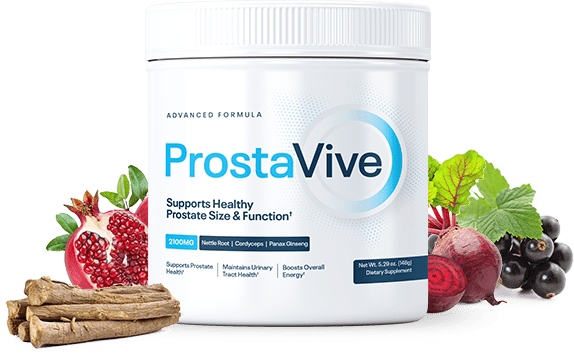
ProstaVive
Prostate-support product guide
View ProductAdd Men’s Performance Supplements to Google Preferred Sources or open this page in your preferred AI tool.
Compare six current testosterone-support formulas by ingredient composition, disclosed amounts, serving size, proprietary-blend status and label transparency. This is a product-discovery directory, not an efficacy ranking.
Compare current examples →
Explore the complete published product catalog. Each card opens the relevant MenPS product guide.
Prostate-support product guide
View Product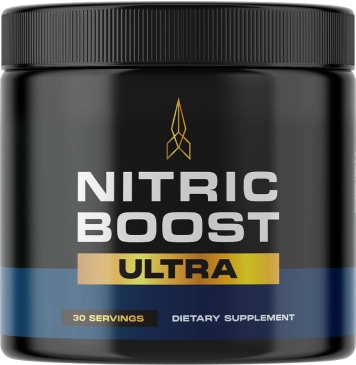
Nitric-oxide support guide
View Product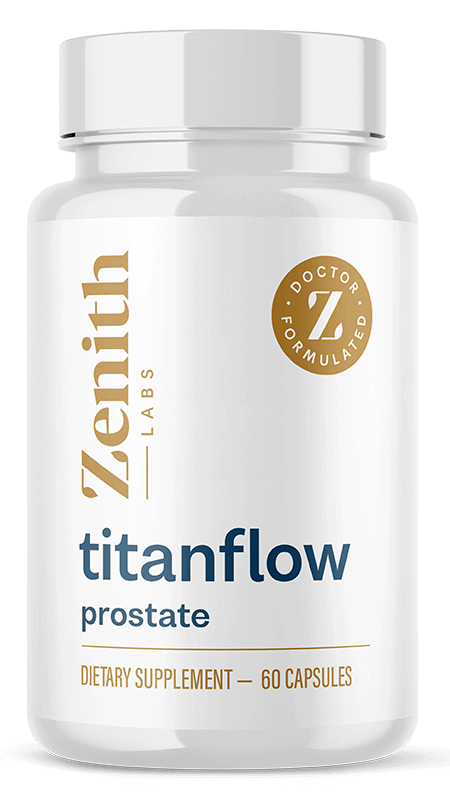
Prostate and urinary-support guide
View Product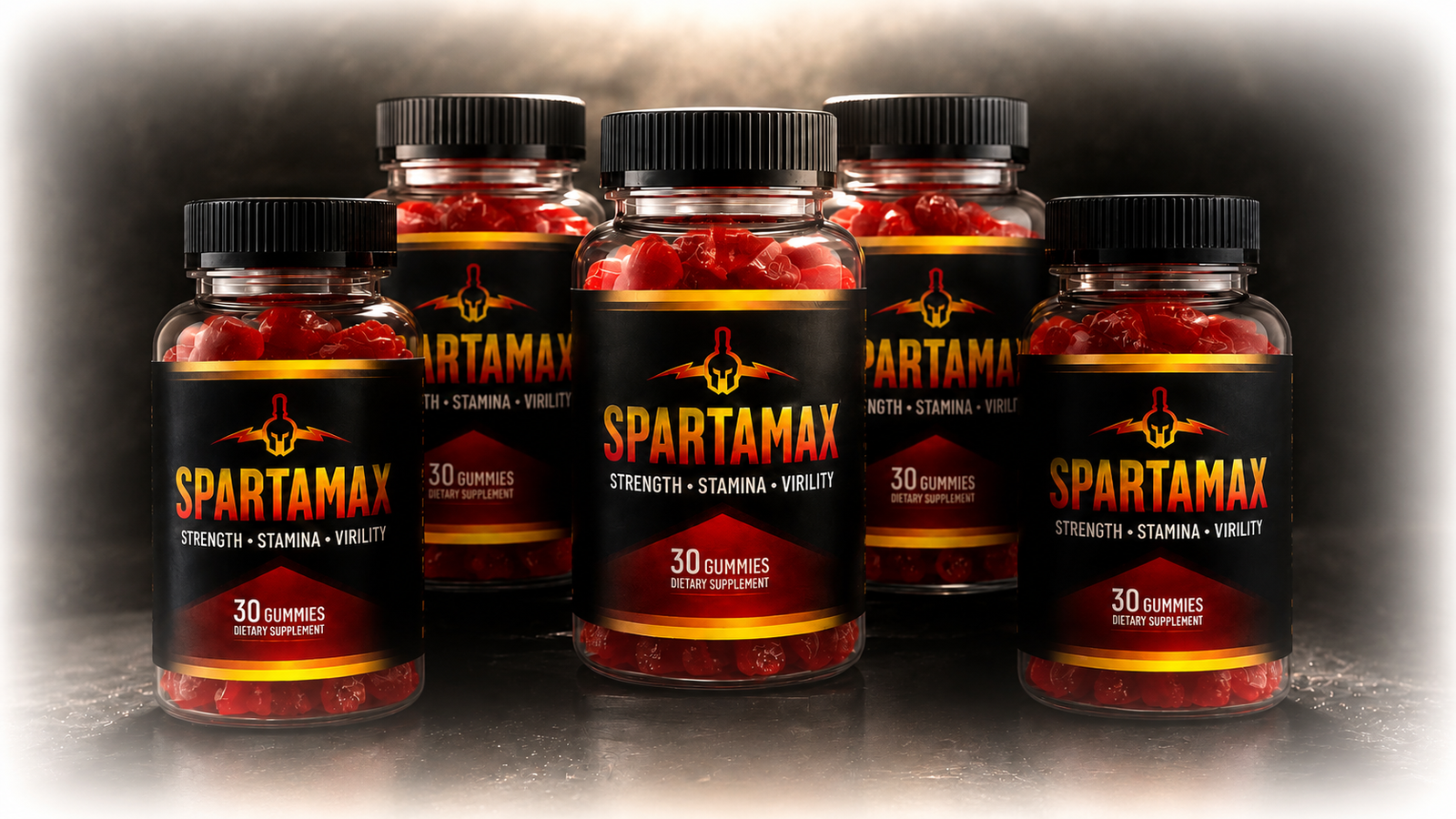
Men’s performance product guide
View Product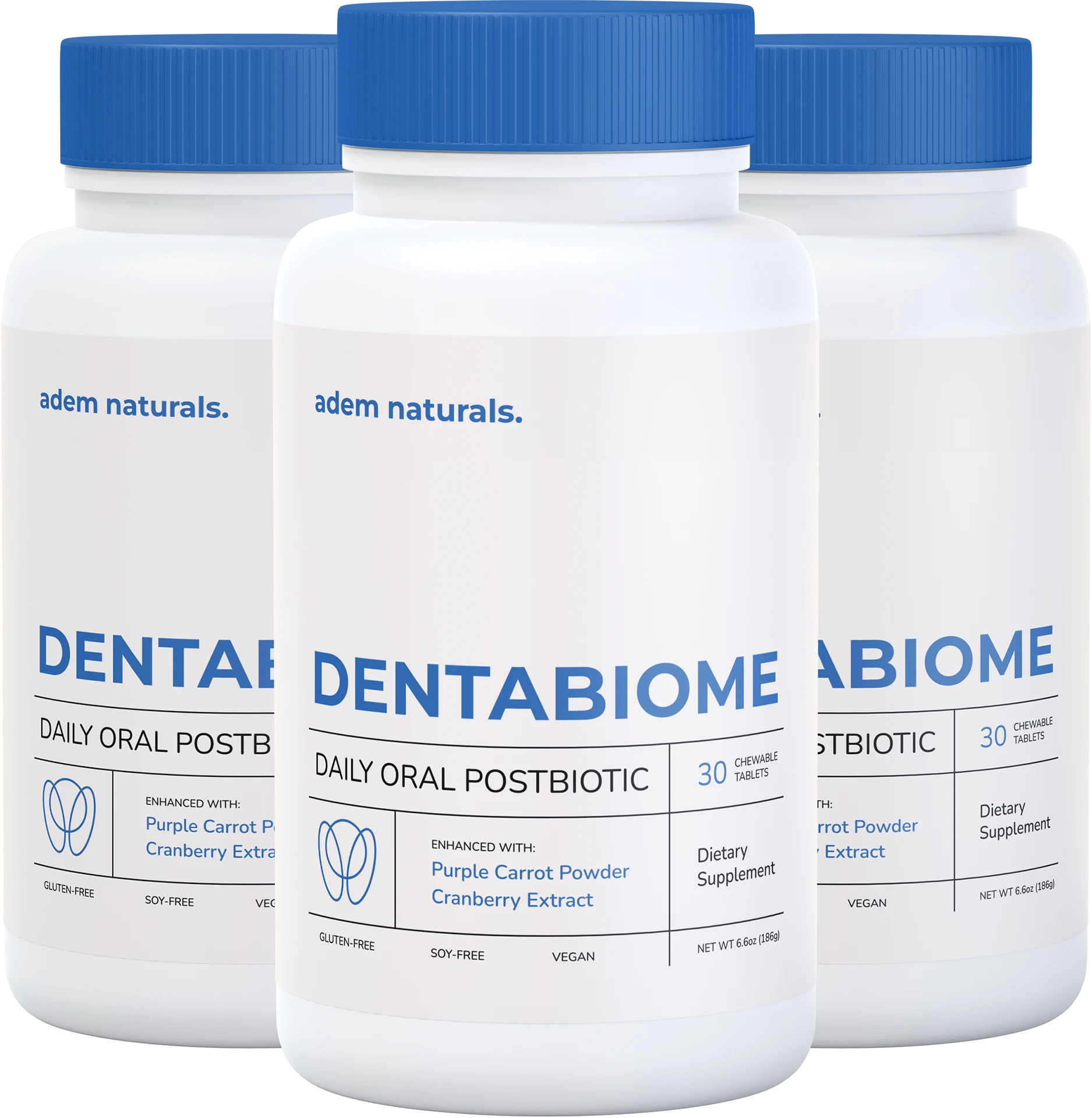
Oral-health supplement guide
View Product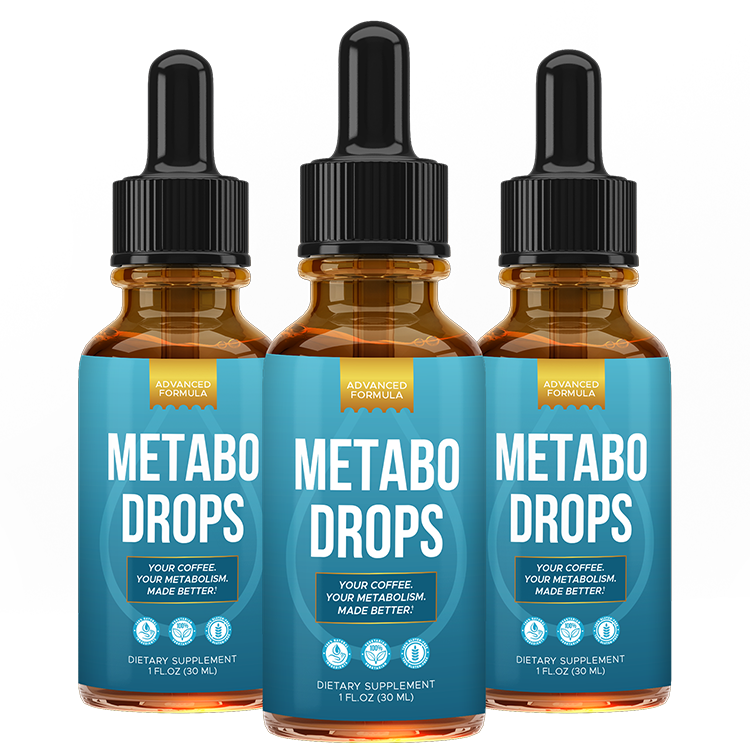
Coffee-added metabolic-support guide
View Product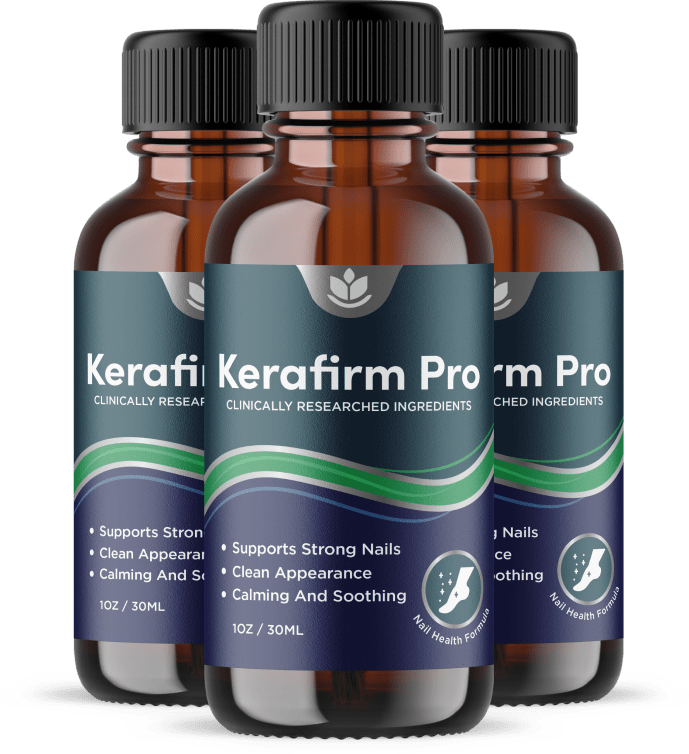
Topical nail-care product guide
View ProductIt can show how current products differ on their labels; it cannot establish that a finished supplement raises testosterone. The current snapshot contains six products from six different brands. MenPS uses the category to compare disclosed formula attributes, while independent ingredient evidence and safety interpretation remain separate questions.
The most useful comparison starts with ingredient identity and dose visibility. A product name or “testosterone support” label is a positioning statement, not evidence of a physiological outcome.
Catalog research date: 14 August. Inclusion does not constitute endorsement.
| Product | Role | Freshness note |
|---|---|---|
| SIXSTAR Testosterone Booster | Current product example | Verify current label |
| Force Factor Test X180 Alpha V2 | Current product example | Verify current label |
| Irwin Naturals Testosterone UP Strength & Size | Current product example | Verify current label |
| Micro Ingredients Tongkat Ali+ for Men | Current product example | Verify current label |
| NOW Foods TestoJack N.O. | Current product example | Verify current label |
| Kaged Test | Current product example | Verify current label |
Use this as a category comparison field where the current product data supports it.
Use this as a category comparison field where the current product data supports it.
Use this as a category comparison field where the current product data supports it.
Use this as a category comparison field where the current product data supports it.
Use this as a category comparison field where the current product data supports it.
Use this as a category comparison field where the current product data supports it.
MenPS organizes current products. MalePerformanceSupplements.com provides independent evidence and safety interpretation relevant to this category.
This page helps you compare products and disclosed formula attributes. It does not determine whether the category, ingredient or product will produce a particular health or performance outcome.
Testosterone-support products are usually multi-ingredient formulas, so the most informative starting point is what each product actually contains. Ingredients such as ashwagandha, Tongkat Ali, fenugreek, zinc, boron and others should be visible as separate entities rather than compressed into a single “testosterone support” label.
Two products may both contain the same botanical or mineral while using different amounts, extracts or forms. Presence alone is therefore too weak a field for meaningful comparison. MenPS should record disclosed quantities and extract information where current labels make them available.
A longer label can look more comprehensive while still being difficult to evaluate. More ingredients create more potential interactions and more evidence questions. MenPS should not reward formula length or treat a higher ingredient count as an objective ranking factor.
Terms such as testosterone support, male vitality or hormonal support describe commercial positioning. MenPS can record that positioning as product information, but it cannot convert the wording into an independent claim that the finished product increases testosterone or treats symptoms.
If individual active amounts are hidden, the catalog should state that directly. Without ingredient-level quantities, it becomes harder to compare the formula with studied amounts or with more transparent products. The limitation is useful catalog information even though transparency by itself does not establish efficacy.
The dual-site architecture is particularly valuable in this category. MenPS can expose the formula and link to MPS pages for Tongkat Ali, ashwagandha, fenugreek, zinc, boron and other relevant ingredients. That keeps product discovery and independent evidence interpretation connected without duplicating the same article on both domains.
Verified testing or certification may reduce uncertainty about identity, contamination or manufacturing controls. It does not establish that the marketed hormonal outcome occurs. MenPS should keep the quality field visible while directing efficacy questions to the evidence layer.
Persistent fatigue, libido changes or suspected low testosterone can have multiple causes and may require medical assessment. A catalog can help compare supplement formulas, but it is not a diagnostic tool and should never imply that a product substitutes for appropriate clinical evaluation.
Product formulations, package sizes, availability and certification status can change. The examples on this page are discovery records, not rankings or endorsements, and current manufacturer information should be checked before relying on a time-sensitive catalog field.
MenPS publishes a category only when the product set and comparison fields are useful enough to justify a distinct page. If two proposed directories would contain essentially the same products and explanation, the preferred action is consolidation rather than creating another indexable keyword variant.
A useful testosterone-support directory should allow users to move from a disclosed ingredient to the corresponding MPS evidence page. That makes the formula inspectable without allowing the product page to borrow a stronger conclusion than the underlying research supports.
A ten-ingredient blend is not automatically more persuasive than a three-ingredient formula. More ingredients can mean more interaction questions and more opportunities for undisclosed or low quantities. MenPS should expose composition and transparency rather than converting ingredient count into a quality score.
Botanical ingredients may be supplied as different extracts or standardized preparations. Where the manufacturer identifies the extract, MenPS should record it because the distinction can matter when a user later checks the MPS evidence. Where the form is not stated, the catalog should not guess.
Products marketed for testosterone support are not substitutes for assessment of persistent symptoms or clinically low testosterone. The catalog should preserve this boundary prominently and route evidence and safety questions to MPS rather than allowing commercial positioning to imply diagnosis or treatment.
Where a formula contains several researched ingredients, one broad product-level evidence label can be misleading. MenPS should instead connect the disclosed ingredients to the relevant MPS evidence pages and allow users to see where the research is stronger, mixed or insufficient. This makes the cross-site graph useful without manufacturing a composite clinical score.
This category is particularly sensitive to changes in extracts, ingredient quantities and marketing language. Current manufacturer information should therefore be rechecked before publication or material updates. A formula should not retain a historical catalog description merely because the product name has stayed the same.
Open source used to verify current category/product presence — researched 14 Aug.