
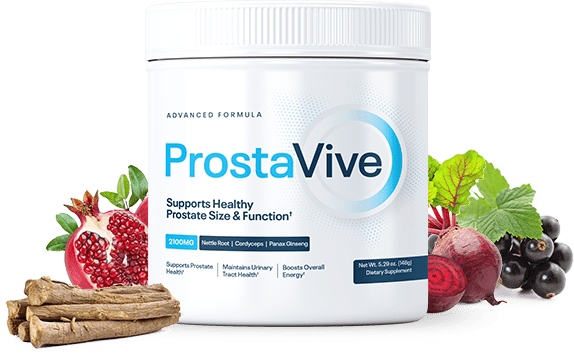
ProstaVive
Prostate-support product guide
View ProductGoal pages organize products by how they are positioned in the market. They are discovery tools, not promises that every listed product will deliver the outcome in the page title.
Add Men’s Performance Supplements to Google Preferred Sources or open this page in your preferred AI tool.

Explore the complete published product catalog. Each card opens the relevant MenPS product guide.
Prostate-support product guide
View Product
Nitric-oxide support guide
View Product
Prostate and urinary-support guide
View Product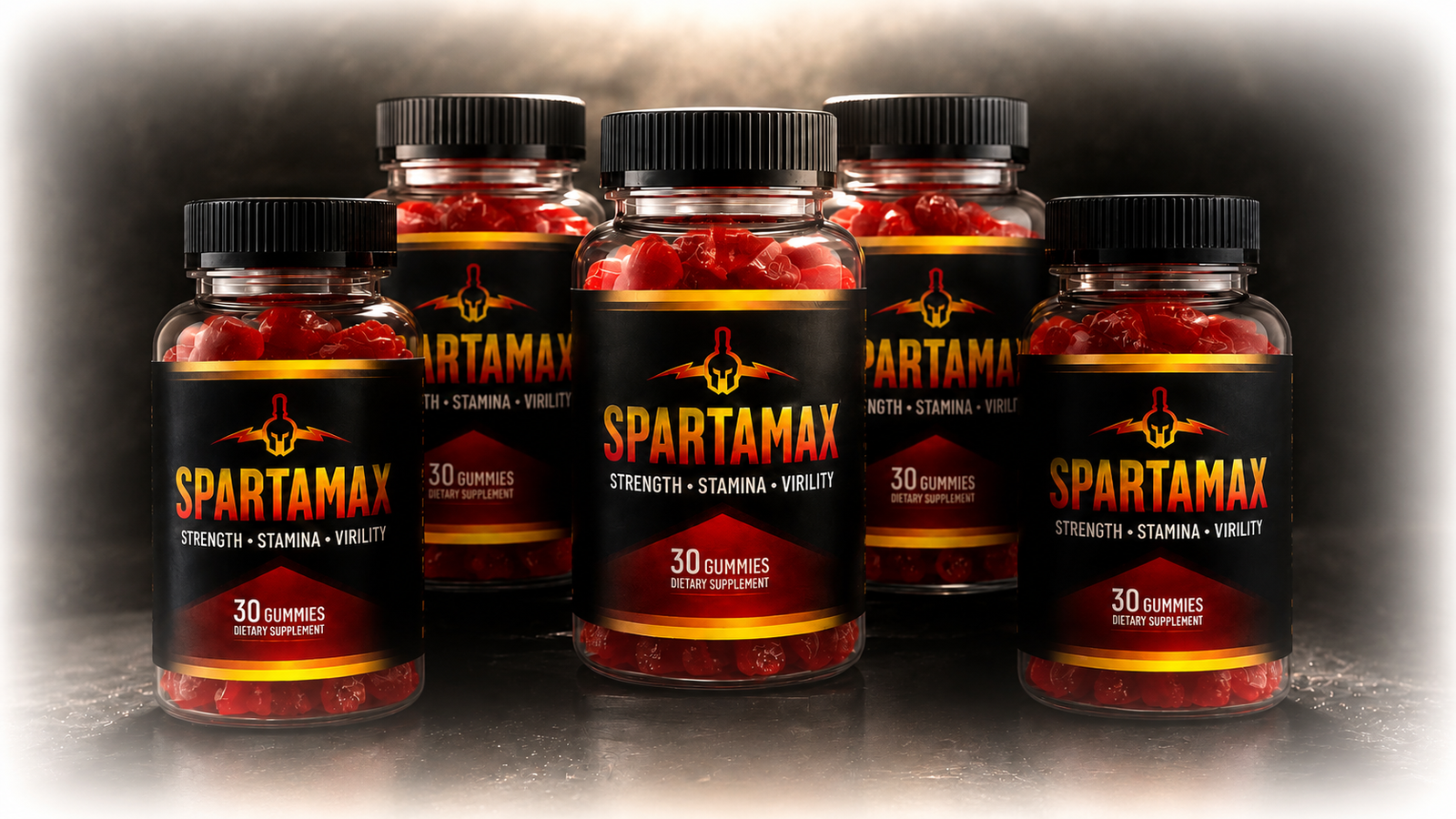
Men’s performance product guide
View Product
Oral-health supplement guide
View Product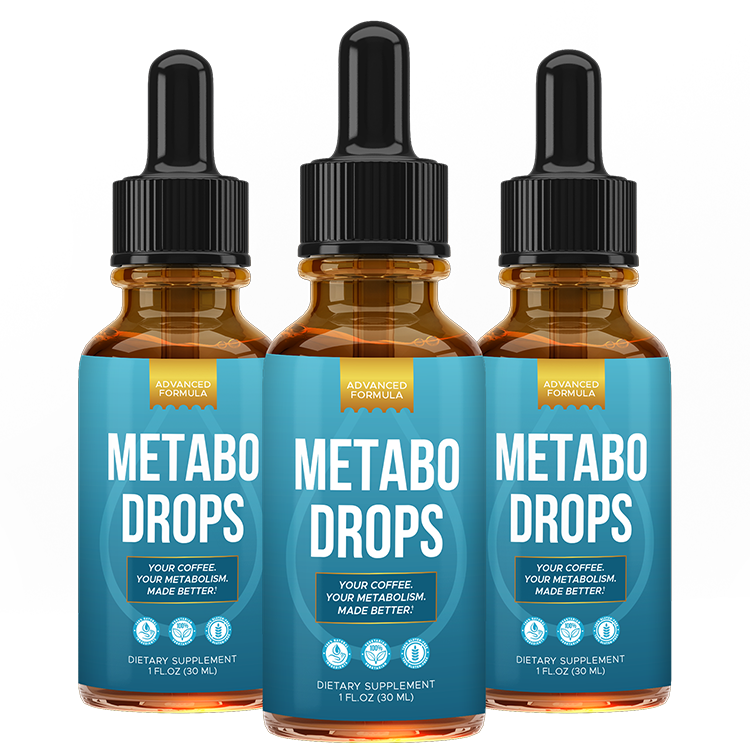
Coffee-added metabolic-support guide
View Product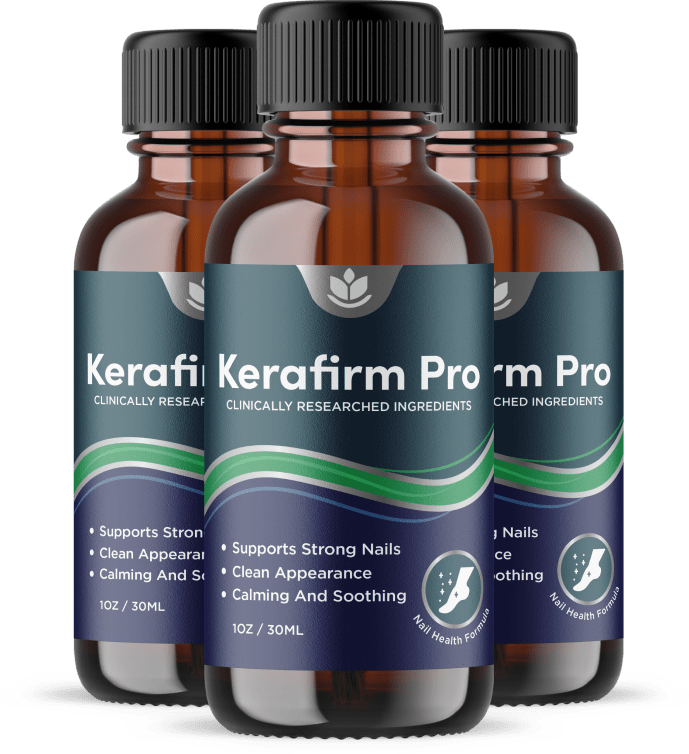
Topical nail-care product guide
View ProductThese are the main discovery paths through the catalog. Use them to move between categories, ingredients, goals, quality attributes, markets and published product guides.
Products positioned around strength-focused training and performance.
Protein, creatine and related categories commonly used around muscle-building goals.
Stimulant and non-stimulant products marketed for training energy.
Products positioned around post-training recovery and hydration.
Products marketed around testosterone-support ingredients and formulas.
Products positioned around sleep routines and evening recovery.
Products commonly positioned toward men over 40 and 50.
Products marketed around male libido and sexual-wellness support.
MenPS organizes products and formula attributes. MalePerformanceSupplements.com handles independent ingredient evidence, safety and research interpretation.
Many people begin supplement shopping with an outcome in mind rather than an ingredient. They want better workout energy, easier recovery, more convenient protein intake, support for sleep or a product marketed toward healthy ageing. A goal-based directory reflects that real shopping behavior, but it must be designed carefully because market positioning is not the same thing as scientific proof.
On MenPS, inclusion in a goal directory means a product fits the published catalog criteria for that goal. In many cases that will be based on the category in which the product is sold, the manufacturer’s stated positioning, the formula composition and the way the current label or official product page describes the product. Inclusion does not mean MenPS independently guarantees the outcome. The distinction should remain visible so the catalog helps users navigate without overstating what a supplement can do.
This is especially important for broad goals such as testosterone support, libido, sleep and healthy ageing. These categories can contain very different formulas, and the evidence for individual ingredients can vary widely. A goal page can show that several products contain ashwagandha, zinc, magnesium or Tongkat Ali, for example, but the scientific interpretation belongs on the relevant evidence pages at MalePerformanceSupplements.com. The catalog should connect users to that research rather than turning a commercial directory into medical advice.
Goal pages become more useful when they expose the differences that marketing headlines hide. A workout-energy product might contain caffeine, while another is specifically stimulant-free. A recovery product might emphasize protein, electrolytes or a multi-ingredient blend. A sleep-support product may use minerals, botanicals or other compounds. Normalized fields allow users to compare those approaches without assuming they are equivalent simply because they occupy the same market category.
The page should also help users move sideways into more precise catalog dimensions. If a person starts at “Strength,” they may discover that creatine is relevant to many products and move into the creatine ingredient directory. Someone starting at “Workout Energy” may decide to compare caffeine-containing and caffeine-free formulas. Someone using “Healthy Ageing” may want to inspect men’s multivitamins, omega-3 products or specific nutrient directories. Goal pages therefore act as discovery gateways rather than endpoints.
A useful goal page should also explain its inclusion criteria. Product listings should not be selected because an affiliate program pays more or because a brand appears frequently in search results. During the non-branded first phase of MenPS, the focus is on building the category and entity framework before individual branded landing pages are expanded. Products can appear inside tables as catalog records, but the URL itself remains focused on the non-branded user task.
Programmatic expansion must remain controlled. It would be easy to create dozens of pages such as “supplements for men in their forties,” “supplements for men in their fifties,” “supplements for energy,” and many similar combinations with little unique value. MenPS should publish a goal or audience page only when the product inventory and comparison criteria make it meaningfully different. If the same products and same explanation would appear on two pages, the architecture should be consolidated rather than multiplied.
Safety and personal context also limit what a catalog can answer. A product that is marketed for a goal may be unsuitable for a particular person because of medication use, existing conditions, sensitivity to stimulants, sport-testing obligations or other factors. MenPS is not a clinical decision tool. Where a goal raises health or safety questions, the page should point users to appropriate MPS safety material and encourage professional guidance where warranted.
The best way to use a goal directory is therefore to treat it as the first filter, not the final verdict. Start with the outcome you are researching, inspect the product categories and formulas that appear, narrow by ingredients and quality attributes, then read the independent evidence for the ingredients that matter. That sequence turns a vague goal into a more informed comparison process.
Goal directories can also provide a useful bridge between broad consumer language and more precise product attributes. Someone searching for “supplements for recovery” may not yet know whether they are looking for protein, electrolytes, creatine or a multi-ingredient formula. The goal page can expose those sub-paths and explain how the market is organized, allowing the user to become more specific as they move through the catalog.
That progression is preferable to forcing a single ranked list onto a broad goal. Different users can have different constraints, budgets, stimulant preferences, dietary preferences or sport-testing requirements. MenPS does not need to resolve all of those variables with one winner. It can make the dimensions visible, connect users to the right category and ingredient pages, and allow later branded pages to compete on the facts that actually distinguish them.
That same framework also keeps the page useful as the catalog changes. New products can enter or leave a goal directory without rewriting the underlying definition of the user task, provided the inclusion criteria remain stable and the product data is current.
These goal pathways are now published because each has a source-traced catalog and a distinct comparison task.