
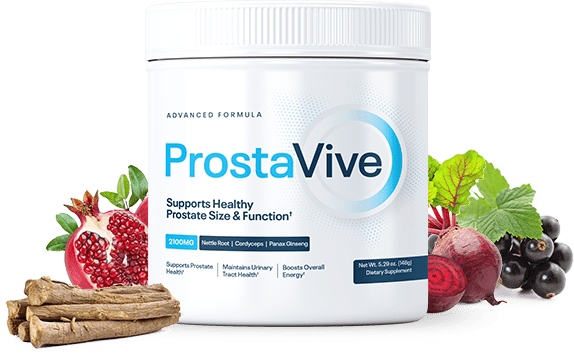
ProstaVive
Prostate-support product guide
View ProductQuality filters organize products by verifiable characteristics such as formula disclosure, testing or certification claims, dosage form and stimulant status.
Add Men’s Performance Supplements to Google Preferred Sources or open this page in your preferred AI tool.

Explore the complete published product catalog. Each card opens the relevant MenPS product guide.
Prostate-support product guide
View Product
Nitric-oxide support guide
View Product
Prostate and urinary-support guide
View Product
Men’s performance product guide
View Product
Oral-health supplement guide
View Product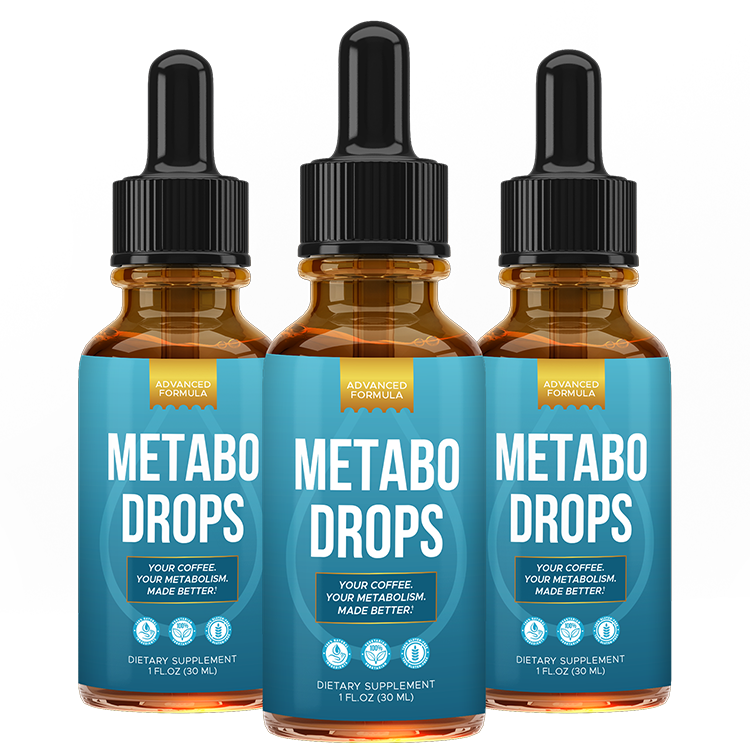
Coffee-added metabolic-support guide
View Product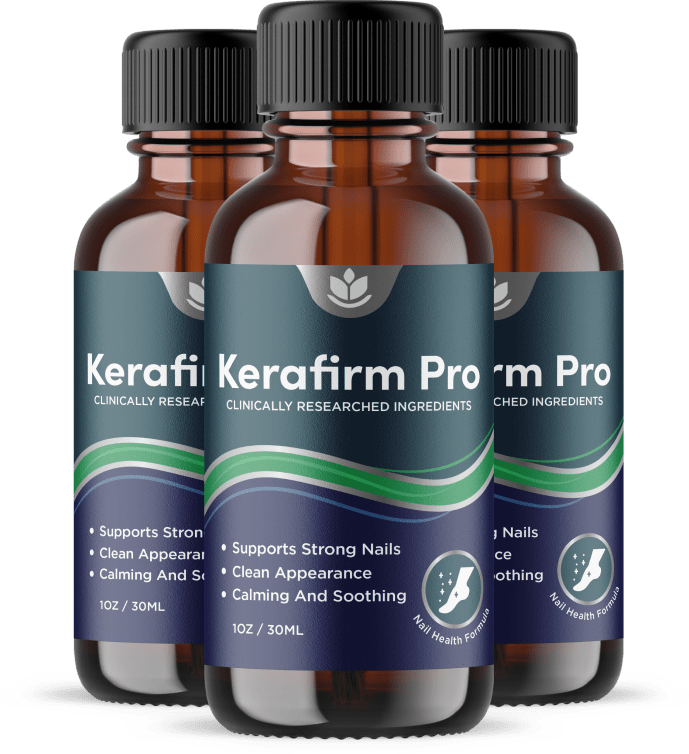
Topical nail-care product guide
View ProductThese are the main discovery paths through the catalog. Use them to move between categories, ingredients, goals, quality attributes, markets and published product guides.
Products carrying a testing or certification claim that can be independently checked.
Products with current certification status where verified.
Products identified in the relevant verification program where current status is confirmed.
Products that state individual amounts for their principal active ingredients.
Products not relying on a proprietary blend for primary active ingredients.
Performance products designed without common stimulant ingredients.
Products centered around one primary active ingredient.
Browse by dosage form when format matters to the comparison.
MenPS organizes products and formula attributes. MalePerformanceSupplements.com handles independent ingredient evidence, safety and research interpretation.
“Quality” is one of the most overloaded words in the supplement market. It can refer to manufacturing controls, ingredient identity, contaminant testing, banned-substance screening, formula transparency, purity specifications or simply a brand’s marketing language. MenPS separates these ideas into specific catalog attributes so that a user can see what has actually been verified.
A third-party certification or testing program can be valuable, but the scope of the program matters. Some programs focus on manufacturing or label verification, some address contaminants, and some are designed for athletes concerned about prohibited substances. A certification mark should therefore be recorded as a specific attribute with a source and verification date, not converted into a general statement that the product is “better” or clinically effective.
Formula transparency is another distinct dimension. A fully disclosed formula gives the user the individual amounts of the active ingredients shown on the label. A proprietary blend may give only the combined weight for several ingredients. MenPS can categorize products using this information because it is visible on the label and useful for comparison. The catalog should not imply that a transparent formula is automatically effective; it simply gives users more information with which to evaluate the formula.
Stimulant status is a practical attribute for many performance products. A user may intentionally seek caffeine or intentionally avoid it. The page can therefore group stimulant-free or caffeine-free products when the current label supports the classification. The same principle applies to dosage form. Powders, capsules, gummies and liquids can all be legitimate ways to organize products when format affects how people shop and compare.
Quality directories require especially strict verification because the attributes are often time-sensitive. A product can change its formulation, packaging or certification status. MenPS should store the source and last-verified date for any attribute that could change. If a certification cannot be confirmed, the catalog should not simply repeat a badge seen on a retailer page. The safest classification is the one that can be supported by current documentation.
These filters also help reduce the temptation to produce arbitrary “best” rankings. A user looking for a transparent creatine product or a tested-athlete supplement may be better served by a complete qualifying set and clear comparison fields than by an unexplained top-ten list. MenPS is designed to make the selection criteria visible. Later branded review pages can build on that data, but the first phase prioritizes non-branded discovery architecture.
The quality hub also connects naturally to MalePerformanceSupplements.com. MPS explains concepts such as third-party testing, supplement labels, proprietary blends and safety in a research and consumer-education context. MenPS uses those concepts as catalog attributes. Linking the two gives users both the “what does this attribute mean?” explanation and the “which products currently fit it?” directory without duplicating content.
Not every imaginable attribute deserves its own page. A quality directory should be indexable only when the classification is objective enough to verify and enough products qualify to make the page useful. Creating a page for a rare label claim with one or two products would create a thin destination. MenPS therefore uses inventory thresholds as a publication gate.
Users should also remember that quality signals answer different questions. A tested-athlete certification may matter greatly to a competitive athlete but be less central to someone comparing basic multivitamins. A fully disclosed formula may be crucial when comparing multi-ingredient performance products but less informative for a single-ingredient creatine powder. The value of the attribute depends on the decision being made.
The practical workflow is to choose the quality signal that matters to you, inspect the products that genuinely satisfy it, and then compare the remaining fields such as ingredients, serving format and market availability. If the question shifts from product quality to ingredient effectiveness or safety, follow the evidence bridge to MPS. Keeping these layers separate makes the catalog more trustworthy and more useful.
A quality filter should also explain how often the underlying field is expected to be rechecked. Certification and testing status can change, while dosage form or single-ingredient status may be relatively stable until a reformulation occurs. MenPS can therefore prioritize refresh schedules according to the risk of the field becoming stale. This is a data-governance issue as much as an editorial one.
Over time, the quality layer may become one of the most valuable parts of the catalog because it cuts across brands and product categories. A user can begin with a category such as pre-workout and then filter for stimulant-free products, fully disclosed formulas or verified sport-testing attributes. The same quality entities can also connect to the corresponding MPS safety explainers so users understand what each signal does and does not establish.
Users can therefore treat the quality layer as a factual narrowing tool: first decide which attribute matters, then inspect the products that actually meet it, and only after that compare ingredients, evidence and market availability.
These directories use attributes that can be checked at product or certification level rather than inferred from vague marketing.