
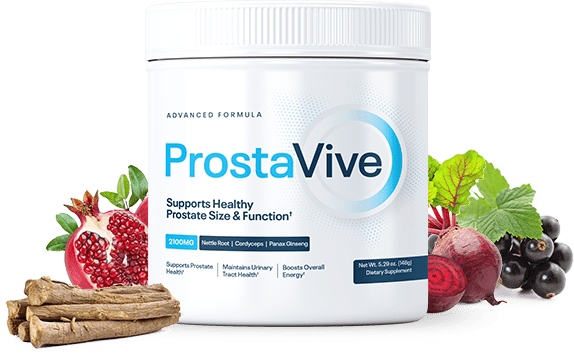
ProstaVive
Prostate-support product guide
View ProductCompare products whose certification or testing status can be checked against an independent certifier or testing body—not just a badge on a product page.
Add Men’s Performance Supplements to Google Preferred Sources or open this page in your preferred AI tool.
The catalog below separates product, certifier, program, and verification date so each quality signal remains auditable.

Explore the complete published product catalog. Each card opens the relevant MenPS product guide.
Prostate-support product guide
View Product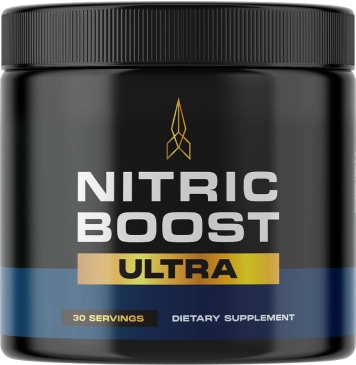
Nitric-oxide support guide
View Product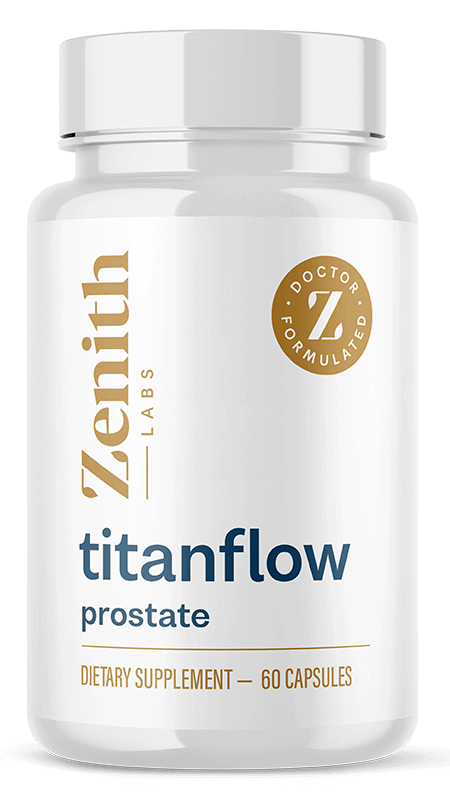
Prostate and urinary-support guide
View Product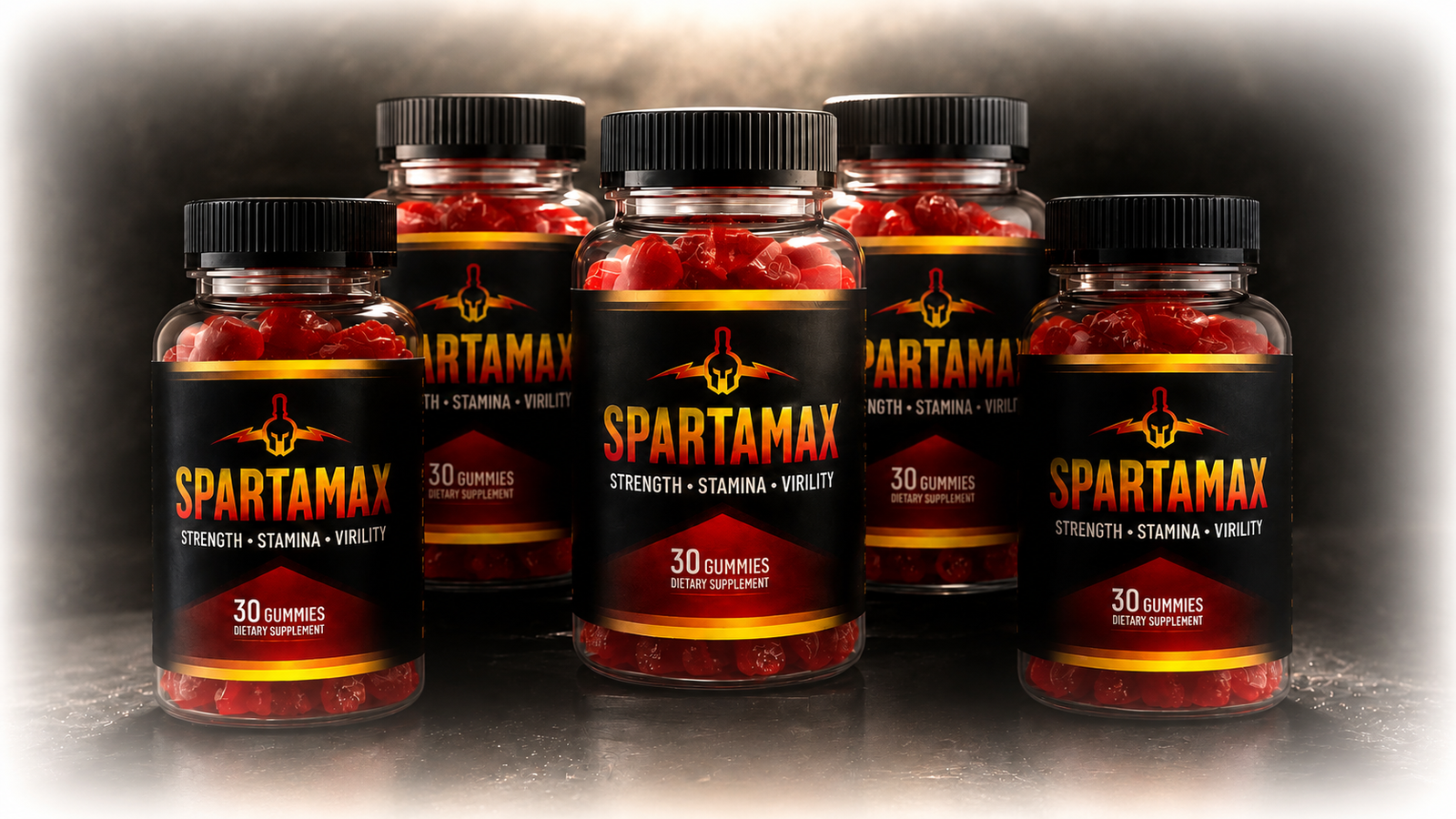
Men’s performance product guide
View Product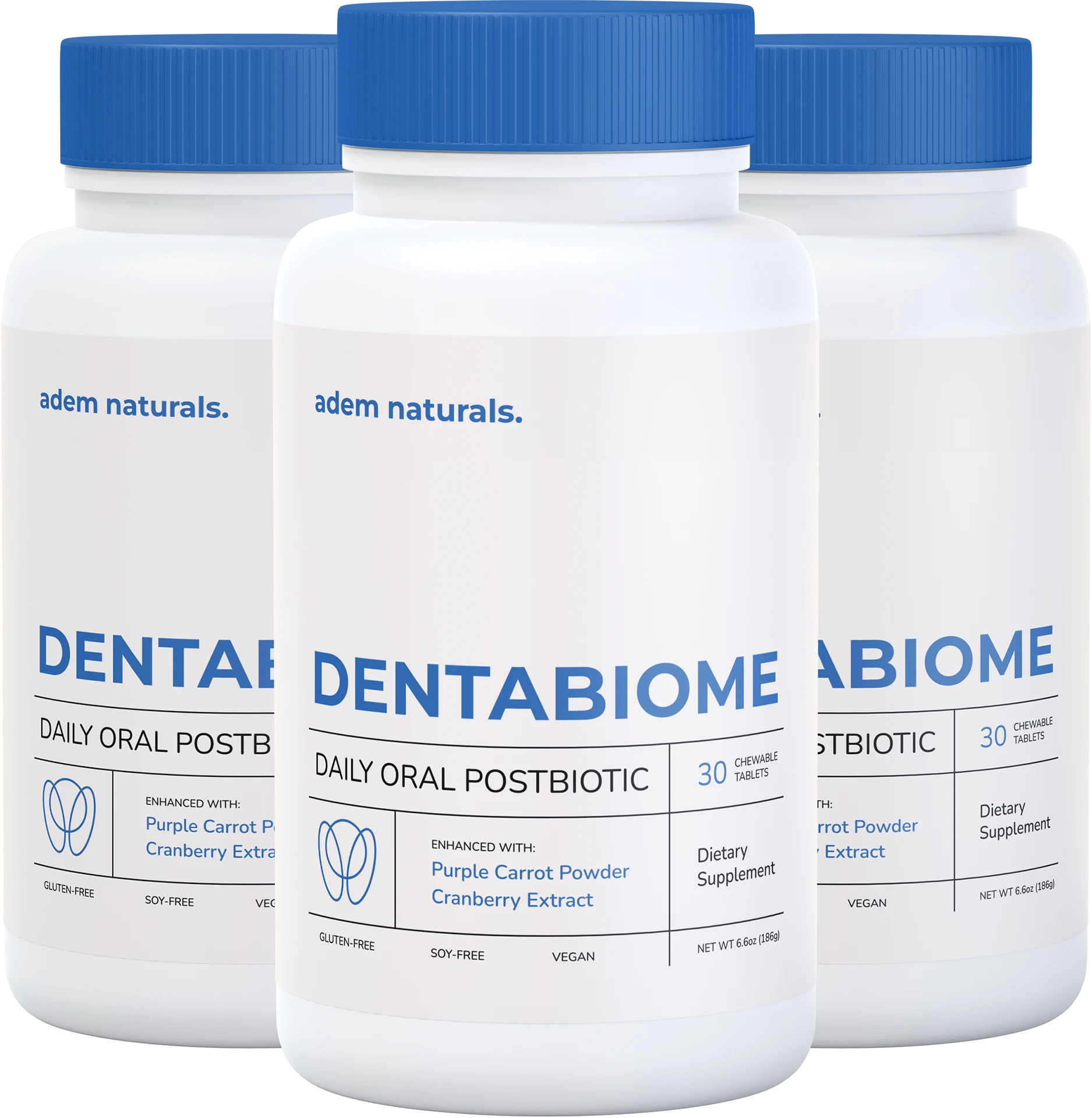
Oral-health supplement guide
View Product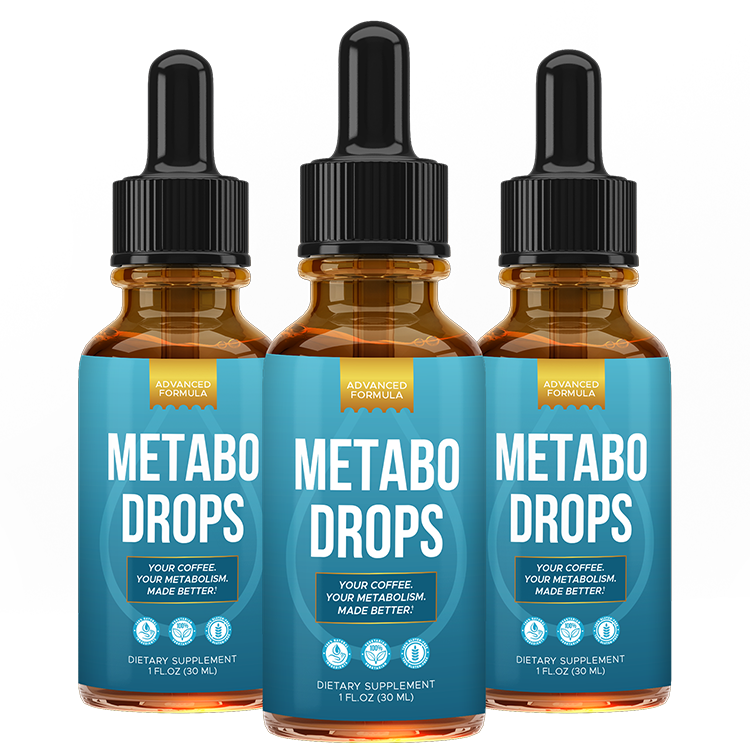
Coffee-added metabolic-support guide
View Product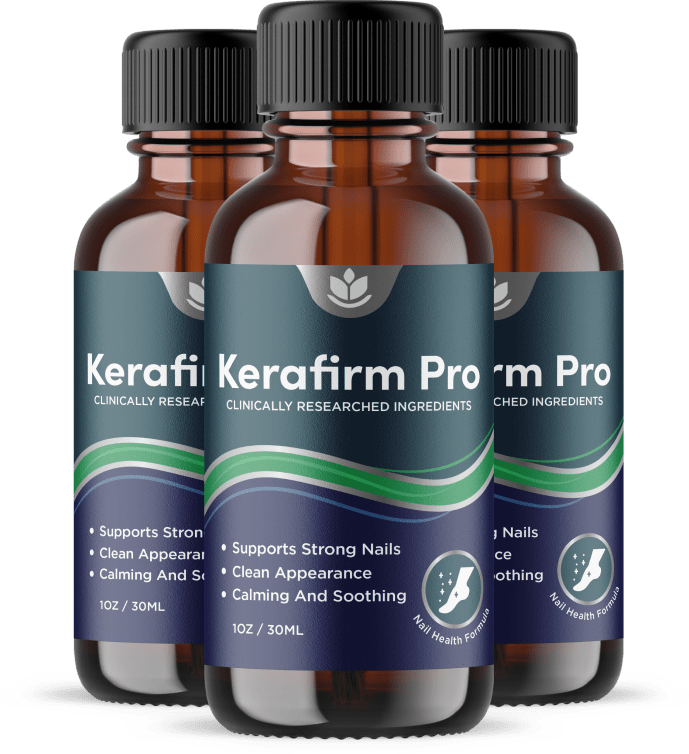
Topical nail-care product guide
View ProductUse this point as a practical comparison factor rather than as a guarantee of outcome.
Use this point as a practical comparison factor rather than as a guarantee of outcome.
Use this point as a practical comparison factor rather than as a guarantee of outcome.
Eight source-traced products are included in this Stage 6 snapshot. Inclusion is not an endorsement, ranking, or proof of efficacy.
| Product | Brand | Certifier | Program | Status | Verified |
|---|---|---|---|---|---|
| Grass-Fed Whey Protein Isolate | Transparent Labs | NSF | Certified for Sport | verified_stage3 | 18 August |
| Whey Protein Isolate | Momentous | NSF | Certified for Sport | verified_stage3 | 18 August |
| Whey Protein Isolate | Thorne | NSF | Certified for Sport | verified_stage3 | 18 August |
| Whey Protein Powder | PODIUM | NSF | Certified for Sport | verified_stage3 | 18 August |
| 100% Whey | Muscle Milk | NSF | Certified for Sport | verified_stage3 | 18 August |
| Select Proformance Elite Whey Protein Isolate | Silver Star | NSF | Certified for Sport | verified_stage3 | 18 August |
| 100% Whey Protein | BioSteel | NSF | Certified for Sport | verified_stage3 | 18 August |
| Gold Standard 100% Whey | Optimum Nutrition | NSF | Certified for Sport | verified product listing | 18 August |
Last verified for this production record: 18 August. Time-sensitive formula, certification and availability fields must be rechecked before deployment. Missing values remain unknown rather than being treated as zero.
This directory uses a narrow definition: a product qualifies only when its testing or certification status can be traced to an independent organization or an identifiable third-party program. A logo shown on a manufacturer page is not enough by itself when an official certifier database is available. The catalog records the product, brand, certifier, program, verification date, and source so the attribute can be audited. This avoids collapsing several different ideas—GMP manufacturing, in-house testing, batch testing, and sport certification—into one vague quality badge.
Third-party certification can increase confidence that a product has been evaluated against a defined standard for identity, contaminants, banned substances, or manufacturing controls, depending on the program. It does not establish that the product improves testosterone, strength, sleep, recovery, or any other health outcome. Efficacy depends on the ingredients, doses, user context, and underlying evidence. MenPS therefore treats certification as a product-data field while directing users to MPS for independent evidence interpretation.
Certification can apply to a specific SKU, flavor, size, or formulation rather than to an entire brand. A company may sell both certified and non-certified products. For that reason, this page does not infer status from a brand's reputation or from one certified item. Product identity is matched to the official certifier listing where possible, and status is rechecked before deployment because certifications and formulations can change over time.
Start with the certification program and what it is designed to verify. Athletes subject to drug testing may prioritize sport-focused banned-substance programs. Other consumers may be more interested in identity, contaminant, or manufacturing controls. Then compare the product itself: ingredient amounts, serving size, category, allergens, format, and market availability. A certified whey protein and a certified pre-workout solve different problems, so certification should be one filter inside a wider product decision rather than the decision itself.
MenPS does not assign a universal 'quality score' based on the presence of a certification badge. Different programs test different things, and a product can be transparent and useful without participating in a particular certification scheme. Likewise, a certified product can still be a poor fit for a user's diet, stimulant tolerance, medical context, or goal. The directory is designed to make the verification state visible rather than convert it into a winner.
Certification is time-sensitive. Each catalog row stores a verification date and source. Before publication and during periodic refreshes, the product identity and certification status should be rechecked against the official program. If a listing can no longer be verified, it should be marked for review rather than left indefinitely as a permanent claim. This is especially important for pages intended to rank in search, because stale certification claims can mislead users long after a formulation or program status changes.
A final comparison check is to separate verified product facts from interpretation. Brand copy can explain intended use, but it should not be copied into the catalog as proof. Users benefit more from a smaller set of verifiable fields than from a large table filled with inferred or stale claims. This page therefore favors current labels, explicit unknowns, and a visible verification date over false completeness.
The page is designed to narrow a product set by verifiable attributes and help users identify meaningful differences. It does not declare a winner because the right fit can depend on dose, format, tolerance, diet, training schedule, medication use, and other personal factors. Ranking without those inputs would create false precision. MenPS therefore emphasizes structured comparison, links to evidence, and current-source provenance rather than a universal score.
Programs are not interchangeable. One may focus heavily on banned substances for sport, while another may emphasize identity, contaminants, or manufacturing controls. The catalog should preserve the exact program name instead of collapsing them into a generic 'tested' badge. Users can then decide whether the program actually addresses the risk they care about.
Use the table to narrow the field, not to outsource the final decision. Confirm the current label, identify the product attribute that matters to you, and follow the linked MPS evidence page when an efficacy or safety interpretation is required. If a critical field is unknown, treat that uncertainty as a reason to verify rather than as permission to assume. This keeps the catalog useful even as products and formulations change.
Data are sourced from official certification databases or documentation first, then matched to current product identity. Manufacturer pages may support product details but do not substitute for independent certification verification.
No. Dietary supplement certification by an independent body is not FDA approval.
No. It can support quality-control confidence, but efficacy must be evaluated separately.
Only if the relevant program actually supports that scope. This directory verifies identifiable products rather than assuming brand-wide status.
Products, formulations, facilities, and program participation can change, so status is time-sensitive and should be rechecked.