
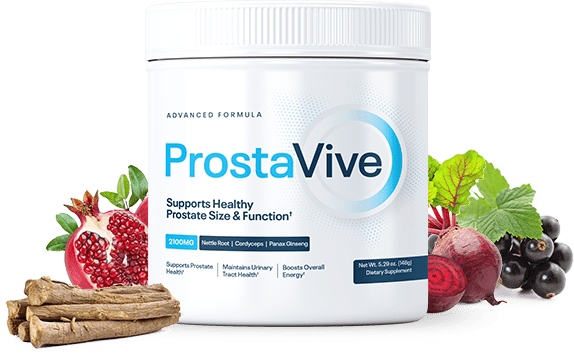
ProstaVive
Prostate-support product guide
View ProductThe current catalog provides 10 live ingredient-product directories. Use them to identify products containing a named ingredient, then move to the independent evidence layer when you need research, studied amounts, limitations or safety interpretation.
Add Men’s Performance Supplements to Google Preferred Sources or open this page in your preferred AI tool.

Explore the complete published product catalog. Each card opens the relevant MenPS product guide.
Prostate-support product guide
View Product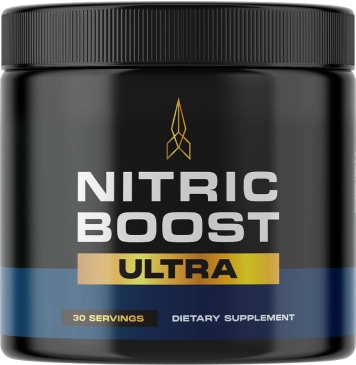
Nitric-oxide support guide
View Product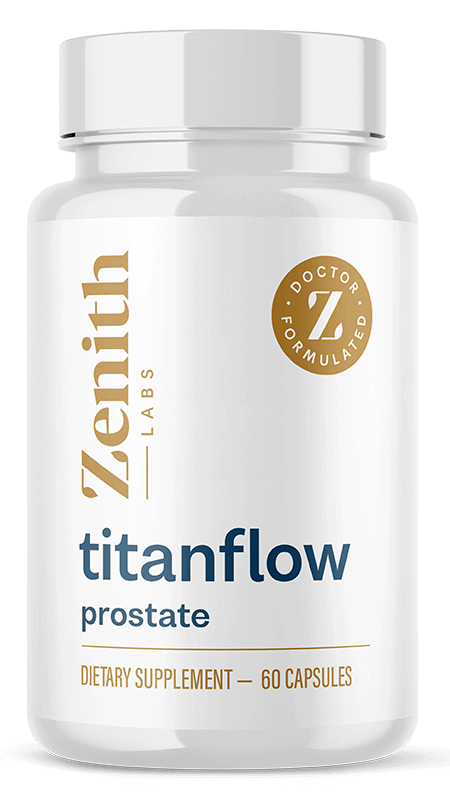
Prostate and urinary-support guide
View Product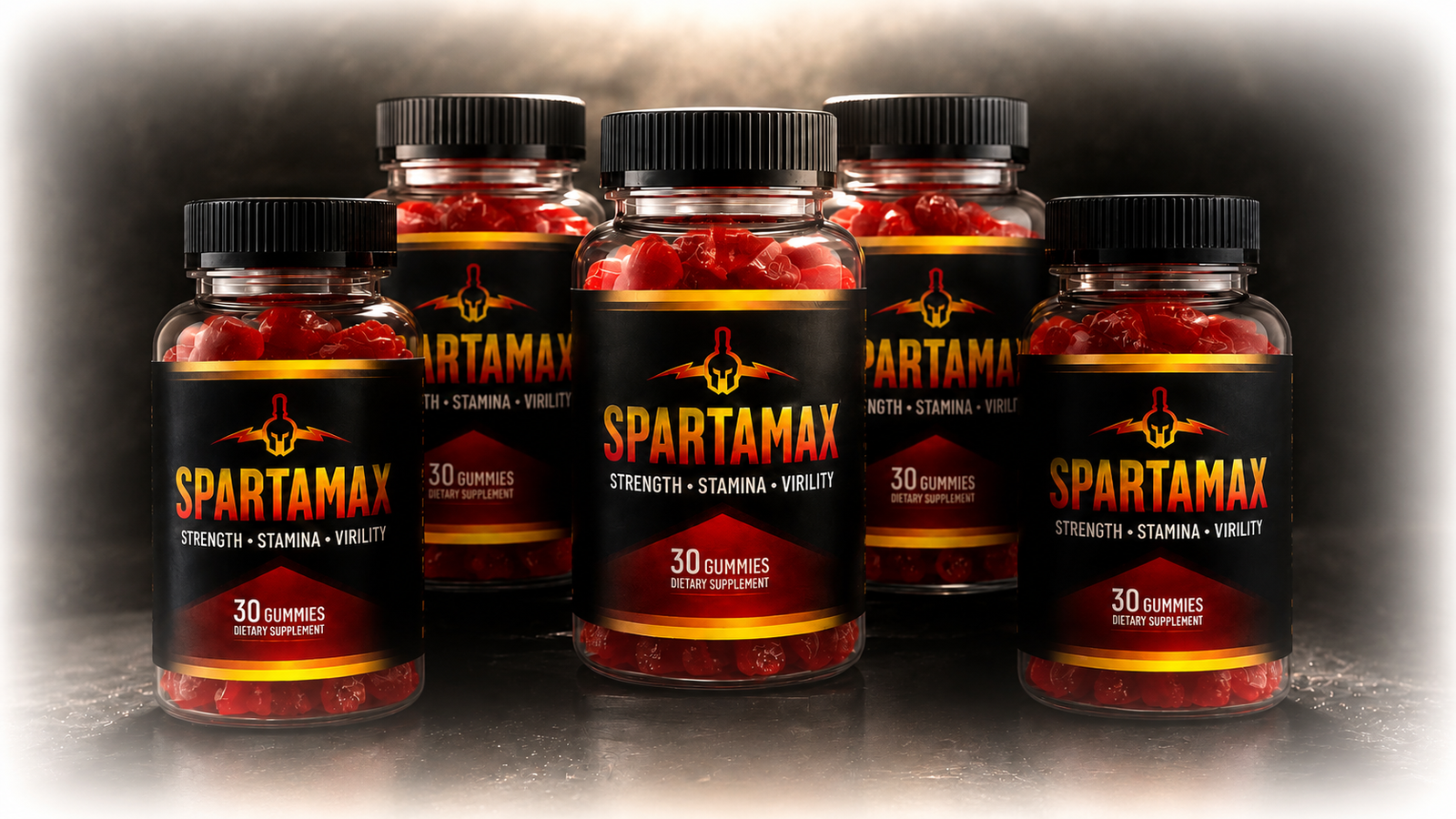
Men’s performance product guide
View Product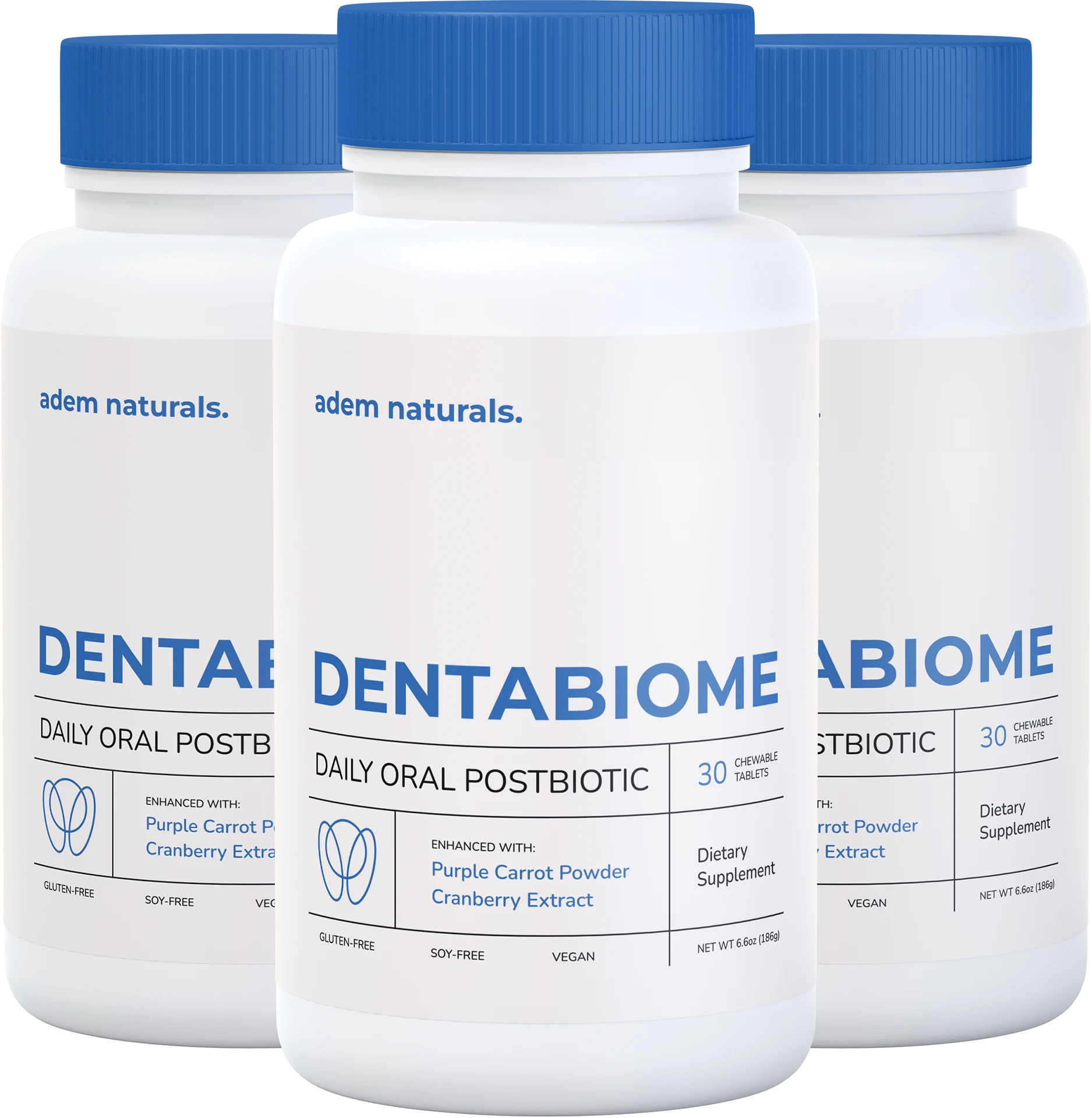
Oral-health supplement guide
View Product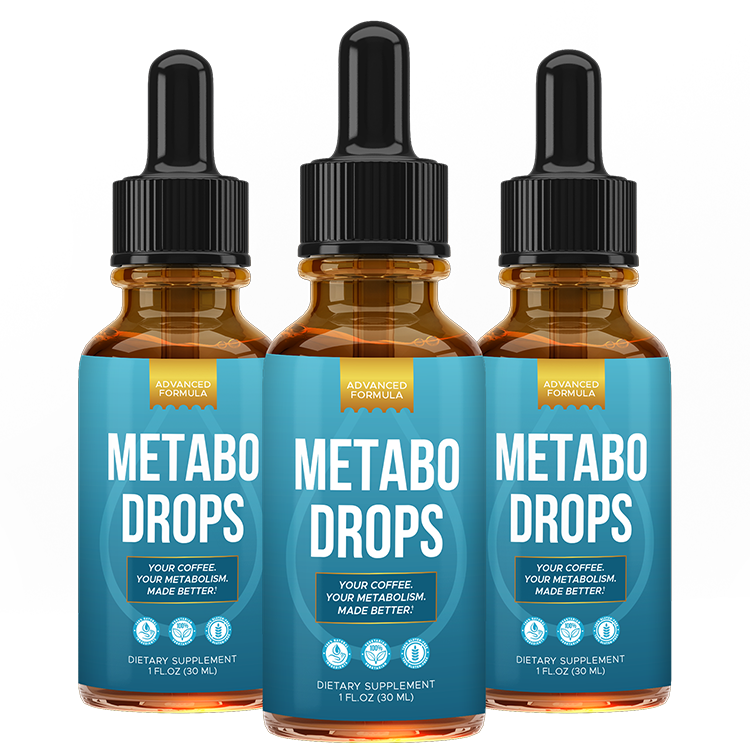
Coffee-added metabolic-support guide
View Product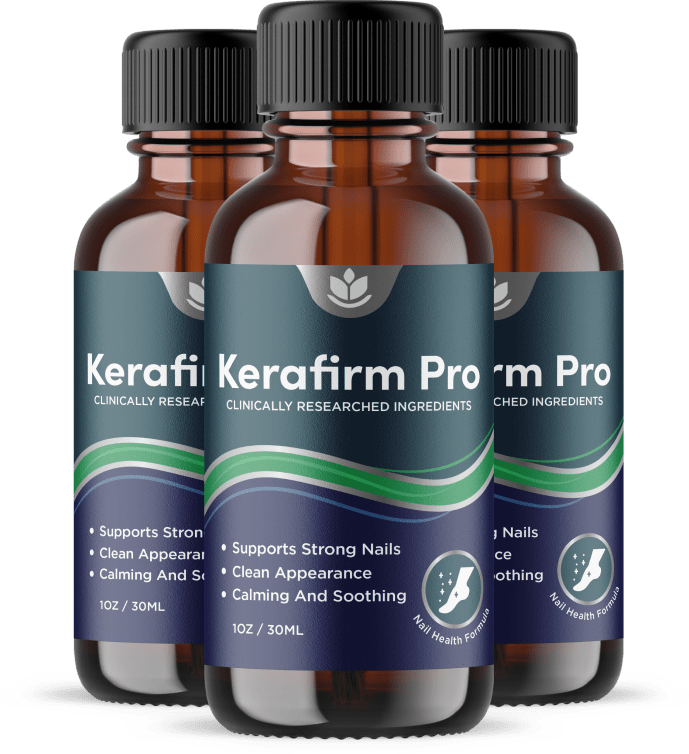
Topical nail-care product guide
View ProductThe current live set covers creatine monohydrate, ashwagandha, Tongkat Ali, magnesium, zinc, vitamin D, fenugreek, maca, boron and D-aspartic acid. Each directory answers a catalog question: which current products disclose this ingredient, in what form and amount where verified?
Ingredient presence is not treated as proof that the finished product works. MenPS records the product and label relationship; MalePerformanceSupplements.com remains the separate evidence and safety layer.
These are the main discovery paths through the catalog. Use them to move between categories, ingredients, goals, quality attributes, markets and published product guides.
Products containing creatine monohydrate as a primary or disclosed ingredient.
Products using ashwagandha or named standardized extracts.
Products containing Eurycoma longifolia or Tongkat Ali extracts.
Single- and multi-ingredient products containing magnesium.
Products containing vitamin D in men’s health and multi-nutrient formulas.
Products using zinc across multivitamin and testosterone-support categories.
Performance products containing L-citrulline or citrulline-based formulas.
Products providing omega-3 fatty acids in different supplement formats.
Compare six current products and open the matching MPS evidence page.
Compare six current products and open the matching MPS evidence page.
Compare six current products and open the matching MPS evidence page.
Compare six current products and open the matching MPS evidence page.
Compare six current products and open the matching MPS evidence page.
Compare six current products and open the matching MPS evidence page.
Compare six current products and open the matching MPS evidence page.
Compare six current products and open the matching MPS evidence page.
Compare six current products and open the matching MPS evidence page.
Compare six current products and open the matching MPS evidence page.
MenPS organizes products and formula attributes. MalePerformanceSupplements.com handles independent ingredient evidence, safety and research interpretation.
Ingredient-first discovery begins with a simple problem: the name on the front of a supplement bottle often tells you less than the ingredient panel on the back. Two products can be marketed for the same goal while sharing few ingredients, and two products marketed for different goals can contain the same key ingredient. Organizing the catalog by ingredient creates a second way to navigate the market that is independent of brand positioning.
MenPS ingredient directories are not intended to repeat the scientific articles on MalePerformanceSupplements.com. Their role is commercial discovery. A MenPS page for creatine monohydrate should show which cataloged products contain creatine, how the ingredient is disclosed, what serving format is used, whether other active ingredients are present and where the product has been verified as available. The corresponding MPS evidence page can then explain the human research, studied amounts, safety context and limitations in much greater depth.
That separation matters because ingredient presence is a product fact, while ingredient efficacy is an evidence question. A label may clearly show that a product contains ashwagandha, magnesium or vitamin D. That does not automatically establish that the finished product will produce a specific health or performance result for every user. MenPS records the product fact. MPS handles the evidence interpretation. Linking the two lets users move from “what contains this?” to “what does the research actually support?” without duplicating the same article across two domains.
Ingredient directories also make dose transparency easier to inspect. Where the current label discloses an individual amount, MenPS can record that figure alongside the serving size and source. Where the label uses a proprietary blend or otherwise does not reveal an individual amount, the catalog should say so rather than estimate. The absence of a disclosed amount is itself useful comparison information because it limits what can be inferred from the label.
Forms and extracts can matter as product attributes too. A botanical may be sold as a generic powdered ingredient, a standardized extract or a branded extract. A mineral can appear in more than one chemical form. Creatine can be sold as a single-ingredient powder or included inside a larger performance formula. MenPS can record the form shown on the label, but it should avoid declaring one form superior unless the claim is independently supported. When a form-specific evidence page exists on MPS, that becomes the appropriate place for interpretation.
An ingredient directory becomes more useful as the product set grows. Publishing a page with one product and eight hundred words of generic explanation would defeat the purpose. The page should eventually provide a meaningful set of qualifying products and enough normalized fields to support comparison. Until that threshold is met, the topic can remain planned rather than being forced into the index.
Ingredient navigation also strengthens the wider catalog graph. A user researching a testosterone-support formula may discover Tongkat Ali, ashwagandha, zinc and magnesium inside the same product. Each ingredient can lead to a MenPS product directory and an MPS evidence page. A user starting with creatine may move into strength categories, tested-athlete quality filters or market-specific availability. These pathways connect product entities without requiring artificial reciprocal links.
The ingredient-first model is particularly useful for avoiding dependence on brand popularity. A newly launched product and a long-established product can be compared using the same fields if their current labels are available. The catalog does not need to assume that the most famous product is the most useful. It can instead surface formula composition, disclosure, quality signals and availability in a consistent format.
For users, the practical workflow is straightforward. Choose an ingredient you already know, inspect the products that contain it, compare the disclosed formula details, and follow the evidence link before interpreting what the ingredient may or may not do. That is why MenPS and MPS are designed as complementary layers: one organizes the market, and the other organizes the evidence.
As the catalog expands, ingredient pages should also help users distinguish between an ingredient being present and an ingredient being central to the product. A multivitamin can contain zinc, for example, while a testosterone-support formula may promote zinc as one of several headline actives. Both products legitimately belong in a zinc directory, but the table can show the product category and the amount disclosed so the user understands the context. MenPS should not artificially exclude products simply because the ingredient is not the main marketing headline.
The same structure creates useful future filters. An ingredient directory can eventually allow users to narrow by dosage form, fully disclosed formula, third-party testing, country availability or related category. Those filters should be driven by real catalog fields, not by invented tags. The more consistently product data is normalized now, the more useful ingredient discovery becomes later without rewriting the underlying pages.
Three high-demand ingredient entities now have dedicated product-discovery pages linked to independent MPS evidence.