
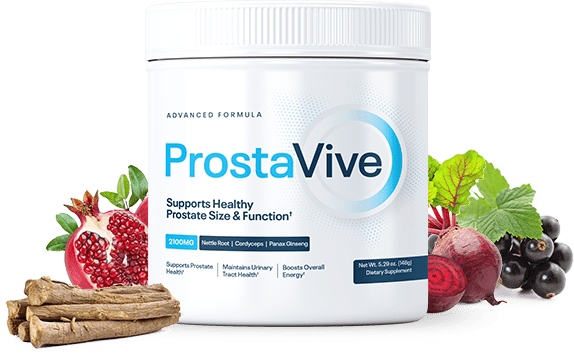
ProstaVive
Prostate-support product guide
View ProductAdd Men’s Performance Supplements to Google Preferred Sources or open this page in your preferred AI tool.
Compare current products by formula, serving context, transparency and quality signals. This page is a catalog, not a ranking.
Compare current products →
Explore the complete published product catalog. Each card opens the relevant MenPS product guide.
Prostate-support product guide
View Product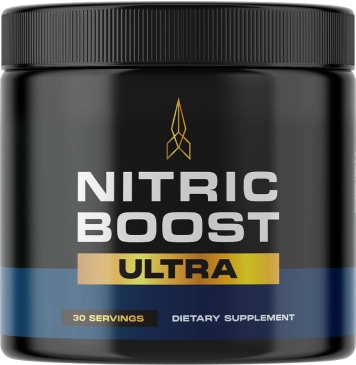
Nitric-oxide support guide
View Product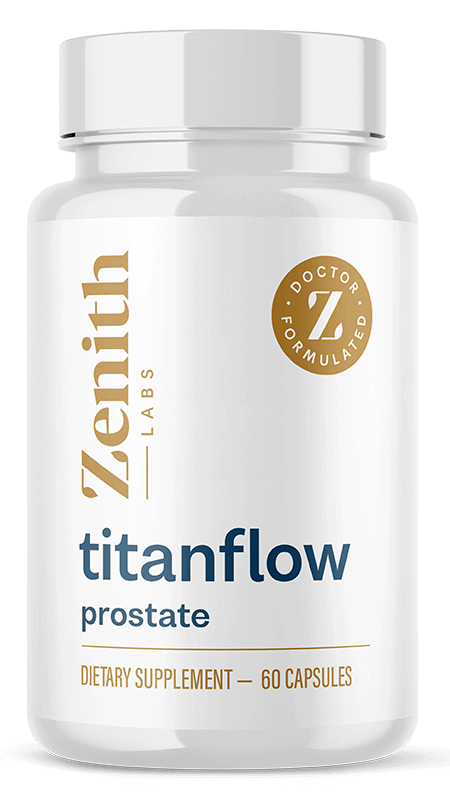
Prostate and urinary-support guide
View Product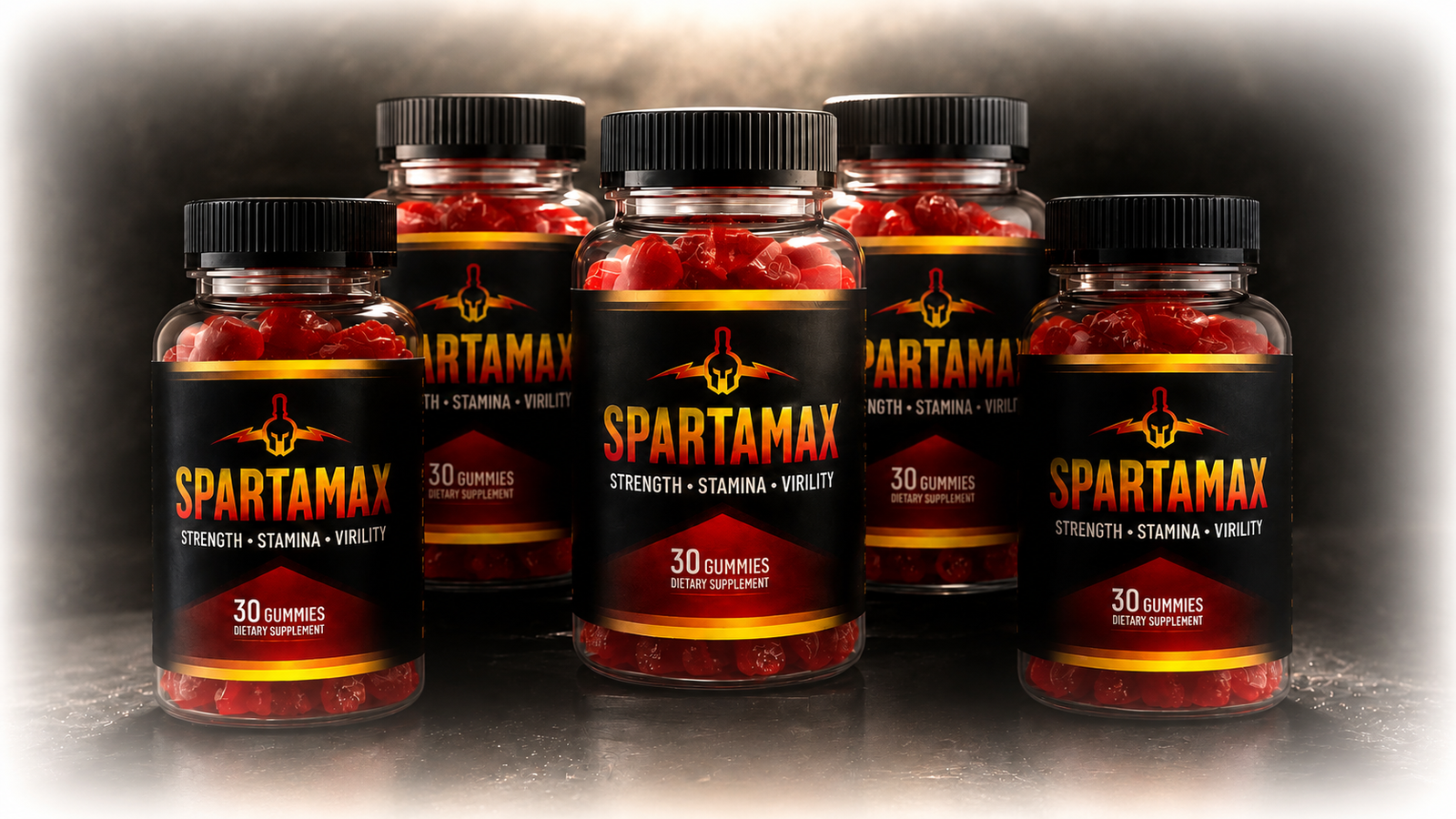
Men’s performance product guide
View Product
Oral-health supplement guide
View Product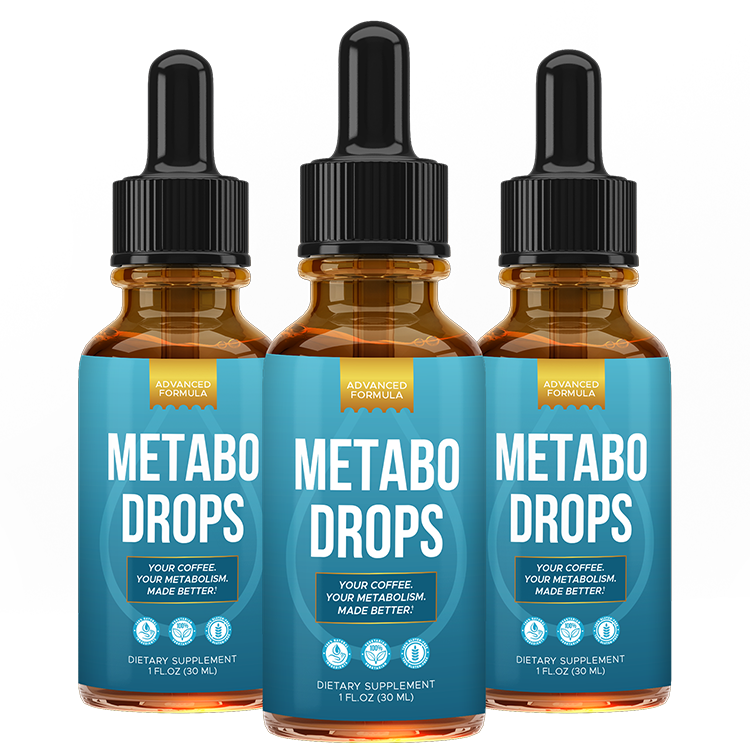
Coffee-added metabolic-support guide
View Product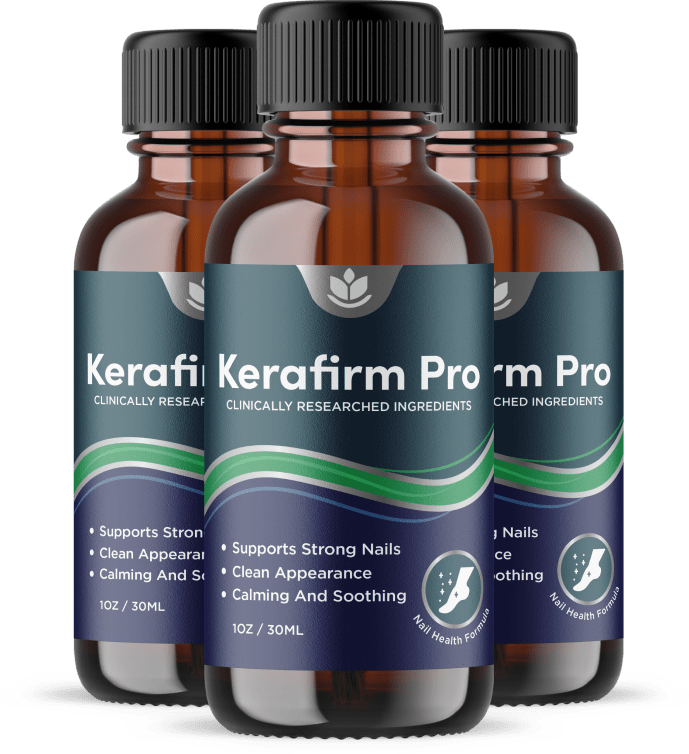
Topical nail-care product guide
View ProductVerification date: 14 August. Inclusion does not constitute endorsement.
| Product | Format | Disclosed product detail | Basis |
|---|---|---|---|
| BulkSupplements D-Aspartic Acid Powder | Powder | 3 g per serving | Current catalog observation |
| PrimaForce D-Aspartic Acid Powder | Powder | 3 g per serving | Current catalog observation |
| Nutricost D-Aspartic Acid Powder | Powder | 3 g per serving | Current catalog observation |
| Nutricost D-Aspartic Acid Capsules | Capsules | 3,000 mg per serving | Current catalog observation |
| Body & Fit D-Aspartic Acid | Powder | 3 g per serving | Current catalog observation |
| Best Naturals D-Aspartic Acid | Tablets | 3,000 mg per serving | Current catalog observation |
Use this field when current product data supports it.
Use this field when current product data supports it.
Use this field when current product data supports it.
Use this field when current product data supports it.
Use this field when current product data supports it.
Use this field when current product data supports it.
MenPS organizes products. MalePerformanceSupplements.com reviews the evidence, limitations and safety context for D-Aspartic Acid.
This D-Aspartic Acid directory is designed to answer a product-discovery question, not to replace an evidence review. The useful questions are which current products contain D-Aspartic Acid, how the ingredient is described on the label, what a labeled serving looks like, and which product attributes actually change the comparison. MenPS therefore treats inclusion as a catalog-data decision rather than an endorsement.
The table above is a current snapshot rather than a ranking. The six products were observed in current manufacturer, retailer or product sources during research on 14 August. Product formulas, package sizes and availability can change. A shopper should confirm the current label before relying on any amount shown here. Popularity, retailer review counts and the number of products on the market are not treated as evidence that D-Aspartic Acid produces a particular outcome.
Start with powder versus capsule or tablet delivery and grams per labeled serving. These details can change how two apparently similar products should be read. A large number on the front panel is difficult to interpret without the serving context. MenPS records the disclosed product detail when the source makes it clear and does not estimate an undisclosed amount.
Serving format matters because powders, capsules, tablets, softgels and liquids can place the same ingredient into very different routines. One product may require several units for a labeled serving while another uses one scoop or one capsule. The catalog keeps the delivery format visible so users do not compare headline numbers without understanding how the manufacturer defines a serving.
Formula structure is another major distinction. Compare number of units needed for a serving and single-ingredient formula simplicity. A single-ingredient product is usually easier to inspect because the named ingredient is the central formula. A combination product needs more careful reading because the same ingredient may be one component among many. If an individual amount is not disclosed, MenPS should state that limitation rather than infer a hidden dose.
Transparency is useful, but it is not the same as efficacy. A fully disclosed formula gives the user more information to inspect. It does not automatically prove that the finished product works. Likewise, a less transparent formula creates an information limitation but does not by itself prove that the product is ineffective. MenPS keeps those judgments separate from the catalog facts.
Quality signals deserve their own field. Where relevant, compare availability across regions. Certification and testing claims can be useful only when the current status and scope are understood. A quality mark may relate to manufacturing, identity, contaminants or sport-related screening. It should never be converted into a blanket claim that the product or the ingredient is clinically effective.
Market availability is time-sensitive too. A product observed through one country-specific retailer may not be distributed in the same formulation in another country. This first MenPS ingredient page is global. Country pages will add local market detail only when enough verified inventory exists. That is why mixed evidence and why product presence is not proof remains part of the comparison rather than an assumed universal fact.
The independent scientific question belongs on MalePerformanceSupplements.com. A product can clearly contain D-Aspartic Acid while the evidence for a marketed outcome may be strong, moderate, preliminary, mixed or insufficient. MenPS does not use manufacturer copy, retailer placement or a high sales count as a substitute for the evidence. The MPS link on this page is the appropriate next step for that interpretation.
This separation also helps when D-Aspartic Acid appears in several types of products. A simple single-ingredient formula and a larger men's-health or performance formula can both legitimately appear in the same ingredient directory. Their purpose, other actives and label structure may differ. Users can move from this page into Categories, Goals and Quality filters to see that wider context.
A practical comparison sequence is therefore: verify that the product genuinely contains D-Aspartic Acid; read the serving size; compare the disclosed amount and form; check whether the formula is single-ingredient or multi-ingredient; inspect relevant quality or transparency signals; confirm availability in your market; and then read the independent evidence before interpreting any outcome claim. That sequence makes the product list useful without pretending that a catalog can make a medical decision for the user.
MenPS will expand the directory as verified product records are added and refreshed. Individual product pages connect back to this non-branded ingredient entity rather than replacing it. The ingredient URL can therefore remain a stable discovery hub even when brands reformulate, new products enter the market or commercial relationships change.
A final check should focus on freshness. Ingredient directories are not static buying guides: labels can change, package counts can change, and a product may move between markets. MenPS therefore treats the verification date as part of the record. When a material formula or availability change is confirmed, the product row should be updated rather than leaving an old description in place. This maintenance rule is also why product-specific pages are added when the underlying catalog entities are sufficiently stable, distinct and connected.