
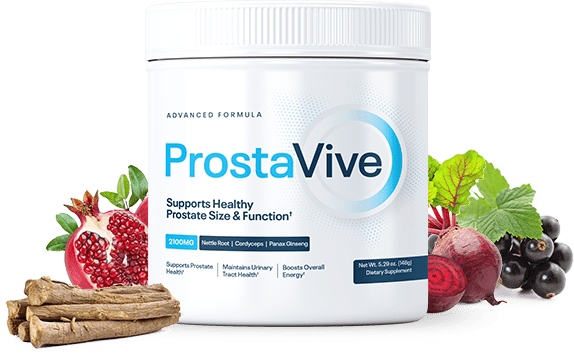
ProstaVive
Prostate-support product guide
View ProductThe MenPS catalog connects product categories, ingredients, goals, quality attributes and markets into one structured discovery system.
Add Men’s Performance Supplements to Google Preferred Sources or open this page in your preferred AI tool.

Explore the complete published product catalog. Each card opens the relevant MenPS product guide.
Prostate-support product guide
View Product
Nitric-oxide support guide
View Product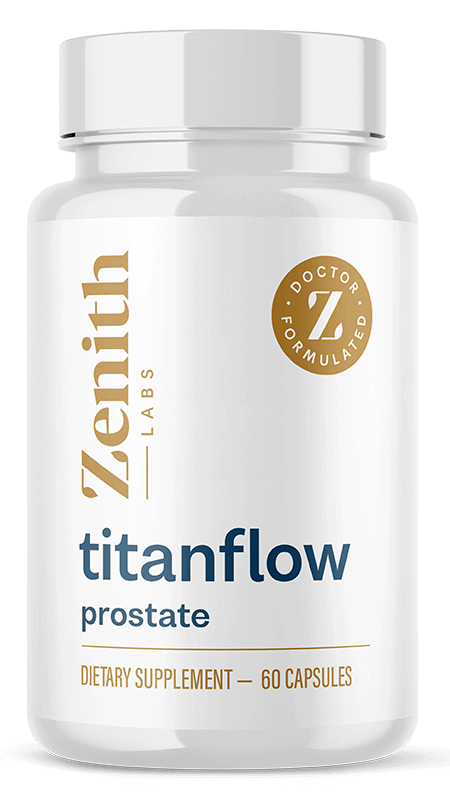
Prostate and urinary-support guide
View Product
Men’s performance product guide
View Product
Oral-health supplement guide
View Product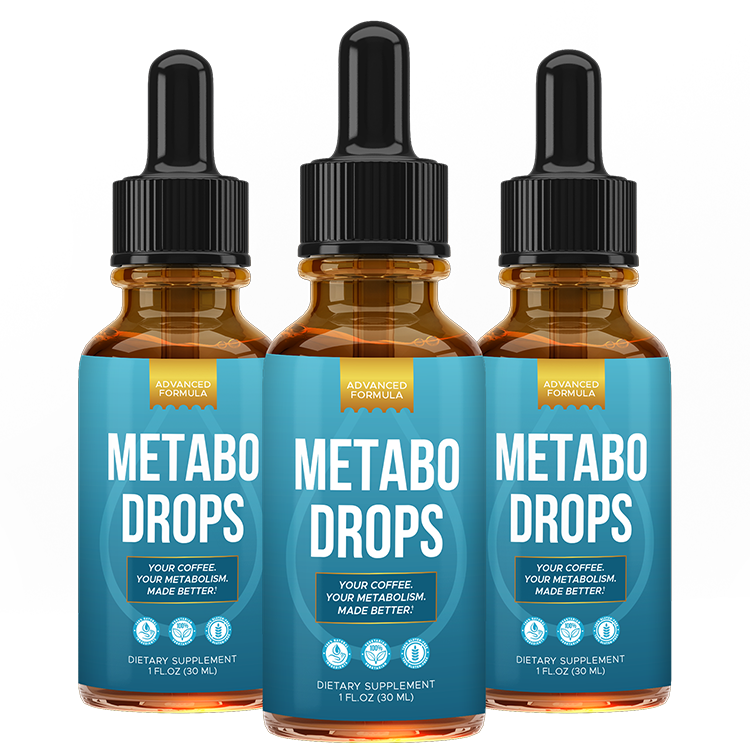
Coffee-added metabolic-support guide
View Product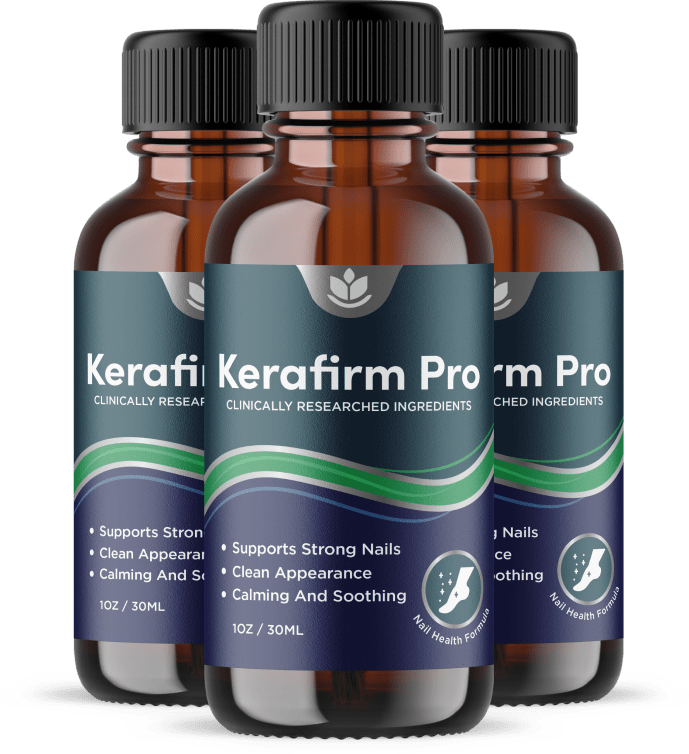
Topical nail-care product guide
View ProductCompare its format, package options, buying route and linked independent evidence.
Compare its current label, 5% undecylenic-acid disclosure, package options, buying route and linked independent evidence.
These are the main discovery paths through the catalog. Use them to move between categories, ingredients, goals, quality attributes, markets and published product guides.
Start with the type of supplement you are already considering.
Find products that contain a specific ingredient or formula component.
Explore products according to how they are positioned in the market.
Filter using verifiable formula and testing attributes.
See products with verified availability in specific markets.
Move from a product or ingredient into independent evidence and safety research.
MenPS organizes products and formula attributes. MalePerformanceSupplements.com handles independent ingredient evidence, safety and research interpretation.
The value of a global supplement catalog is not the raw number of products it contains. A database with thousands of copied product titles can still be difficult to use. MenPS is designed around normalized entities and multiple discovery paths so a user can approach the same market from the angle that matches the decision they are making.
The product is the central entity, but a product never exists in isolation. It belongs to one or more categories, contains ingredients, is marketed toward one or more goals, has formula attributes, may carry quality or certification signals, and is available in particular markets. The MenPS catalog links those relationships rather than treating every page as an independent article.
A user who knows exactly what they want may begin with a product category. Someone researching creatine can start with the creatine directory. A user who has read about ashwagandha can begin with the ingredient directory and see which products currently contain it. Someone concerned about formula transparency can begin with a quality filter. A user outside the United States may start from a country page because the global product list is less useful than the products they can actually find locally.
This entity-based structure also supports better internal linking. The catalog should not link every page to every other page. Instead, links should reflect meaningful relationships. A creatine product can connect to the creatine category, the creatine ingredient directory, relevant quality filters and verified countries. The creatine ingredient directory can connect to the independent MPS evidence page. Those relationships make navigation understandable to users and crawlers.
Data normalization is the second major requirement. Merchant descriptions are written to sell, so they use different terminology and emphasize different benefits. A useful catalog converts the underlying facts into consistent fields where possible. Product name, manufacturer, serving form, ingredients, disclosed amounts, proprietary-blend status, certification claims, market availability, source and last-verified date can be stored as structured fields. That allows comparison without copying promotional copy.
The catalog must also acknowledge uncertainty. A manufacturer may change a formula. A retailer listing may be old. A certification badge may no longer be current. MenPS should therefore preserve source information and verification dates for time-sensitive fields. When a fact cannot be verified, the correct action is to mark it as unverified or omit it rather than guess.
The non-branded first phase is deliberate. MenPS can begin building useful category, ingredient, goal, quality and market destinations before expanding into hundreds of named product pages. Products can appear inside catalog tables as real entities, but the public URL architecture remains focused on non-branded tasks. This reduces the risk of launching a thin affiliate-style site before the underlying product graph exists.
Branded product pages can use the structured data already built across the catalog. A product page can connect to its ingredients, category, quality attributes, country availability and MPS evidence links. A brand page can aggregate products without repeating the same description. The catalog therefore serves as infrastructure for later commercial expansion.
Search traffic is useful only if the page satisfies the search task. MenPS should not create pages just because a keyword can be combined with another keyword. A page must have a defined audience, inclusion criteria, useful inventory and distinct comparison value. Country pages need unique market data. Ingredient pages need qualifying products and label information. Quality pages need verifiable attributes. Goal pages need objective inclusion rules.
This approach also supports AI-search discovery because the site exposes clear entity relationships. A system can understand that a product contains an ingredient, belongs to a category, is available in a market and links to an evidence page. Structured information is more reusable than a long block of promotional prose.
For users, the catalog should feel simple even though the underlying graph is complex. Start anywhere. Narrow the market. Inspect the data. Follow the evidence when needed. That is the function of the global catalog and the reason the MenPS homepage, hubs and future product pages are being built around the same entity model.
The catalog can also support future change detection. Because each product record has structured fields, a later crawl or manual verification can identify meaningful changes such as a reformulated ingredient panel, new serving size, changed certification status or new market availability. That is much more maintainable than trying to reread hundreds of free-form product reviews for updates.
The same structured core creates opportunities for useful non-branded pages that do not exist yet. For example, a user may eventually want to browse products that combine a particular ingredient with a quality attribute, or products available in a specific market without proprietary blends. Those combinations should only become public pages when search demand and inventory justify them, but the data model makes such expansion possible without rebuilding the site.