How to Compare Blood Sugar Support Supplements
A useful supplement comparison considers the intended use, ingredients, quantities, scientific research, safety and purchase conditions—not the number of promises on a label. Blood Armor is marketed in the blood-sugar wellness category, but the marketing category does not establish measurable health benefits.
Before selecting a product, identify whether your goal is general nutritional education, a better understanding of product labels, or help with a medically assessed glucose concern. A person who takes glucose-lowering medication has very different safety considerations from someone evaluating a general wellness product.
Start with the Supplement Facts panel, determine whether amounts are disclosed, then assess whether published human research examined comparable preparations. Compare the manufacturer's information with independently published clinical evidence. When evidence is absent or mixed, that uncertainty should influence how much confidence a buyer places in the advertising.
Named ingredients, quantities, extracts and serving size.
Human trial population, intervention, measured outcomes and limitations.
Verifiable seller, current total cost, shipping and refund terms.
Blood Armor Product Overview
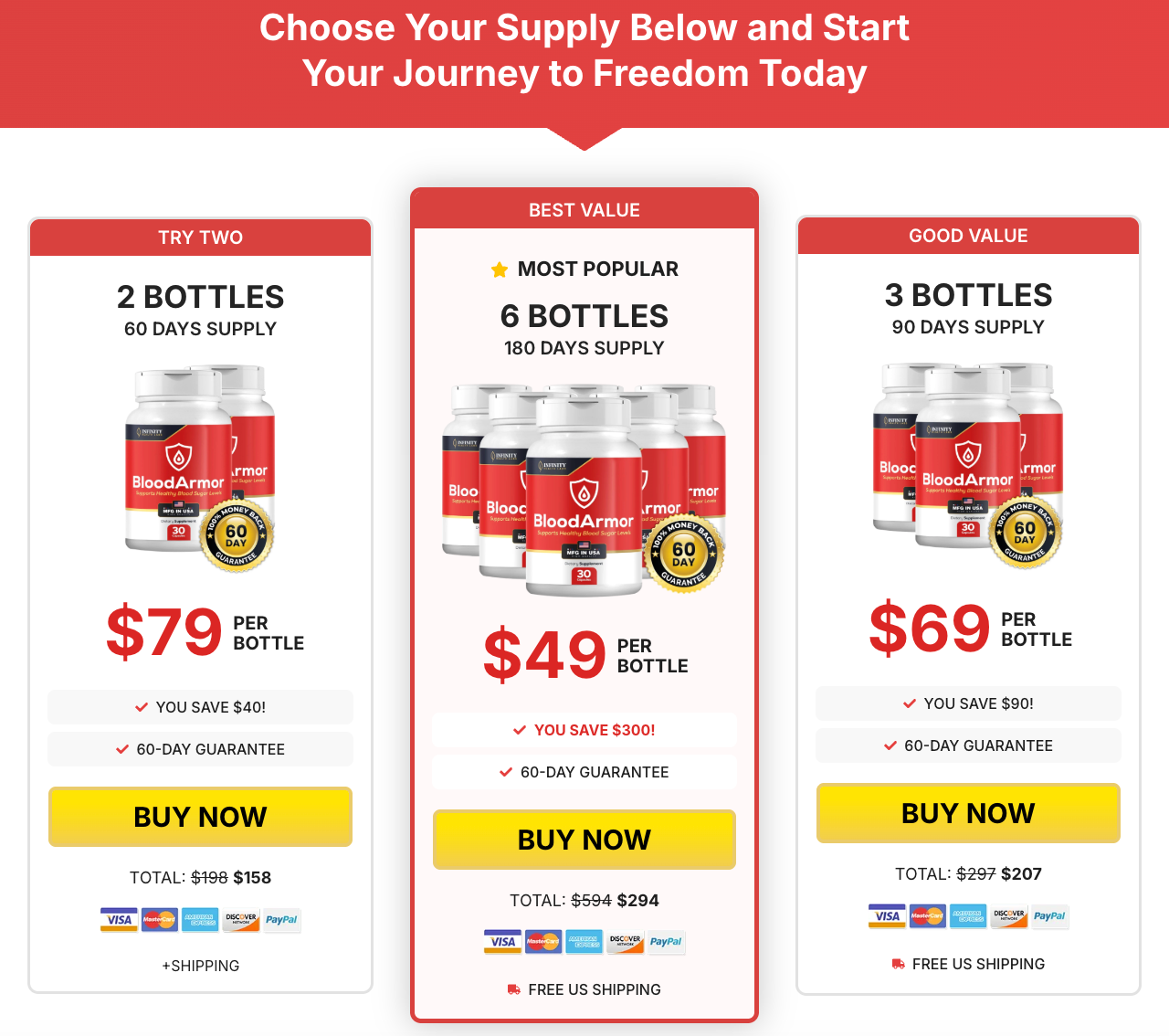
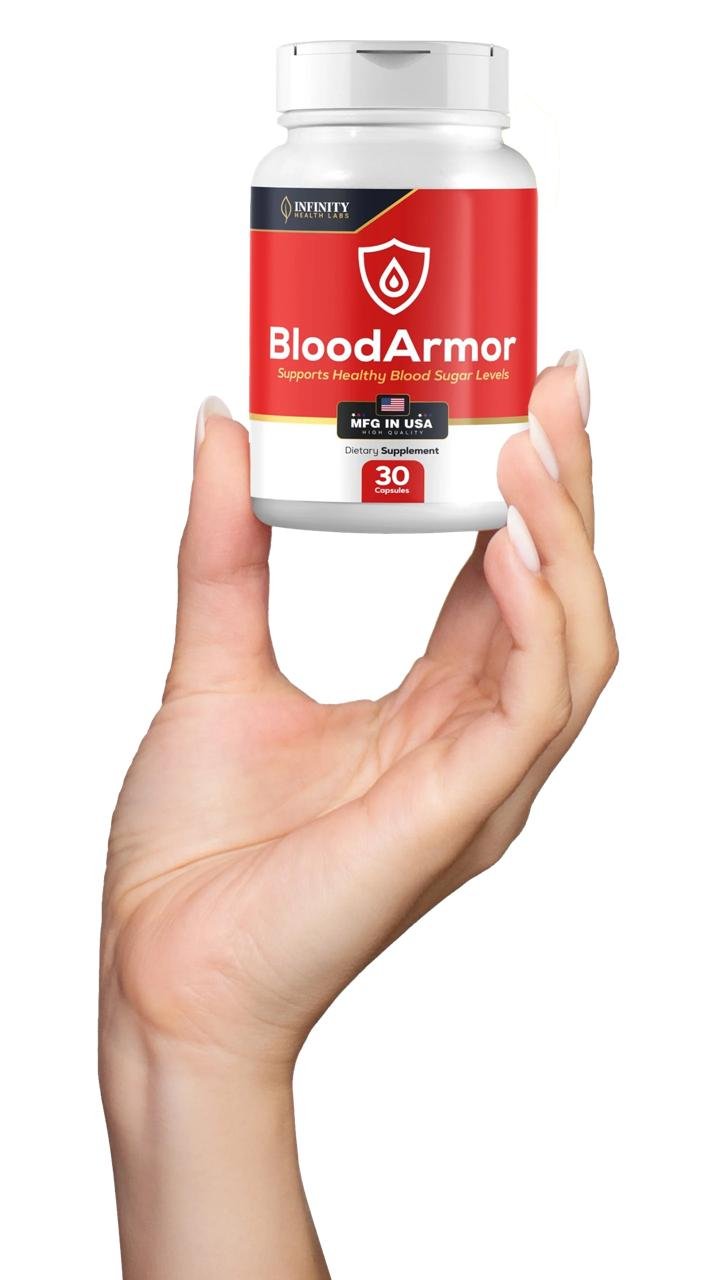
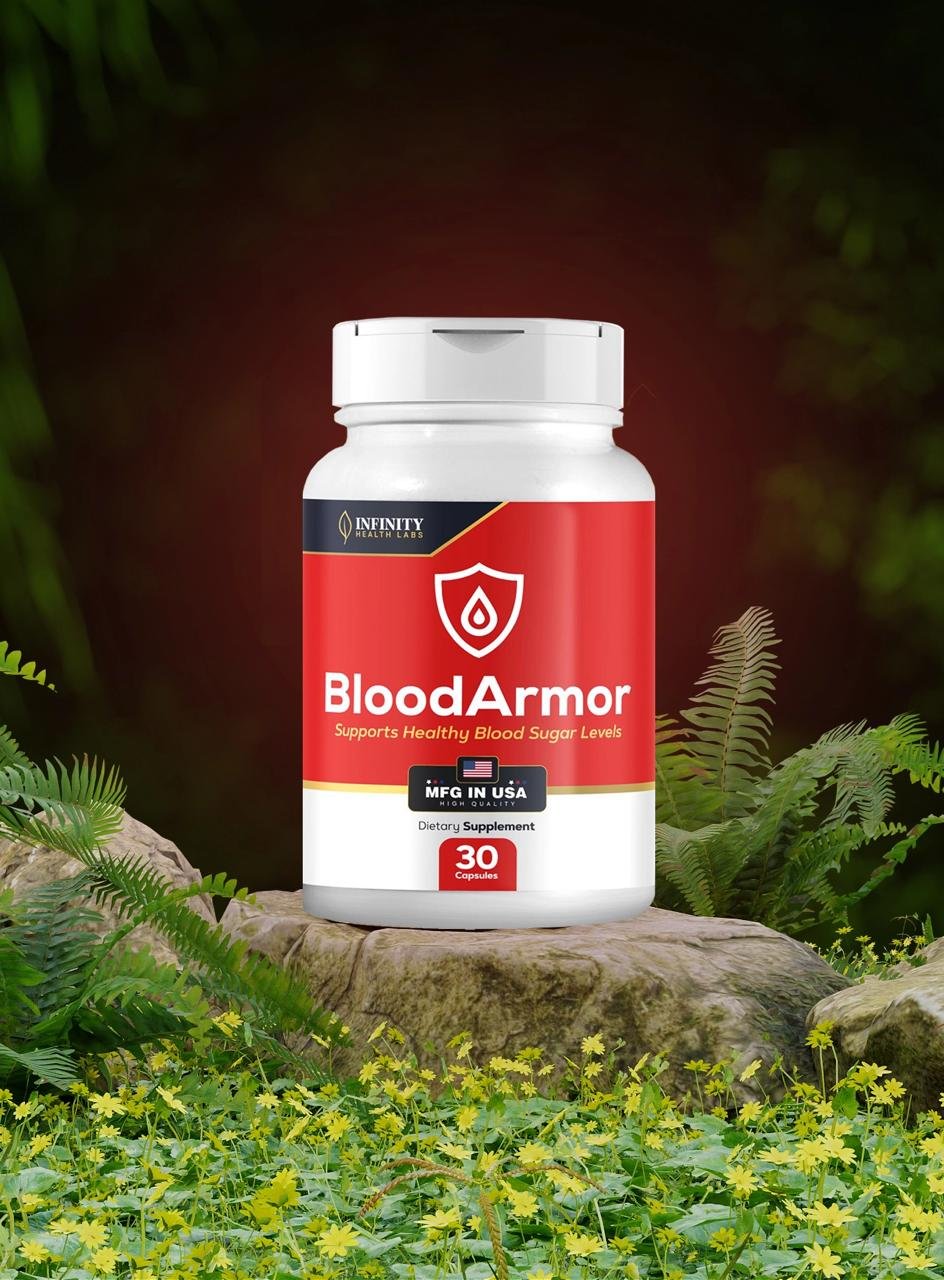
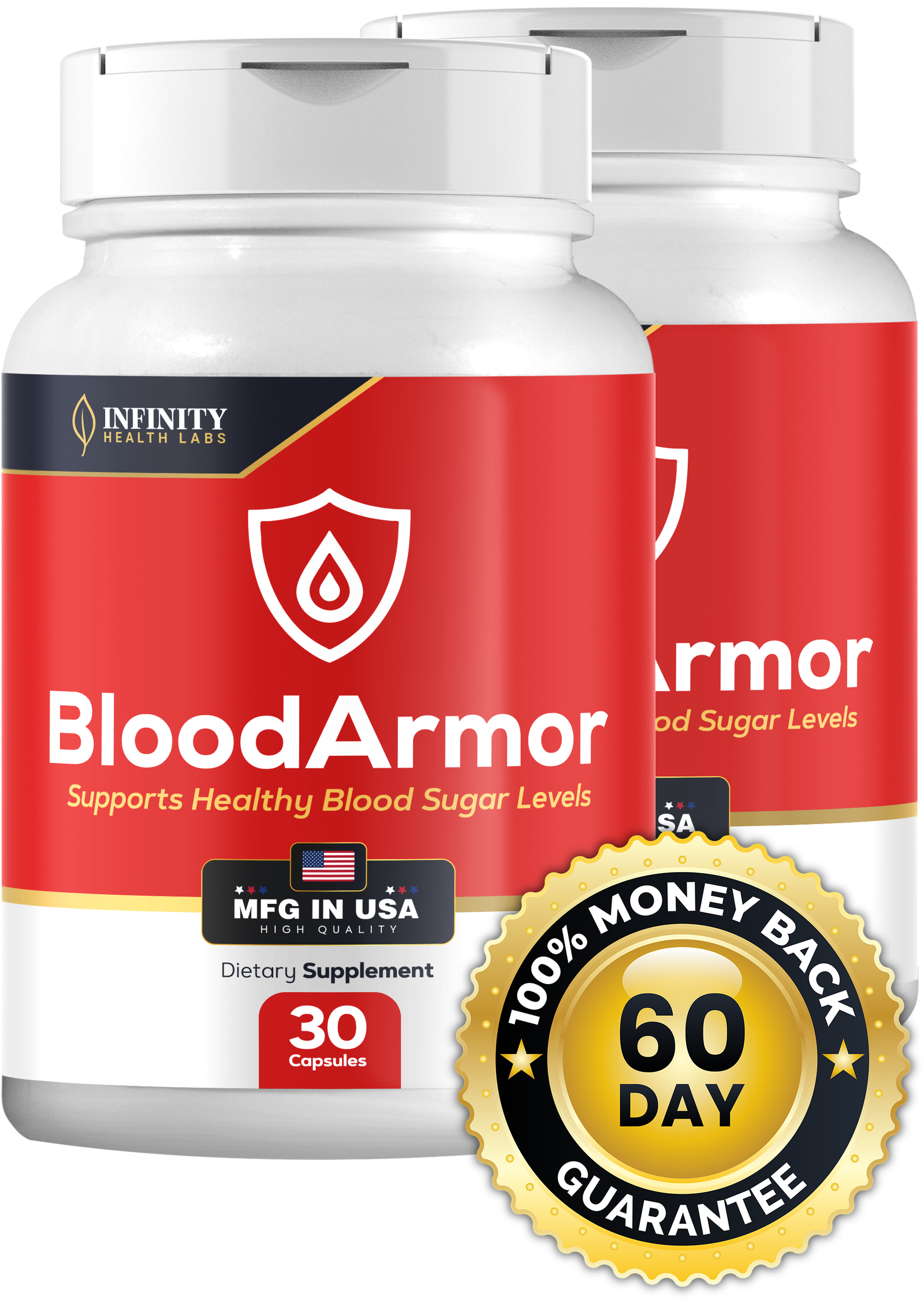
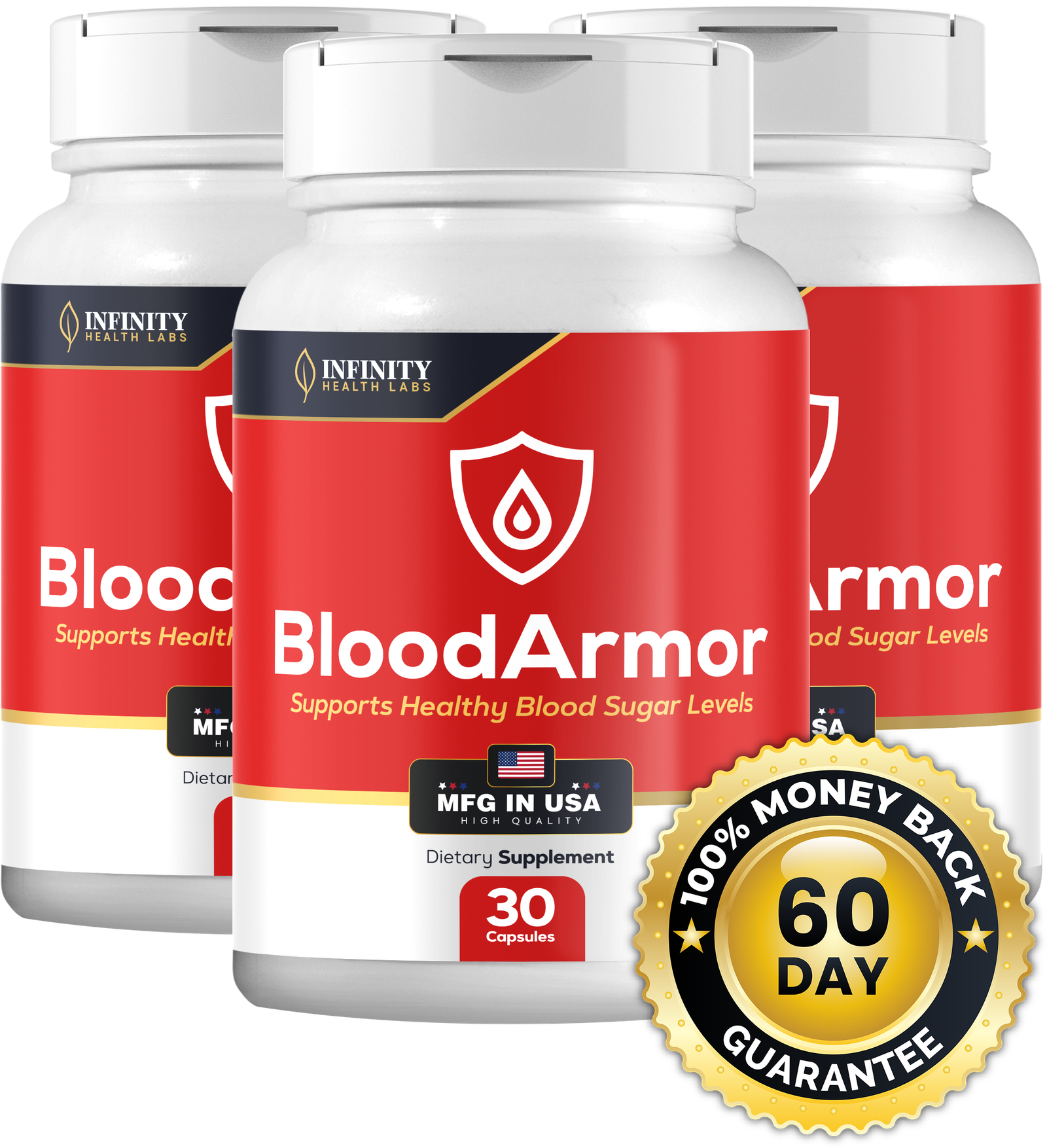
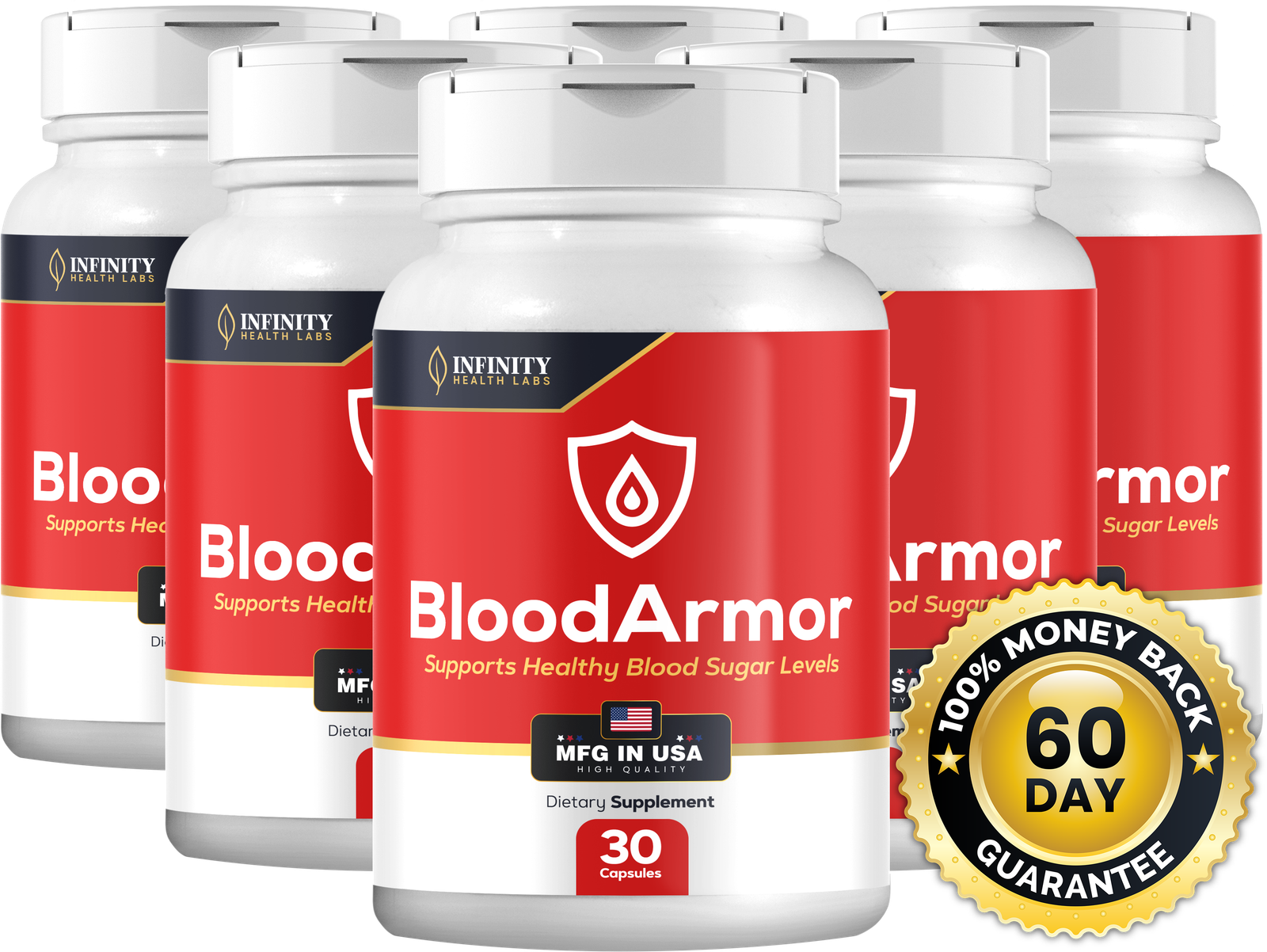
Blood Armor appears in the supplied advertising as a dietary supplement available through a merchant offer. The image provided for this project presents two-, three- and six-bottle configurations. These configurations are merchant advertising, not independently established statements about current availability or price.
The precise formula, dosage instructions, responsible seller and current conditions of sale must be checked against the product's current official labeling and live checkout. Until that verification is completed, this catalog page does not list unconfirmed ingredient amounts, imply product testing or attribute specific clinical outcomes to Blood Armor.
Readers can use this page to assess the questions a responsible purchase involves: Is the product suitable for the intended purpose? Is its label sufficiently transparent? Do studies concern the actual preparation or merely the name of an ingredient? Can the seller's returns and shipping policies be found and understood? These questions remain important even when a package looks attractive.
Ingredient Transparency and Supplement Facts
The Supplement Facts panel is a fundamental document for evaluating any supplement. Look for the serving size, servings per container, individual active ingredients, amount per serving and other ingredients. When a proprietary blend appears, assess whether the individual quantities are sufficiently clear to compare with published research.
Botanicals are especially variable: a plant's species, part used, extract ratio and standardization can change which compounds appear in the finished preparation. Minerals may be supplied in different chemical forms, and the listed elemental amount may differ from the total compound weight. More ingredients do not automatically imply stronger performance.
Product labels also need practical scrutiny. Review directions, warnings, allergen information, responsible-party identification and any batch or lot detail. For supplements marketed around glucose-related outcomes, consult a clinician before combining the product with prescription glucose-lowering medication. A marketer's statement that an ingredient is natural is not an assurance of harmlessness.
For independent background on ingredient research, see MPS's ingredient-evidence guide and the more specific studies linked from it.
Commonly Researched Ingredients and Their Limits
Berberine, chromium, cinnamon and magnesium frequently appear in discussions of blood-glucose supplements. They are discussed here as examples of the category; their presence in Blood Armor is not verified. This distinction is essential when assessing any product with an incomplete or unconfirmed label.
Berberine
Some published reviews of human trials report potentially favorable glucose-related measurements, but study designs, supplement formulations and participant characteristics vary. Results should not be generalized to an unstudied multi-ingredient commercial formula. Berberine can also cause digestive side effects and interact with medications, and is not appropriate during pregnancy or breastfeeding.
Chromium
Chromium is an essential trace element. Human trials of supplementation for diabetes-related outcomes have produced inconsistent results. Correcting a confirmed nutrient deficiency is not the same proposition as claiming that additional chromium routinely improves glucose control.
Cinnamon
Cinnamon studies differ by botanical material, dose and preparation. Systematic reviews reach different conclusions, and some preparations, especially cassia cinnamon, can provide coumarin exposure that merits attention in people with liver concerns.
Magnesium
Magnesium participates in numerous normal physiological processes. Evidence about supplementation and glucose outcomes depends partly on nutritional status and study design. People with impaired kidney function require particular care when considering mineral supplements.
These examples establish why formula verification, ingredient form and interactions are necessary. None is proof that Blood Armor itself achieves a particular clinical endpoint. Further context is available from NCCIH's research overview and NIH's magnesium fact sheet.
Blood Armor Product and Package Gallery
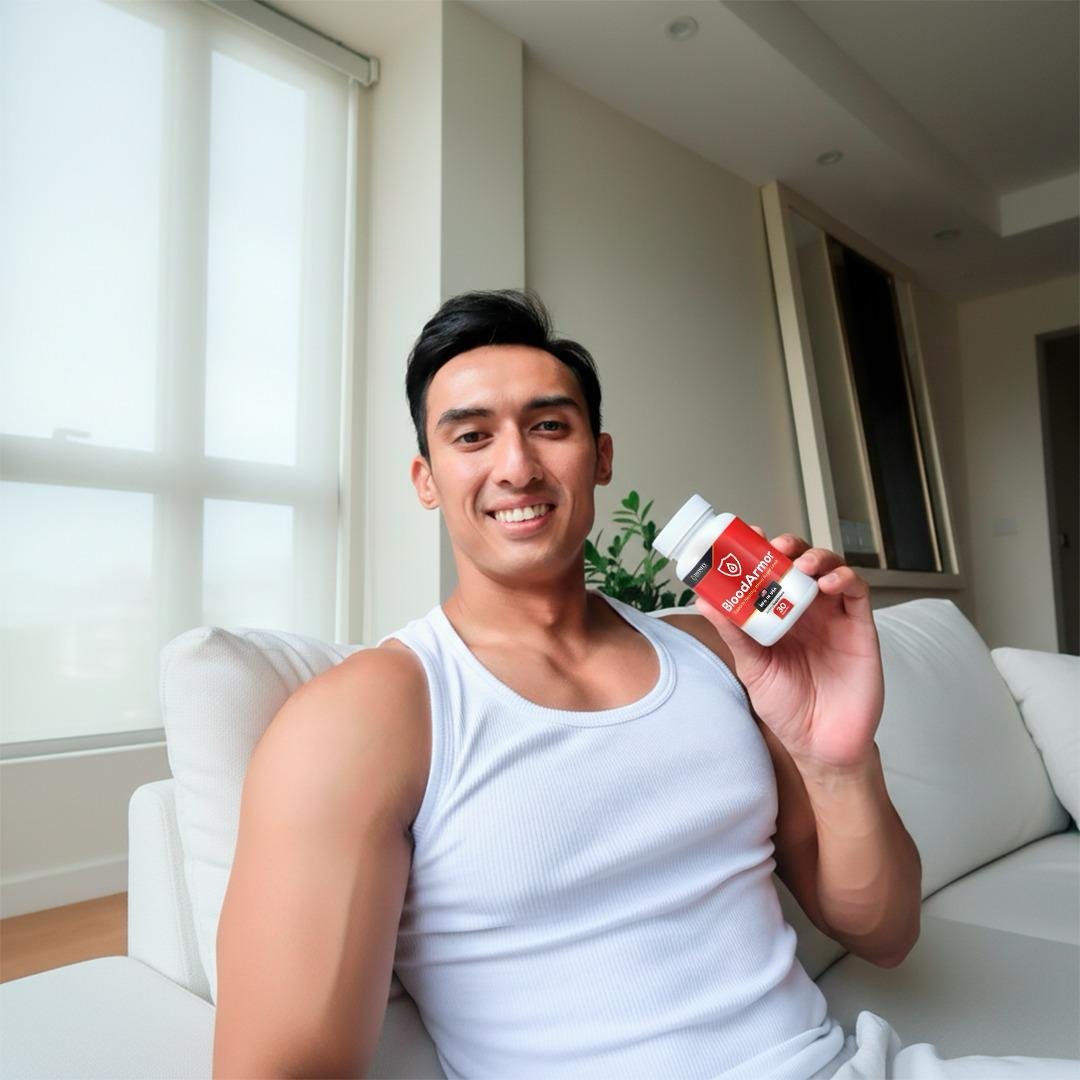
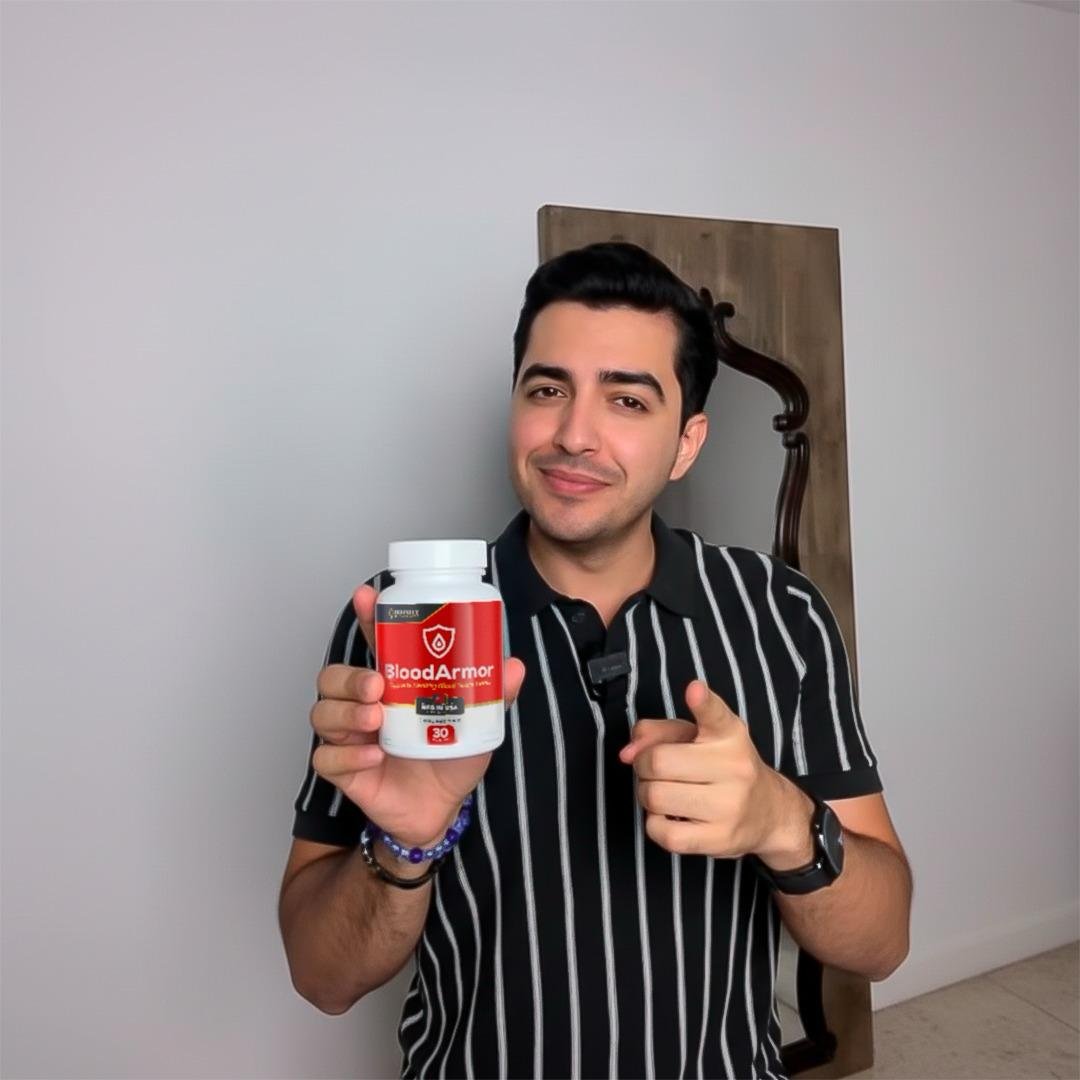
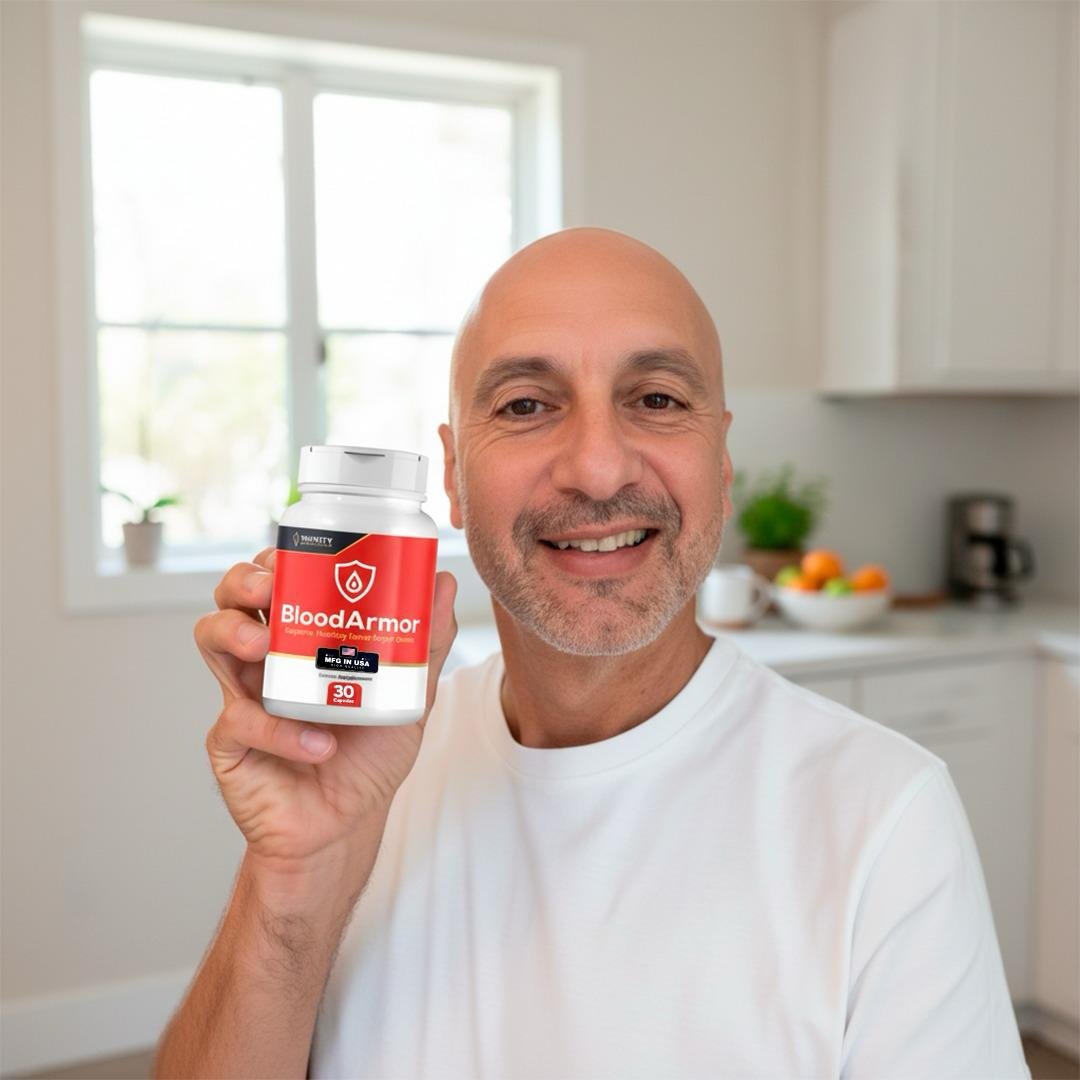
Review supplied product photographs and bottle-package images while keeping factual product comparisons separate from promotional claims.

Compare Package Quantities and Value
A package comparison should use a consistent basis: bottle count, servings per bottle, current total payment, shipping, taxes where applicable, and eligibility for returns. The approved promotional graphic shows two-, three- and six-bottle options, but its advertised amounts are not guaranteed to remain current.
Cost per serving is often more informative than a headline percentage discount. Calculate this only after confirming the present checkout amount and label serving count. A multi-bottle purchase may reduce per-unit cost but also requires a larger upfront expenditure and may create additional unused inventory if a buyer decides the product is unsuitable.
A refund policy matters only to the extent that it applies to the intended purchase. Check the actual start date of the refund period, whether opened containers are eligible, shipping responsibility and any required return authorization.
Compare upfront expenditure and the quantity supplied.
Check cost per serving against other confirmed options.
Assess long-term commitment and return eligibility.