Begin with the buyer’s actual question
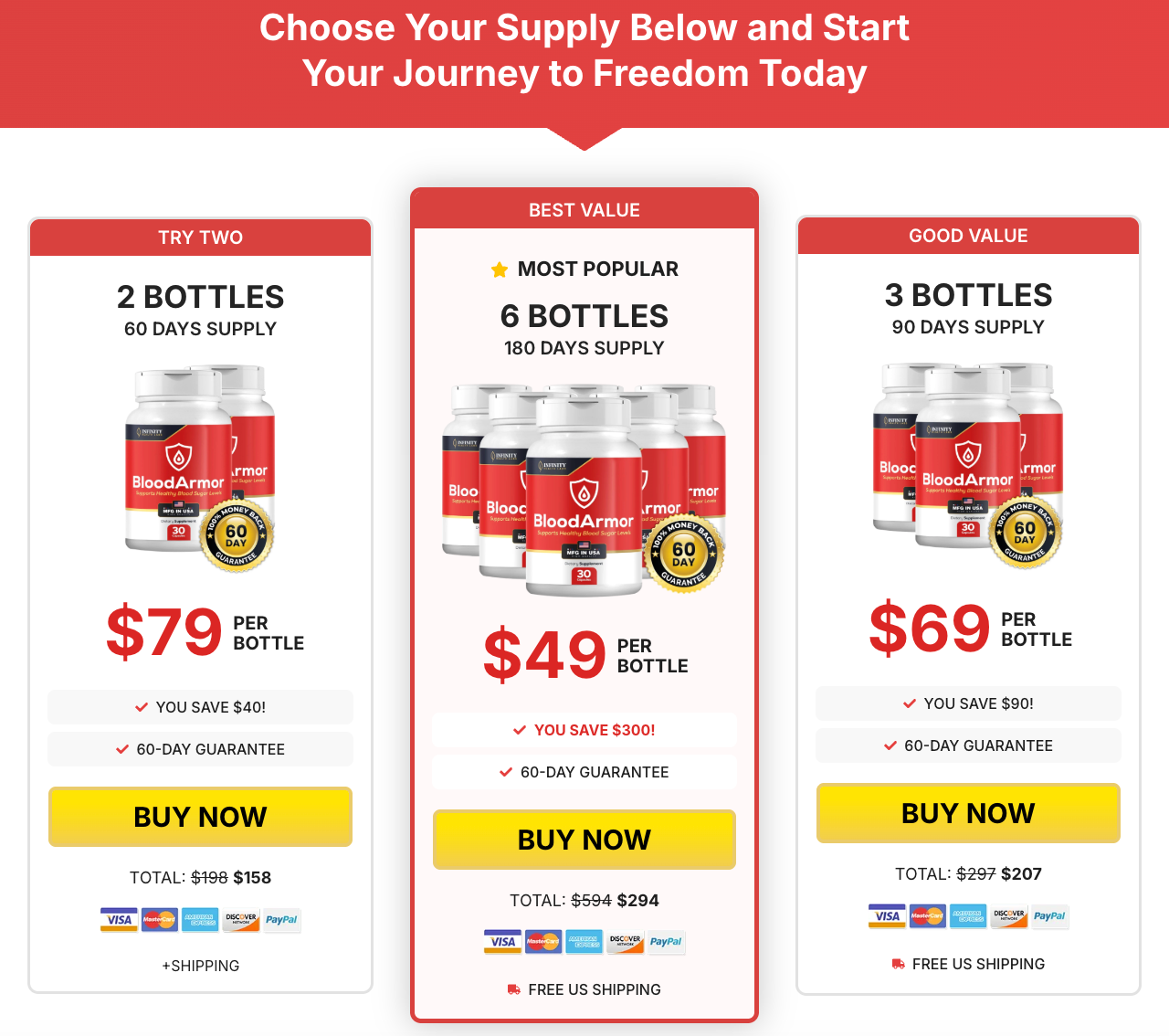
For a person comparing blood-sugar wellness products, the central task is not to count botanical names but to determine whether a formula can be understood and responsibly evaluated. A transparent product should identify its serving size, individual constituents, relevant amounts and any warnings. A long ingredient list can be less useful than a short list with clearly disclosed forms and doses. The Blood Armor promotional artwork in this project illustrates package choices, but does not establish the exact composition of its current formula. Consequently, this guide offers a practical label-checking method rather than inventing Blood Armor ingredient quantities.
Read the Supplement Facts panel systematically
Start with serving size and servings per container. The former establishes the quantity to which each listed amount relates; the latter helps determine how long a bottle may last at label directions. Record the amount of every listed dietary ingredient, its units, and whether the amount is a total compound or the relevant active constituent. Then examine the other-ingredients statement for fillers, capsule materials and potential allergens. Photograph or save the exact label version before comparing sellers, because formulations can change. A package graphic is not a substitute for a readable Supplement Facts panel.
Understand botanical identities and extracts
Two products naming the same herb may not contain comparable preparations. Species, plant part, extraction solvent, extract ratio and standardization can alter chemical composition. For instance, a cinnamon supplement could contain different species and amounts of coumarin; the botanical name alone does not resolve safety questions. A standardized botanical extract should identify the constituent and measurement basis where that is material to the claim. When this information is absent, avoid inferring equivalence to a trial that investigated a specifically characterized preparation.
Separate studied ingredient amounts from formulas
If research examines an ingredient at a particular dose in a particular population, that result concerns the tested intervention. It does not prove that a commercial blend containing a smaller amount, an undisclosed dose or additional ingredients will produce the same outcome. Human studies may measure fasting glucose, HbA1c, insulin sensitivity or unrelated outcomes. These endpoints are not interchangeable. Catalog comparisons should therefore record evidence type, measured outcome, preparation and dose beside each relevant ingredient rather than applying a blanket 'clinically proven' label to the bottle.
Check claims about testing and manufacturing
The product’s manufacturer or distributor may make claims about Good Manufacturing Practice compliance, third-party testing or the absence of particular ingredients. Such statements require suitable documentary support. A manufacturing claim concerns production controls; it does not establish clinical effectiveness. Likewise, an independent test of ingredient identity or contamination should be understood according to what was actually tested and when. FDA does not approve dietary supplements as treatments before marketing. Do not use an 'FDA approved' badge to imply otherwise. Verify certificate issuer, scope, facility and expiration when applicable.
Assess interactions before interpreting possible benefits
Some substances discussed in blood-glucose supplement research can interact with prescription medications or influence glucose-related measurements. Consumers using insulin or other glucose-lowering drugs should obtain individual clinical advice rather than combine products based on advertising. Kidney and liver conditions, pregnancy and breastfeeding may also change the safety assessment. The current verified Blood Armor label is required for any product-specific interaction analysis. Until available, broad assumptions that the product is natural, safe for everyone or compatible with medication would be unjustified.
Use a repeatable side-by-side buyer checklist
Create one comparison row per product with verified fields: exact label date or edition, serving size, servings per bottle, named ingredients, disclosed quantities, extract specifications, warnings, independent testing documentation, merchant contact and price per serving. Add a separate evidence column indicating whether a human study addresses the ingredient or actual finished product. A blank cell should be represented as not confirmed—not as zero or as a favorable assumption. This structured comparison is more decision-useful than copying advertising phrases across brands.
Blood Armor next steps and complementary research
Before placing an order, compare the merchant’s current label with the advertisement, then review the current checkout and return policy. If the formulation cannot be verified, the uncertainty should remain explicit. For independent discussion of ingredient studies, use the Male Performance Supplements ingredient-evidence guide. For the package decision itself, consult the MenPS buying-options guide. The seller-authenticity guide addresses a different question: whether you can identify the party taking payment and the conditions governing an order. These are complementary decisions, not duplicate product reviews.
When a supplement label is incomplete
A useful consumer record separates verified details from assertions that still need checking. In the first column, transcribe exactly what the seller or manufacturer lists. In the second, identify which details can be compared with authoritative ingredient evidence. In the third, record questions still unanswered, such as the exact botanical species, a proprietary blend amount, a warning statement, or a source for a certification claim. Do not translate missing information into a positive score. The source of each statement matters: a photograph or reseller description can establish what is advertised, while a valid current label is needed to establish the stated formula. Independently published human research may establish findings for a studied intervention, not for a newly assembled product that has not been evaluated. Keep this distinction prominent when moving from ingredient pages to the Blood Armor purchase offer. A buyer who cannot locate a readable and current panel can request it from the merchant before making a larger order. This simple verification sequence provides more useful information than repeating generic ingredient-benefit language.