An official-looking page is not proof of authenticity
Product-related domains, advertisements and affiliate links may lead to genuine merchants, resellers or unrelated imitators. The domain spelling alone does not establish who manufactures the product or who receives payment. Blood Armor shoppers should look for a clearly identified responsible business, transaction terms and customer-support channels. This guide is intended to help verify a route to purchase; it does not assert that any particular third-party website is the sole authorized merchant unless such authorization can be substantiated by the responsible seller.
Identify the party responsible for the transaction
At checkout, inspect the merchant or payment processor named in transaction disclosures. A recognizable payment gateway icon does not independently verify the supplier. Read the billing descriptor, sales terms and support information before submitting an order. When an affiliate link redirects to a merchant, the affiliate may receive a commission but ordinarily does not control dispatch or return decisions. Keep these roles separate. Save the order confirmation and the seller’s contact details so the responsible party can be contacted if a problem arises.
Compare product identity with current labeling
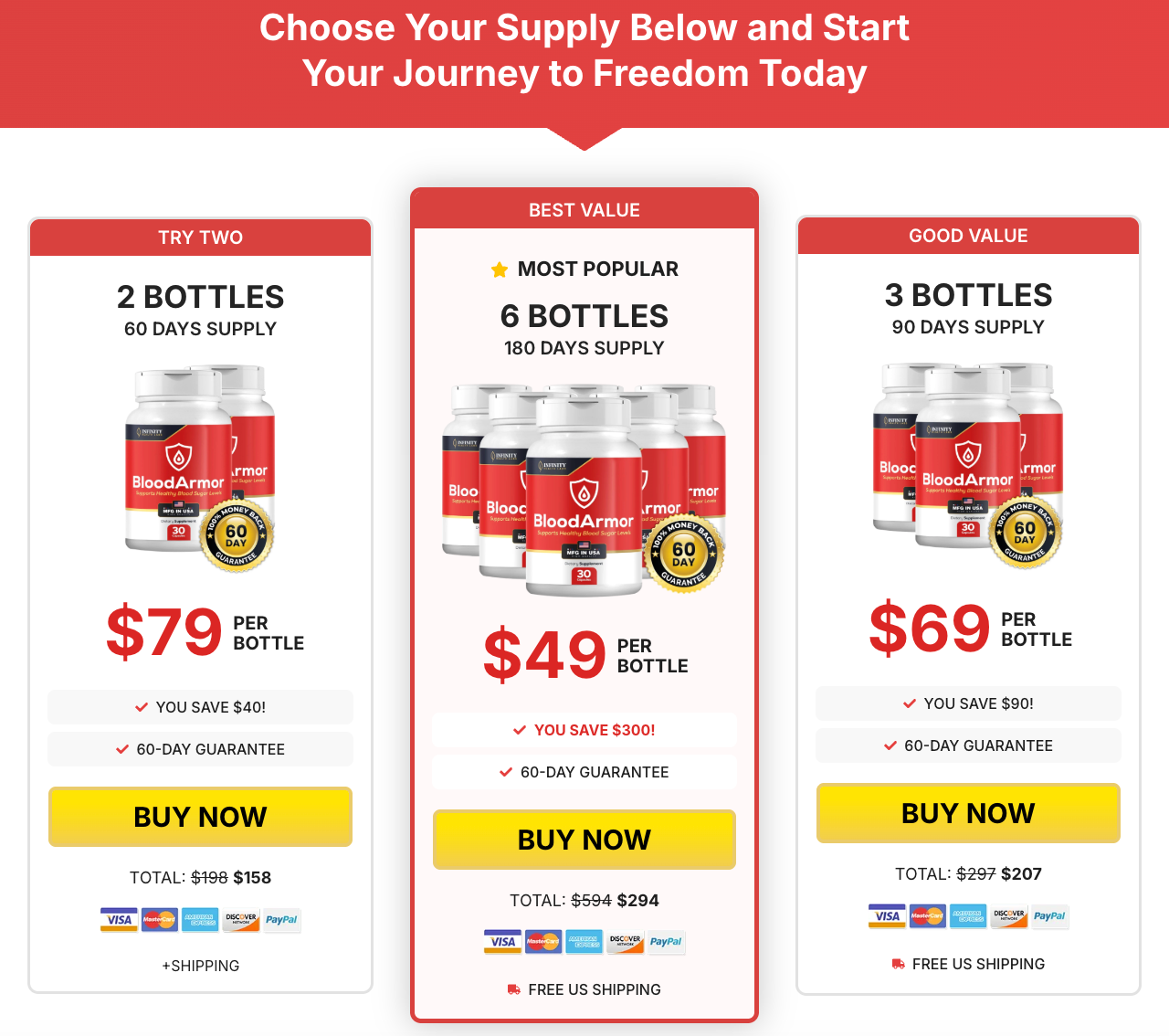
Check the product name, package images, Supplement Facts details, manufacturer or distributor identifier and lot information where accessible. Product photos can be useful visual references, but they may show older packages. An identical-looking label is not by itself proof of origin. If the actual formula or responsible party cannot be confirmed, do not claim the product is independently authenticated. Formal certification claims should be matched to documentation from the actual certificate issuer, rather than accepted solely from badges in marketing material.
Examine the final URL and payment terms
The important destination is the checkout where payment will occur, not only the address visible on a referring article. Review whether the connection is secure, whether a complete transaction summary appears and whether the order is one-time or recurring. Look for hidden additional items, shipping charges or optional services. Keep payment details within the intended checkout and avoid sending financial information through unsolicited email requests. A secure connection protects data in transit but does not independently establish that every product or health claim is accurate.
Refund and customer-service verification
Locate written policy documents before purchase and confirm who administers returns. Look for an accessible support email or other authentic method, deadlines, proof-of-purchase requirements, and whether opened items qualify. Promotional images can refer to a satisfaction period, but exact eligibility remains governed by the seller’s current conditions. Do not promise refunds or specific shipping windows based only on a banner. If a policy cannot be found or seems inconsistent, seek clarification before ordering.
How to assess customer experiences responsibly
Customer reviews may reveal patterns concerning service, shipping, packaging or refund communication. They cannot establish clinical effectiveness, and an unverified testimonial should not be presented as the actual experience of a known customer. Watch for repetitive wording, unverifiable identities and claims of dramatic disease reversal. Reviews should be interpreted with attention to source reliability, recency, potential commercial incentives and whether any complaint has been resolved. A small set of anecdotes cannot replace documented quality controls.
Distinguish manufacturing quality from medical approval
Dietary supplements are subject to US regulatory requirements, but they are not preapproved by FDA as treatments for diabetes. Statements suggesting 'FDA approved Blood Armor' require correction. Claims about manufacturing facilities or Good Manufacturing Practices should be verified according to their precise scope. A facility-quality statement cannot establish that a supplement improves HbA1c or prevents complications. Consumers should examine seller identity, product labeling, evidence and safety as separate questions.
A practical pre-purchase authenticity checklist
Before clicking the final payment button, confirm the responsible merchant, product description, current package quantity, itemized total, billing terms, shipping region, refund procedure and direct support method. If any essential element is absent, pause rather than guessing. For additional product comparison use the MenPS package-choice page. For the distinction between ingredient-level evidence and finished-product efficacy, read MPS's clinical-evidence guide. This separation provides a clear next step whether the reader ultimately purchases Blood Armor or selects another option.
What to do when a seller claim cannot be verified
When a website uses words such as 'official', 'exclusive', or 'authorized', record exactly who makes the claim and look for a corresponding statement from the responsible manufacturer or distributor. Do not treat an affiliate-page title, a similar-looking domain name, or a checkout badge as independent confirmation. Compare the product's displayed responsible-party information, support address and return terms with the actual checkout. If an apparent mismatch exists, ask the merchant for clarification through a confirmed channel before submitting personal or payment information. Keep screenshots of the final order summary and policies, but avoid sharing them publicly if they contain personal details. If a shipment arrives with different labeling from what was advertised, retain the packaging and order documentation and contact the seller about the discrepancy. A reliable buying guide reports unresolved identity questions as unresolved, rather than asserting fraud or authenticity without evidence. These precautions apply broadly to dietary supplements and do not imply a specific finding of misconduct involving Blood Armor.