Blood sugar wellness · supplement catalog
Supplement Testing, Certificates of Analysis and Quality Proof
Learn how to examine supplement testing claims, certificates of analysis and manufacturing documents before buying Blood Armor or comparable products.
Compare current merchant options
Review Blood Armor Purchase Options
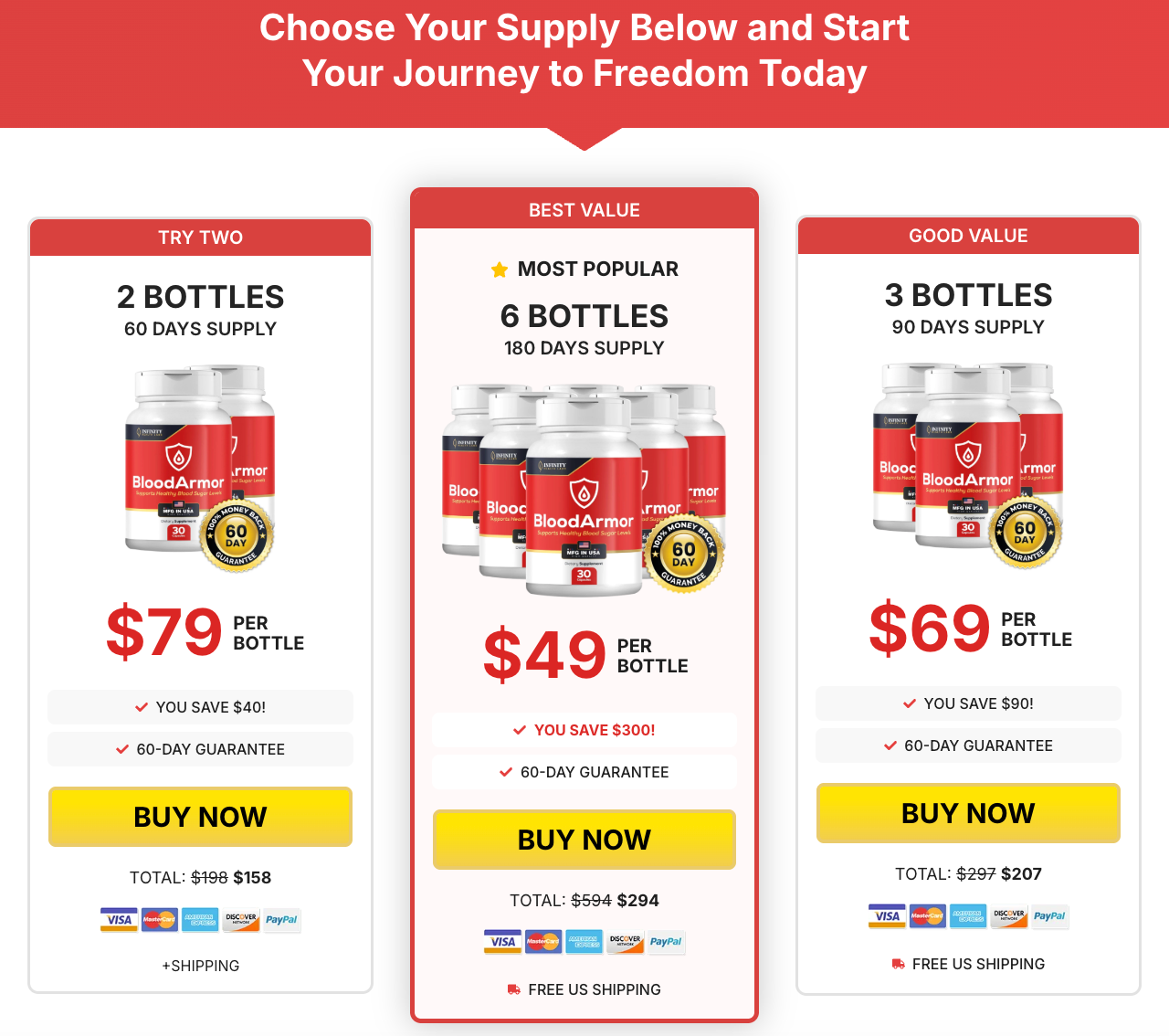
Explore the advertised package configurations and check the seller's current terms, total price, shipping and return eligibility before ordering.
Check Current OfferAffiliate link · Prices and terms must be confirmed at merchant checkout.
Understand what third-party testing can establish
Independent testing can provide useful information about a defined sample and the characteristics tested. Depending on the test, a report might address identity, ingredient quantities, microbial contamination or heavy-metal limits. It does not automatically establish the clinical effectiveness of a dietary supplement.
Ask precisely what was tested, by whom, according to which methods and against what acceptance criteria. A logo saying tested or quality checked is not equivalent to a traceable laboratory result. For Blood Armor, no current batch-specific independent test certificate has been established from the supplied promotional photographs alone.
Read a certificate of analysis carefully
A certificate of analysis, often abbreviated COA, may contain the tested product identifier, lot number, analysis date, methods, specification limits and measured results. These fields matter because a report about one lot or a raw ingredient cannot automatically be treated as proof about every finished bottle sold later.
A meaningful review should match the name, lot or batch, analytical scope and manufacturer identity to the purchased product. If the COA is inaccessible or missing identifying details, state that verification is incomplete instead of treating a generic downloadable report as conclusive. A buyer can request clarification from the responsible seller before purchase.
Distinguish ingredient testing from finished-product testing
A supplier may test an individual raw material before it reaches a manufacturing facility. That can be valuable, yet the final supplement may contain additional materials and pass through processing, mixing, packaging and storage steps. Finished-product testing addresses different questions from testing a raw ingredient in isolation.
When reviewing a testing claim, ask whether the document relates to incoming ingredients, in-process controls or the packaged supplement itself. Also check whether the analytical panel includes the properties most relevant to the product category. Do not convert a narrow report into a broad claim that the complete formula is pure, safe or effective.
Know what GMP claims mean
Good Manufacturing Practice requirements address controls for producing dietary supplements, including aspects of identity, purity, strength, composition and contamination. A GMP-related statement should identify what facility or process is covered, who assessed it and whether the documentation is current.
GMP compliance is not the same as FDA approval of a finished dietary supplement. In the United States, dietary supplements generally are not FDA-approved before marketing. Therefore a site should never display an FDA Approved dietary-supplement badge or infer that FDA oversight constitutes clinical endorsement of Blood Armor.
Check laboratory identity and accreditation scope
Laboratory accreditation can help assess competence for particular testing activities, but not all accreditation marks apply to every possible analyte or product. An ISO/IEC 17025 reference, for example, must be understood in relation to the testing scope and the issuing accreditation body.
The strongest review confirms the laboratory’s real identity, the validity of its accreditation and whether the relevant procedure falls within that scope. A certificate photograph on a sales page can be informative only if the underlying credential and its applicability are independently checkable. Do not invent accreditation or inspection claims for Blood Armor.
Compare current merchant options
Compare Current Package Offers
Explore the advertised package configurations and check the seller's current terms, total price, shipping and return eligibility before ordering.
Check Current OfferAffiliate link · Prices and terms must be confirmed at merchant checkout.
Blood Armor Product and Buying Guides
Overview · Formula · Packages · Official seller · Product quality · Shipping and returns · Supplement comparison · Use and suitability · Price per serving · Reviews and complaints
Before you buy
Choose with clearer product information
Review the current seller's pricing, delivery and refund terms, and consult a qualified professional about any relevant medications or medical conditions.
Check Blood Armor Offer ↗Interpret contaminant testing with context
Heavy-metal and microbial tests can provide important information, but the significance of a reported value depends on units, method sensitivity, specification limits, intake assumptions and applicable requirements. A result reported as below a laboratory detection threshold has a narrower meaning than a general assertion of zero contamination.
Similarly, a passing result for a named contaminant does not prove that all possible contaminants were tested. Buyers should avoid absolute interpretations such as entirely free of contaminants or universally safe. Clinical suitability also depends on the person’s medications, condition and potential ingredient interactions, which are beyond the remit of a conventional COA.
Separate potency and identity from clinical outcomes
An analysis showing that a bottle contains the amount of an ingredient listed on the label can strengthen confidence in label accuracy. But a correct dose still may not have convincing evidence for a promised outcome. Testing answers composition questions, while clinical studies address effects in defined populations.
For blood-sugar supplements, a study on berberine, chromium or cinnamon cannot automatically verify the clinical effect of another brand’s proprietary mixture. Use the MPS clinical and ingredient resources to understand research scope; use MenPS product pages to evaluate what the merchant discloses about formulation and testing.
Build a document-verification workflow
Begin with the current Supplement Facts panel and the seller or manufacturer identity. Then collect any lab report, certification statement or production-quality document. Compare names and dates, verify issuer details and record precisely which claim each document supports. Unknowns should be displayed as unknowns, not quietly converted into favorable ratings.
This workflow produces practical information gain: a buyer can compare disclosed testing coverage, traceability and evidence limitations across products. It is more meaningful than choosing a formula because one graphic displays several unspecified badges. Claims such as third-party tested should be attributed and tested against documents before publication.
Apply the checklist to Blood Armor
The supplied Blood Armor product and offer images are useful for identifying the advertised product and bottle configurations, but they do not by themselves authenticate manufacturing certifications or demonstrate current independent laboratory findings. The label and supporting documentation must be checked separately.
Before ordering, confirm product identity, applicable test evidence, current seller details, return terms and suitability for any medicines or medical conditions. A useful testing document can inform product quality, but it cannot replace medical evaluation or prove that Blood Armor treats diabetes or improves HbA1c.
Compare current merchant options
Explore Blood Armor Before You Buy
Explore the advertised package configurations and check the seller's current terms, total price, shipping and return eligibility before ordering.
Check Current OfferAffiliate link · Prices and terms must be confirmed at merchant checkout.