Start with the actual order destination
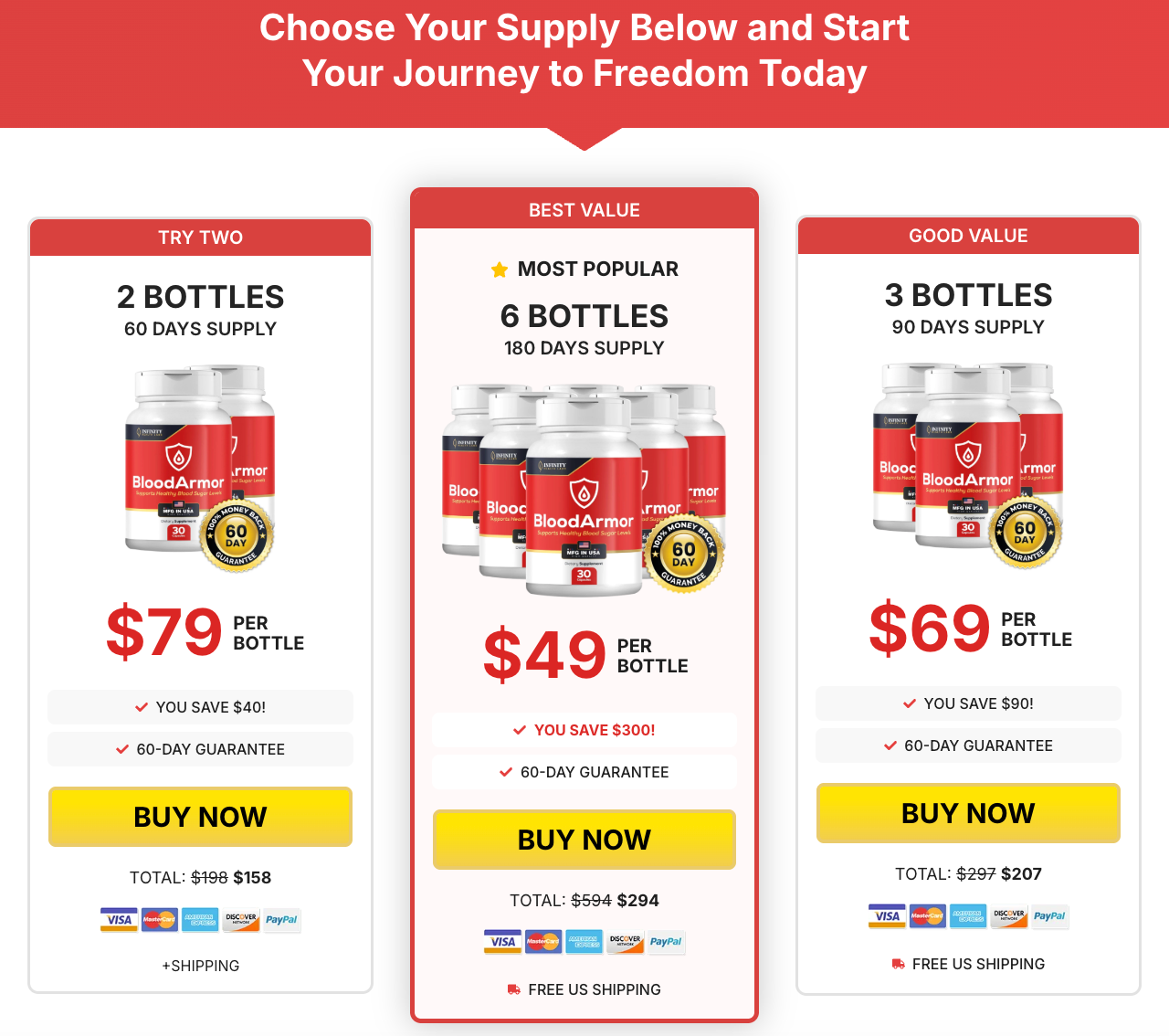
A product banner may display an attractive package offer, but it does not establish whether a particular postal destination is supported or what the final delivery cost will be. For Blood Armor, the advertised two-, three- and six-bottle configurations need to be checked on the live merchant checkout. The buyer should identify the legal seller accepting payment, the delivery address requirements and the published policies associated with that transaction. This is commercial decision support, not a representation that any shipping option or guarantee has already been verified. Costs and eligibility may vary by destination and by the exact merchant offer.
Separate processing from transit estimates
Delivery timelines normally involve at least two intervals: the time before the parcel is dispatched and transit after carrier acceptance. A banner showing a fast shipping claim may refer to either interval. Ask whether an estimate is a guaranteed deadline, a typical range or merely a promotional statement. Carrier scans and tracking availability may also differ across destinations. For international orders, customs review can introduce delays outside ordinary transit estimates. Do not publish invented dispatch times, carrier names or delivery windows for Blood Armor. Confirm them on the current checkout and written shipping policy.
Calculate the complete delivered price
A valid package comparison uses the final payable amount, not just the prominent per-bottle price. Include mandatory delivery charges, tax displayed at checkout and any disclosed fees. International buyers should also check whether duties or import taxes may be assessed upon arrival. Package quantity can affect shipment weight, total purchase value and refund exposure. The lowest advertised unit cost may not be the lowest risk for a buyer who is trying the product for the first time. Record the billing currency and whether any conversion is handled by the payment provider. Avoid implying that shipping is free without a documented current offer.
Read the refund clock carefully
Guarantee language can use different starting points, such as order date, dispatch date or delivery date. Those differences materially alter the time available for a return. Read the complete policy to determine whether an authorization is required, whether bottles may be opened and whether packaging or proof of purchase must be retained. Clarify where products must be sent and which party pays return postage. The supplied Blood Armor offer graphic displays a guarantee emblem; this is merchant advertising, not a verified statement of the operative terms. The current policy must govern the final page.
Distinguish cancellation, returns and refunds
Cancellation before dispatch, physical return after delivery and repayment following approval are separate consumer processes. Each can have its own deadlines and conditions. A merchant may require contact before the parcel is returned, or may have exceptions for damaged or incorrect goods. Refund processing time is not necessarily the same as the date the merchant authorizes the refund; payment-network timing may intervene. Readers should avoid assuming a purchase is risk-free merely because a guarantee is advertised. Keep a written record of any support response and the policy version available during purchase.
Document a purchase responsibly
Save the final checkout summary, transaction reference, seller identity, item quantities, shipping address, displayed terms and customer-service contact. If a confirmation email does not arrive, contact the merchant through a verified channel before attempting repeat payment. For a delivery dispute, record the carrier tracking details and dates. Avoid posting order records that contain personal or payment details publicly. Where the package received differs materially from what the order specifies, photograph the external package and labels to support a factual support request. These practices apply generally and do not imply that Blood Armor has a documented delivery problem.
Know what to ask before an international order
Check whether the seller accepts the destination country, whether delivery is tracked, which carrier or service is used, and who is responsible for import compliance. Rules governing supplement importation differ by jurisdiction and can depend on ingredients and intended use. A US checkout should not be represented as a universal international offer. Global buying questions that require actual local regulatory and logistics evidence may justify a dedicated country page later; replacing the country name while repeating this text would not add value. If merchant policy data cannot be verified, mark the local detail as unresolved.
Apply a short pre-order decision checklist
Before paying, confirm product identity and package quantity; final delivered total; dispatch and delivery conditions; full refund procedure; support contact; and the suitability of the ingredients for your circumstances. Compare these facts with the separate MenPS buying-options and official-seller guides. Medical interactions and any promise of improved glucose outcomes require independent evaluation, not an assumption based on shipment or guarantee details. The current seller offer remains the place to verify transactional terms. Clear uncertainty is more useful than an outdated promise that later proves unenforceable.