
ProstaVive
Prostate-support product guide
View ProductCompare current products with disclosed caffeine amounts, serving sizes, and formula context.
Add Men’s Performance Supplements to Google Preferred Sources or open this page in your preferred AI tool.
Use the table to compare disclosed amounts, then follow the MPS evidence link for interpretation of dose and safety.
Explore the complete published product catalog. Each card opens the relevant MenPS product guide.
Prostate-support product guide
View Product
Nitric-oxide support guide
View Product
Prostate and urinary-support guide
View Product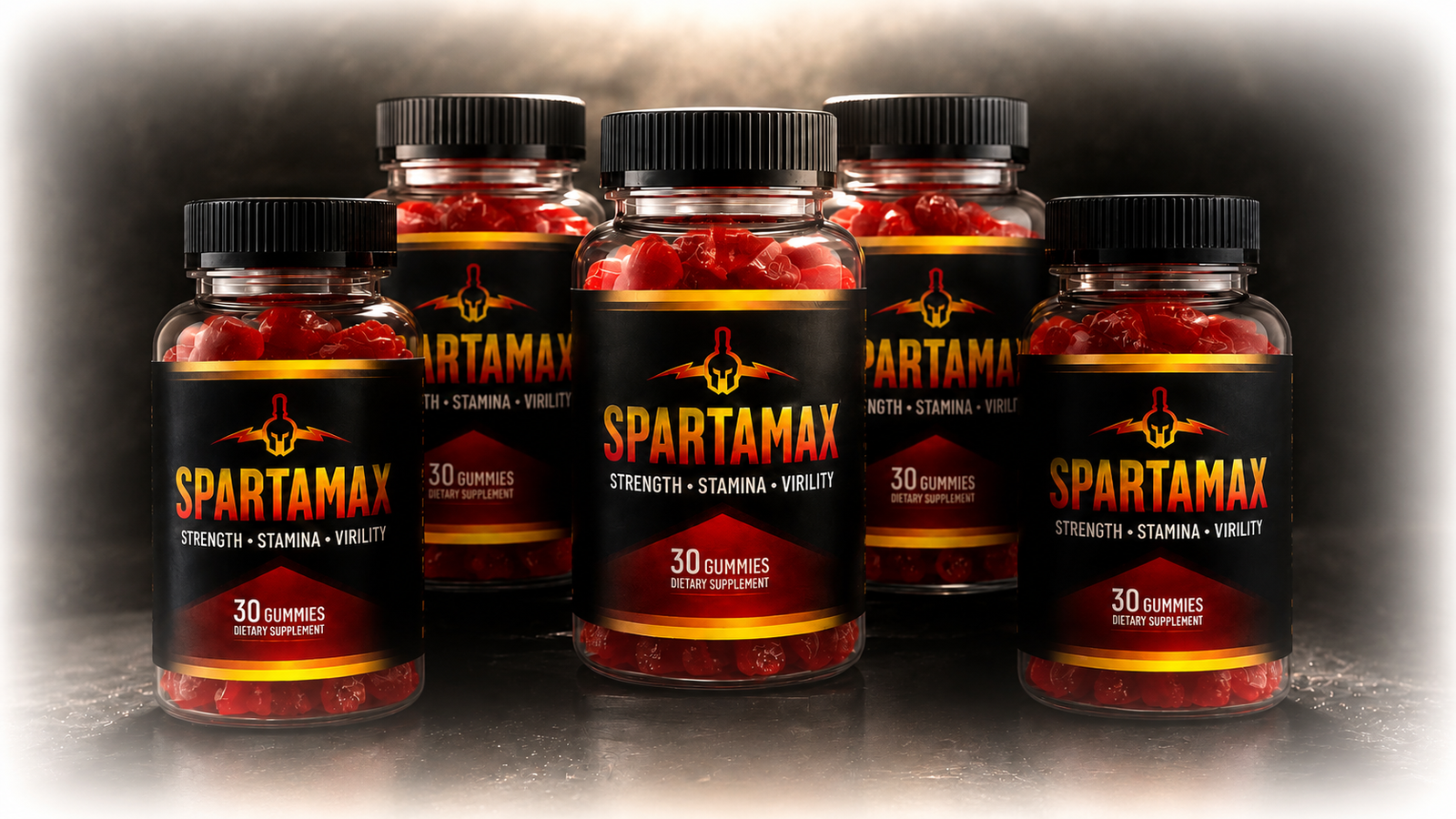
Men’s performance product guide
View Product
Oral-health supplement guide
View Product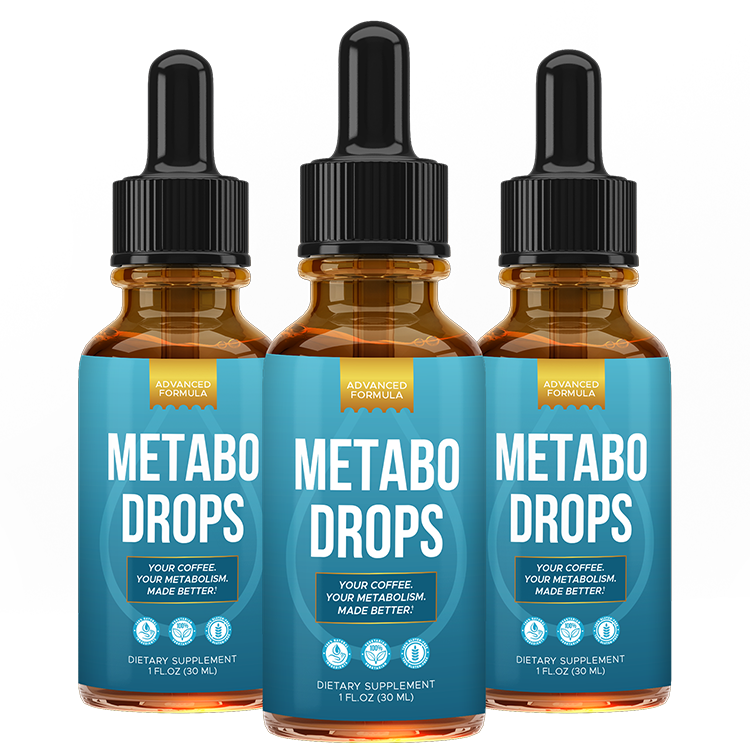
Coffee-added metabolic-support guide
View Product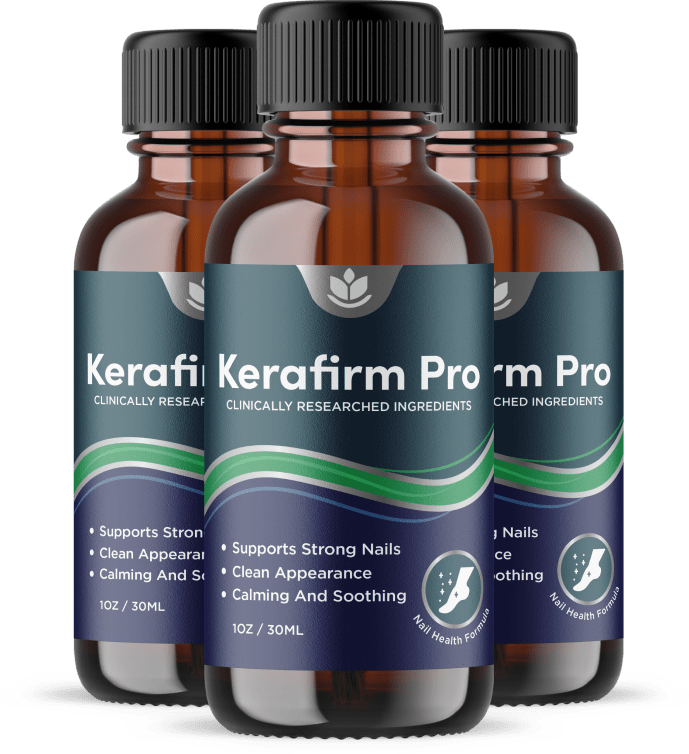
Topical nail-care product guide
View ProductMetabo Drops is designed for use with coffee. Review the product guide separately from the independent caffeine evidence.
Use this point as a practical comparison factor rather than as a guarantee of outcome.
Use this point as a practical comparison factor rather than as a guarantee of outcome.
Use this point as a practical comparison factor rather than as a guarantee of outcome.
Eight source-traced products are included in this Stage 6 snapshot. Inclusion is not an endorsement, ranking, or proof of efficacy.
| Product | Brand | Caffeine mg/serving | L-theanine mg |
|---|---|---|---|
| BULK Pre-Workout | Transparent Labs | 200 | Unknown / not disclosed |
| BULK Black Pre-Workout | Transparent Labs | 350 | Unknown / not disclosed |
| Pre-Workout Elite | Kaged | 388 | Unknown / not disclosed |
| Pre-Workout Sport | Kaged | 188 | Unknown / not disclosed |
| Gold Standard Pre-Workout | Optimum Nutrition | 175 | Unknown / not disclosed |
| C4 Original | Cellucor | 200 | Unknown / not disclosed |
| Pre-Workout Cosmic Stardust | Alani Nu | 200 | 200 |
| PRE | NutraBio | 350 | Unknown / not disclosed |
Last verified for this production record: 18 August. Time-sensitive formula, certification and availability fields must be rechecked before deployment. Missing values remain unknown rather than being treated as zero.
Caffeine amount per serving is the most immediately useful normalized field for products in this directory. Current pre-workout formulas can vary from relatively modest amounts to very high stimulant loads. MenPS records the manufacturer's disclosed amount without deciding that a larger number is better. The MPS evidence layer explains why performance benefits occur at moderate doses and why higher exposure can increase side effects. This separation lets the catalog remain factual while still helping users identify products that fit their stimulant tolerance.
Some products define one scoop as a full serving; others allow half servings or multi-scoop protocols. A caffeine number means little if the user does not understand which serving it belongs to. The directory should therefore preserve serving size and any relevant split-serving instructions where they can be verified. Users comparing two products should avoid mixing a half-serving value from one with a full-serving value from another.
Two products can both contain 200 mg of caffeine while differing substantially in citrulline, beta-alanine, betaine, nitrates, electrolytes, or other ingredients. That is why caffeine amount is a useful filter but not a complete product comparison. MenPS lists additional disclosed actives when they can be normalized. Products with proprietary blends or unclear amounts should be treated differently from fully disclosed formulas because users cannot make the same dose-level comparison.
Products at the upper end of the directory should not be celebrated as 'hardcore' simply because the caffeine number is large. High amounts can increase jitteriness, anxiety, heart-rate awareness, gastrointestinal discomfort, and sleep disruption in susceptible users. A user who also drinks coffee or energy drinks can unknowingly stack a very large daily total. The catalog should therefore make caffeine conspicuous and route users to the MPS safety/evidence page rather than encouraging escalation.
Manufacturers frequently describe stimulant products as providing clean energy, focus, or intensity. Those are marketing claims unless independently supported. MenPS may record that a product is positioned as a pre-workout, but it does not convert the phrase into an outcome claim. The directory's role is to show what the label contains. MPS evaluates whether caffeine and other ingredients have evidence for the user's intended outcome.
First choose a caffeine range that fits your tolerance and training time. Second, check serving size and total daily caffeine from all sources. Third, compare the rest of the formula only for ingredients you actually want. Fourth, review independent evidence and safety. Finally, recheck the current product label because stimulant formulas are commonly reformulated. This sequence is more useful than ranking products by popularity or the size of the scoop.
A final comparison check is to separate verified product facts from interpretation. Brand copy can explain intended use, but it should not be copied into the catalog as proof. Users benefit more from a smaller set of verifiable fields than from a large table filled with inferred or stale claims. This page therefore favors current labels, explicit unknowns, and a visible verification date over false completeness.
The page is designed to narrow a product set by verifiable attributes and help users identify meaningful differences. It does not declare a winner because the right fit can depend on dose, format, tolerance, diet, training schedule, medication use, and other personal factors. Ranking without those inputs would create false precision. MenPS therefore emphasizes structured comparison, links to evidence, and current-source provenance rather than a universal score.
A pre-workout label should be considered alongside coffee, tea, energy drinks, and other supplements consumed the same day. The directory can show product-level caffeine, but the user still has to add the totals. This is particularly important when two products are used on the same day or when a half-serving becomes a full serving over time.
Use the table to narrow the field, not to outsource the final decision. Confirm the current label, identify the product attribute that matters to you, and follow the linked MPS evidence page when an efficacy or safety interpretation is required. If a critical field is unknown, treat that uncertainty as a reason to verify rather than as permission to assume. This keeps the catalog useful even as products and formulations change.
A useful directory should let a reader answer three questions quickly: what exactly differs between these products, which differences are verified from current sources, and which differences actually matter to the intended use. Fields that do not help answer those questions should not be added merely to make the table look comprehensive. Where an efficacy judgment is required, the page should hand off to MPS rather than turning manufacturer positioning into an independent conclusion. This keeps the commercial-investigation intent strong without sacrificing factual discipline.
Caffeine and formula values are taken from current manufacturer/label sources where possible. Time-sensitive formulations are rechecked before deployment. No popularity, retailer rating, or merchant efficacy statement is used as an evidence score.
It contains more caffeine, but that does not make it universally more effective or better suited to the user.
Because caffeine is disclosed per serving, and serving definitions can differ between products.
That increases total daily caffeine and should be considered when assessing tolerance and sleep risk.
No. MenPS records label facts; independent efficacy interpretation belongs on MPS.