
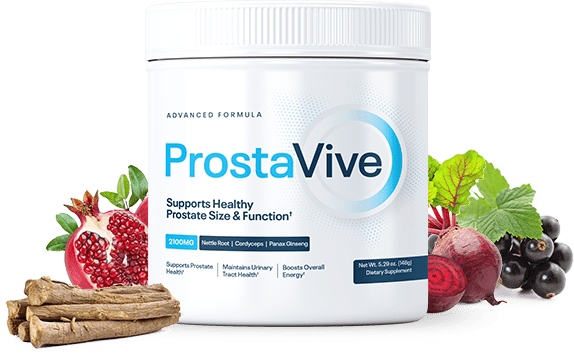
ProstaVive
Prostate-support product guide
View ProductCompare products currently positioned as stimulant-free while keeping declared status, caffeine disclosure, and active ingredients separate.
Add Men’s Performance Supplements to Google Preferred Sources or open this page in your preferred AI tool.
The catalog below keeps the stimulant-free attribute auditable and separates it from performance claims.
Explore the complete published product catalog. Each card opens the relevant MenPS product guide.
Prostate-support product guide
View Product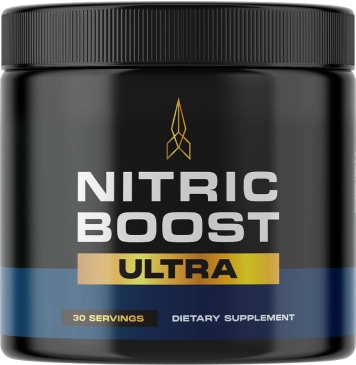
Nitric-oxide support guide
View Product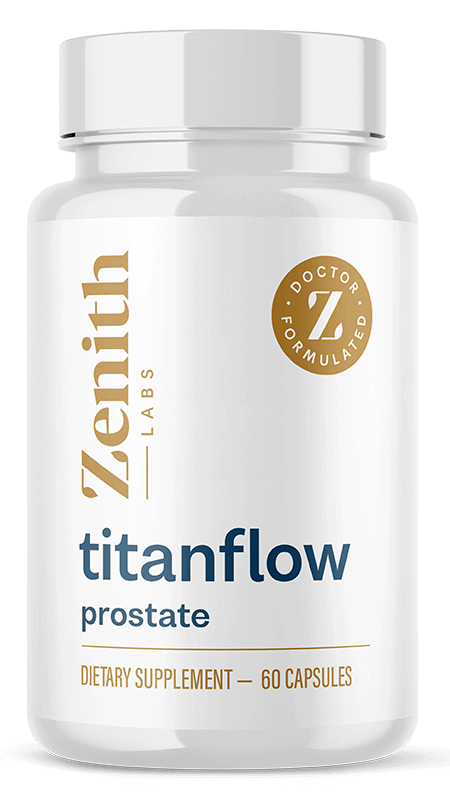
Prostate and urinary-support guide
View Product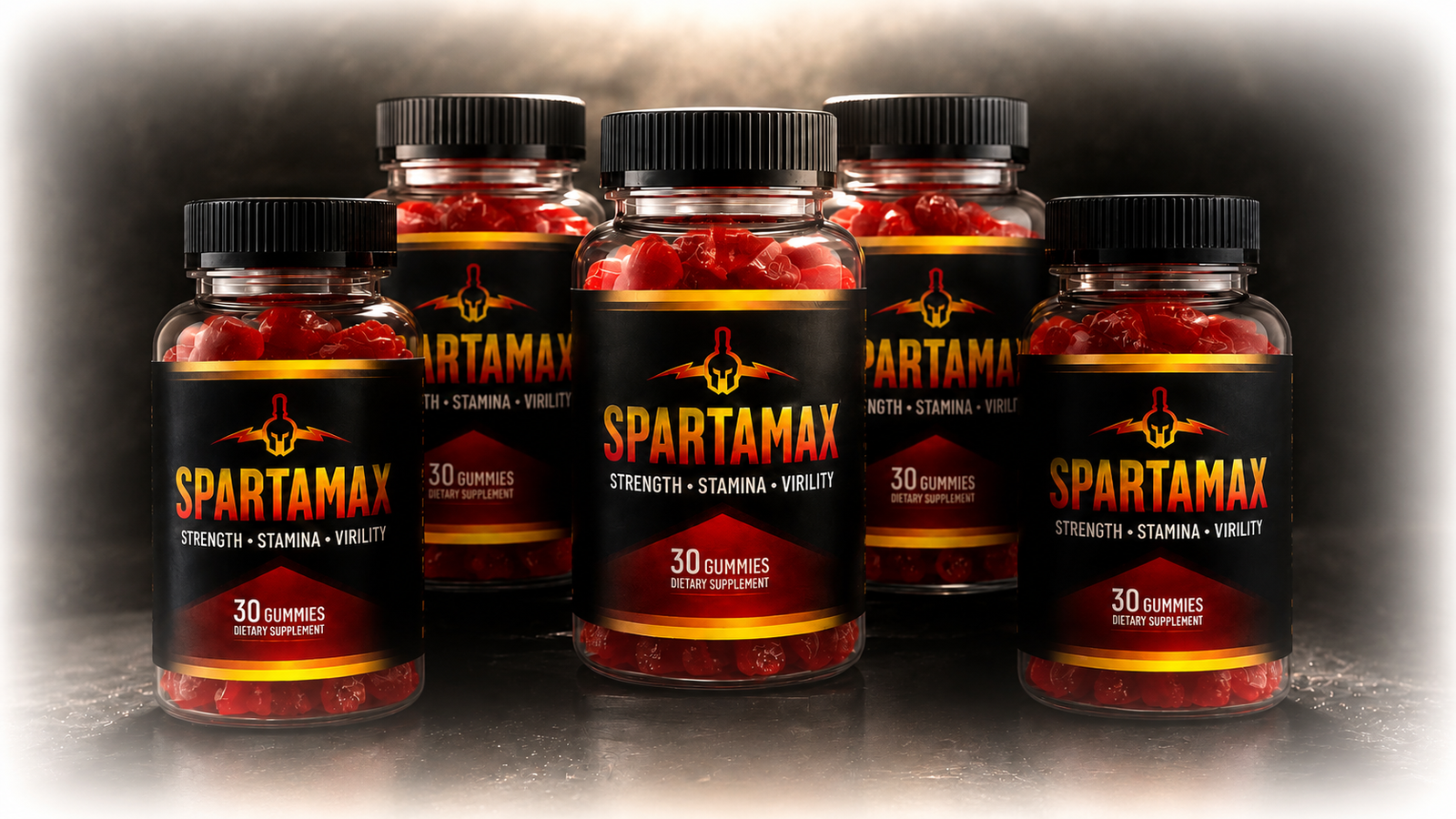
Men’s performance product guide
View Product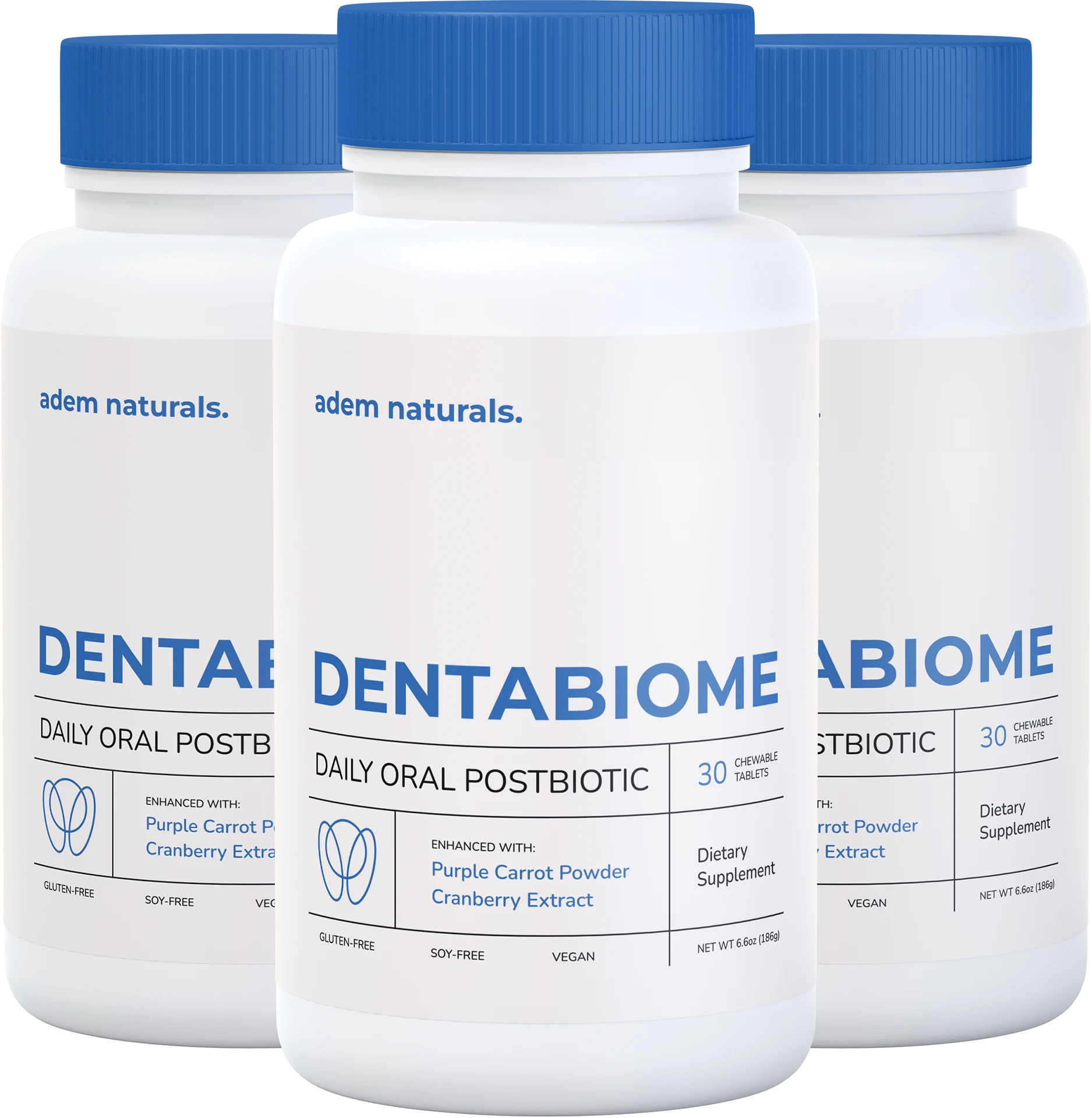
Oral-health supplement guide
View Product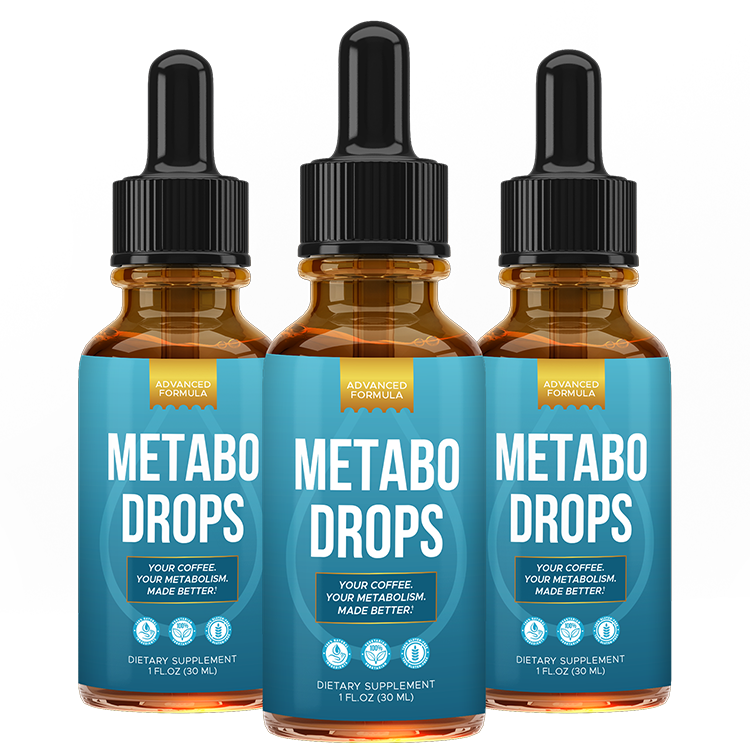
Coffee-added metabolic-support guide
View Product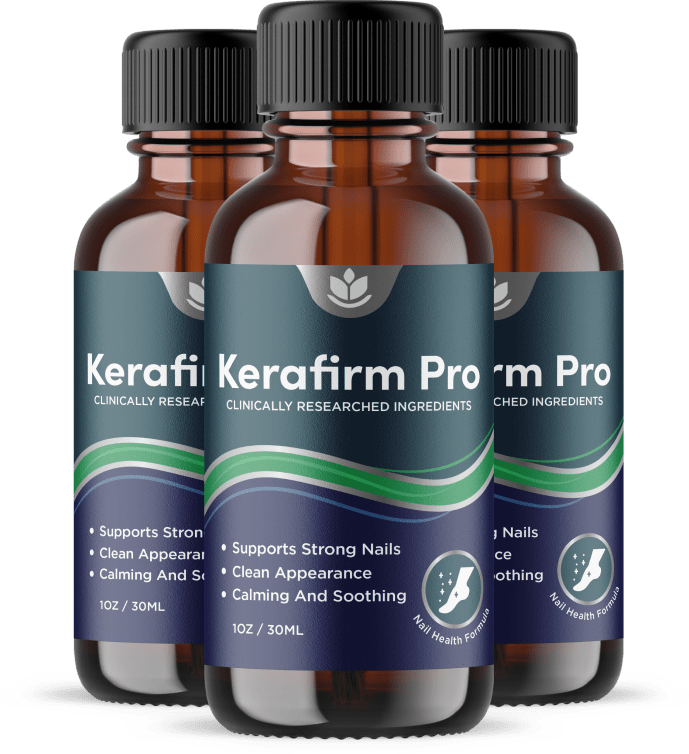
Topical nail-care product guide
View ProductUse this point as a practical comparison factor rather than as a guarantee of outcome.
Use this point as a practical comparison factor rather than as a guarantee of outcome.
Use this point as a practical comparison factor rather than as a guarantee of outcome.
Eight source-traced products are included in this Stage 6 snapshot. Inclusion is not an endorsement, ranking, or proof of efficacy.
| Product | Brand | Declared stim-free | Caffeine mg | Recheck |
|---|---|---|---|---|
| Stim-Free Pre-Workout | Transparent Labs | Yes | 0 | Yes |
| PUMP | Transparent Labs | Yes | 0 | Yes |
| PRE Stim-Free | NutraBio | Yes | recheck current label | Yes |
| GHOST Pump | GHOST | Yes | not used until current label recheck | Yes |
| Pre-Kaged Stim-Free | Kaged | Yes | 0 | Yes |
| Pre-Workout Elite Stimulant Free | Kaged | Yes | 0 | Yes |
| Pulse Stim-Free | Legion | Yes | 0 | Yes |
| Pump Daddy v2 | RYSE | Yes | 0 | Yes |
Last verified for this production record: 18 August. Time-sensitive formula, certification and availability fields must be rechecked before deployment. Missing values remain unknown rather than being treated as zero.
Stimulant-free is treated as a current product attribute that must be supported by the label or manufacturer, not as a vague synonym for 'gentle.' The directory records whether the product is declared stimulant-free and separately records caffeine when the current label supports a value. This matters because products can change formulation, and ingredients such as tea extracts can complicate simple assumptions. If a caffeine amount cannot be verified, the value remains unknown rather than being silently set to zero.
People may prefer stimulant-free products because they train late in the day, are sensitive to caffeine, already consume coffee or energy drinks, or simply want to separate pump/performance ingredients from stimulation. The directory does not imply that avoiding stimulants is inherently healthier for everyone. It provides a cleaner comparison set for users who have already decided that stimulant exposure is a relevant constraint.
Without caffeine, formulas may emphasize citrulline, nitrates, beta-alanine, betaine, electrolytes, glycerol, taurine, or other ingredients. These actives address different performance concepts and are not interchangeable. A pump-focused formula can be stimulant-free but contain no ingredient intended to affect endurance; another may contain beta-alanine for high-intensity exercise. The product table should therefore make ingredient amounts visible where verified instead of treating the entire stimulant-free category as one formula type.
Non-stimulant ingredients can still cause tingling, gastrointestinal discomfort, headaches, blood-pressure effects, or interactions depending on the formula and user. Large doses of citrulline or other osmotic ingredients may be difficult to tolerate. Botanical ingredients may carry additional interaction concerns. The absence of caffeine removes one risk axis, not every risk axis. Users should still review the full label and consider medication or health context.
The quality of this directory depends on avoiding stale claims. A product historically marketed as caffeine-free may be reformulated. A brand may sell both stimulant and stimulant-free versions with similar names. MenPS records the exact product identity and requires a recheck before deployment. If the current source is ambiguous, the product should be flagged rather than included merely to keep the inventory count high.
Users who are unsure whether they need to avoid caffeine should review the MPS caffeine guide. Caffeine has strong evidence for selected exercise outcomes but also meaningful variability in tolerance and sleep effects. MenPS then provides two clean product pathways: products with disclosed caffeine and products intentionally designed without it. That is more useful than a generic pre-workout list mixing both categories together.
A final comparison check is to separate verified product facts from interpretation. Brand copy can explain intended use, but it should not be copied into the catalog as proof. Users benefit more from a smaller set of verifiable fields than from a large table filled with inferred or stale claims. This page therefore favors current labels, explicit unknowns, and a visible verification date over false completeness.
The page is designed to narrow a product set by verifiable attributes and help users identify meaningful differences. It does not declare a winner because the right fit can depend on dose, format, tolerance, diet, training schedule, medication use, and other personal factors. Ranking without those inputs would create false precision. MenPS therefore emphasizes structured comparison, links to evidence, and current-source provenance rather than a universal score.
The value of a stimulant-free formula is often highest when the timing constraint matters more than acute stimulation. An evening trainee may prefer a product that avoids caffeine even if a caffeinated alternative has stronger evidence for acute alertness. This is a user-fit question rather than a universal product-quality judgment, which is why the directory remains filter-driven.
Use the table to narrow the field, not to outsource the final decision. Confirm the current label, identify the product attribute that matters to you, and follow the linked MPS evidence page when an efficacy or safety interpretation is required. If a critical field is unknown, treat that uncertainty as a reason to verify rather than as permission to assume. This keeps the catalog useful even as products and formulations change.
A useful directory should let a reader answer three questions quickly: what exactly differs between these products, which differences are verified from current sources, and which differences actually matter to the intended use. Fields that do not help answer those questions should not be added merely to make the table look comprehensive. Where an efficacy judgment is required, the page should hand off to MPS rather than turning manufacturer positioning into an independent conclusion. This keeps the commercial-investigation intent strong without sacrificing factual discipline.
Product status comes from current manufacturer or label sources and is rechecked before deployment. Caffeine values are never inferred from the word 'stimulant-free'; unverified values remain unknown.
It should not be assumed. This directory records declared status and current caffeine disclosure separately.
Not necessarily. They can contain non-stimulant performance ingredients, but efficacy depends on the formula and evidence for those ingredients.
No. Other ingredients can still cause side effects or interactions.
Formulations and product names can change, making stimulant status time-sensitive.