
ProstaVive
Prostate-support product guide
View ProductCompare electrolyte powders and drink mixes using disclosed mineral amounts, format, and current label data.
Add Men’s Performance Supplements to Google Preferred Sources or open this page in your preferred AI tool.
The normalized catalog below makes these label differences visible before users move to evidence and use-context questions.
Explore the complete published product catalog. Each card opens the relevant MenPS product guide.
Prostate-support product guide
View Product
Nitric-oxide support guide
View Product
Prostate and urinary-support guide
View Product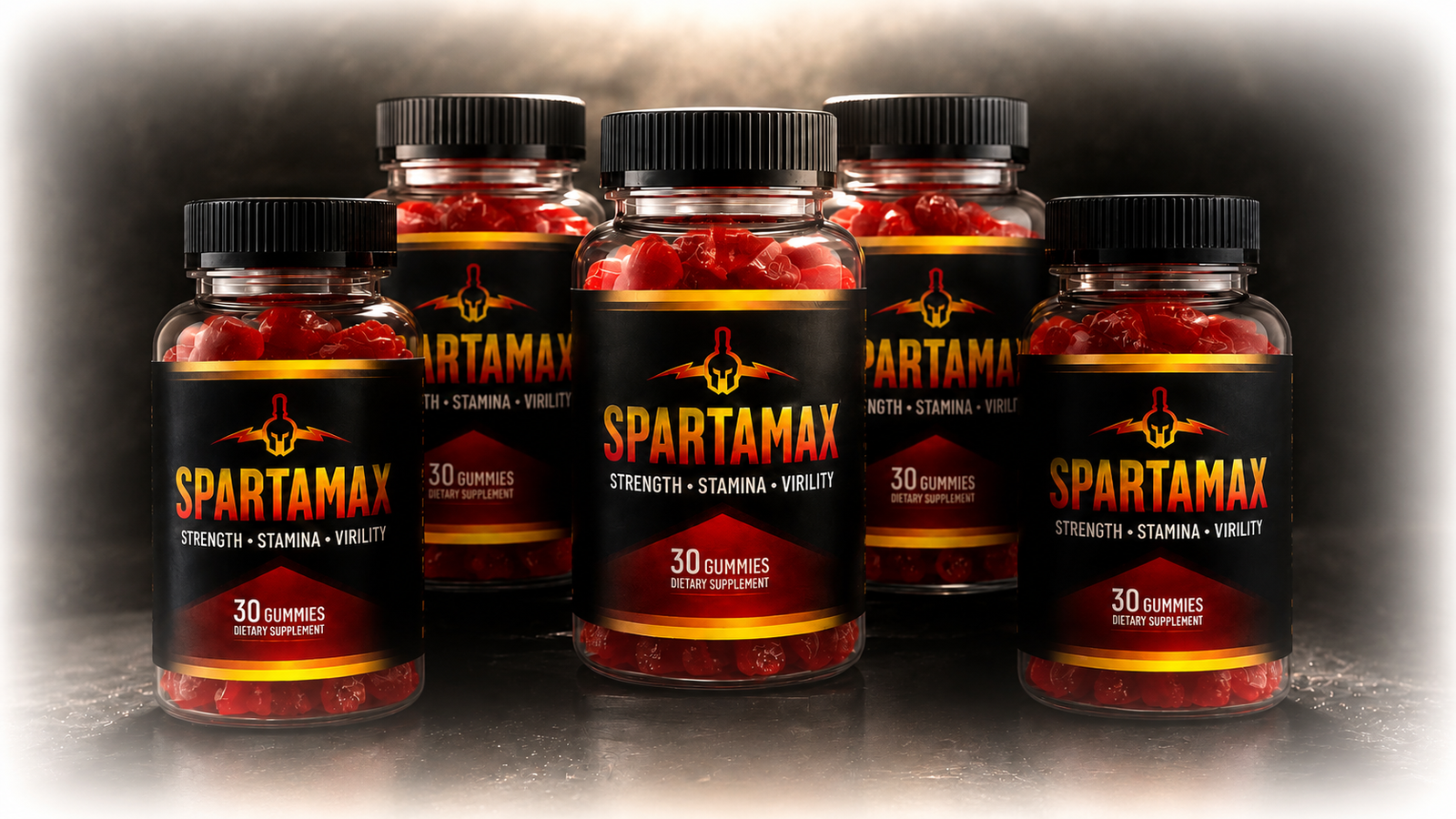
Men’s performance product guide
View Product
Oral-health supplement guide
View Product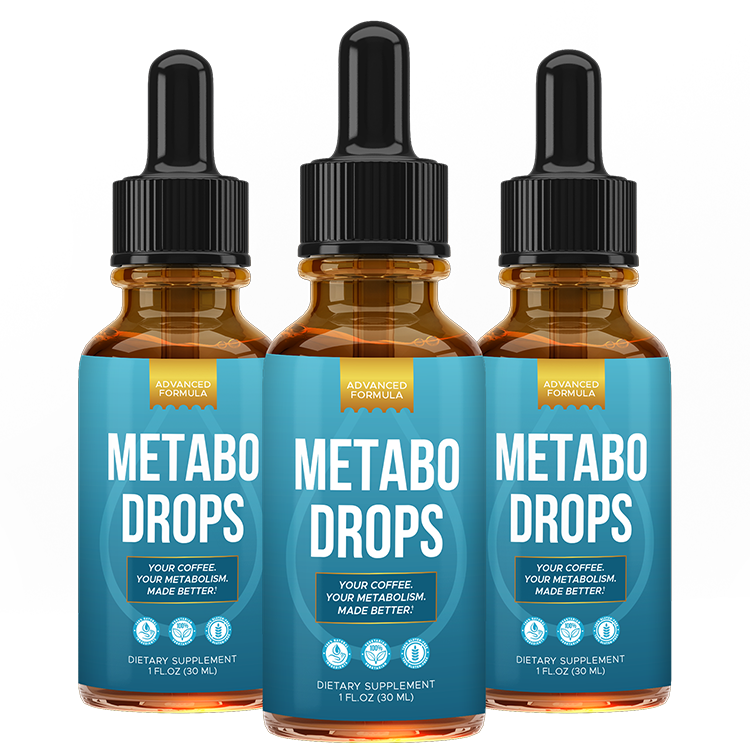
Coffee-added metabolic-support guide
View Product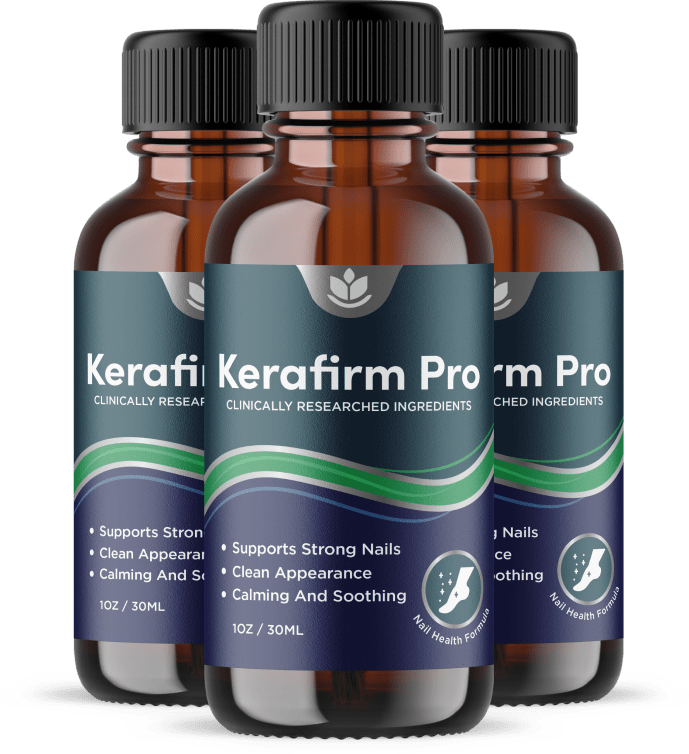
Topical nail-care product guide
View ProductUse this point as a practical comparison factor rather than as a guarantee of outcome.
Use this point as a practical comparison factor rather than as a guarantee of outcome.
Use this point as a practical comparison factor rather than as a guarantee of outcome.
Eight source-traced products are included in this Stage 6 snapshot. Inclusion is not an endorsement, ranking, or proof of efficacy.
| Product | Brand | Sodium mg | Potassium mg | Magnesium mg | Calcium mg |
|---|---|---|---|---|---|
| LMNT Electrolyte Drink Mix | LMNT | 1000 | 200 | 60 | Unknown / not disclosed |
| Hydration Multiplier Lemon Lime | Liquid I.V. | unknown pending label recheck | unknown pending label recheck | unknown pending label recheck | Unknown / not disclosed |
| Nuun Sport | Nuun | 300 | unknown pending label recheck | unknown pending label recheck | Unknown / not disclosed |
| Hydration Sport Drink Mix | Skratch Labs | 400 | unknown pending label recheck | unknown pending label recheck | Unknown / not disclosed |
| DripDrop ORS | DripDrop | unknown pending current label recheck | unknown pending current label recheck | unknown pending current label recheck | Unknown / not disclosed |
| PH 1500 Electrolyte Drink Mix | Precision Fuel & Hydration | unknown pending label recheck | unknown pending label recheck | unknown pending label recheck | Unknown / not disclosed |
| Gatorlyte Orange Powder | Gatorade | 490 | 350 | 105 | 120 |
| Electrolyte Powder | Optimum Nutrition | 400 | 300 | 113 | Unknown / not disclosed |
Last verified for this production record: 18 August. Time-sensitive formula, certification and availability fields must be rechecked before deployment. Missing values remain unknown rather than being treated as zero.
Hydration products use terms such as electrolyte mix, oral rehydration, sports drink, hydration multiplier, and high-sodium mix. Those labels do not guarantee comparable formulas. This directory normalizes the actual minerals disclosed on the label—especially sodium, then potassium, magnesium, calcium, and chloride where available—along with carbohydrate, serving size, and format. Missing values remain unknown because absence from a scraped summary is not proof that the nutrient is absent from the product.
The current product pool spans low-to-high sodium strategies. That matters because the intended use can differ: a high-sodium mix may target heavy sweat losses or endurance conditions, while another product may be designed as a general hydration beverage. MenPS shows the number but does not rank the highest-sodium formula as best. MPS explains how sweat rate, environment, duration, and individual sodium loss determine whether that amount is appropriate.
These minerals can help distinguish formulas, but users should resist the assumption that more minerals automatically create better hydration. Some products emphasize a broad electrolyte profile; others focus heavily on sodium. A formula can also contain meaningful carbohydrate, which changes its role during prolonged exercise. By showing the individual fields separately, the directory allows users to compare product design rather than relying on a single front-label claim.
Carbohydrate-containing electrolyte drinks can provide both fluid/electrolytes and fuel. That can be useful during long-duration exercise or rapid turnaround between sessions. A zero-sugar electrolyte mix may fit a different use case. MenPS records carbohydrate when the label supports it but does not treat sugar-free as automatically healthier or carbohydrate-containing as automatically superior. The right choice depends on energy needs, exercise duration, diet, and preference.
Programmatic catalog pages become unreliable when missing fields are silently converted into zeros. If a current source does not provide a mineral value, the field should remain unknown until the label is verified. This is especially important for electrolyte products because brands sometimes summarize only the nutrients they want to emphasize. A future label check may reveal additional minerals or a reformulation. Transparent uncertainty is more useful than a table that appears complete but contains invented precision.
Start with the use context: short workout, long endurance event, hot-weather training, heavy sweating, or general hydration. Then use the table to identify products whose sodium and other fields plausibly match that context. Finally, read the MPS electrolyte guide to understand whether supplementation is warranted at all. This keeps MenPS from turning a product catalog into a hydration prescription.
A final comparison check is to separate verified product facts from interpretation. Brand copy can explain intended use, but it should not be copied into the catalog as proof. Users benefit more from a smaller set of verifiable fields than from a large table filled with inferred or stale claims. This page therefore favors current labels, explicit unknowns, and a visible verification date over false completeness.
The page is designed to narrow a product set by verifiable attributes and help users identify meaningful differences. It does not declare a winner because the right fit can depend on dose, format, tolerance, diet, training schedule, medication use, and other personal factors. Ranking without those inputs would create false precision. MenPS therefore emphasizes structured comparison, links to evidence, and current-source provenance rather than a universal score.
A powder intended for 500 mL of water and one intended for a full liter may show different mineral concentrations even when the packet totals look similar. For practical hydration, concentration and fluid volume matter as well as milligrams per serving. Future catalog versions can add prepared-volume fields when the current label makes them verifiable.
Use the table to narrow the field, not to outsource the final decision. Confirm the current label, identify the product attribute that matters to you, and follow the linked MPS evidence page when an efficacy or safety interpretation is required. If a critical field is unknown, treat that uncertainty as a reason to verify rather than as permission to assume. This keeps the catalog useful even as products and formulations change.
A useful directory should let a reader answer three questions quickly: what exactly differs between these products, which differences are verified from current sources, and which differences actually matter to the intended use. Fields that do not help answer those questions should not be added merely to make the table look comprehensive. Where an efficacy judgment is required, the page should hand off to MPS rather than turning manufacturer positioning into an independent conclusion. This keeps the commercial-investigation intent strong without sacrificing factual discipline.
Mineral amounts and serving facts come from manufacturer or current-label sources. Fields not verified from a current source remain unknown. Product inclusion is a discovery function, not a hydration recommendation.
No. The appropriate sodium amount depends on sweat losses, duration, environment, and the individual.
Because MenPS does not convert missing or unverified label data into a false zero.
No. Carbohydrate can be useful during prolonged exercise, while sugar-free products may suit other contexts.
No. Use the MPS evidence guide to determine when supplementation is likely to be useful.