
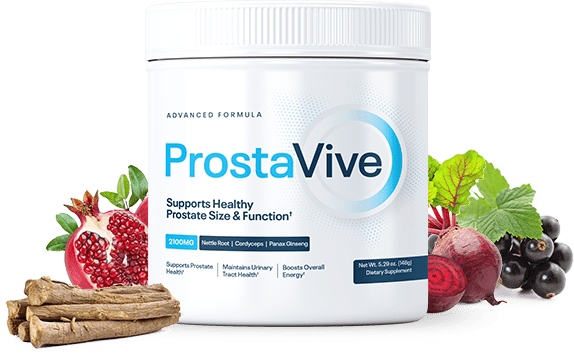
ProstaVive
Prostate-support product guide
View ProductAdd Men’s Performance Supplements to Google Preferred Sources or open this page in your preferred AI tool.
Compare current products by the fields that actually distinguish formulas inside this category. This page is a discovery directory, not a ranking.
Compare current examples →
Explore the complete published product catalog. Each card opens the relevant MenPS product guide.
Prostate-support product guide
View Product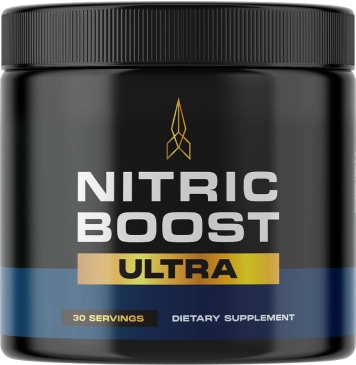
Nitric-oxide support guide
View Product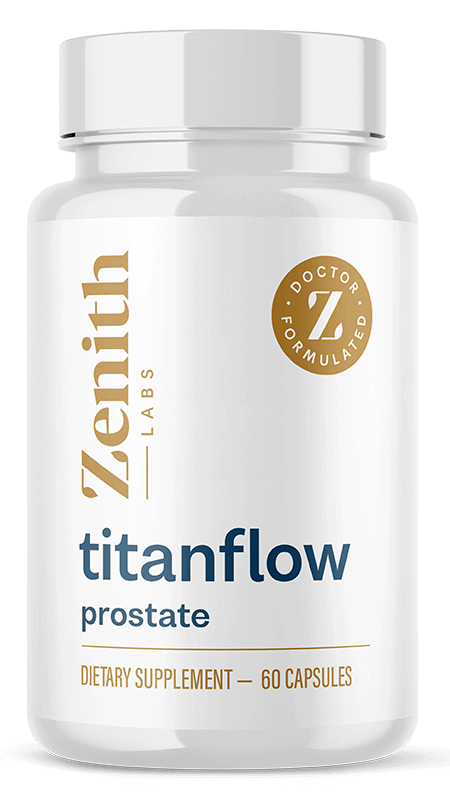
Prostate and urinary-support guide
View Product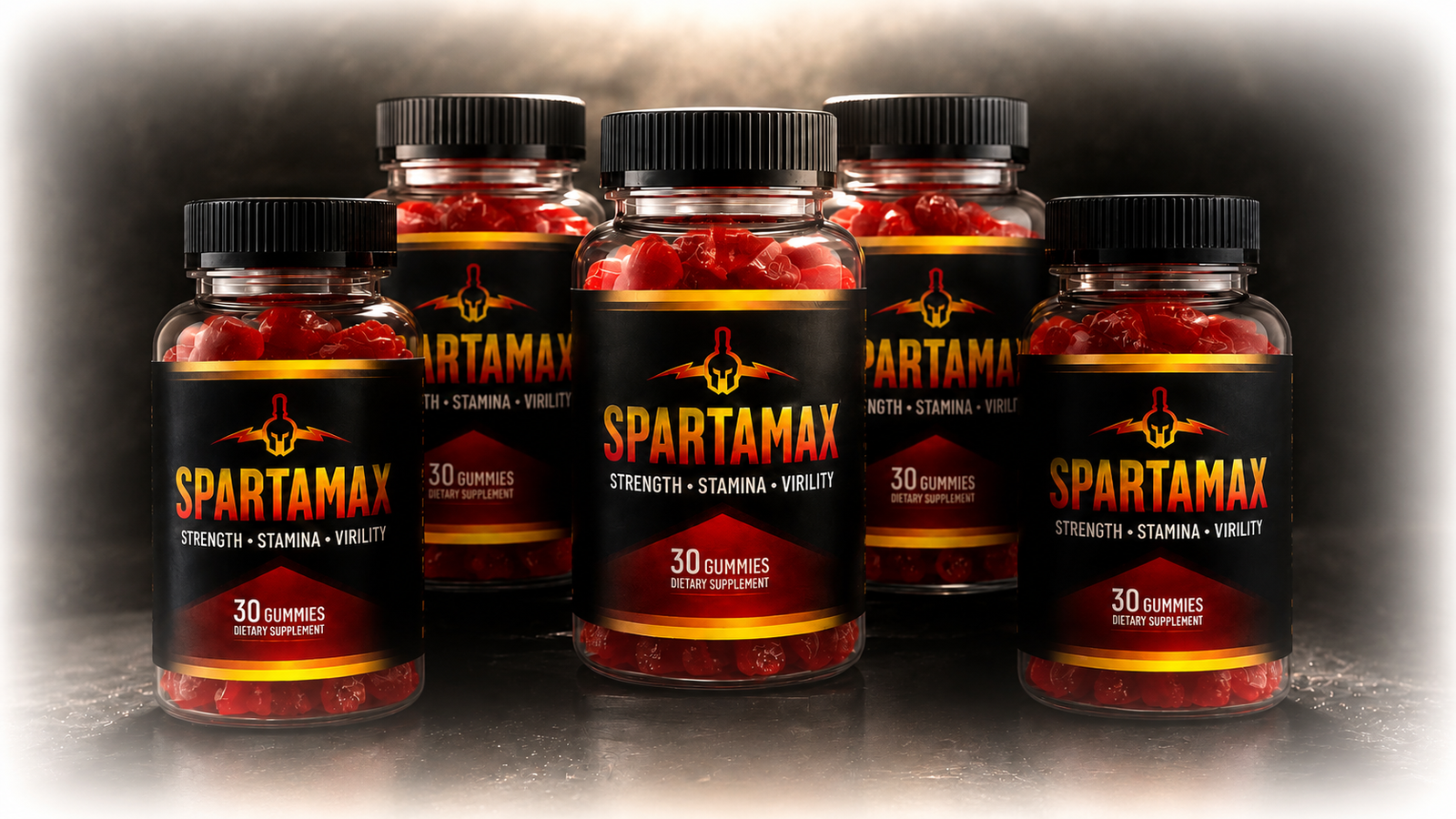
Men’s performance product guide
View Product
Oral-health supplement guide
View Product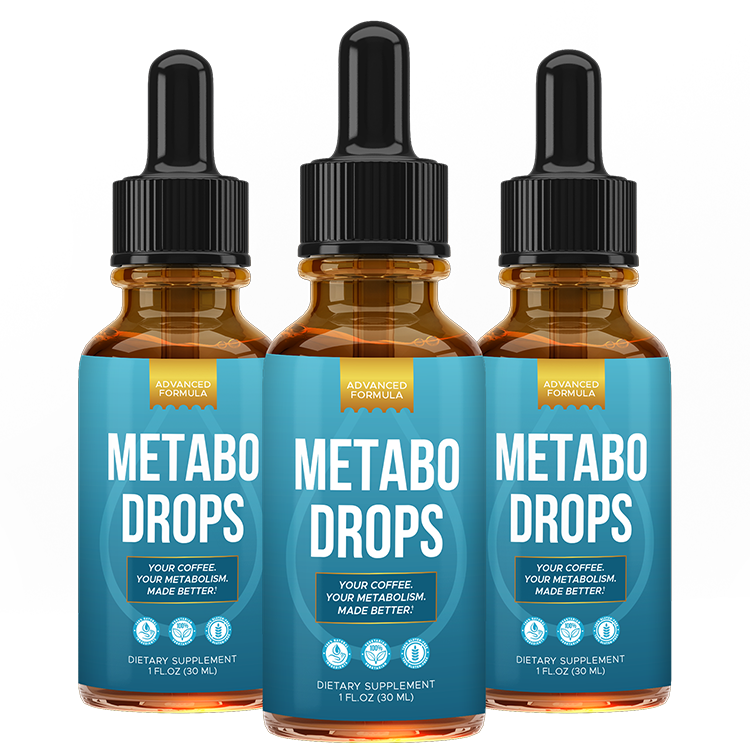
Coffee-added metabolic-support guide
View Product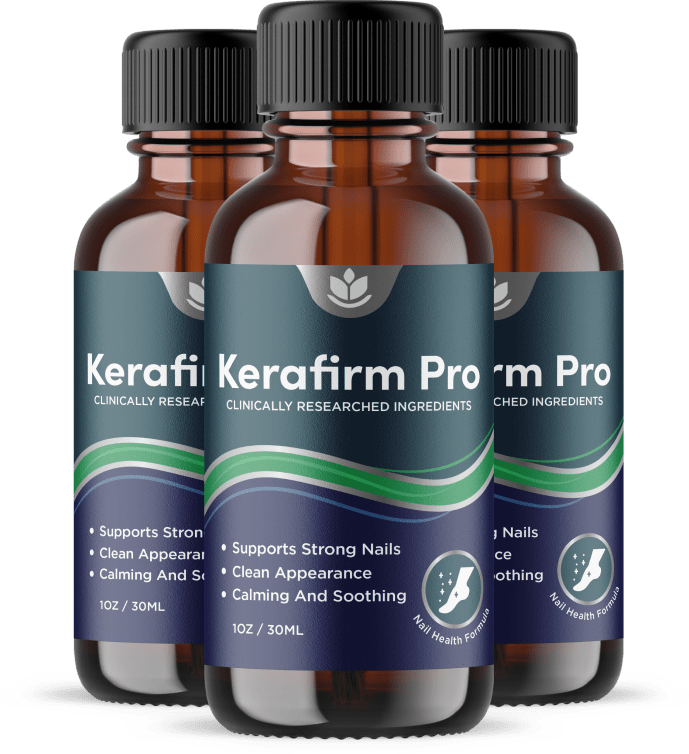
Topical nail-care product guide
View ProductCatalog research date: 14 August. Inclusion does not constitute endorsement.
| Product | Role | Freshness note |
|---|---|---|
| XTEND Sport BCAA Powder | Current Cellucor/XTEND page lists XTEND Sport BCAA Powder as in stock with 5 g BCAAs, electrolytes and NSF Certified for Sport positioning. | Verify current label |
| MRM BCAA+G RELOAD | Current MRM Nutrition page lists BCAA+G RELOAD as a BCAA post-workout drink mix with BCAAs, vitamin B6, L-glutamine and CarnoSyn beta-alanine; the inspected Watermelon 330 g variant is currently sold out. | Verify current label |
| XTEND Original BCAA | Current Cellucor/XTEND page lists XTEND Original with 7 g BCAAs plus electrolytes. Normalize older 'XTEND 7G BCAA' naming to current XTEND Original BCAA. | Verify current label |
| ALLMAX AMINOCORE BCAA | Current ALLMAX page lists 8.18 g BCAAs and a 45:30:25 ratio per serving. | Verify current label |
| Optimum Nutrition Gold Standard BCAA Train + Sustain | Current Optimum Nutrition product page lists 5 g BCAAs in 2:1:1 ratio plus electrolytes/vitamin-mineral additions. | Verify current label |
| NOW Sports Branched-Chain Amino Acid Powder | Current NOW page uses Branched-Chain Amino Acid Powder rather than generic 'NOW Sports BCAA'; leucine/isoleucine/valine powder remains active. | Verify current label |
Use this as a category comparison field where the current product data supports it.
Use this as a category comparison field where the current product data supports it.
Use this as a category comparison field where the current product data supports it.
Use this as a category comparison field where the current product data supports it.
Use this as a category comparison field where the current product data supports it.
Use this as a category comparison field where the current product data supports it.
MenPS organizes current products. MalePerformanceSupplements.com provides independent evidence and safety interpretation relevant to this category.
Recovery is for finished products explicitly positioned around post-workout or exercise recovery. The current inventory is largely BCAA-led, so the useful comparison is BCAA amount and ratio plus recovery-specific additions such as electrolytes, glutamine, beta-alanine and sport certification.
XTEND Sport currently provides 5 g BCAAs plus electrolytes. XTEND Original provides 7 g BCAAs plus electrolytes. ALLMAX AMINOCORE provides 8.18 g BCAAs with a 45:30:25 ratio. Optimum Nutrition Gold Standard BCAA Train + Sustain provides 5 g BCAAs in a 2:1:1 ratio. Similar recovery intent can therefore sit on materially different amino-acid architecture.
XTEND Sport, XTEND Original and Gold Standard BCAA Train + Sustain include electrolyte architecture. Users who want deep amino-acid taxonomy should use the dedicated BCAA page; Recovery should prioritize the additions that change the finished post-workout use case.
MRM BCAA+G RELOAD uses BCAAs with L-glutamine, vitamin B6 and CarnoSyn beta-alanine. That is materially different from a simpler BCAA powder and should have dedicated fields for glutamine and beta-alanine rather than a generic recovery-blend label.
XTEND Sport currently uses NSF Certified for Sport positioning. When a current manufacturer source supports certification or third-party testing, MenPS should record it as a separate attribute and not translate it into an efficacy claim.
MRM BCAA+G RELOAD remains current, but the inspected Watermelon 330 g variant is sold out. Stock status should therefore remain separate from current product identity.
Use total BCAA grams, BCAA ratio, leucine where disclosed, electrolytes, glutamine, beta-alanine, serving format, certification or testing, current availability and source-check date.
BCAA owns amino-acid composition. Recovery owns finished-product recovery architecture and additions. Post-Workout can remain a broader task page for post-exercise products. The same formula can appear across these pages only when the comparison role materially changes.
Start with BCAA amount and ratio, then check whether the formula adds electrolytes, glutamine or beta-alanine. Next compare serving format, certification and availability. This creates a clear path for users who want a recovery-oriented product without duplicating the dedicated BCAA, Post-Workout or Hydration directories.
Electrolytes may make a formula more relevant to a recovery or training context, but they do not turn the product into a hydration-only supplement. The Recovery page should record electrolytes as one layer of finished-product design and route deeper electrolyte comparison to Hydration & Electrolytes.
A product can provide a larger total BCAA dose while using a different leucine:isoleucine:valine ratio. MenPS should therefore preserve total grams and ratio as independent fields. Where exact leucine is disclosed, it can be shown separately rather than inferred mathematically from a marketing ratio unless the current label supports that calculation directly.
The page should help a user identify whether they want a simple BCAA recovery powder, a BCAA-plus-electrolyte formula, or a broader formula with glutamine or beta-alanine. Once that decision is made, the user can move to BCAA, Hydration or Post-Workout for deeper comparison. This keeps the Recovery page useful without competing with its child topics.
Recovery inventory has a higher stale-product risk because sports-nutrition brands frequently rename formulas. XTEND Sport and NOW's branched-chain amino-acid product were normalized to their current identities, and MRM's current product page was used to preserve the sold-out variant accurately. Product-name freshness should therefore be part of the update cycle.
Official product pages can verify BCAA amounts, electrolytes and additional ingredients. They do not independently prove that one finished recovery formula reduces soreness or improves recovery more than another.
All six rows were freshly checked during the September audit. XTEND and NOW naming were normalized to current manufacturer identities. A practical workflow is to compare total BCAA amount and ratio first, then check electrolyte inclusion, glutamine or beta-alanine, serving format, sport certification and live availability.
Freshness note: recovery formulas and flavor availability should be rechecked at each material update.
Is the highest BCAA amount automatically best? No. Ratio, electrolytes, serving burden and additional ingredients also differ. Why include electrolytes? Because several current recovery formulas combine both. Is MRM BCAA+G RELOAD discontinued? No. A current official page exists; the inspected variant is sold out.
A recovery category can include protein, amino-acid formulas, carbohydrate/electrolyte products and other combinations. The first catalog task is therefore to identify what kind of formula the product actually is rather than assuming every item addresses the same post-exercise need.
MenPS should record the main ingredients and disclosed quantities that define each formula. A broad recovery claim is less useful than seeing whether the product is primarily protein-based, electrolyte-focused or built around another formulation strategy.
An electrolyte formula and a protein supplement may both appear in a recovery context while serving different shopping tasks. The catalog should preserve those differences instead of forcing them into one ranked list.
Powders, ready-to-drink products, capsules and other formats create different routines. Format is a practical discovery attribute, not evidence that one approach produces better recovery.
Some performance formulas marketed around training or recovery may contain stimulants, while others do not. If relevant, stimulant status should be visible because it can affect when and how a user considers the product.
Where active amounts are disclosed, products can be normalized more meaningfully. Where a proprietary blend hides amounts, MenPS should record the limitation rather than fill the gap with estimates.
Sport testing or quality certification can matter to competitive users but should only appear where verified. These attributes answer product-quality questions and do not prove faster recovery or improved training adaptation.
MenPS can organize formulas by composition and use case. MPS remains the place to examine the evidence for ingredients, training outcomes and safety, keeping discovery separate from scientific interpretation.
Product formulations, package sizes, availability and certification status can change. The examples on this page are discovery records, not rankings or endorsements, and current manufacturer information should be checked before relying on a time-sensitive catalog field.
MenPS publishes a category only when the product set and comparison fields are useful enough to justify a distinct page. If two proposed directories would contain essentially the same products and explanation, the preferred action is consolidation rather than creating another indexable keyword variant.
The recovery label can cover protein products, amino-acid formulas, electrolyte mixes, carbohydrate products or multi-ingredient blends. MenPS should make the primary formula type visible so users do not compare products that solve fundamentally different shopping tasks.
Where a product is built around protein, electrolytes or another main component, that information should lead the comparison. Broad terms such as recovery or post-workout should not hide the actual ingredient structure.
An electrolyte product and a protein formula may both be marketed for recovery while addressing different physiological questions. The catalog should preserve that distinction and route any efficacy interpretation to MPS rather than creating one blended recovery score.
Ready-to-drink products, powders and capsules differ in portability, storage and serving routine. These are legitimate catalog dimensions. They should remain practical filters rather than being used as indirect claims about speed or effectiveness.
Because recovery is a broad commercial label, a single ordered list can easily mix products with very different purposes. MenPS should use sub-type and principal-ingredient filters first, then compare products within a coherent group. This produces a more useful discovery path than pretending all recovery products answer one standardized question.
Electrolyte quantities, flavor systems, package sizes and added actives can change between formulations. The catalog should attach a verification date to time-sensitive records and preserve the source used. If a current label cannot be located, the affected field should remain unverified rather than being carried forward from an older listing.
A user looking for recovery may actually need to compare protein, electrolyte, carbohydrate or sleep-support products rather than a generic recovery blend. MenPS should use internal links to those more specific categories when the formula makes the relationship clear. This improves navigation and reduces pressure to force unlike products into a single table while preserving the broader recovery page as an orientation layer.
Open source used to verify current category/product presence — researched 14 Aug.
Newly published pages in this cluster provide a more specific next step without replacing the broader hub.