
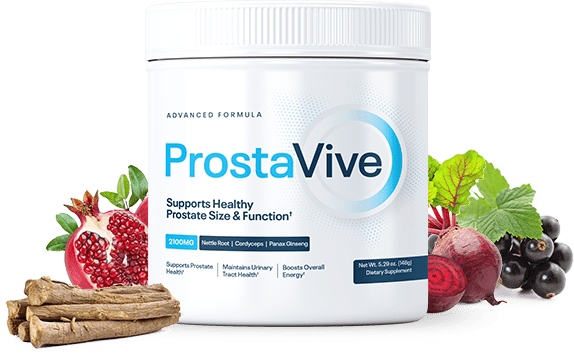
ProstaVive
Prostate-support product guide
View ProductAdd Men’s Performance Supplements to Google Preferred Sources or open this page in your preferred AI tool.
Compare current products by the fields that actually distinguish formulas inside this category. This page is a discovery directory, not a ranking.
Compare current examples →
Explore the complete published product catalog. Each card opens the relevant MenPS product guide.
Prostate-support product guide
View Product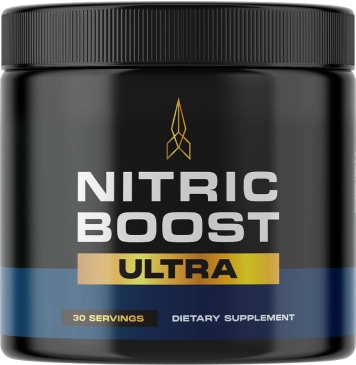
Nitric-oxide support guide
View Product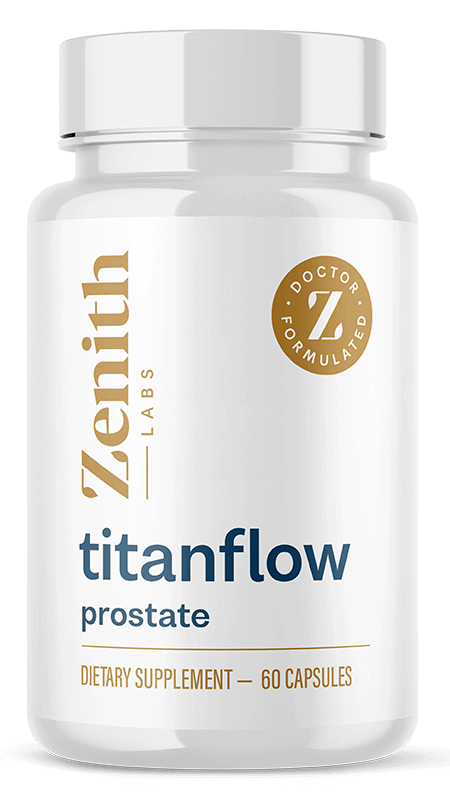
Prostate and urinary-support guide
View Product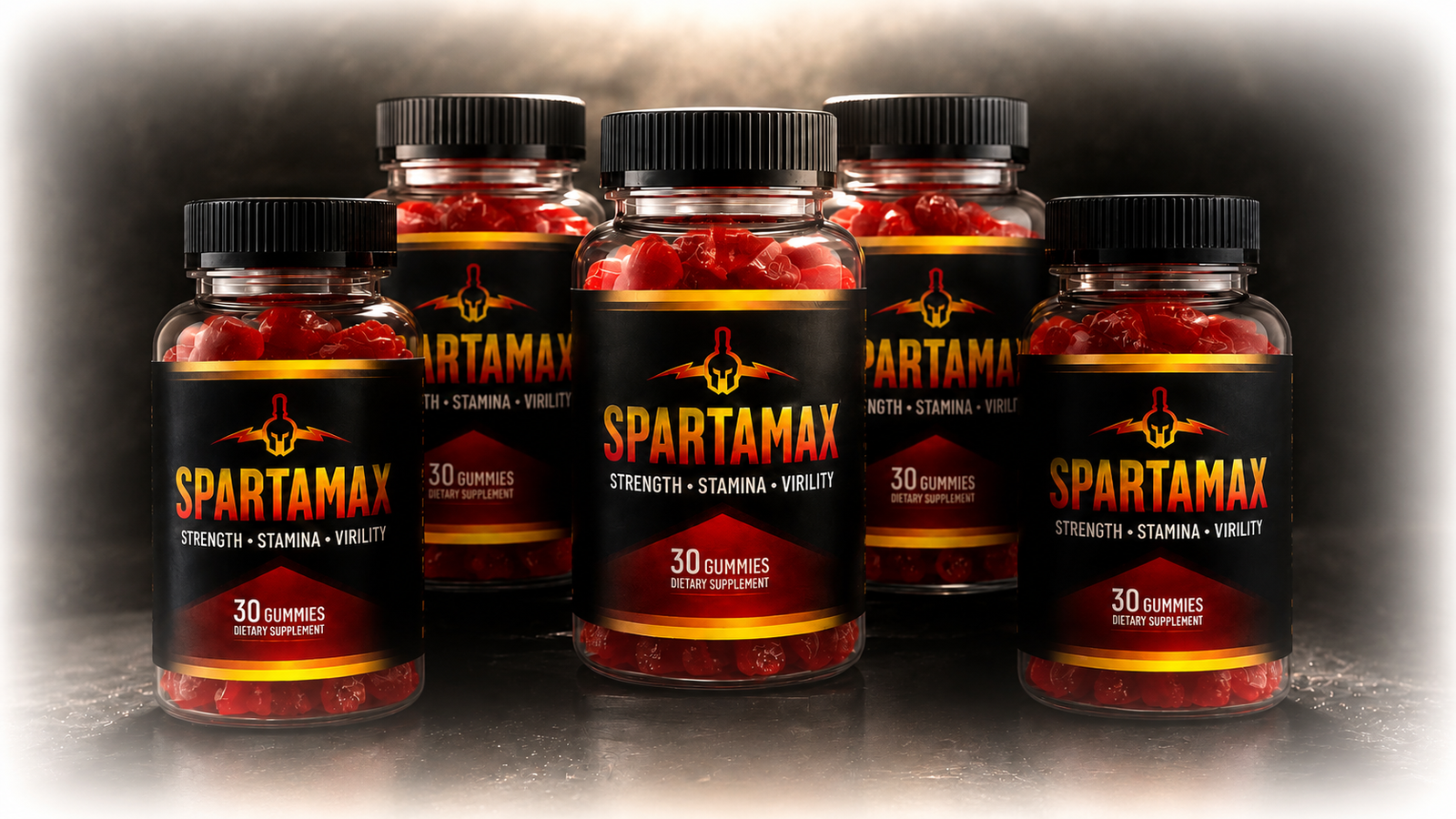
Men’s performance product guide
View Product
Oral-health supplement guide
View Product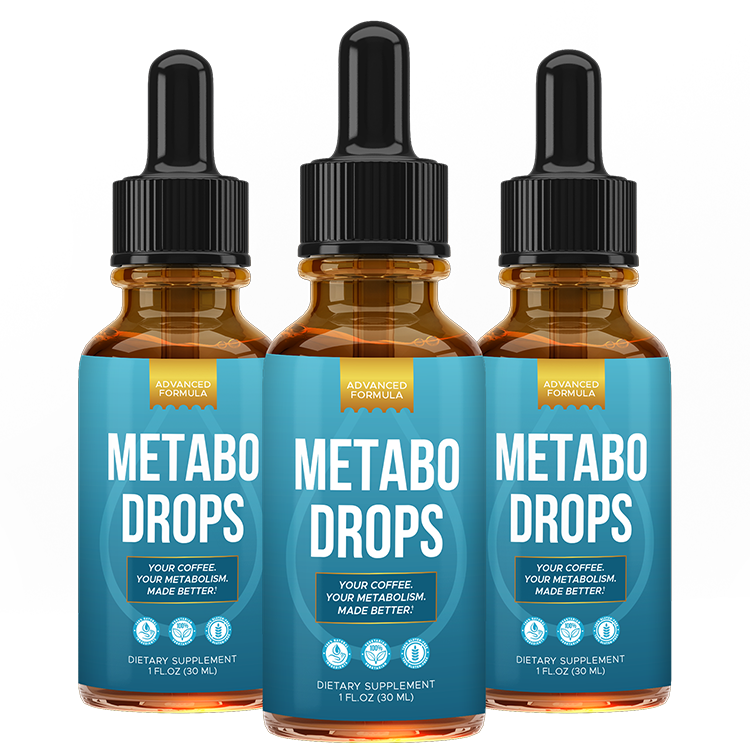
Coffee-added metabolic-support guide
View Product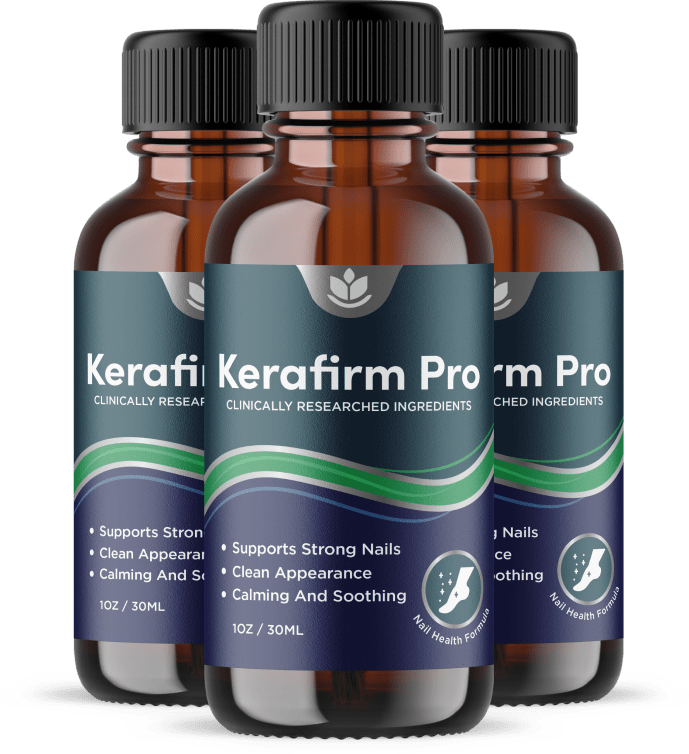
Topical nail-care product guide
View ProductCatalog research date: 14 August. Inclusion does not constitute endorsement.
| Product | Role | Freshness note |
|---|---|---|
| Force Factor Men's Multivitamin | Current official page active; 2-tablet serving with 27 essential vitamins/minerals plus men's-health, phytonutrient and amino-acid blends. | Verify current label |
| Garden of Life Organics Men's Once Daily | Current official page active; once-daily certified organic/vegan men's multivitamin with whole-food blend. | Verify current label |
| Optimum Nutrition Opti-Men | Current product active; 3-tablet serving, 21 vitamins/minerals and broad amino/botanical blend architecture. | Verify current label |
| 21st Century Wellify Men's Energy | Current official page active; one-tablet multivitamin/multimineral food-based blend. | Verify current label |
| Country Life MAX For Men Iron Free Multivitamin | Current Country Life page active; 2-tablet iron-free men's multivitamin with coenzymated B-vitamin positioning, saw palmetto and lycopene. | Verify current label |
| NATURELO One Daily Multivitamin for Men | Current NATURELO page active; one-capsule product with 23 vitamins/minerals, plant-based sources and activated B-vitamin forms. | Verify current label |
Use this as a category comparison field where the current product data supports it.
Use this as a category comparison field where the current product data supports it.
Use this as a category comparison field where the current product data supports it.
Use this as a category comparison field where the current product data supports it.
Use this as a category comparison field where the current product data supports it.
Use this as a category comparison field where the current product data supports it.
MenPS organizes current products. MalePerformanceSupplements.com provides independent evidence and safety interpretation relevant to this category.
Multivitamins is for broad-spectrum men's vitamin and mineral products. Compare daily serving burden, iron status, nutrient breadth, B-vitamin forms and added botanical or amino-acid blends.
Garden of Life Men's Once Daily, 21st Century Wellify Men's Energy and NATURELO One Daily use one daily unit. Force Factor uses a two-tablet serving, while Opti-Men uses three tablets daily. Daily serving burden is therefore one of the clearest practical differences among current products.
Country Life currently uses the name MAX For Men Iron Free Multivitamin. MenPS should expose iron-free versus iron-containing status directly rather than bury it in a title or ingredient list.
NATURELO emphasizes activated B-vitamin forms. Country Life also uses coenzymated B-vitamin positioning. MenPS should record folate, B12 and B6 form where directly disclosed, while leaving the dedicated B-Complex page to own deeper B-vitamin comparison.
Force Factor includes men's-health, phytonutrient and amino-acid blends. Opti-Men includes broad amino and botanical additions. Garden of Life uses a whole-food-style organic formulation. These additions differentiate architecture but should not replace the core vitamin and mineral comparison.
Use daily serving size, iron status, number of vitamins and minerals, folate/B12/B6 form where disclosed, vitamin D and zinc amounts, added botanical or amino blends, whole-food-style positioning, certification and source-check date.
Multivitamins own broad vitamin and mineral coverage. B-Complex owns deeper B-vitamin-form comparison. Greens owns plant and superfood powder architecture. Even when nutrients overlap, the finished-product task is different.
Start with daily serving burden and iron status. Then compare nutrient breadth, B-vitamin forms and key nutrients such as vitamin D and zinc. Finally review added botanical or amino blends, whole-food-style positioning, certification and source freshness. This prevents the page from becoming a generic “best men's multivitamin” ranking.
Saw palmetto, lycopene, amino-acid blends and phytonutrient blends may appear in men's multivitamins. These ingredients can help distinguish finished formulas, but they should not replace the main multivitamin comparison of serving burden, iron status and vitamin/mineral architecture.
A multivitamin can list many vitamins and minerals while using different forms of folate, B12, B6, magnesium or zinc. MenPS should therefore avoid one composite “completeness” score. Breadth, form and dose should remain separate fields so users can understand what differs without implying a universal ranking.
The useful outcome is to narrow the market by convenience, iron status and formula architecture. A user should be able to distinguish one-daily products from multi-tablet systems, iron-free from iron-containing formulas, and conventional broad-spectrum products from formulas with added botanical or amino-acid blends. Deeper B-vitamin comparison then belongs on B-Complex.
Men's multivitamins often use one-, two- or three-tablet daily routines and may change ingredient blends without changing the core product name. MenPS should therefore keep the current serving direction and current Supplement Facts close to each product record rather than assuming an older daily dose still applies.
Official pages can verify nutrient lists, serving size and formulation attributes. MenPS should not infer that a product with more listed nutrients or larger blends produces better health outcomes.
All six rows were freshly checked during the September audit. Country Life naming was normalized to its current iron-free product identity. A practical workflow is to compare daily serving burden first, then iron status, nutrient breadth, B-vitamin forms, added blends and certification.
The six-product set contains both one-daily and multi-tablet systems, iron-free positioning, activated or coenzymated B-vitamin approaches, whole-food-style formulations and products with added botanical or amino-acid blends. Those differences provide a clear basis for structured comparison without reducing the category to a single “most complete” score. The page should preserve that multi-dimensional view in future updates.
Is a one-daily multivitamin always better? No. It is more convenient, but nutrient architecture and dose also matter. Why track iron separately? Current men's multivitamins intentionally differ on iron inclusion. Should B-vitamin forms be compared here or on B-Complex? Here they are secondary; deeper comparison belongs on B-Complex.
Update rule: recheck serving directions, iron status, B-vitamin forms and added blends together because broad multivitamin formulas can change without a major name change.
Reverify labels.
Multivitamins vary in which vitamins and minerals they contain and in the amounts supplied. A longer list is not automatically more useful. The catalog should make coverage visible so users can see whether products emphasize broad daily nutrition, selected nutrients or a particular demographic position.
Seeing vitamin D, zinc or magnesium on a label does not show how much the product provides. MenPS should record disclosed quantities where practical and avoid treating a nutrient’s presence as evidence that the formula meaningfully changes health outcomes.
Some buyers compare specific vitamin or mineral forms. Where a current label clearly identifies the form, that can be recorded as a product attribute. The catalog should avoid implying that a particular form is clinically superior unless the evidence layer supports that interpretation.
One tablet, several capsules or divided daily servings create different routines. Serving burden is therefore a legitimate comparison field and should be kept separate from the amount of any individual nutrient.
Products may be marketed for men, men over 40 or other audiences. MenPS can record the intended audience but should not infer that the positioning makes the formula necessary or superior for every person in that group.
Multivitamins often overlap with standalone vitamin D, zinc, magnesium or other supplements. Users comparing products should therefore consider total intake across the full regimen, not only one bottle at a time.
Testing, certification and manufacturing claims should be recorded only where current authoritative sources support them. Those attributes can inform product quality without becoming proof of clinical benefit.
MenPS organizes what the products contain. MPS remains the place to examine whether supplementation is likely to be useful in a particular evidence context, including the difference between correcting inadequate intake and assuming that more is better.
Product formulations, package sizes, availability and certification status can change. The examples on this page are discovery records, not rankings or endorsements, and current manufacturer information should be checked before relying on a time-sensitive catalog field.
MenPS publishes a category only when the product set and comparison fields are useful enough to justify a distinct page. If two proposed directories would contain essentially the same products and explanation, the preferred action is consolidation rather than creating another indexable keyword variant.
A multivitamin can contain many listed nutrients while still differing substantially in amounts and forms. MenPS should make the nutrient profile inspectable instead of using the number of ingredients as a proxy for completeness or quality.
One tablet daily and several capsules spread across the day create different practical routines. Serving schedule is therefore a legitimate discovery field and can be compared without making any claim about superior health outcomes.
Labels may target men, older adults or other audiences. MenPS can record that positioning when it is explicit, but the catalog should not infer that an age-targeted formula is medically necessary or better suited to an individual without relevant evidence.
Multivitamins frequently duplicate nutrients supplied by standalone vitamin or mineral products. A structured catalog should help users see the relevant amounts while MPS safety guidance addresses cumulative intake and upper-limit concerns. The comparison task is transparency, not a recommendation to combine products.
A full multivitamin matrix can become unreadable if every nutrient is treated as equally important. MenPS should expose the fields that meaningfully distinguish the current products and allow deeper label verification where needed. The directory should help users navigate complexity rather than create a false single score from dozens of nutrients.
Manufacturers can revise nutrient forms, amounts and serving instructions without changing the broad product name. Last-verified dates are therefore especially important in this category. Any record used for a current decision should be checked against the latest manufacturer label instead of relying on an older retailer snapshot.
A broad nutrient profile can look comprehensive without establishing that every listed amount is appropriate for every user. MenPS should use the catalog to show what is present and how the product is positioned, while MPS safety and evidence resources handle questions about adequacy, upper limits and individual context. This separation keeps the directory useful without converting a product matrix into a nutrition prescription.
Open source used to verify current category/product presence — researched 14 Aug.