
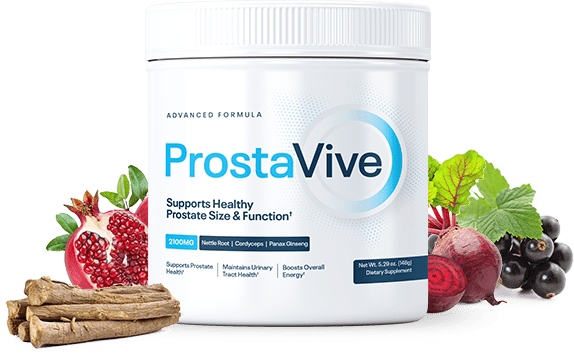
ProstaVive
Prostate-support product guide
View ProductAdd Men’s Performance Supplements to Google Preferred Sources or open this page in your preferred AI tool.
Compare current products by the fields that actually distinguish formulas inside this category. This page is a discovery directory, not a ranking.
Compare current examples →
Explore the complete published product catalog. Each card opens the relevant MenPS product guide.
Prostate-support product guide
View Product
Nitric-oxide support guide
View Product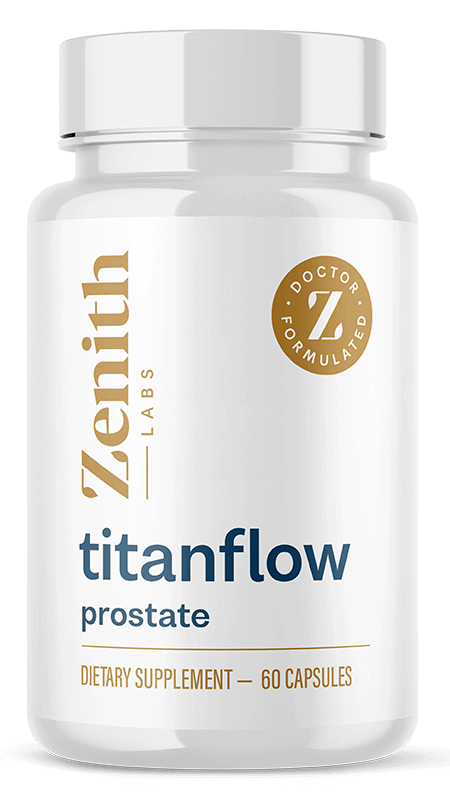
Prostate and urinary-support guide
View Product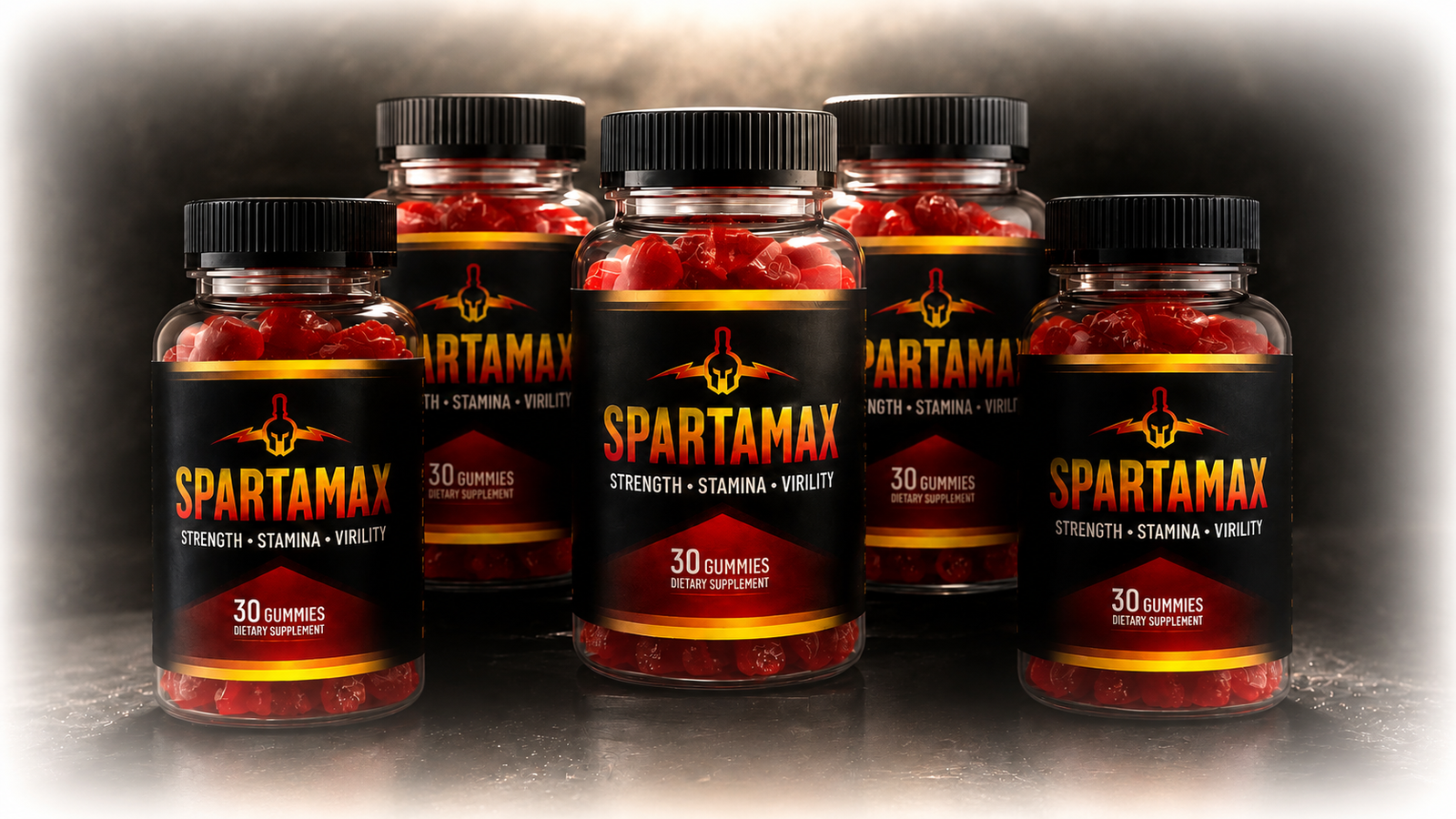
Men’s performance product guide
View Product
Oral-health supplement guide
View Product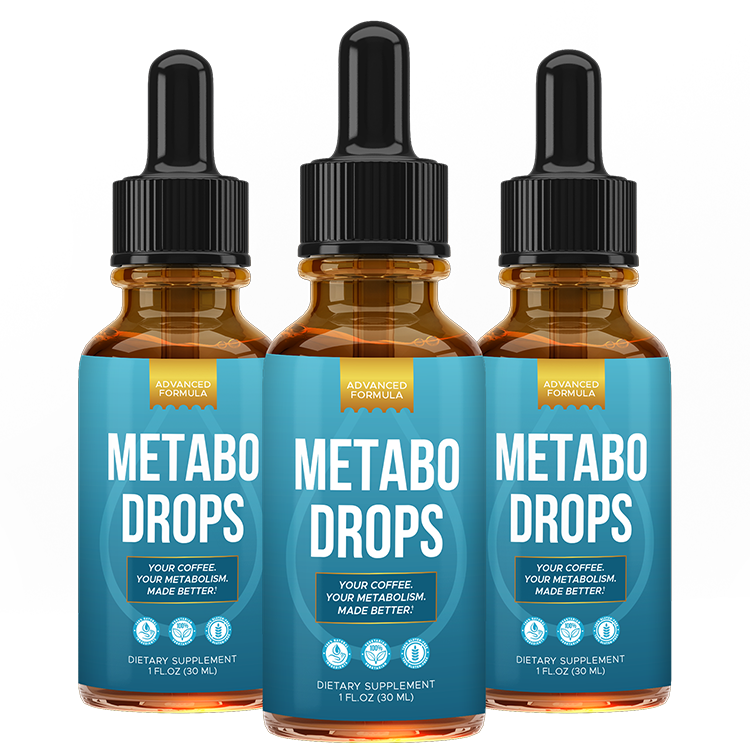
Coffee-added metabolic-support guide
View Product
Topical nail-care product guide
View ProductCatalog research date: 14 August. Inclusion does not constitute endorsement.
| Product | Role | Freshness note |
|---|---|---|
| California Gold Nutrition Omega-3 Premium Fish Oil | Current official page active; 2 softgels provide 640 mg total omega-3s, including 360 mg EPA and 240 mg DHA. | Verify current label |
| California Gold Nutrition Omega 800 | Current official product page active but presently sold out; 1 softgel provides 840 mg total omega-3s, 480 mg EPA and 320 mg DHA in triglyceride form. | Verify current label |
| Carlson The Very Finest Fish Oil | Current Carlson page active; 2-softgel serving provides 700 mg omega-3s including 360 mg EPA and 240 mg DHA; IFOS and sustainability/testing attributes disclosed. | Verify current label |
| Futurebiotics Omega-3 Fish + Krill Oil | Current Futurebiotics page active but presently sold out; combines fish oil and Antarctic krill oil with EPA/DHA and astaxanthin positioning. | Verify current label |
| Carlson Elite Omega-3 + D & K | Current Carlson page uses Elite Omega-3 + D & K; one softgel provides 700 mg omega-3s, 50 mcg vitamin D3 and 90 mcg K2 MK-7, including 400 mg EPA and 200 mg DHA. | Verify current label |
| OceanBlue Omega-3 2100 Minis | Current OceanBlue page active; 4 softgels provide 2,100 mg total omega-3s including 1,360 mg EPA and 600 mg DHA. | Verify current label |
Use this as a category comparison field where the current product data supports it.
Use this as a category comparison field where the current product data supports it.
Use this as a category comparison field where the current product data supports it.
Use this as a category comparison field where the current product data supports it.
Use this as a category comparison field where the current product data supports it.
Use this as a category comparison field where the current product data supports it.
MenPS organizes current products. MalePerformanceSupplements.com provides independent evidence and safety interpretation relevant to this category.
Omega-3 is for products whose primary identity is omega-3 supplementation. Compare total omega-3, EPA, DHA, serving burden, oil source, triglyceride or other form details and added micronutrients.
California Gold Nutrition Premium Fish Oil currently provides 640 mg total omega-3 per two softgels, including 360 mg EPA and 240 mg DHA. Omega 800 provides 840 mg total omega-3 per one softgel, including 480 mg EPA and 320 mg DHA. OceanBlue Omega-3 2100 Minis provides 2,100 mg total omega-3 per four softgels, including 1,360 mg EPA and 600 mg DHA. These fields should therefore remain separate.
Omega 800 delivers its current labeled amount in one softgel, California Gold Premium Fish Oil uses two, and OceanBlue 2100 Minis uses four. A useful comparison shows EPA/DHA concentration and daily softgel burden together.
Futurebiotics Omega-3 Fish + Krill Oil combines fish oil and Antarctic krill oil and also uses astaxanthin positioning. That is a distinct architecture from conventional fish-oil softgels.
Carlson Elite Omega-3 + D & K currently provides 700 mg total omega-3, including 400 mg EPA and 200 mg DHA, plus 50 mcg vitamin D3 and 90 mcg vitamin K2 MK-7 per softgel. These micronutrients should remain separate from EPA/DHA totals.
Carlson The Very Finest Fish Oil uses current testing and sustainability positioning, and California Gold Omega 800 is currently sold in triglyceride form. MenPS should record oil form, certification, testing and sourcing only where current manufacturer sources support them.
California Gold Omega 800 and Futurebiotics Omega-3 Fish + Krill Oil remain current official products but presently show sold out. They should remain in the directory with availability flagged independently.
Use total omega-3, EPA, DHA, EPA+DHA total, fish versus krill source, triglyceride or ethyl-ester form where disclosed, softgel burden, added vitamin D/K, certification or testing, availability and source-check date.
Omega-3 owns fish-oil and omega-3 composition. Heart Health is broader and also includes CoQ10 and fiber. Heart Health should route users here for deeper EPA/DHA comparison.
Compare EPA and DHA first, then total omega-3 and softgel burden. Next check fish versus krill source, oil form where disclosed, added vitamin D or K, testing and availability. This sequence keeps the page centered on directly comparable composition rather than broad heart-health positioning.
Fish oil, fish-plus-krill formulas and different oil forms such as triglyceride-form products should not be collapsed into one generic source field. MenPS should record source, form, added astaxanthin or vitamins, serving burden and certification separately.
A combined EPA+DHA figure can help users compare concentration, but the individual EPA and DHA amounts should still remain visible. Products can have similar combined totals with different EPA-to-DHA profiles, and total omega-3 can also exceed EPA+DHA because other omega-3 fatty acids are present.
The user should be able to compare concentration, EPA/DHA profile, daily softgel burden, fish versus krill architecture, oil form where disclosed, added vitamins and current availability. This gives Omega-3 a precise composition role while the broader Heart Health page continues to compare different cardiovascular product classes.
Omega-3 products often highlight a large fish-oil or total-omega number on the front label. MenPS should keep EPA, DHA and total omega-3 close to the current official Supplement Facts because those numbers can differ substantially. Softgel count must remain attached to the dose so one-softgel and four-softgel products are not compared incorrectly.
Manufacturer pages can verify EPA, DHA and serving details. MenPS should not convert those numbers into a universal heart-health, inflammation or performance ranking.
All six rows were freshly checked during the September audit. Carlson naming was normalized to current Elite Omega-3 + D & K, and current sold-out status is preserved where applicable. A practical comparison starts with EPA and DHA, then serving burden, source, oil form, added nutrients, testing and availability.
Should total omega-3 be compared without EPA and DHA? No. EPA and DHA should be shown separately. Is a one-softgel product always better? No. Convenience is one field. Why can omega-3 products also appear on Heart Health? Heart Health is broader, while this page owns detailed omega-3 composition.
The total oil weight on a front label can obscure the amounts users are actually trying to compare. Where current labels disclose them, EPA and DHA should be recorded separately so products can be normalized around their principal omega-3 components rather than package marketing.
Different products use different serving sizes, so capsule count alone is not comparable. MenPS should record EPA and DHA for the manufacturer-defined serving and keep serving size visible alongside those values.
Fish, algae and other source descriptions can matter to buyers for dietary or practical reasons. They should be recorded as product characteristics without implying that the source alone proves superior health outcomes.
Some omega-3 products include vitamins, flavoring or other actives. Those additions should be visible because a combined formula is not identical to a simple EPA/DHA product even when both appear under the same category.
Softgels, liquids and other formats can produce very different daily routines. Format is therefore a useful catalog filter, but it should not be confused with efficacy.
Purity, oxidation, testing and certification claims should not be inferred from premium branding or retailer descriptions. MenPS should record only those quality attributes that can be traced to a current authoritative source.
A product may be easy to find in one country and unavailable in another. Phase 1 is global, so MenPS should avoid presenting a single retailer observation as proof of worldwide availability.
A practical workflow is to compare EPA, DHA, serving format, source and verified quality information, then use independent evidence resources for questions about health outcomes. Product composition and clinical interpretation are connected but they are not the same task.
Product formulations, package sizes, availability and certification status can change. The examples on this page are discovery records, not rankings or endorsements, and current manufacturer information should be checked before relying on a time-sensitive catalog field.
MenPS publishes a category only when the product set and comparison fields are useful enough to justify a distinct page. If two proposed directories would contain essentially the same products and explanation, the preferred action is consolidation rather than creating another indexable keyword variant.
Two products with the same fish-oil weight can provide very different amounts of EPA and DHA. Where labels disclose these values, MenPS should capture them separately so users compare the active omega-3 composition rather than the headline oil weight.
Fish, krill, algae and other sources may matter to user preference, but source alone does not reveal EPA and DHA quantity. MenPS should therefore record both the source and the disclosed composition instead of allowing one field to stand in for the other.
Terms suggesting purity, freshness or premium processing should not be converted into verified quality attributes unless an authoritative source supports them. If third-party testing is available, it should be recorded as its own field with a current source.
If a product requires multiple softgels for the labeled serving, the directory should present the EPA and DHA amounts for that stated serving rather than silently converting to a different unit. Any normalization should be explicit so users can reconstruct the comparison from the current label.
Some labels present EPA and DHA per softgel while others present values per multi-softgel serving. MenPS should retain the manufacturer’s labeled serving and state any normalization clearly. It should not silently compare per-capsule values with per-serving values because the resulting table can look precise while answering the wrong question.
A product may remain part of the global catalog while availability differs by country or retailer. Market availability should therefore be recorded separately from formula composition and rechecked more frequently. A temporary retailer listing should never be used to infer permanent global availability or product quality.
Omega-3 products are frequently marketed with freshness or stability language, but a catalog should not assign purity or oxidation scores without current analytical evidence. MenPS can record verified testing programs, packaging format and storage instructions when supported by authoritative sources. Any broader interpretation should remain clearly separated from the structured product record and from clinical evidence about omega-3 intake.
Open source used to verify current category/product presence — researched 14 Aug.