
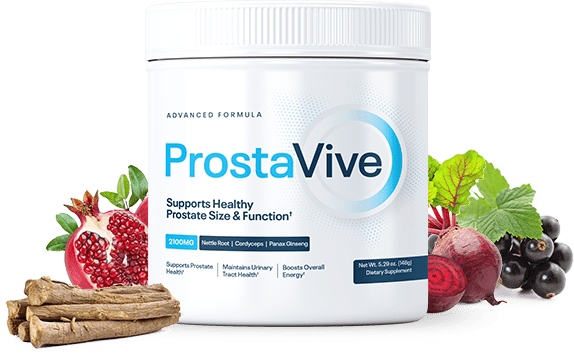
ProstaVive
Prostate-support product guide
View ProductAdd Men’s Performance Supplements to Google Preferred Sources or open this page in your preferred AI tool.
Compare current products by the fields that actually distinguish formulas inside this category. This page is a discovery directory, not a ranking.
Compare current examples →
Explore the complete published product catalog. Each card opens the relevant MenPS product guide.
Prostate-support product guide
View Product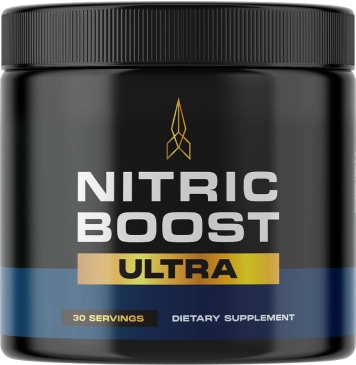
Nitric-oxide support guide
View Product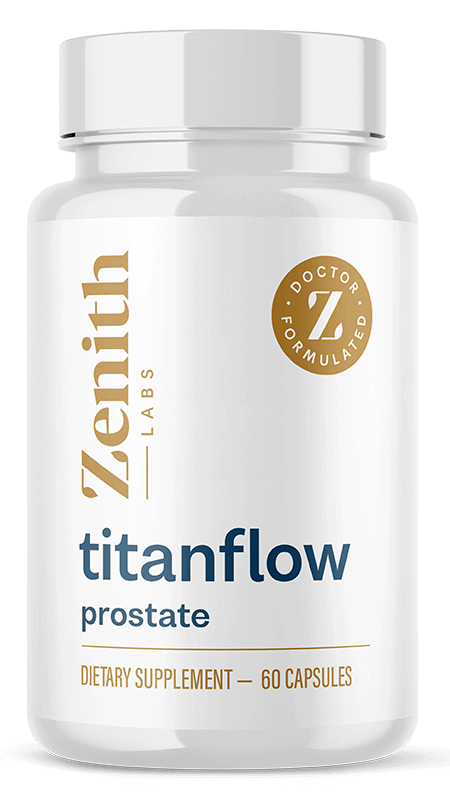
Prostate and urinary-support guide
View Product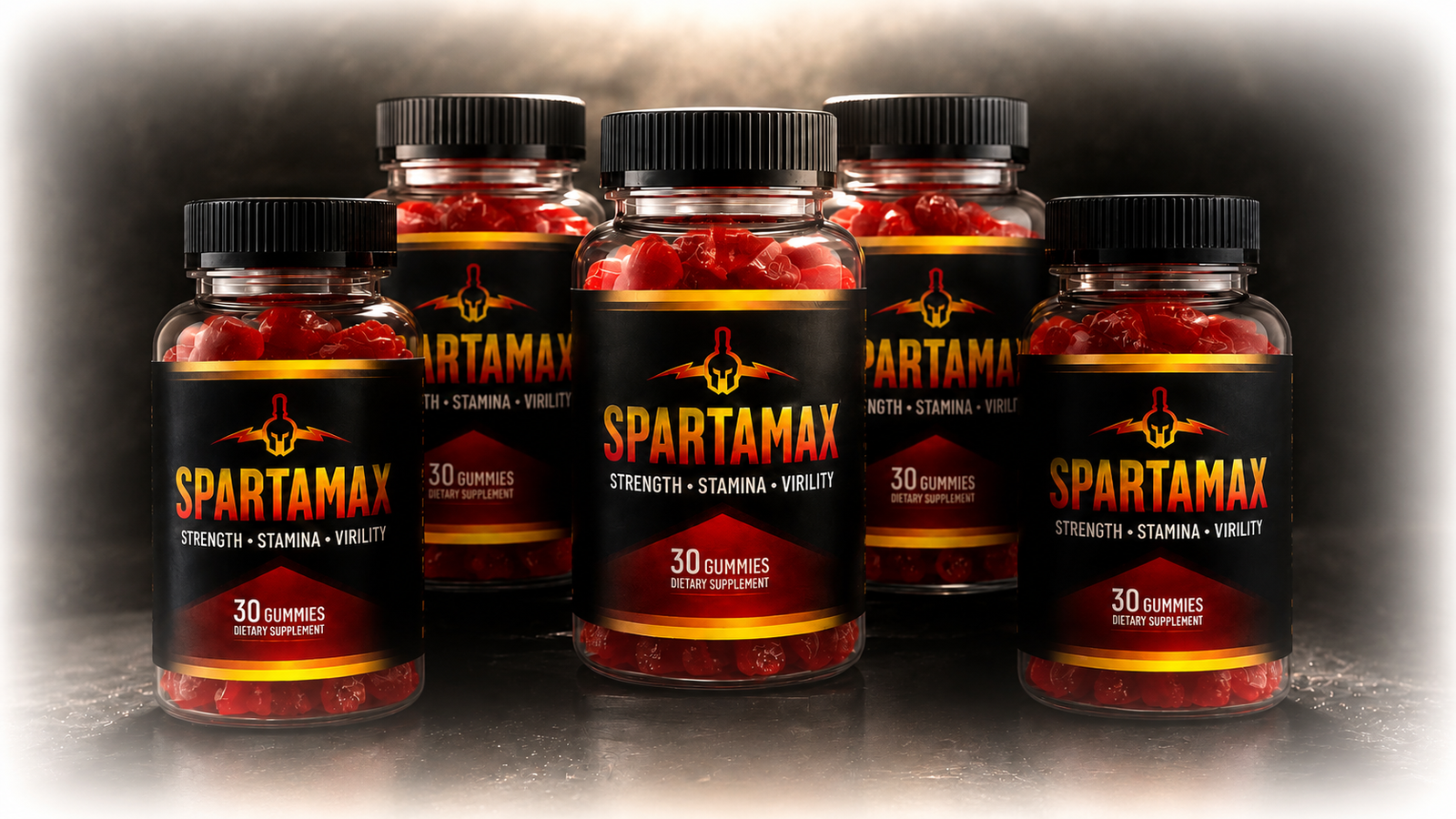
Men’s performance product guide
View Product
Oral-health supplement guide
View Product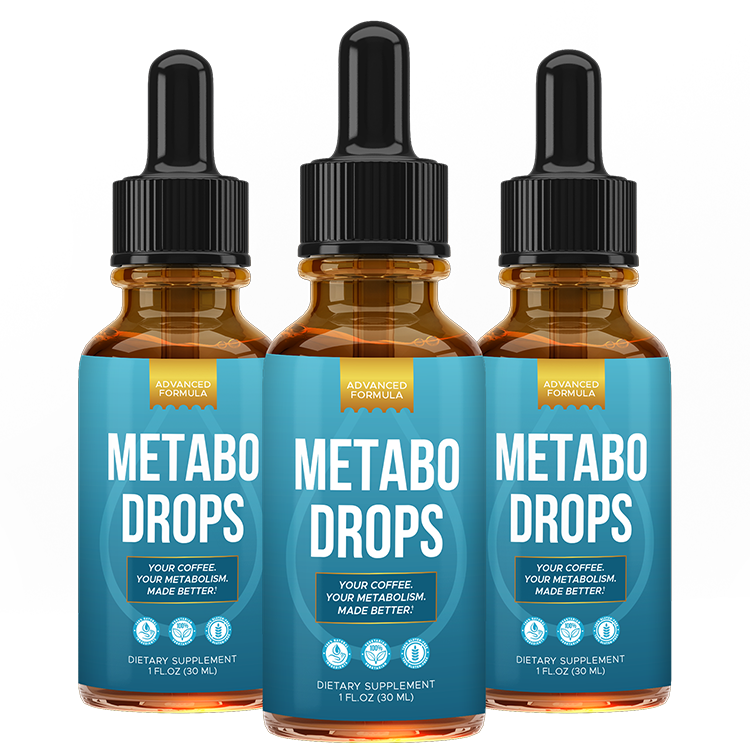
Coffee-added metabolic-support guide
View Product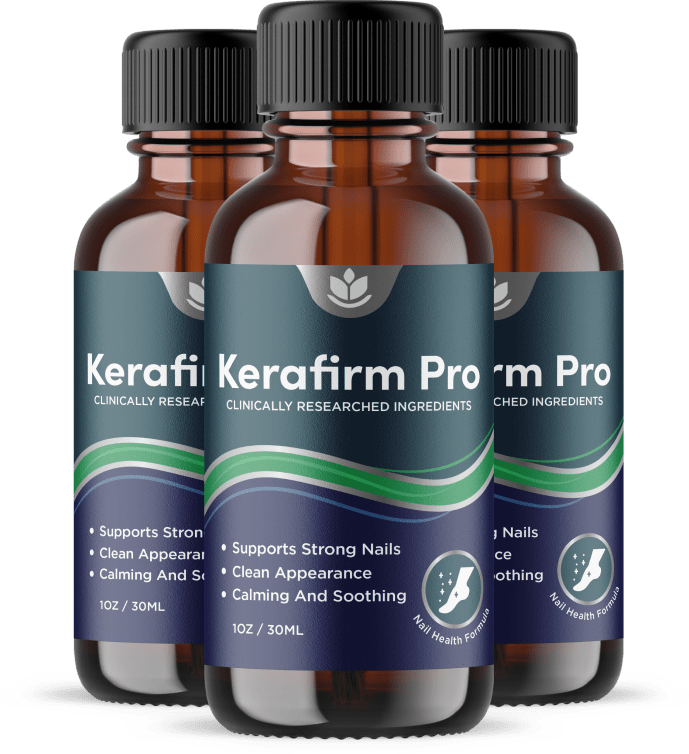
Topical nail-care product guide
View ProductCatalog research date: 14 August. Inclusion does not constitute endorsement.
| Product | Role | Freshness note |
|---|---|---|
| Optimum Nutrition Micronized Creatine Powder | Current official product active; unflavored India label provides 3 g pure creatine monohydrate per serving and is micronized. | Verify current label |
| Thorne Creatine | Current Thorne creatine product active; pure micronized creatine monohydrate. | Verify current label |
| NOW Sports Creatine Monohydrate | Current NOW Sports creatine monohydrate line remains active. Exact normalized dose should be captured from the live product label during rewrite. | Verify current label |
| Nutricost Creatine Monohydrate Powder | Current Nutricost page active; 5 g creatine monohydrate per serving, multiple powder sizes/flavors. | Verify current label |
| Naked Creatine Monohydrate Powder | Current Naked Nutrition page active; one-ingredient creatine monohydrate, 5 g per serving, NSF contents certified. | Verify current label |
| Klean Athlete Klean Creatine | Current Klean Athlete page active; 5 g creatine monohydrate per scoop, no other ingredients. | Verify current label |
Use this as a category comparison field where the current product data supports it.
Use this as a category comparison field where the current product data supports it.
Use this as a category comparison field where the current product data supports it.
Use this as a category comparison field where the current product data supports it.
Use this as a category comparison field where the current product data supports it.
Use this as a category comparison field where the current product data supports it.
MenPS organizes current products. MalePerformanceSupplements.com provides independent evidence and safety interpretation relevant to this category.
Creatine is for current finished products whose primary ingredient is creatine. The verified inventory is overwhelmingly creatine monohydrate, so the useful comparison is dose, micronization, ingredient simplicity, certification and serving format.
The current set is monohydrate-led, but MenPS should record the form from the live label rather than assume every creatine product is chemically identical.
Optimum Nutrition's current India product provides 3 g creatine monohydrate per serving. Nutricost, Naked Creatine and Klean Creatine provide 5 g per serving. Thorne uses pure micronized creatine monohydrate, while its exact normalized serving should continue to follow the current live label. Even within one ingredient class, labeled serving dose can differ materially.
Optimum Nutrition and Thorne emphasize micronized creatine monohydrate. MenPS should record micronization as a physical or manufacturing attribute without treating it as an automatic efficacy advantage.
Naked Creatine and Klean Creatine are current single-ingredient creatine monohydrate products. Nutricost also uses a straightforward creatine-monohydrate architecture. This is useful for users who prefer a minimal formula.
Naked Creatine currently uses NSF contents certification. Klean Athlete also emphasizes sport-oriented quality positioning. MenPS should record certification or testing only when directly supported by current manufacturer sources.
Use creatine form, grams per serving, micronized status, ingredient count, flavored versus unflavored format, certification or testing, serving count, current availability and source-check date.
Creatine owns creatine-product comparison. Pre-Workout should compare multi-ingredient exercise formulas, and Recovery should compare post-workout products. A creatine-containing blend does not automatically belong here unless creatine is the primary product identity.
Confirm creatine form, then compare grams per serving, micronization, ingredient simplicity, certification or testing and serving count. Flavoring can be treated as a format field. This simple model keeps Creatine distinct from multi-ingredient performance formulas where creatine is only one component.
MenPS should report the manufacturer's current serving rather than rewrite every product to a standard 5 g serving. A 3 g labeled serving and a 5 g labeled serving are both legitimate catalog facts. The page should avoid presenting either as a universal requirement or superiority signal.
The present inventory is unusually homogeneous compared with many supplement categories: most products are straightforward creatine monohydrate powders. That means small practical differences such as serving dose, micronization, certification, scoop size and ingredient count become more important than broad marketing categories.
The user should be able to distinguish 3 g from 5 g labeled servings, identify micronized versus non-micronized positioning, find single-ingredient products and see which formulas carry current certification. That gives Creatine a clear comparison role without duplicating broader sports-nutrition pages.
Creatine formulas are often simple, so small label changes matter. A serving can move from one scoop size to another, flavor variants can appear, and certifications can change. MenPS should therefore recheck serving dose, ingredient count, certification and availability even when the product name remains unchanged.
Official pages can verify form, serving amount and certification. MenPS should not claim that a 5 g serving is universally better than a 3 g serving or that micronization guarantees superior outcomes.
All six inventory rows were freshly checked during the September audit. No unresolved current-product status remains in this category. A practical comparison starts with creatine form, then serving dose, ingredient simplicity, micronization, certification, format and serving count.
The present set is useful precisely because most products share the same primary ingredient. That allows MenPS to isolate the differences that remain after ingredient identity is held constant: labeled serving dose, micronization, certification, ingredient simplicity, scoop format and serving count. In a category this homogeneous, those practical attributes create more genuine information gain than repeating general statements about creatine monohydrate.
Are all products here creatine monohydrate? The verified current set is monohydrate-led, but the live label still controls. Does micronized creatine work better? Micronization is a formulation attribute, not an automatic outcome claim. Why compare certification? Several current products are otherwise very similar.
Update rule: recheck serving dose, ingredient list, certification and availability together so a simple product name does not mask a changed formula or label.
Creatine is unusually suitable for normalized comparison because many products use relatively simple formulas. The useful starting point is the exact creatine form and the amount delivered per labeled serving, not the prominence of the product name on the front panel. When those fields are clear, users can compare like with like before considering secondary differences such as flavoring, format or package size.
A catalog should record the chemical form rather than treating every creatine-containing product as interchangeable. That is a product-identity field, not an efficacy verdict. MenPS makes the distinction visible; the independent evidence question belongs on MPS, where different forms and studied outcomes can be interpreted against the research rather than inferred from marketing language.
Scoop size is a packaging convention. What matters for comparison is how much creatine the manufacturer says one labeled serving supplies. A large scoop can contain flavoring or other ingredients, while a small scoop may still deliver a standard amount of a single active. Catalog data should therefore separate serving size from active quantity instead of collapsing them into one number.
A plain creatine product and a multi-ingredient performance formula may both contain creatine but should not be presented as direct substitutes without qualification. Combined products introduce additional actives, serving assumptions and disclosure questions. MenPS keeps those differences visible so a user can decide whether the goal is a simple creatine product or a broader formula.
Delivery format can change the number of scoops, capsules or servings needed to follow the label. That makes format a legitimate discovery filter. It does not make one format inherently more effective. The catalog should present format as a practical characteristic while keeping efficacy interpretation separate.
Sport certification, third-party testing or branded raw-material claims can matter to some buyers, especially competitive athletes. Those attributes should be recorded only where a current authoritative source supports them. A verified quality signal may address identity, contamination or banned-substance screening; it does not prove that the product improves performance.
A product that appears in one market or retailer should not automatically be treated as globally available. Phase 1 is written globally, so MenPS should identify the observed product and avoid implying equal availability across the United States, UK, Canada, India, Australia or other markets unless that market-specific status has been checked.
The practical workflow is to identify the product class, remove formulas that do not match the user’s constraints, compare disclosed amounts and formats, and then move into ingredient, quality or market views. The directory is designed to narrow a search without manufacturing an unexplained “best” list or converting product presence into an endorsement.
Product formulations, package sizes, availability and certification status can change. The examples on this page are discovery records, not rankings or endorsements, and current manufacturer information should be checked before relying on a time-sensitive catalog field.
MenPS publishes a category only when the product set and comparison fields are useful enough to justify a distinct page. If two proposed directories would contain essentially the same products and explanation, the preferred action is consolidation rather than creating another indexable keyword variant.
A catalog comparison should not imply that a familiar brand name changes the underlying evidence for creatine. MenPS records product-level attributes such as form, serving format and disclosed quantity, while MPS evaluates the research on creatine itself. Keeping those tasks separate prevents a product table from becoming an unsupported efficacy ranking.
When labels use different scoop sizes or serving conventions, the comparison should normalize the disclosed creatine amount per labeled serving and identify the form exactly as stated. Package size, flavor count and marketing language can remain secondary fields because they do not answer the core formula question.
If a current label does not clearly disclose a field, the catalog should say that the field is not disclosed rather than estimate it. That approach makes transparency itself visible and avoids giving a more complete-looking record to a product simply because a retailer description contains unsupported detail.
Creatine products can change flavor systems, package sizes, serving instructions or certification status. A useful directory therefore includes a last-verified date and links users back to the current manufacturer or authoritative source before purchase. The goal is a durable comparison method, not a permanent claim that a product never changes.
Open source used to verify current category/product presence — researched 14 Aug.
Newly published pages in this cluster provide a more specific next step without replacing the broader hub.