
ProstaVive
Prostate-support product guide
View ProductThis directory organizes current products commonly used in muscle-growth routines by product type, disclosed ingredients, serving data, and quality signals.
Add Men’s Performance Supplements to Google Preferred Sources or open this page in your preferred AI tool.
Use the catalog as a discovery layer, then follow the evidence links before deciding whether a product category fits your training and nutrition context.

Explore the complete published product catalog. Each card opens the relevant MenPS product guide.
Prostate-support product guide
View Product
Nitric-oxide support guide
View Product
Prostate and urinary-support guide
View Product
Men’s performance product guide
View Product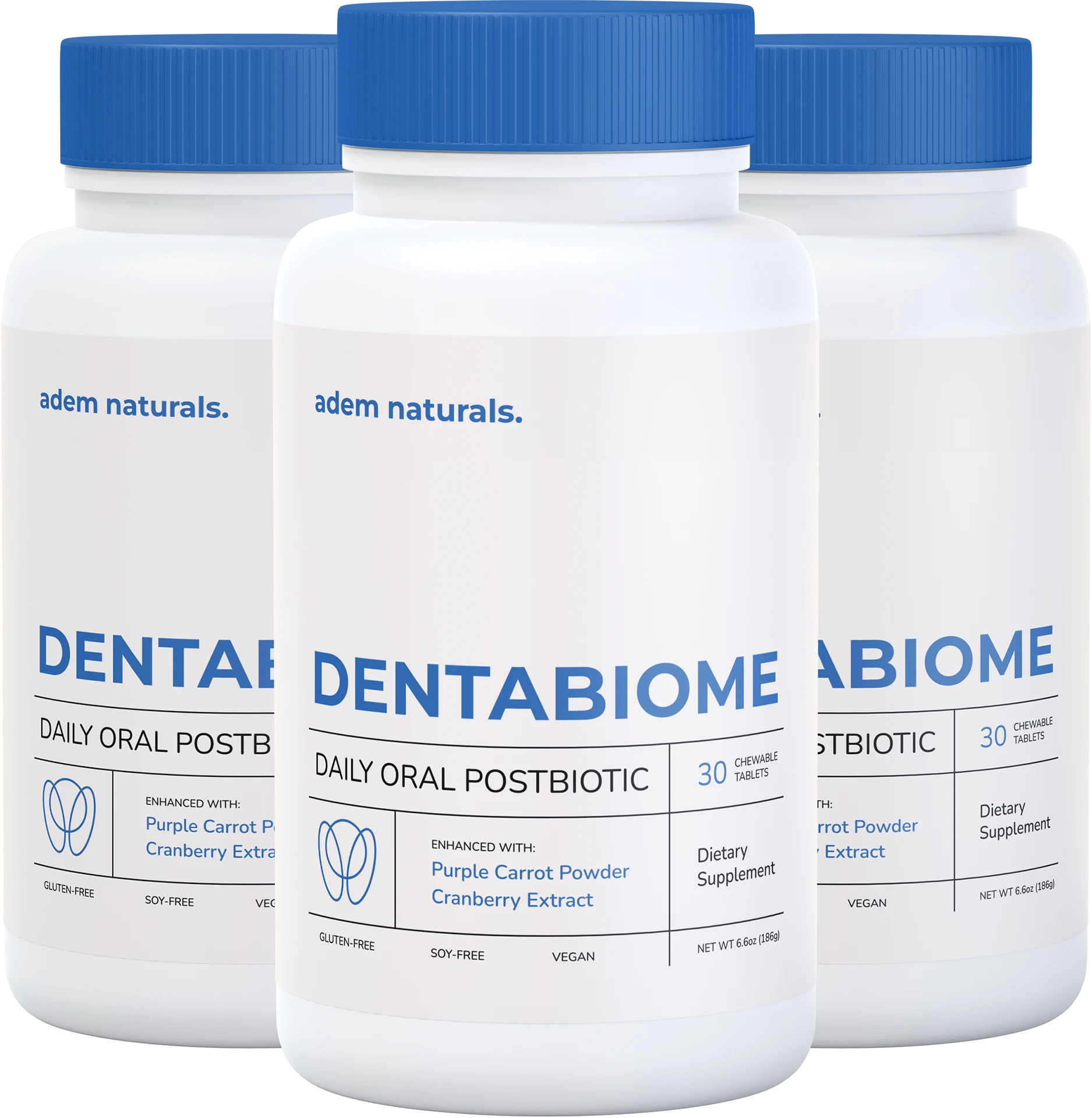
Oral-health supplement guide
View Product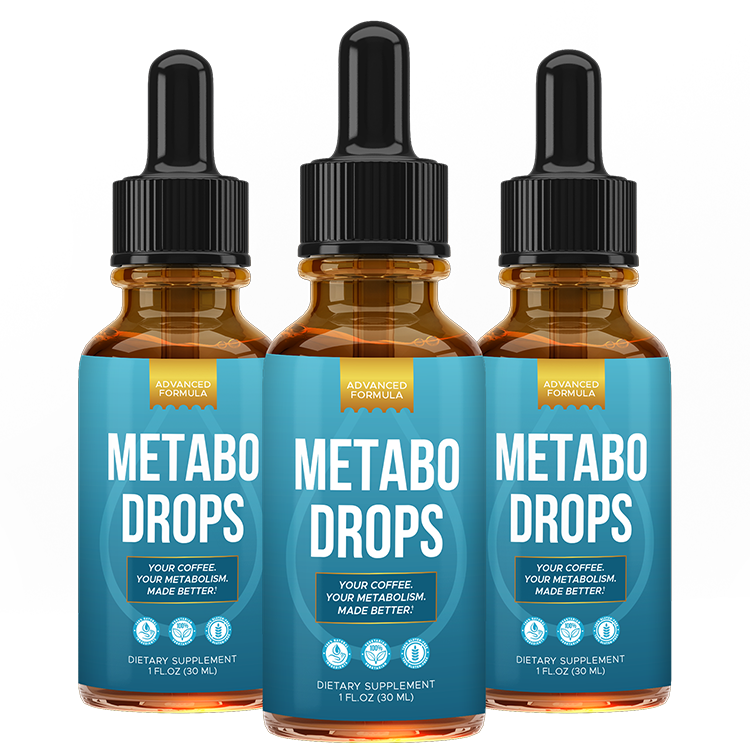
Coffee-added metabolic-support guide
View Product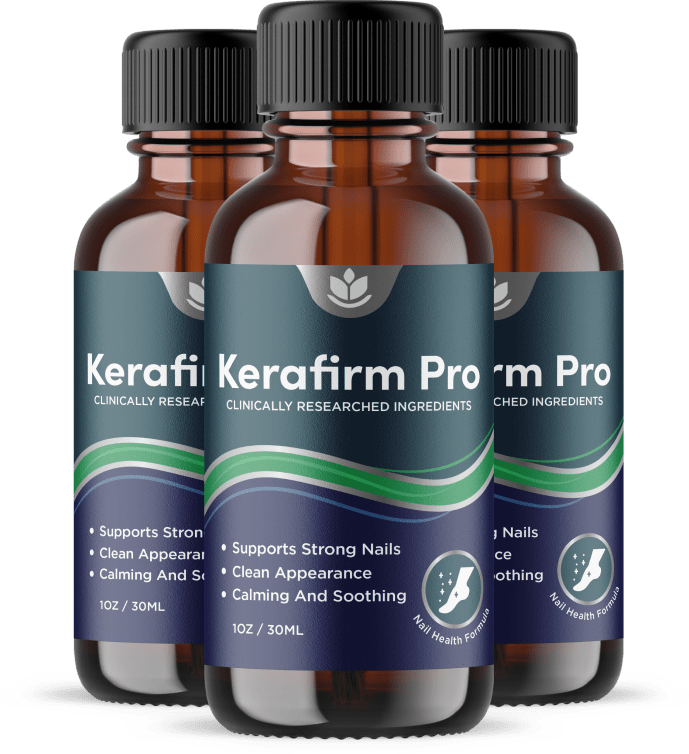
Topical nail-care product guide
View ProductUse this point as a practical comparison factor rather than as a guarantee of outcome.
Use this point as a practical comparison factor rather than as a guarantee of outcome.
Use this point as a practical comparison factor rather than as a guarantee of outcome.
Eight source-traced products are included in this Stage 6 snapshot. Inclusion is not an endorsement, ranking, or proof of efficacy.
| Product | Brand | Type | Protein/Form | Protein/serving | Creatine/serving |
|---|---|---|---|---|---|
| Grass-Fed Whey Protein Isolate | Transparent Labs | Unknown / not disclosed | whey protein isolate | 28 | Unknown / not disclosed |
| Gold Standard 100% Whey | Optimum Nutrition | Unknown / not disclosed | whey protein blend | 24 | Unknown / not disclosed |
| Whey Protein Isolate | Thorne | Unknown / not disclosed | whey protein isolate | 21 | Unknown / not disclosed |
| Whey Protein Isolate | Momentous | Unknown / not disclosed | whey protein isolate | 20 | Unknown / not disclosed |
| Creatine | Thorne | creatine monohydrate | Unknown / not disclosed | Unknown / not disclosed | manufacturer label to verify before deployment |
| Micronized Creatine Powder | Optimum Nutrition | creatine monohydrate | Unknown / not disclosed | Unknown / not disclosed | 5 |
| Klean Creatine | Klean Athlete | creatine monohydrate | Unknown / not disclosed | Unknown / not disclosed | 5 |
| Creatine Monohydrate Powder | NutraBio | creatine monohydrate | Unknown / not disclosed | Unknown / not disclosed | manufacturer label to verify before deployment |
Last verified for this production record: 18 August. Time-sensitive formula, certification and availability fields must be rechecked before deployment. Missing values remain unknown rather than being treated as zero.
This is a goal-based discovery page, not a ranking of products that are guaranteed to build muscle. Products qualify because their category and formula make them relevant to common muscle-growth routines, especially protein and creatine. The page records objective fields such as product type, key ingredient, disclosed amount, serving size, and quality signals. Marketing phrases such as 'mass builder' or 'anabolic' are not enough for inclusion if the underlying product data do not fit the directory's criteria.
Whey and other protein powders are useful when they help users reach an appropriate total protein intake. Product comparison should therefore focus on protein source, grams per serving, serving size, added ingredients, allergen context, and certification rather than on bodybuilding imagery. A 30-gram serving is not automatically superior to a 24-gram serving; the useful amount depends on the person's daily diet and target. The independent evidence question—how much protein supports muscle growth—belongs on MPS.
Creatine products belong in this goal directory because creatine monohydrate has strong evidence for strength and training adaptations in appropriate contexts. The product comparison is still narrower: creatine form, grams per serving, whether the formula includes other ingredients, and whether amounts are fully disclosed. Combination formulas should not receive extra credit merely for having more ingredients. A simple creatine monohydrate product can be easier to evaluate than a large multi-ingredient blend.
Some products marketed for muscle gain are high-calorie powders or 'mass gainers.' They may be useful for people struggling to consume enough energy, but they represent a different decision from protein adequacy or creatine supplementation. This directory should include them only when the architecture explicitly defines a useful comparison set and the label data can be normalized. Otherwise they are better handled on a dedicated calorie/mass-gainer page rather than mixed into a table that implies all muscle-growth products are interchangeable.
For protein products, useful quality fields include protein source, independent certification, ingredient transparency, and allergen information. For creatine, form and disclosed grams per serving matter more. For all products, a current label and clear serving size are basic requirements. MenPS does not infer clinical quality from price, package design, popularity, or retailer review scores. The aim is to reduce the time a user spends decoding labels before moving to the evidence layer.
First identify whether the real gap is protein intake, creatine supplementation, calorie intake, or something else. Then compare only the products that solve that specific problem. Use MPS to review the evidence and safety of the ingredient category. Finally, check the current label and serving instructions before purchase. This sequence prevents a broad goal such as 'muscle growth' from becoming an excuse to stack multiple products without a defined purpose.
A final comparison check is to separate verified product facts from interpretation. Brand copy can explain intended use, but it should not be copied into the catalog as proof. Users benefit more from a smaller set of verifiable fields than from a large table filled with inferred or stale claims. This page therefore favors current labels, explicit unknowns, and a visible verification date over false completeness.
The page is designed to narrow a product set by verifiable attributes and help users identify meaningful differences. It does not declare a winner because the right fit can depend on dose, format, tolerance, diet, training schedule, medication use, and other personal factors. Ranking without those inputs would create false precision. MenPS therefore emphasizes structured comparison, links to evidence, and current-source provenance rather than a universal score.
Protein powder, mass-gainer powder, amino-acid products, and complete foods can overlap in what they contribute to daily nutrition. A user who already meets protein and calorie needs may gain little from stacking several products that solve the same problem. The directory should help identify the specific gap first, then narrow products around that gap.
Use the table to narrow the field, not to outsource the final decision. Confirm the current label, identify the product attribute that matters to you, and follow the linked MPS evidence page when an efficacy or safety interpretation is required. If a critical field is unknown, treat that uncertainty as a reason to verify rather than as permission to assume. This keeps the catalog useful even as products and formulations change.
A useful directory should let a reader answer three questions quickly: what exactly differs between these products, which differences are verified from current sources, and which differences actually matter to the intended use. Fields that do not help answer those questions should not be added merely to make the table look comprehensive. Where an efficacy judgment is required, the page should hand off to MPS rather than turning manufacturer positioning into an independent conclusion. This keeps the commercial-investigation intent strong without sacrificing factual discipline.
Product identity and current formula come from manufacturer or label sources where possible. Certification comes from official programs. Ingredient efficacy is not determined from merchant copy; MenPS links to MPS for that analysis.
No. Inclusion is based on objective product/category relevance, not a guarantee of results.
They correspond to the strongest evidence-supported supplement categories relevant to resistance-training muscle growth.
No. The useful serving depends on total diet, dose, formula composition, and user needs.
They answer different needs. Whether both are useful depends on diet, training, goals, and tolerance.