Cause first
A supplement is more useful when the likely breath driver is understood rather than ignored.
If breath freshness is the goal, start by identifying the likely oral drivers and then compare products by formula type, ingredient relevance and evidence. Dentolyn may fit as a broader oral-health supplement, but it should not be treated as a proven halitosis therapy.
Add MenPS to your preferred sources or open this page in your preferred AI tool.
Bad breath can reflect tongue coating, plaque, gum problems, dry mouth and other factors. The buying decision should therefore begin with cause and routine fit, not with a product promise.
A supplement is more useful when the likely breath driver is understood rather than ignored.
Decide whether you want a named oral probiotic strain or a broader non-probiotic oral-health supplement.
Probiotic halitosis evidence is strain-specific and does not automatically apply to Dentolyn.
Compare current package economics only after the product type fits the goal.
Dentolyn is best assessed here as a non-probiotic oral-health supplement that may complement a broader fresh-breath routine.
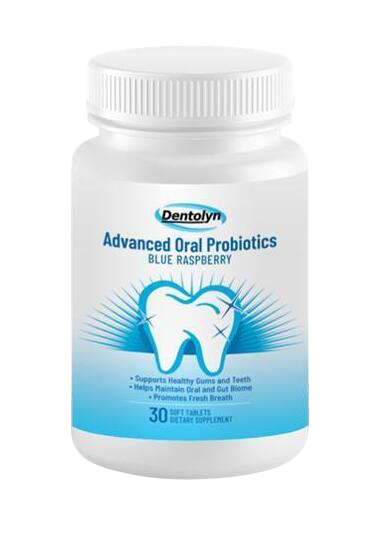
Dentolyn is evaluated here as an adjunctive oral-health supplement within the page-specific user goal.
Review product fit first, then compare the current package, price-per-bottle, shipping and guarantee terms before purchase.
Check Current Dentolyn Offer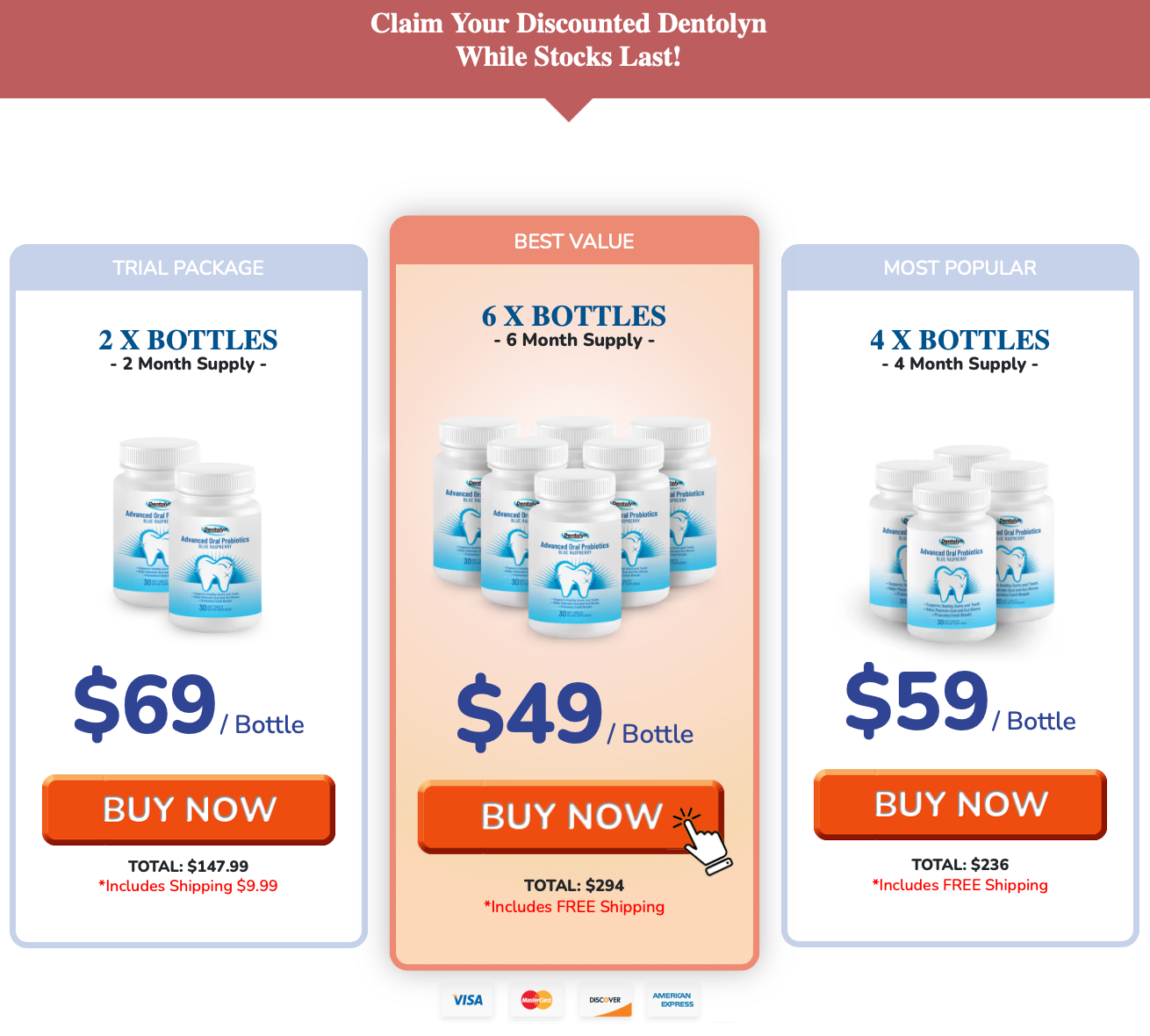
A fresh-breath buying decision should begin with the likely source of the problem. Breath concerns can be associated with tongue coating, plaque accumulation, gum problems, dry mouth, smoking, food patterns and other oral factors. That means a supplement should not be chosen as though bad breath were a single-condition problem with one universal product solution. A more useful approach is to ask what the user is already doing for tongue care, plaque control, hydration and routine dental care, then decide whether an additional oral-health product fills a genuine gap.
For MenPS, the important commercial distinction is between a product that contains a clearly identified live probiotic strain and a broader oral-health supplement that uses non-probiotic ingredients. That distinction matters because probiotic evidence is strain-specific. A product does not become a probiotic merely because it is marketed around the oral microbiome or fresh breath.
The currently reviewed Dentolyn formula does not identify a live probiotic strain. It is therefore more accurate to assess it as a broader oral-health supplement. Its current formula lists xylitol and vitamin C among other ingredients. Those ingredients can be relevant to oral-health comparison, but they do not prove that the complete Dentolyn product treats halitosis or produces a guaranteed breath outcome.
This positioning is useful because it keeps the buying decision realistic. Someone specifically seeking a strain-backed oral probiotic should compare Dentolyn with products that actually disclose the strain and dose. Someone seeking a once-daily oral-health supplement with xylitol and vitamin C may find Dentolyn more aligned with that goal.
Recent systematic reviews have reported promising halitosis outcomes for some named probiotic interventions, including changes in volatile sulfur compounds and organoleptic scores. Those findings are useful for understanding the product category, but they cannot be transferred to Dentolyn because the current Dentolyn formula does not list a live probiotic strain.
The same principle applies to xylitol. Xylitol has oral-health evidence in specific formats, especially chewing gum and confectionery. A once-daily multi-ingredient tablet creates a different exposure pattern. MenPS therefore treats xylitol as a relevant formula feature, not as proof that Dentolyn reproduces the effects observed in xylitol-gum trials.
A buyer can compare products using four filters. First, identify the likely breath driver. Second, check whether the product is probiotic, non-probiotic or a mixed formula. Third, compare relevant ingredients and delivery format. Fourth, separate product fit from commercial terms such as price, shipping and guarantee.
Dentolyn is strongest as a broader oral-health adjunct for users who want a simple tablet-format product and do not require a named probiotic strain. It is a weaker fit for users looking specifically for strain-level probiotic evidence or a product intended to treat persistent halitosis. Persistent breath problems should not be managed only with supplements when plaque, gum disease, dry mouth or another oral cause may require direct attention.
For deeper evidence on halitosis and oral probiotics, use the linked MPS Fresh Breath Support and Probiotics for Bad Breath pages. Those pages carry the research interpretation. MenPS stays focused on the commercial question: what kind of product fits the user's goal, what should be compared, and where Dentolyn sits within that decision.
MenPS uses the current manufacturer page for product identity, formula, serving direction and time-sensitive commercial facts. Manufacturer statements are not treated as independent efficacy evidence. Scientific interpretation is linked to the corresponding MPS evidence pages, and current price, shipping, guarantee and availability must be rechecked immediately before deployment.
Before purchase, confirm the current manufacturer formula and serving direction, identify the specific outcome you want, check whether the product type matches that outcome, separate ingredient evidence from finished-product evidence, compare delivery format and frequency where they matter, review the current package economics, and decide whether any persistent symptom should be assessed professionally rather than managed through supplementation alone. This checklist is intentionally product-neutral so the same buying logic can be used when comparing Dentolyn with another oral-health supplement.
A buyer should ask whether the product is intended to support general oral wellness, whether it contains a named probiotic strain, whether its ingredients have any breath-specific relevance, and whether persistent bad breath has been assessed for an oral cause. This makes the purchasing decision more precise. Someone who wants a strain-specific probiotic should not choose a non-probiotic formula simply because the page mentions the microbiome. Someone who wants a broader once-daily oral-health supplement may reasonably compare Dentolyn on convenience, formula transparency and current package value.
Dentolyn is a stronger fit when the user wants a simple oral-health supplement and is comfortable with an adjunctive role. It is a weaker fit when the buyer expects a product that directly treats chronic halitosis, wants a named live strain, or needs a product backed by finished-product clinical trials for breath outcomes. That distinction is commercially useful because it helps prevent a mismatch between search intent and product type.
**Can Dentolyn be called an oral probiotic?** Not from the current reviewed formula because no live probiotic strain is disclosed.
**Does xylitol make Dentolyn a fresh-breath treatment?** No. Xylitol is a relevant oral-health ingredient, but ingredient relevance is not product-level proof for halitosis.
**Should price determine the choice?** Only after product type and outcome fit are clear. A lower price per bottle does not compensate for a mismatch between the user's goal and the formula.
MenPS handles product discovery and commercial fit. MPS carries the deeper evidence and safety analysis.
After reviewing the outcome fit, formula, evidence links and limitations, compare the current package options and merchant terms.
Check Current Dentolyn Offer
This MenPS page is based on independent desk research. Product identity, formula, serving direction and time-sensitive commercial facts are based on the current manufacturer-disclosed information and should be rechecked before deployment. MenPS has not personally tested Dentolyn. Affiliate links may generate a commission, but they do not change the page's product classification, evidence boundaries or editorial conclusions.
Last verified for Stage 6 assembly: October 6, 2026.