Live strain disclosure
A probiotic product should identify the microorganism clearly enough to compare with research.
If oral-microbiome support is the goal, first determine what kind of product you are comparing. A true oral probiotic should identify a live strain. Dentolyn's current reviewed formula does not, so it should be evaluated as a non-probiotic oral-health supplement.
Add MenPS to your preferred sources or open this page in your preferred AI tool.
Microbiome marketing can blur together very different products. Some contain live named strains. Others contain nutrients, sugar alcohols or plant/mineral ingredients but no live probiotic organism.
A probiotic product should identify the microorganism clearly enough to compare with research.
A product can still be relevant to oral wellness without being a probiotic.
Oral-probiotic evidence is strain-, dose- and outcome-specific.
Current reviewed Dentolyn information does not list a live probiotic strain.
That makes Dentolyn more appropriately positioned here as a non-probiotic oral-health supplement within a broader oral-microbiome routine.
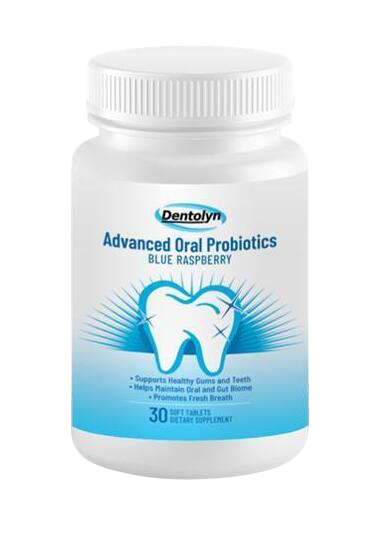
Dentolyn is evaluated here as an adjunctive oral-health supplement within the page-specific user goal.
Review product fit first, then compare the current package, price-per-bottle, shipping and guarantee terms before purchase.
Check Current Dentolyn Offer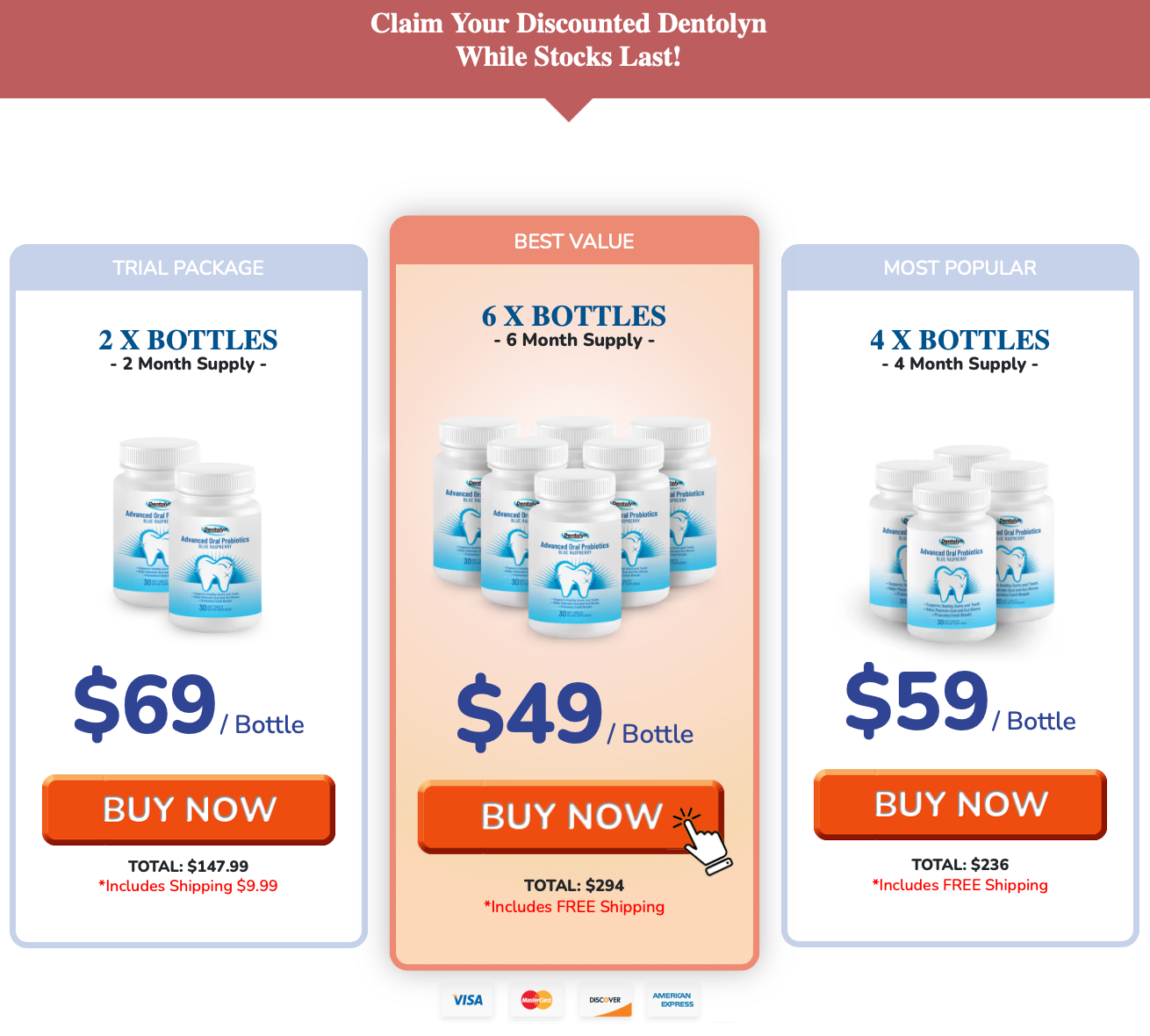
The phrase oral microbiome supplement can describe very different products. Some contain live microorganisms and are properly evaluated as probiotics. Others contain xylitol, nutrients, botanical ingredients or minerals and are better described as broader oral-health supplements. The buyer needs to know which type is being considered before comparing evidence.
A genuine probiotic comparison starts with organism and strain disclosure because oral-probiotic research is strain-specific. If the strain is not identified, research on another organism cannot be used as though it applies automatically.
The current manufacturer-disclosed Dentolyn formula does not list a live probiotic strain. MenPS therefore classifies it here as a non-probiotic oral-health supplement. That does not make the product irrelevant to oral-microbiome goals. It simply changes the basis on which it should be evaluated.
Its current formula includes xylitol, vitamin C and other listed ingredients. Those can be considered in relation to the oral environment and general oral wellness, but they do not convert the product into a probiotic and do not establish direct finished-product microbiome efficacy.
The most useful filters are product type, strain disclosure where applicable, formula transparency, delivery format, serving direction, the specificity of the health claim and whether the evidence matches the actual product. Users should also distinguish products intended for oral wellness from products making disease-treatment claims.
Dentolyn may be a reasonable fit for someone who wants a once-daily non-probiotic oral-health product and values xylitol and vitamin C as formula features. It is a weaker fit for someone whose main goal is to use a named probiotic strain studied for halitosis or another specific outcome.
Recent oral-probiotic reviews show that outcomes depend on strain, dose, duration and the condition being studied. That is precisely why MenPS avoids broad statements such as 'supports good bacteria' unless the product evidence and formula justify them. The current Dentolyn material supports product identity and manufacturer positioning, but not a claim that the finished product clinically reshapes the oral microbiome.
The MPS Oral Microbiome Support and Oral Probiotic Evidence pages are the correct locations for deeper research interpretation. MenPS uses those pages as evidence bridges rather than repeating them.
After the buyer understands that Dentolyn is not currently a strain-specific probiotic, the normal commercial questions become easier to answer: does the tablet format fit the routine, does the formula align with the user's goal, are the current package options acceptable, and are the merchant terms clear? This sequence avoids buying a product for a category identity it does not actually have.
MenPS uses the current manufacturer page for product identity, formula, serving direction and time-sensitive commercial facts. Manufacturer statements are not treated as independent efficacy evidence. Scientific interpretation is linked to the corresponding MPS evidence pages, and current price, shipping, guarantee and availability must be rechecked immediately before deployment.
Before purchase, confirm the current manufacturer formula and serving direction, identify the specific outcome you want, check whether the product type matches that outcome, separate ingredient evidence from finished-product evidence, compare delivery format and frequency where they matter, review the current package economics, and decide whether any persistent symptom should be assessed professionally rather than managed through supplementation alone. This checklist is intentionally product-neutral so the same buying logic can be used when comparing Dentolyn with another oral-health supplement.
A buyer should identify whether the desired product is probiotic, prebiotic, antimicrobial, nutrient-based or a broader oral-wellness formula. Those categories should not be collapsed into one 'microbiome' label. The next question is whether the product discloses the components needed to compare it with relevant evidence.
Dentolyn is a stronger fit for someone who wants a non-probiotic oral-health supplement and values ingredients such as xylitol and vitamin C. It is a weaker fit for someone specifically looking for Streptococcus salivarius or another named live strain supported by strain-specific oral-probiotic research. That buyer should compare actual probiotic products instead.
**Can a non-probiotic product still be relevant to oral wellness?** Yes, but the claim should be framed around the actual formula rather than borrowed probiotic research.
**Why does strain disclosure matter?** Because probiotic outcomes are not transferable automatically between organisms or strains.
**Should Dentolyn be described as balancing the oral microbiome?** Only if the current evidence directly supports that claim. The reviewed materials do not establish finished-product microbiome efficacy, so MenPS should use narrower product-fit language.
Suppose a buyer searches for an oral microbiome supplement after reading about probiotics. If the buyer specifically wants a live strain, Dentolyn would not match that requirement based on the current reviewed formula. If the buyer instead wants a non-probiotic oral-health tablet containing xylitol and vitamin C, Dentolyn becomes more relevant. This scenario illustrates why product classification should happen before price comparison or brand preference.
MenPS handles product discovery and commercial fit. MPS carries the deeper evidence and safety analysis.
After reviewing the outcome fit, formula, evidence links and limitations, compare the current package options and merchant terms.
Check Current Dentolyn Offer
This MenPS page is based on independent desk research. Product identity, formula, serving direction and time-sensitive commercial facts are based on the current manufacturer-disclosed information and should be rechecked before deployment. MenPS has not personally tested Dentolyn. Affiliate links may generate a commission, but they do not change the page's product classification, evidence boundaries or editorial conclusions.
Last verified for Stage 6 assembly: October 6, 2026.