
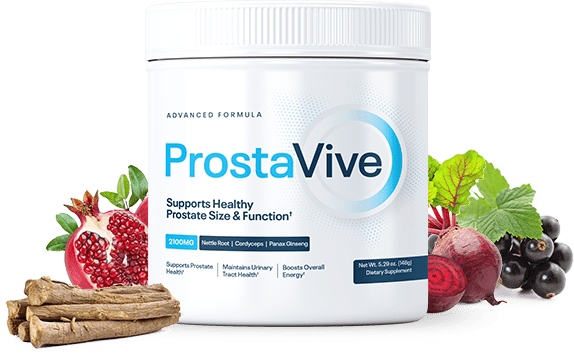
ProstaVive
Prostate-support product guide
View ProductThis page organizes products explicitly marketed to men in older age groups using age targeting, product type, label data, and quality signals.
Add Men’s Performance Supplements to Google Preferred Sources or open this page in your preferred AI tool.
The catalog below makes the age positioning visible while keeping product facts separate from medical or efficacy claims.

Explore the complete published product catalog. Each card opens the relevant MenPS product guide.
Prostate-support product guide
View Product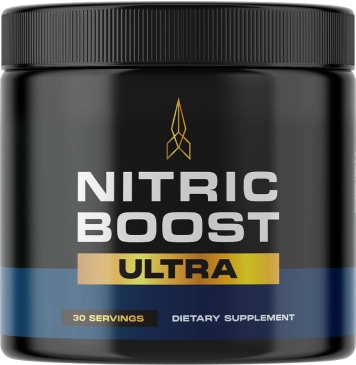
Nitric-oxide support guide
View Product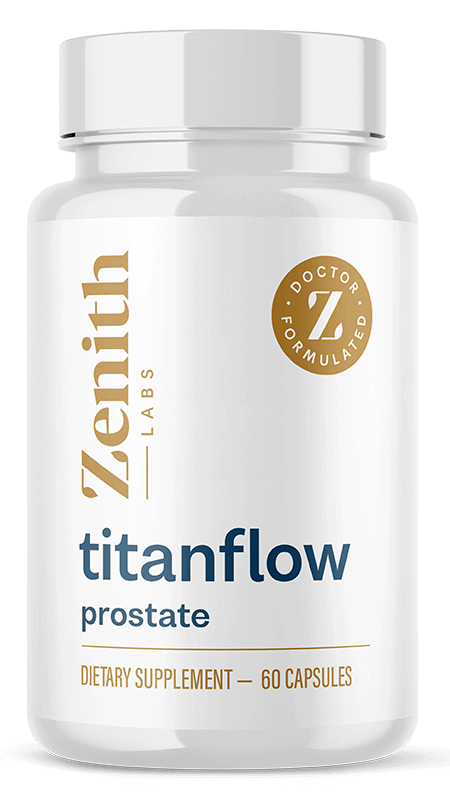
Prostate and urinary-support guide
View Product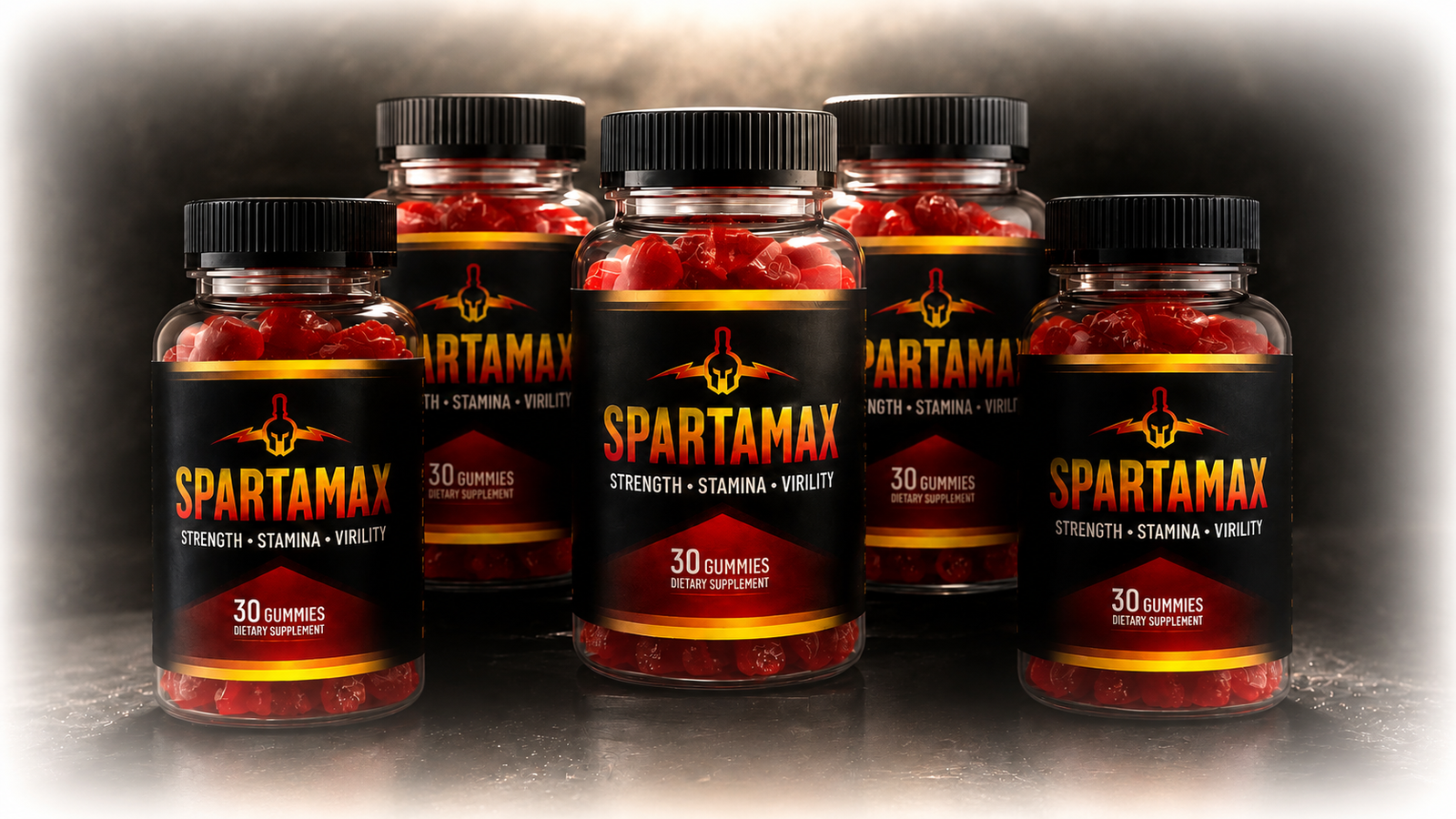
Men’s performance product guide
View Product
Oral-health supplement guide
View Product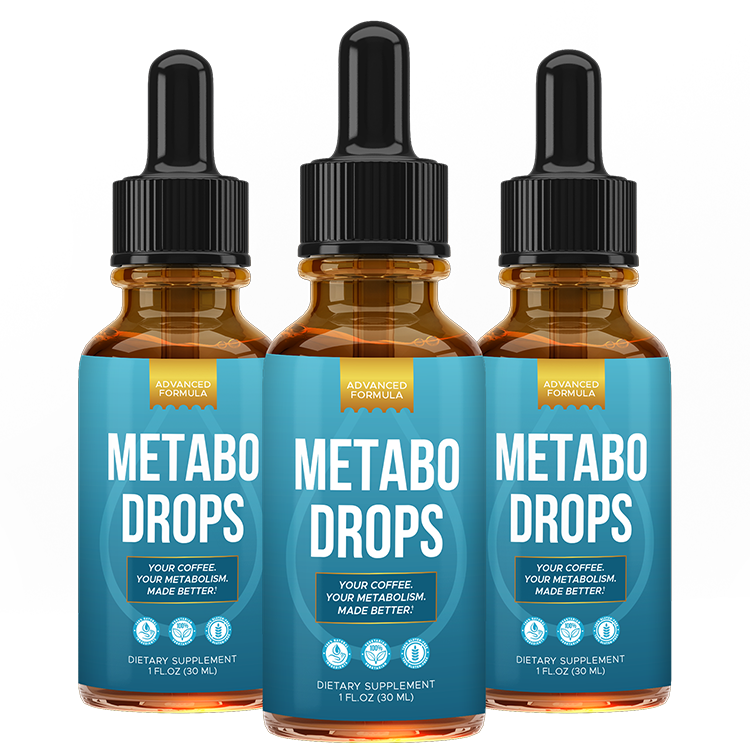
Coffee-added metabolic-support guide
View Product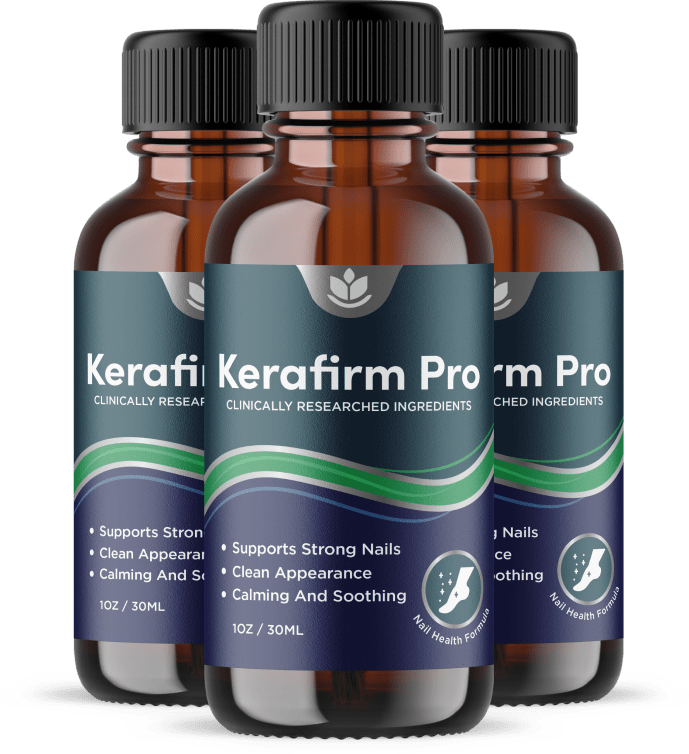
Topical nail-care product guide
View ProductUse this point as a practical comparison factor rather than as a guarantee of outcome.
Use this point as a practical comparison factor rather than as a guarantee of outcome.
Use this point as a practical comparison factor rather than as a guarantee of outcome.
Eight source-traced products are included in this Stage 6 snapshot. Inclusion is not an endorsement, ranking, or proof of efficacy.
| Product | Brand | Age positioning | Type |
|---|---|---|---|
| Every Man's One Daily 40+ Multivitamin | New Chapter | 40+ | multivitamin |
| Every Man's One Daily 55+ Multivitamin | New Chapter | 55+ | multivitamin |
| Men's 50+ Multi | One A Day | 50+ | multivitamin tablet |
| Men's 50+ Multi Gummy | One A Day | 50+ | multivitamin gummy |
| Multi for Him 50+ Tablets | Nature Made | 50+ | multivitamin tablet |
| Centrum Silver Men 50+ | Centrum | 50+ | multivitamin tablet |
| Centrum Minis Men 50+ | Centrum | 50+ | multivitamin mini-tablet |
| Essential for Men 50+ | Ritual | 50+ | multivitamin |
Last verified for this production record: 18 August. Time-sensitive formula, certification and availability fields must be rechecked before deployment. Missing values remain unknown rather than being treated as zero.
Products marketed to men 40+, 50+, or 55+ often change nutrient amounts, tablet size, ingredient mix, or marketing emphasis compared with standard men's multivitamins. This directory records that age positioning so users can compare products that actually make the claim. It does not assume that turning 40 creates a biological requirement for a supplement. Whether a person needs vitamin D, B12, magnesium, iron avoidance, or another nutrient depends on diet, laboratory findings, medications, health status, and clinician guidance.
Age-specific men's supplements are most commonly multivitamins, so they form the clearest normalized comparison set. Useful fields include stated age segment, serving size, dosage form, key nutrients, whether iron is included, and quality/testing signals. A '50+' label can hide large differences in vitamin D, B12, zinc, magnesium, and other nutrients. The page should therefore make the actual label more visible than the age-focused branding.
One brand may define an older-men formula at age 40, another at 50, and another at 55. These thresholds are marketing and product-positioning decisions, not universal clinical cutoffs. MenPS preserves the manufacturer's stated age segment rather than normalizing them into a false medical category. That allows users to compare what the products say without implying that an evidence-based rule changes at a specific birthday.
Look at serving size, nutrient amounts, ingredient forms, tablet or gummy format, sugar content where relevant, allergens, and independent certification. Gummies may be easier to take but can deliver different nutrient amounts than tablets. One-daily products may trade breadth or dose for convenience. Multiple-tablet packs may offer more ingredients but can reduce adherence. The best fit is therefore a practical and dietary question, not simply the product with the longest ingredient list.
As people age, medication use and chronic conditions become more common, increasing the importance of checking interactions and avoiding unnecessary duplication. A multivitamin can add nutrients already supplied by fortified foods or separate supplements. Some ingredients may interfere with medications or laboratory testing. MenPS does not attempt to personalize medical advice; the directory is designed to surface label facts so users can have a more informed discussion with a healthcare professional when needed.
Start by deciding whether you are specifically seeking a multivitamin or another category. Compare the label against your diet and any clinician-identified needs. Avoid treating an 'over 40' badge as evidence that a formula is necessary. If a product contains additional herbal or hormone-support ingredients, review those separately rather than assuming the age-targeted branding validates them. Use MPS for evidence on individual ingredients and safety questions.
A final comparison check is to separate verified product facts from interpretation. Brand copy can explain intended use, but it should not be copied into the catalog as proof. Users benefit more from a smaller set of verifiable fields than from a large table filled with inferred or stale claims. This page therefore favors current labels, explicit unknowns, and a visible verification date over false completeness.
The page is designed to narrow a product set by verifiable attributes and help users identify meaningful differences. It does not declare a winner because the right fit can depend on dose, format, tolerance, diet, training schedule, medication use, and other personal factors. Ranking without those inputs would create false precision. MenPS therefore emphasizes structured comparison, links to evidence, and current-source provenance rather than a universal score.
A 50+ multivitamin may already contain vitamin D, zinc, B12, selenium, and other nutrients that a user is taking separately. Comparing the full label can prevent accidental duplication. This matters because more nutrients are not automatically better, and tolerable upper intake levels or medication interactions may become relevant for some nutrients.
Use the table to narrow the field, not to outsource the final decision. Confirm the current label, identify the product attribute that matters to you, and follow the linked MPS evidence page when an efficacy or safety interpretation is required. If a critical field is unknown, treat that uncertainty as a reason to verify rather than as permission to assume. This keeps the catalog useful even as products and formulations change.
A useful directory should let a reader answer three questions quickly: what exactly differs between these products, which differences are verified from current sources, and which differences actually matter to the intended use. Fields that do not help answer those questions should not be added merely to make the table look comprehensive. Where an efficacy judgment is required, the page should hand off to MPS rather than turning manufacturer positioning into an independent conclusion. This keeps the commercial-investigation intent strong without sacrificing factual discipline.
Products are included because current official sources identify them as age-targeted men's products. MenPS records the stated age segment exactly and does not convert that marketing attribute into a medical recommendation.
No. Age alone does not establish a supplement need.
No. Age thresholds and formula choices vary by manufacturer.
Not always. Nutrient amounts, serving size, sugar, and ingredient breadth can differ.
Potential interactions and duplicate nutrient exposure become more important when multiple medications and supplements are used.