
ProstaVive
Prostate-support product guide
View ProductAdd Men’s Performance Supplements to Google Preferred Sources or open this page in your preferred AI tool.
Compare current products by the fields that actually distinguish formulas inside this category. This page is a discovery directory, not a ranking.
Compare current examples →
Explore the complete published product catalog. Each card opens the relevant MenPS product guide.
Prostate-support product guide
View Product
Nitric-oxide support guide
View Product
Prostate and urinary-support guide
View Product
Men’s performance product guide
View Product
Oral-health supplement guide
View Product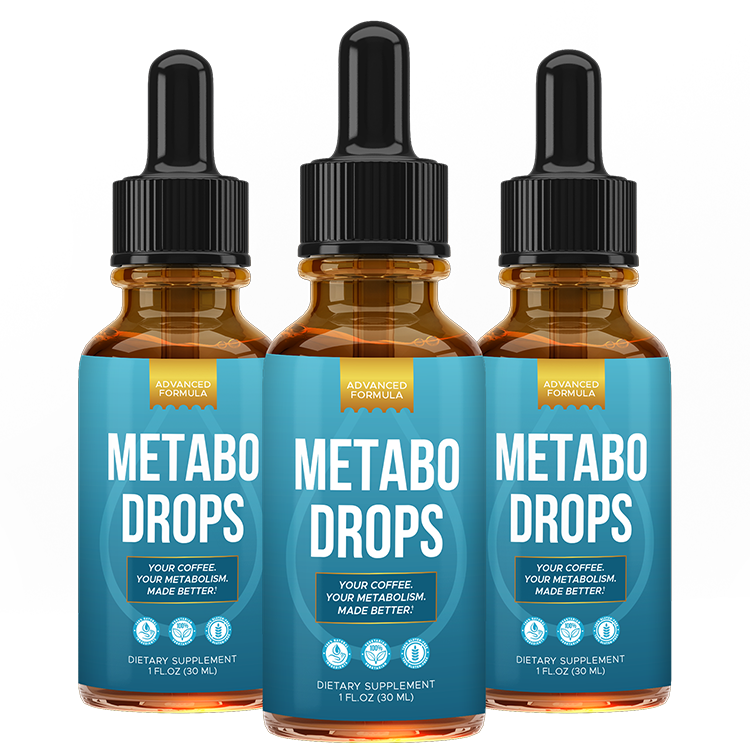
Coffee-added metabolic-support guide
View Product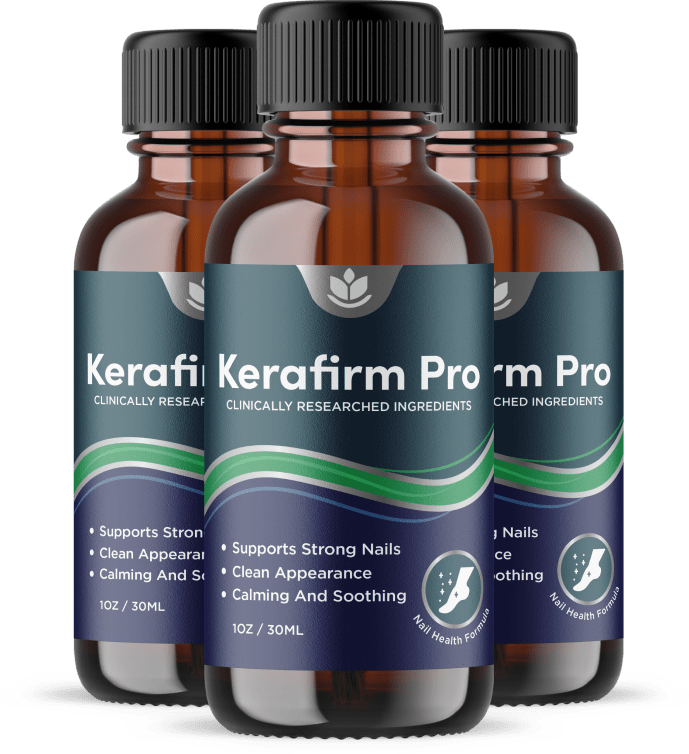
Topical nail-care product guide
View ProductCatalog research date: 14 August. Inclusion does not constitute endorsement.
| Product | Role | Freshness note |
|---|---|---|
| California Gold Nutrition Total Veggie Joint Support Formula | Current official page active; 2-capsule serving provides 750 mg glucosamine sulfate, 500 mg MSM, 200 mg chondroitin sulfate and 50 mg hyaluronic acid. | Verify current label |
| California Gold Nutrition Glucosamine Chondroitin MSM + Hyaluronic Acid | Current official page active; 2 capsules provide 750 mg glucosamine HCl, 600 mg chondroitin sulfate, 500 mg MSM and 50 mg hyaluronic acid. | Verify current label |
| Doctor's Best Glucosamine Chondroitin MSM | Current official page active but product presently shows sold out; 4-capsule serving uses glucosamine, chondroitin and MSM/OptiMSM architecture. | Verify current label |
| Solgar Glucosamine Hyaluronic Acid Chondroitin MSM | Current Solgar page active; 3 tablets provide 1,500 mg glucosamine HCl, 1,200 mg chondroitin sulfate, 1,500 mg MSM plus BioCell Collagen Type II/HA. | Verify current label |
| Swanson Glucosamine, Chondroitin & MSM - Highest Strength 3-in-1 Formula | Current Swanson page lists a 3-tablet serving with 750 mg glucosamine sulfate, 600 mg chondroitin sulfate and 450 mg MSM; product is currently orderable. | Verify current label |
| Life Extension ArthroMax Advanced | Current official page active; finished joint formula uses undenatured type II collagen, Boswellia serrata, glucosamine and boron. | Verify current label |
Use this as a category comparison field where the current product data supports it.
Use this as a category comparison field where the current product data supports it.
Use this as a category comparison field where the current product data supports it.
Use this as a category comparison field where the current product data supports it.
Use this as a category comparison field where the current product data supports it.
Use this as a category comparison field where the current product data supports it.
MenPS organizes current products. MalePerformanceSupplements.com provides independent evidence and safety interpretation relevant to this category.
Joint Support is for finished products built around joint comfort, mobility or cartilage-support architecture. Compare formula class first: glucosamine/chondroitin/MSM combinations, collagen/boswellia formulas, or broader multi-component systems.
California Gold Nutrition Total Veggie Joint Support currently provides 750 mg glucosamine sulfate, 500 mg MSM, 200 mg chondroitin sulfate and 50 mg hyaluronic acid per two capsules. Its Glucosamine Chondroitin MSM + Hyaluronic Acid product instead provides 750 mg glucosamine HCl, 600 mg chondroitin sulfate, 500 mg MSM and 50 mg hyaluronic acid. Similar front-label ingredients can therefore hide materially different forms and amounts.
Solgar currently uses three tablets to provide 1,500 mg glucosamine HCl, 1,200 mg chondroitin sulfate and 1,500 mg MSM, plus BioCell Collagen Type II and hyaluronic acid. Swanson's current highest-strength 3-in-1 formula also uses three tablets and provides 750 mg glucosamine sulfate, 600 mg chondroitin sulfate and 450 mg MSM. Compare full labeled servings, not tablet counts alone.
Life Extension ArthroMax Advanced follows a different architecture built around undenatured type II collagen, Boswellia serrata, glucosamine and boron. Collagen and boswellia should therefore be explicit fields rather than hidden inside a generic blend label.
Several current formulas include hyaluronic acid, but amount and source differ. Record presence and the disclosed amount separately from glucosamine, chondroitin and MSM totals.
Doctor's Best Glucosamine Chondroitin MSM remains a current official product, but the inspected product page presently shows sold out. MenPS should retain current identity while recording availability independently.
Use glucosamine form and amount, chondroitin amount, MSM amount, hyaluronic acid, collagen type, boswellia, serving size, tablet or capsule burden, availability and source-check date.
Joint Support owns finished mobility and cartilage-oriented formulas. Collagen should compare collagen-source and collagen-type products directly, while Recovery should focus on post-workout or exercise-recovery products. A collagen-containing joint formula stays here when its finished-product intent is joint support.
The present six-product set contains several formulas that look similar at a glance but diverge meaningfully once the exact glucosamine form, chondroitin amount, MSM amount and added collagen or hyaluronic acid are exposed. That is the main reason this page should remain a structured comparison page rather than a generic list of joint brands.
First identify whether the user wants a classic glucosamine/chondroitin/MSM formula or a collagen/boswellia-oriented product. Second compare the full-serving quantities of glucosamine, chondroitin and MSM. Third check hyaluronic acid, collagen type and boswellia. Finally compare serving burden and availability. This sequence keeps the comparison centered on formula architecture rather than brand reputation.
Glucosamine sulfate and glucosamine hydrochloride should not be collapsed into one undifferentiated glucosamine field. Likewise, chondroitin should retain its disclosed sulfate amount, and collagen should record the specific type where stated. This avoids creating artificial equivalence between formulas that use the same ingredient family in different forms.
The intended user outcome is not “pick the top joint supplement.” It is to narrow the category to a formula architecture, understand the full-serving amounts, identify meaningful additions such as collagen or hyaluronic acid, and recognize whether a current product is available. That is a materially different task from a generic ranking page and gives the page a clear reason to exist.
Exact ingredient forms and amounts should sit close to the manufacturer source that supports them. This is especially important when a product uses glucosamine sulfate rather than hydrochloride, or adds branded collagen or boswellia components. MenPS should avoid carrying older retailer-only values forward when a current official label is available.
Manufacturer pages can verify ingredient forms, amounts and availability. They do not independently establish that one finished joint supplement improves pain, cartilage or mobility more than another. MenPS therefore treats composition as a catalog fact, not a clinical ranking.
All six current rows were freshly verified during the September audit. Swanson was normalized to its current manufacturer identity, and Doctor's Best stock status is flagged separately. A useful shopper workflow is to choose the desired formula class, compare full-serving amounts, then check whether collagen, boswellia or hyaluronic acid are present before considering serving burden and availability.
Is more glucosamine automatically better? No. Form, chondroitin/MSM architecture and serving size also differ. Why is ArthroMax different? It uses collagen/boswellia architecture rather than a conventional GCM-only formula. Should sold-out products be removed? No. Current identity and live stock status are separate facts.
Joint-support products may contain glucosamine, chondroitin, collagen, botanicals, minerals or combinations. The category label does not make these formulas equivalent, so MenPS should expose the principal ingredients before any comparison is attempted.
Ingredient presence alone is not enough to compare formulas. Where current labels provide quantities, those values should be visible so users can distinguish a token inclusion from a more substantial part of the formula without assuming that a larger dose is automatically better.
A simple product and a broad multi-ingredient blend may suit different shopping preferences. MenPS should keep formula complexity visible rather than rewarding the number of ingredients.
Several capsules per day, powders and other formats can create very different routines. Serving burden is a legitimate catalog field because it affects practical use even though it does not establish efficacy.
Words such as mobility, flexibility or joint comfort describe positioning. MenPS can record that positioning but should not convert it into a medical claim or infer that the product treats a joint disorder.
Testing or certification claims should be recorded only where a current authoritative source supports them. Product-quality information and evidence of clinical benefit remain separate questions.
Multi-ingredient products can introduce interaction or contraindication questions. The catalog should direct users to appropriate evidence and safety resources rather than implying that category inclusion establishes suitability.
A practical path is to identify preferred ingredients, compare disclosed amounts and serving burden, check transparency and quality information, and then verify the current label. This narrows the product set without manufacturing a ranking.
Product formulations, package sizes, availability and certification status can change. The examples on this page are discovery records, not rankings or endorsements, and current manufacturer information should be checked before relying on a time-sensitive catalog field.
MenPS publishes a category only when the product set and comparison fields are useful enough to justify a distinct page. If two proposed directories would contain essentially the same products and explanation, the preferred action is consolidation rather than creating another indexable keyword variant.
Joint-support products can be organized into glucosamine/chondroitin combinations, collagen-based products, botanical formulas and broader blends. Showing the formula family first makes comparisons more coherent than treating every product with a joint-support label as equivalent.
Some ingredients may be derived from animal or marine sources, while other products are positioned as vegetarian. Where current labels provide this information, MenPS should record it because it can materially affect user choice without implying a difference in clinical effectiveness.
A product can be marketed for joint comfort or mobility without being a treatment for arthritis or another medical condition. MenPS should keep those marketing descriptors separate from evidence claims and route health interpretation to MPS or appropriate professional advice.
Combination formulas can require multiple capsules or tablets per day. Recording the labeled serving makes the comparison more useful and can reveal differences in convenience even when two products contain similar headline ingredients.
A low-cost bottle is not directly comparable with a broader formula unless the principal ingredients, their disclosed amounts and the labeled serving are considered together. MenPS should therefore place composition ahead of package-level marketing fields. This also helps users identify when two products that share one headline ingredient differ materially in everything else.
Joint-support labels can use different ingredient sources, naming conventions and serving instructions. When a clean comparison would require assumptions, the catalog should preserve the original disclosure rather than forcing a standardized value. Transparent incompleteness is more useful than a precise-looking field built from uncertain conversions.
Joint-support products often remain on retailer pages after a formula, package or serving instruction has changed. Each structured record should therefore carry a verification date and, where practical, a direct manufacturer source. If a retailer and manufacturer disagree, the current manufacturer label should control formulation fields. This approach prevents an old package image or cached listing from becoming the basis for a current comparison and makes later updates easier to audit.
Open source used to verify current category/product presence — researched 14 Aug.