ProstaVive
Prostate-support product guide
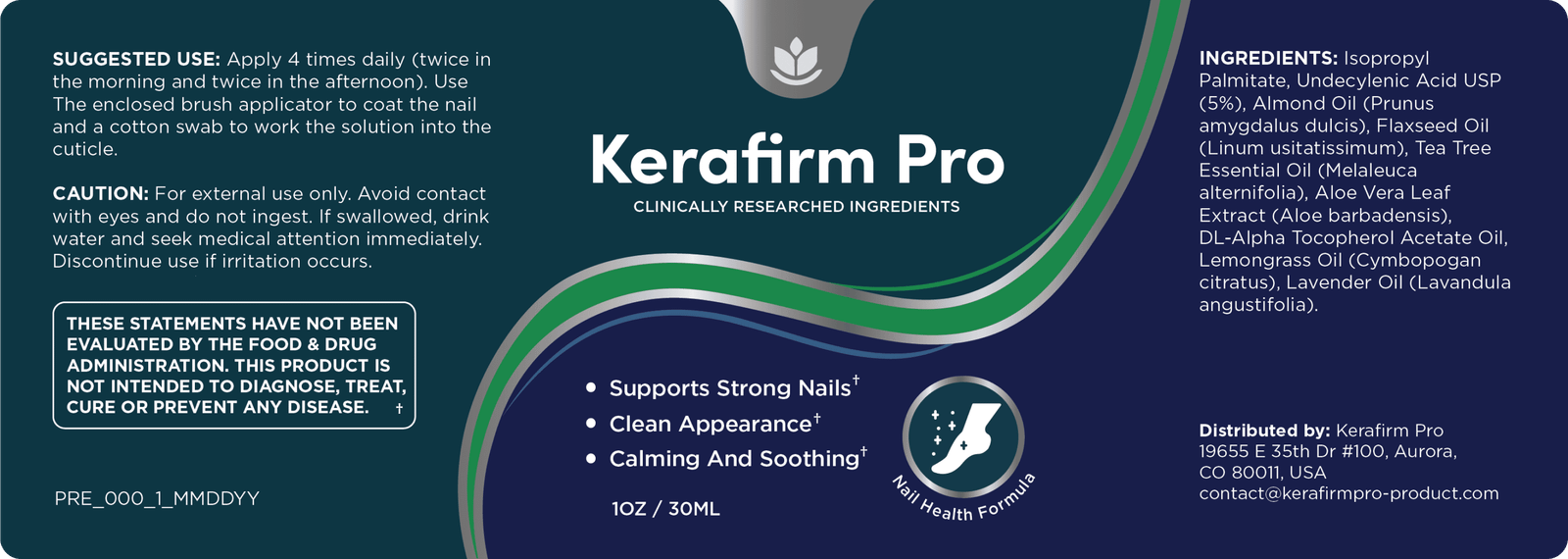
View ProductThe supplied KeraFirm Pro label identifies undecylenic acid USP at 5%. MenPS treats that as a product-data field for comparison: what concentration is declared, how transparent the formula is, how the product differs from other undecylenic-acid formulas and where the independent evidence should be checked.
Add MenPS to Google Preferred Sources or open this page in your preferred AI tool.
Explore the complete published product catalog. Each card opens the relevant MenPS product guide.
Prostate-support product guide
View Product
Nitric-oxide support guide
View Product
Prostate and urinary-support guide
View Product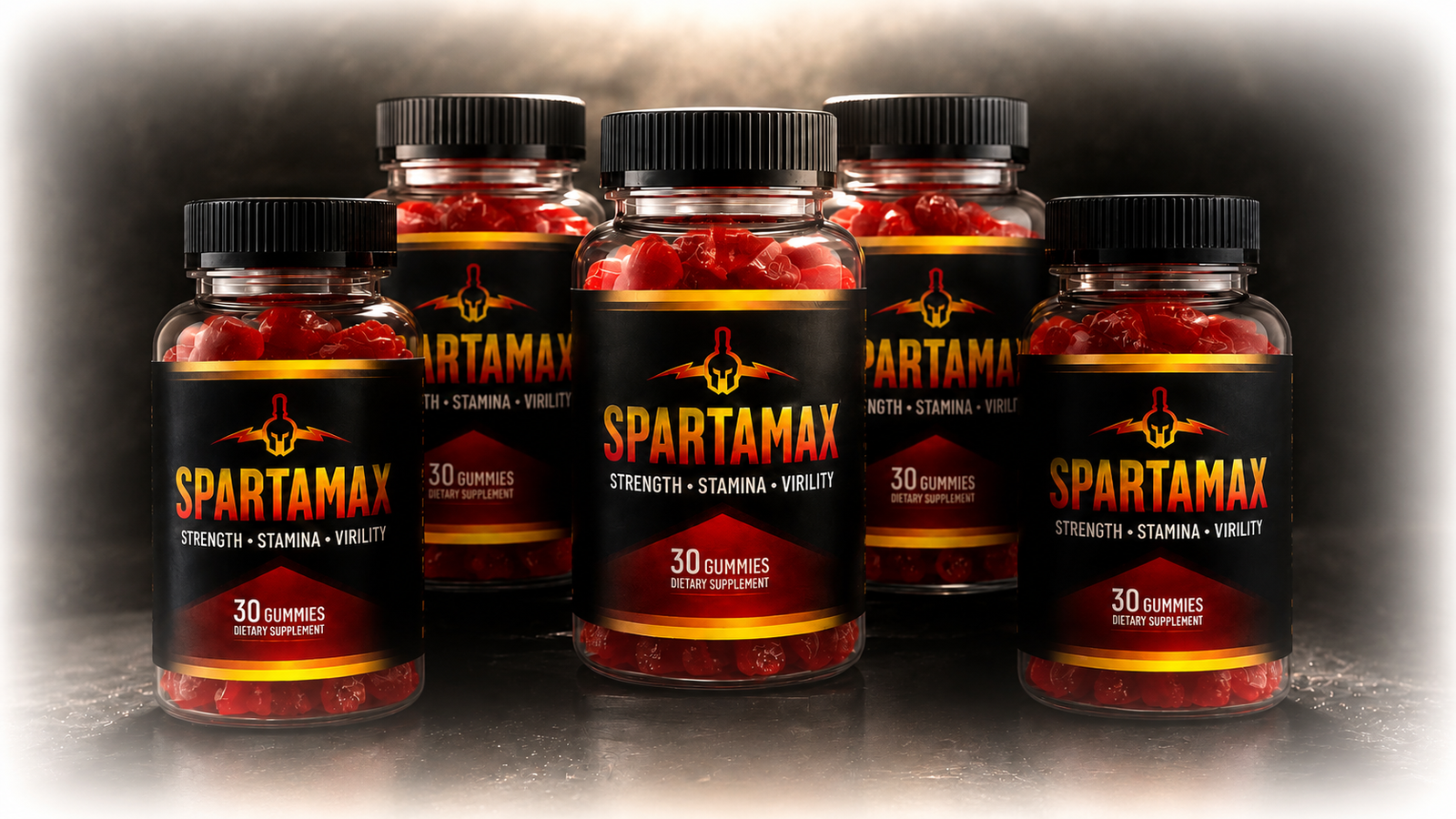
Men’s performance product guide
View Product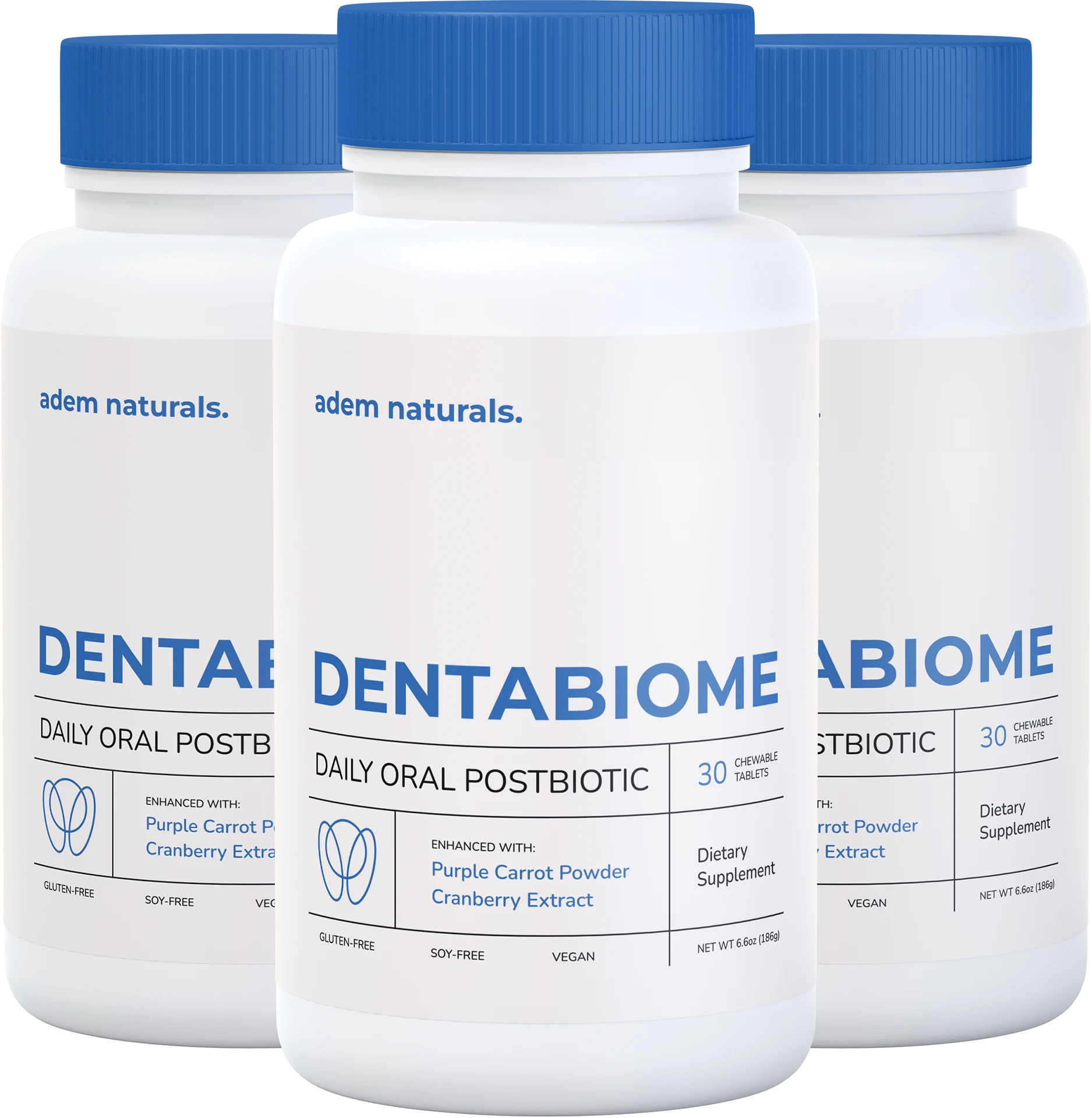
Oral-health supplement guide
View Product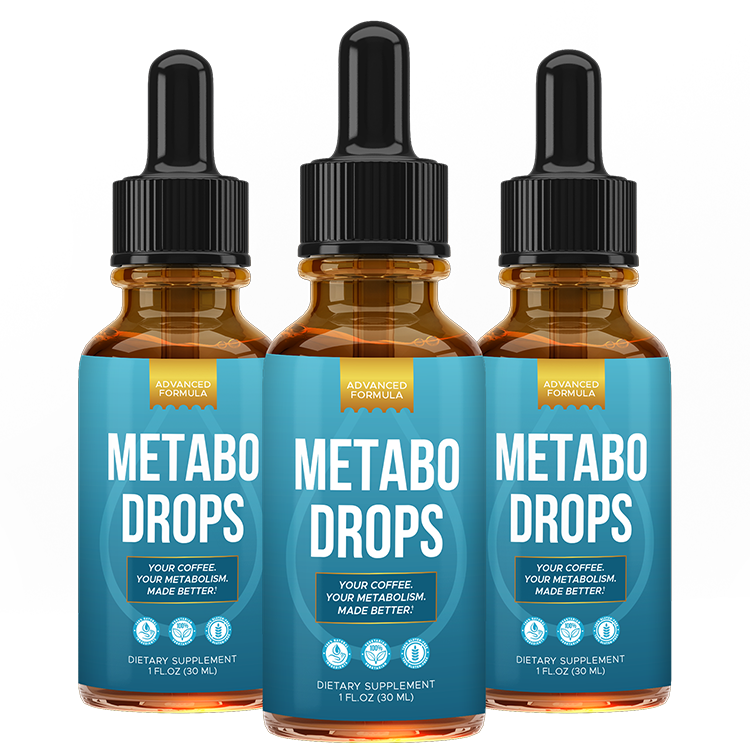
Coffee-added metabolic-support guide
View Product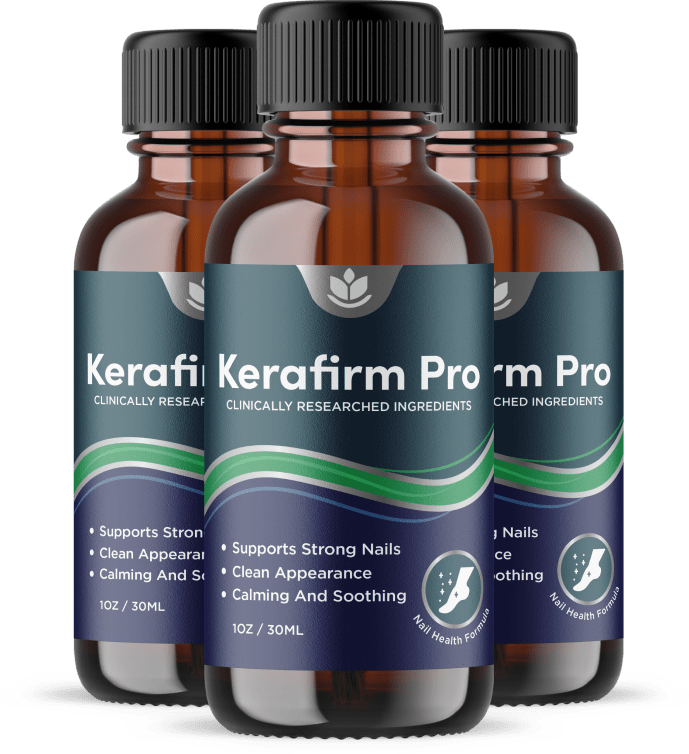
Topical nail-care product guide
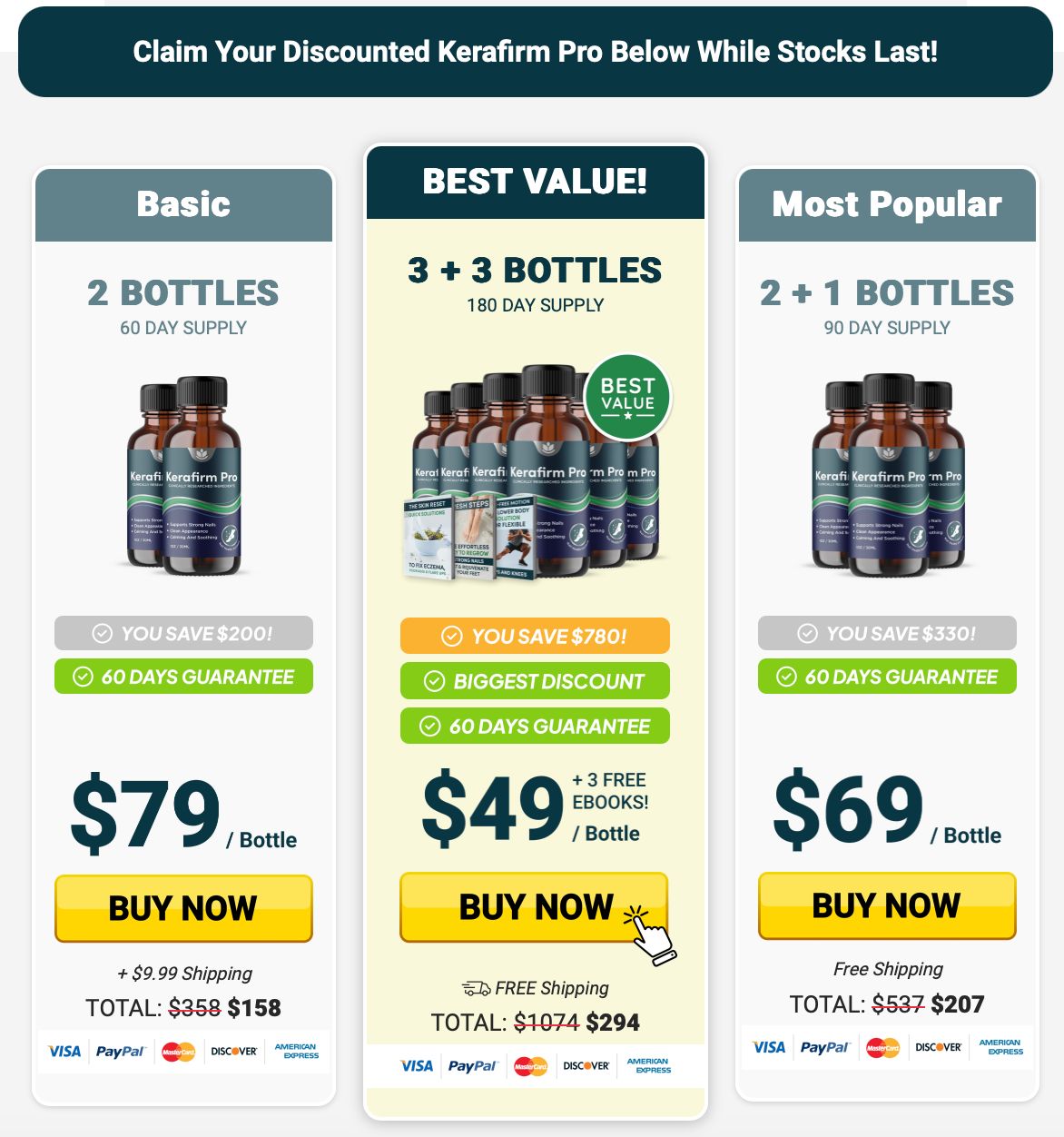
View ProductThe supplied KeraFirm Pro printed label identifies undecylenic acid USP at 5%. Among the current label fields, this is the clearest concentration-specific ingredient disclosure and therefore one of the most useful product-comparison facts.
MenPS records the 5% figure as a label fact. It does not treat the ingredient name or concentration as proof that the exact KeraFirm Pro formula produces a clinical outcome.
For a shopper, the value of the 5% disclosure is comparability: another topical nail product can be checked for whether it contains undecylenic acid, whether its concentration is shown and whether the rest of its formula is equally transparent.
| Question | KeraFirm Pro record | Why it matters commercially |
|---|---|---|
| Is undecylenic acid named? | Yes | Lets shoppers compare ingredient identity across topical products. |
| Is concentration disclosed? | Yes, 5% | Provides a stronger comparison field than ingredient presence alone. |
| Is every botanical concentration disclosed? | No | Limits exact formula-to-formula comparison. |
| Is the product topical? | Yes, brush-on liquid | Application format affects convenience and product category. |
| Does MenPS treat 5% as efficacy proof? | No | Independent evidence and regulatory interpretation belong to MPS. |
A disclosed concentration is more useful than a product that only names the ingredient.
Carrier oils, essential oils and other ingredients affect the product record and may matter to sensitive users.
A brush-on liquid differs from a cream, lacquer or ointment in use and convenience.
Use the current physical label or official technical record when marketing copy and packaging differ.
Compare cost per bottle, total spend, shipping and refund terms, not only the ingredient percentage.
Product data can tell you what is present. Independent research is needed to interpret what that means.
Many product pages emphasize ingredient names without giving shoppers a practical way to compare formulas. The KeraFirm Pro label is more specific in one important respect because it gives a 5% concentration for undecylenic acid.
That allows MenPS to normalize the product in a future undecylenic-acid product directory using a real field rather than a vague descriptor. The directory can distinguish products with disclosed percentages from products where concentration is unknown.
This is useful even before making any judgment about efficacy. Catalog transparency is a commercial-investigation value of its own.
That question belongs to the independent MPS evidence layer. The MPS KeraFirm Pro undecylenic-acid page examines the current 5% label fact, FDA OTC antifungal monograph context, concentration differences, nail penetration and why ingredient recognition does not establish finished-product efficacy.
MenPS keeps the product-discovery answer narrower: KeraFirm Pro currently declares undecylenic acid USP 5%, and that is a useful comparison field.
Read the MPS undecylenic-acid evidence reviewKeraFirm Pro master catalog page →
The strongest reason to isolate undecylenic acid on a MenPS child page is not to repeat the science. It is to give shoppers a distinct product-comparison decision. The supplied KeraFirm Pro label names undecylenic acid USP and gives a 5% concentration. That creates a field that can be compared across other topical nail-care formulas.
Concentration disclosure can be a meaningful transparency advantage because it lets buyers move beyond ingredient-name marketing. A product that says only “contains undecylenic acid” leaves more uncertainty than one that gives a percentage. At the same time, percentage alone does not tell the whole product story. Application form, carrier system, bottle size, supporting ingredients, directions, package economics and evidence quality all affect the purchase decision.
KeraFirm Pro also illustrates why MenPS separates commercial product data from independent evidence. The catalog can state that the supplied label shows 5%. It can also compare that figure with other product labels once enough current inventory exists. It should not convert that field into an efficacy conclusion.
This distinction becomes especially useful when MenPS later builds the broader undecylenic-acid product directory. A normalized directory can sort products by disclosed concentration, formulation type, package format and transparency status. The KeraFirm Pro record can then link into that directory without forcing the branded page to become a generic science article.
For buyers, the practical sequence is simple: confirm the current KeraFirm label, note the 5% concentration, inspect the rest of the formula, compare the package and application format, and then use the MPS evidence page if the decision depends on scientific or safety interpretation.
The supplied current label identifies undecylenic acid USP at 5%.
It gives shoppers a concrete formula field that can be compared with other products rather than relying only on ingredient-name marketing.
No. MenPS records the concentration as product data. Finished-product efficacy is a separate evidence question.
Yes. The supplied label also lists tea tree oil, almond oil, flaxseed oil, aloe vera, vitamin E, lemongrass oil, lavender oil and other formulation components.
Use the linked MPS undecylenic-acid evidence page for the scientific and regulatory context.
Check the official purchase route, current merchant terms, package verification and common buying mistakes.
Open the buying guideReview the product's topical application format, label-first usage checks and practical handling considerations.
Open the usage guideSee the consolidated product, formula, package, buying and usage questions for KeraFirm Pro.
Open the FAQCompare KeraFirm Pro with broader topical nail-care product types by format, ingredient disclosure, convenience, evidence and buying criteria.
Explore alternativesCompare KeraFirm Pro with tea-tree-oil-focused nail products by formula structure, label transparency, convenience and evidence.
Compare with tea tree oilCompare KeraFirm Pro's 5% undecylenic-acid label with other topical products by concentration, format, transparency and total cost.
Compare undecylenic-acid products