ProstaVive
Prostate-support product guide
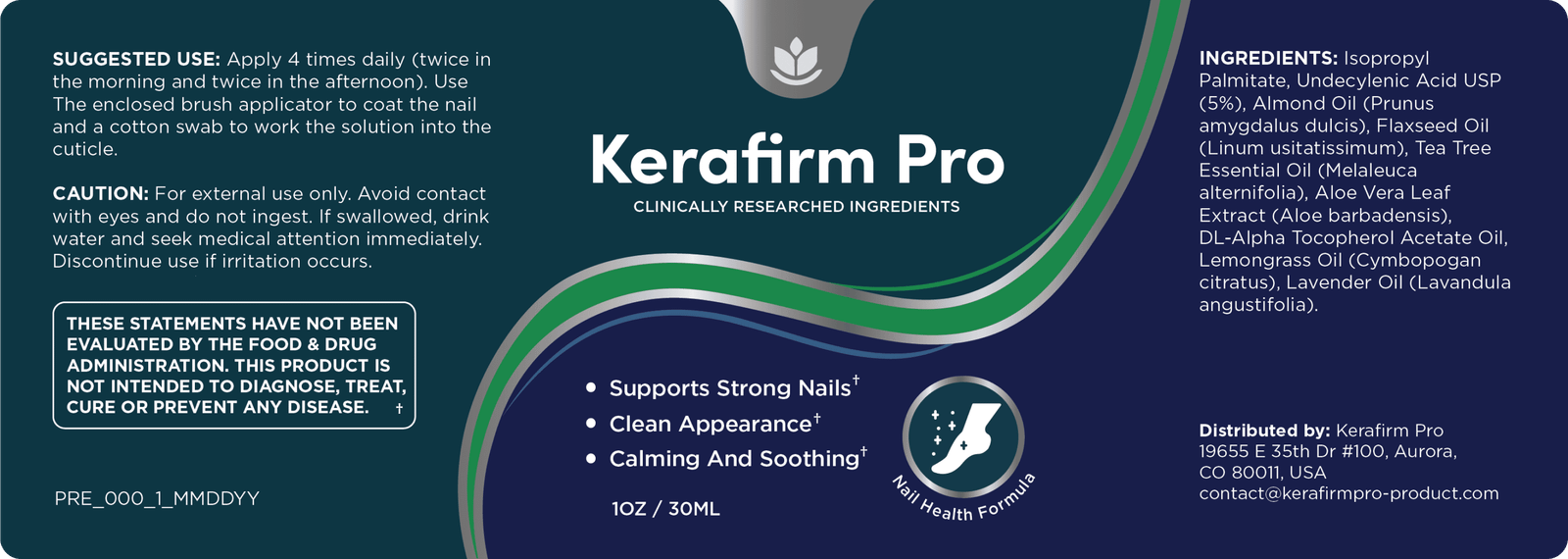
View ProductKeraFirm Pro's supplied label identifies undecylenic acid USP at 5%. MenPS compares that field with other undecylenic-acid topical products by concentration disclosure, application format, carrier system, package economics and evidence context rather than assuming products with the same ingredient are equivalent.
Add MenPS to Google Preferred Sources or open this comparison in your preferred AI tool.
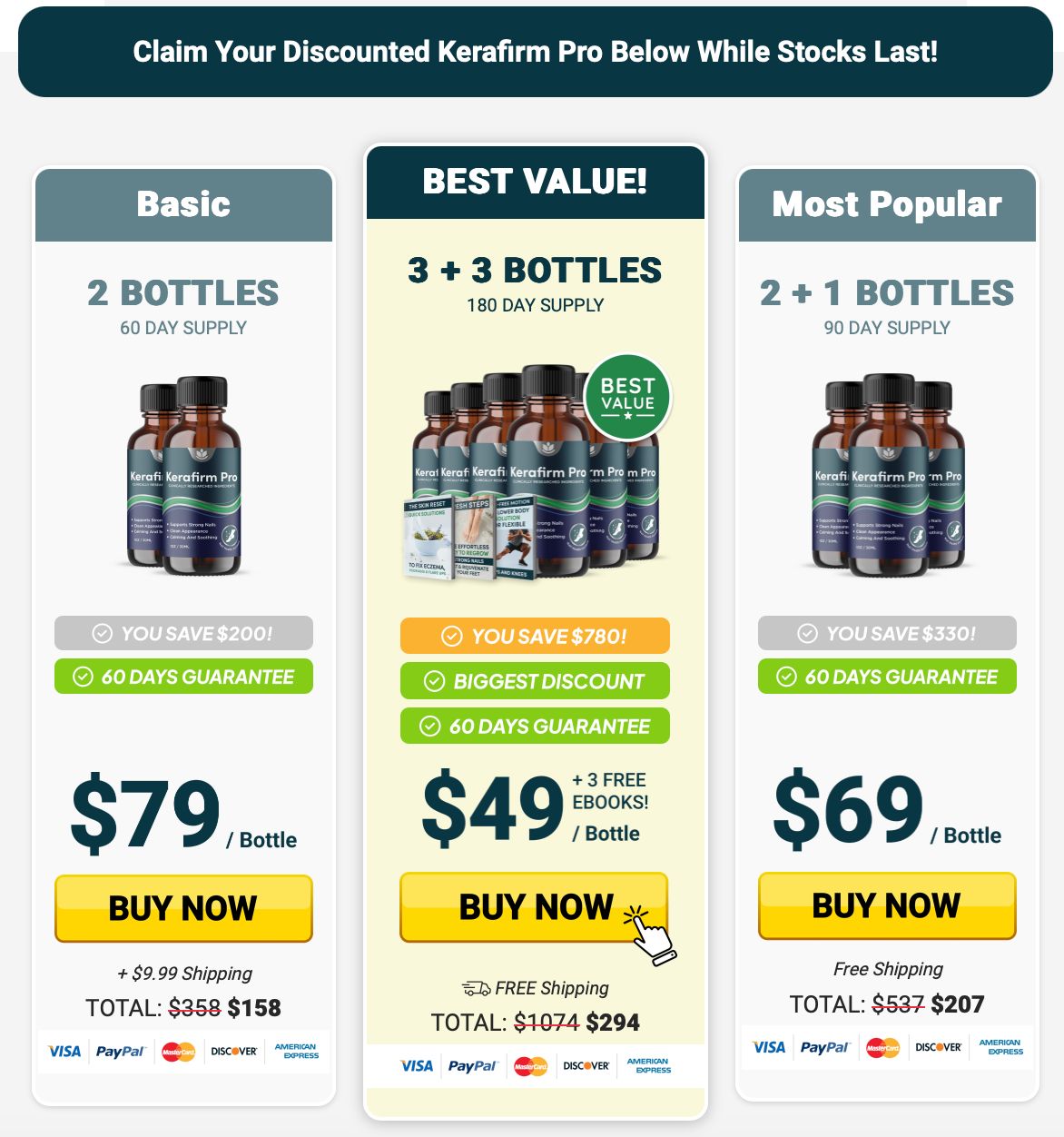
Explore the complete published product catalog. Each card opens the relevant MenPS product guide.
Prostate-support product guide
View Product
Nitric-oxide support guide
View Product
Prostate and urinary-support guide
View Product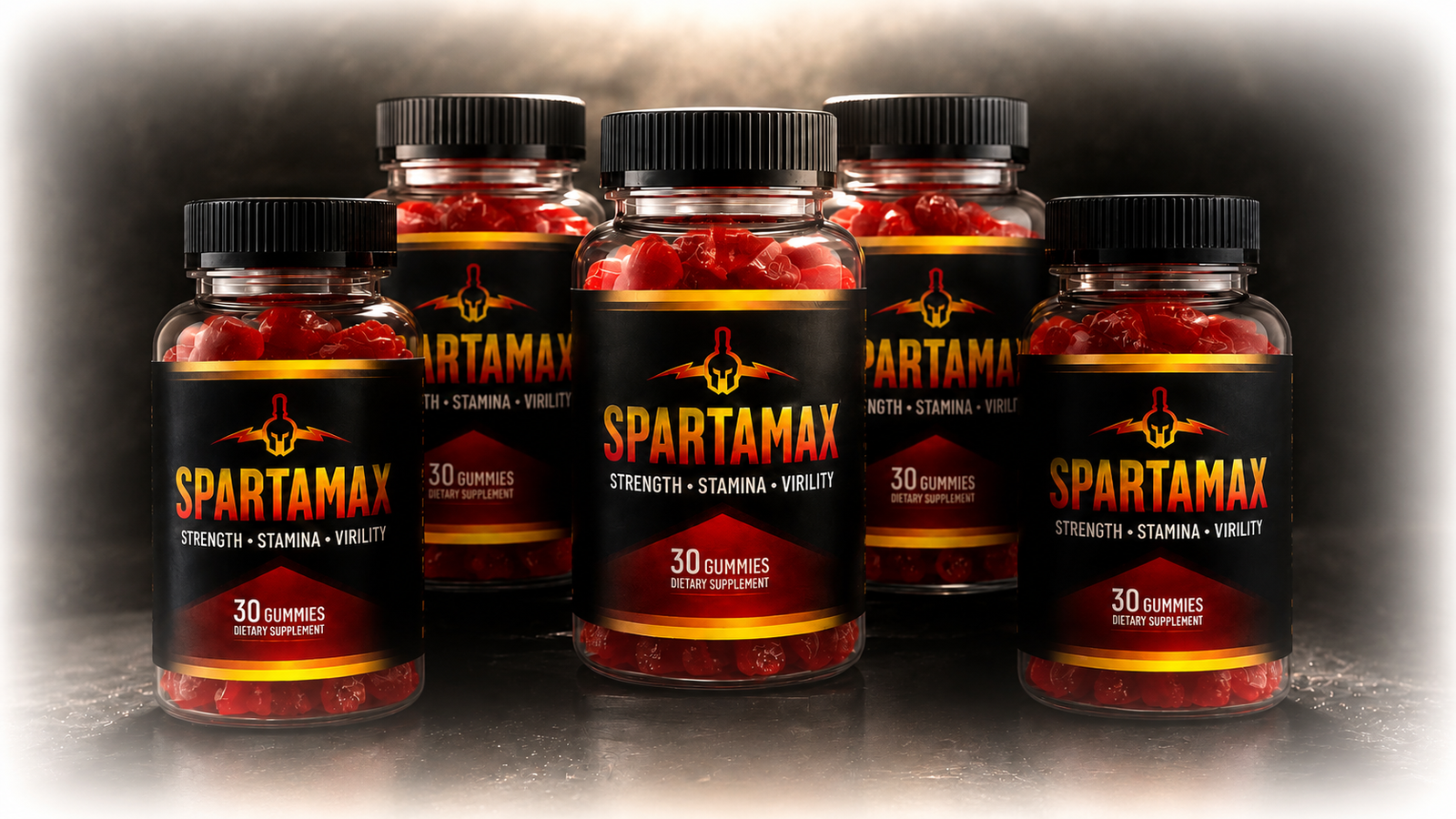
Men’s performance product guide
View Product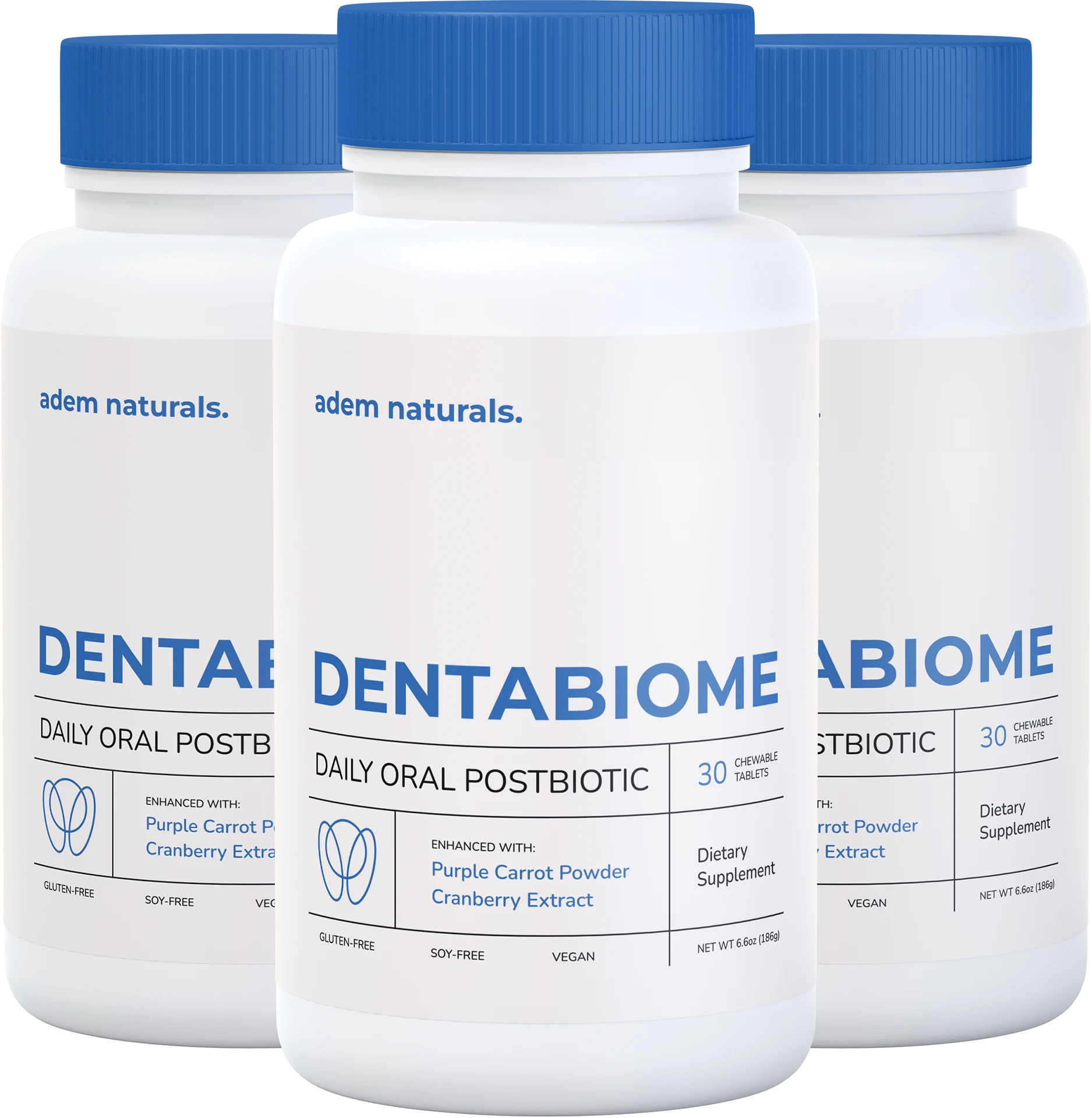
Oral-health supplement guide
View Product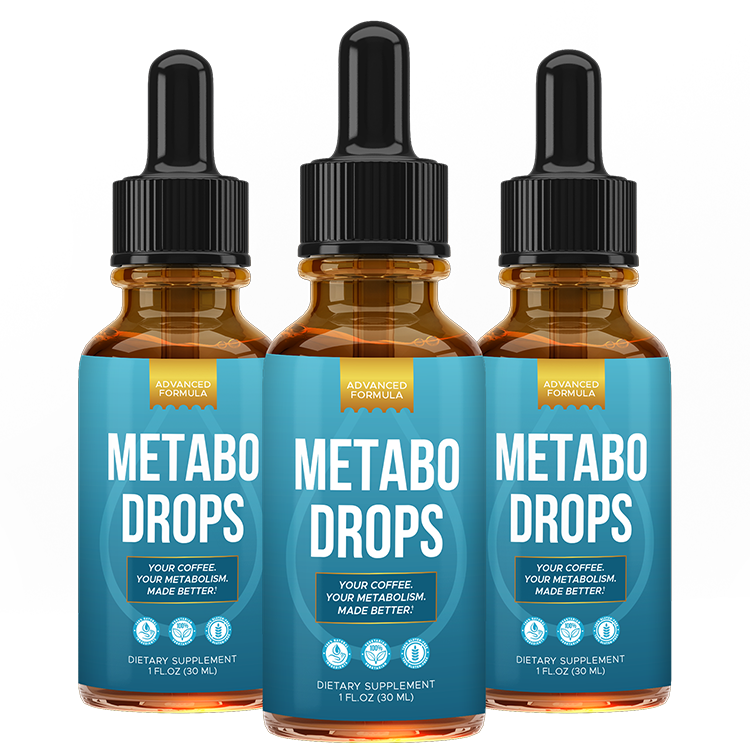
Coffee-added metabolic-support guide
View Product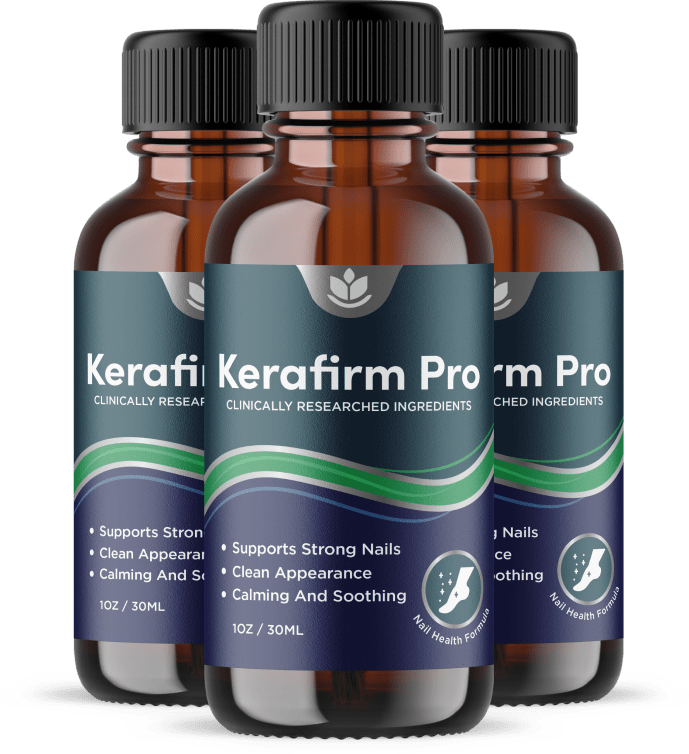
Topical nail-care product guide
View Product| Field | KeraFirm Pro | Other undecylenic-acid products |
|---|---|---|
| Undecylenic acid | Supplied label shows USP 5% | Presence and concentration vary by product |
| Application format | Brush-on liquid | May be liquid, cream, tincture, spray or other topical form |
| Carrier system | Includes multiple oils and botanical ingredients | Can be simpler or use different solvents/carriers |
| Formula transparency | One key concentration disclosed; most botanicals not quantified | Ranges from minimal to detailed concentration disclosure |
| Package structure | 2-, 3- and 6-bottle merchant tiers | Often single-unit or different multi-pack models |
| Evidence interpretation | 5% is a label fact, not finished-product proof | Same rule applies: ingredient identity does not prove the whole formula |
No. Two products can both contain undecylenic acid and still differ materially in concentration, application format, carrier system, supporting ingredients, package size, price and evidence.
KeraFirm Pro's current supplied label gives one useful anchor because it identifies undecylenic acid USP at 5%. That allows a direct concentration comparison where competing products also disclose a percentage.
The comparison should stop short of treating a higher or lower percentage as a simple efficacy ranking. Formulation and use context matter, and finished-product evidence is separate.
A disclosed concentration provides a stronger comparison field than ingredient presence alone.
Brush-on liquids, creams and sprays can create different routines and convenience tradeoffs.
Oils, solvents and supporting ingredients can materially change the finished formulation.
Products that disclose more concentrations are easier to compare objectively.
Compare bottle size, unit cost, shipping and total commitment rather than percentage alone.
Ingredient recognition does not make every commercial formulation equally supported.
KeraFirm Pro combines undecylenic acid with sweet almond oil, flaxseed oil, tea tree oil, aloe vera, vitamin E, lemongrass oil, lavender oil and other formulation components shown on the supplied label.
Another undecylenic-acid product may use a very different vehicle. That difference can affect texture, drying, application experience, label transparency and how easy the product is to use consistently.
MenPS therefore treats undecylenic-acid presence as one comparison layer, not the entire product identity.
The corresponding MPS evidence page examines KeraFirm Pro's 5% label fact, regulatory context, ingredient evidence and why a concentration cannot be interpreted in isolation from the finished formulation.
MenPS keeps the commercial comparison narrower: KeraFirm Pro declares 5%, and competing products can be compared against that field when their labels are equally transparent.
Read the MPS undecylenic-acid evidence review| Shortcut | Better interpretation |
|---|---|
| “Higher percentage must be better” | Concentration is one field; formulation and evidence still matter. |
| “Same ingredient means same product” | Vehicle, dosage form and supporting ingredients can differ materially. |
| “USP on the label proves finished-product efficacy” | USP terminology relates to ingredient/quality context, not automatic finished-product proof. |
| “More botanicals mean stronger performance” | Ingredient count does not establish clinical superiority. |
| “Cheaper per bottle is always better value” | Total spend, bottle size, shipping and intended use quantity also matter. |
Undecylenic acid gives KeraFirm Pro a useful product-comparison anchor because the supplied label identifies the ingredient and provides a 5% concentration. That is more specific than a formula that simply names an ingredient without saying how much is present.
But a concentration figure is not the whole product. KeraFirm Pro is a brush-on liquid with a broader oil and botanical system. Another undecylenic-acid product could be a cream, spray or liquid with a different carrier system. Those differences affect the commercial product experience even before any evidence question is considered.
Formula transparency is another important distinction. MenPS can compare products more cleanly when both disclose concentration, dosage form, bottle size and the main formulation components. If a competing product hides the percentage or uses vague proprietary language, the comparison becomes less precise.
Price also needs normalization. A product may have a lower shelf price but a smaller bottle, different shipping cost or no multi-pack discount. KeraFirm Pro uses a tiered multi-bottle model, so total commitment and unit economics need to be compared together.
Evidence should remain separate from the product table. An undecylenic-acid ingredient can have relevant antifungal context, but that does not make every commercial formula interchangeable. MenPS therefore links to the MPS evidence page instead of turning the 5% label into a finished-product efficacy claim.
The practical buyer sequence is to compare the disclosed percentage, application format, carrier system, bottle size, formula transparency, package economics and then consult independent evidence if the choice depends on treatment expectations. That approach is more useful than assuming all undecylenic-acid products belong in one undifferentiated category.
The supplied current label identifies undecylenic acid USP at 5%.
No. Concentration, application format, carrier system, package size, price and other ingredients can differ.
No. Percentage is a useful comparison field, but it should not be treated as a simple efficacy ranking.
The 5% concentration creates a distinct product-comparison decision that is different from the broader ingredients page and the generic alternatives page.
Use the linked MalePerformanceSupplements.com undecylenic-acid review for the scientific and regulatory context.