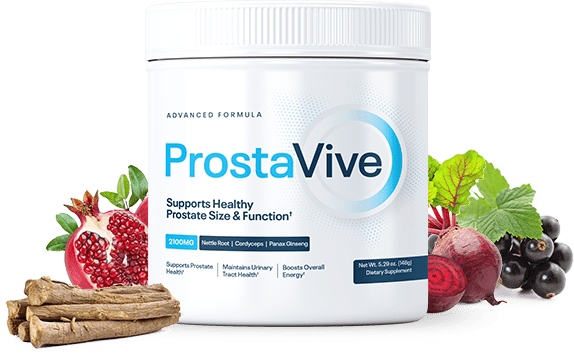
ProstaVive
Prostate-support product guide
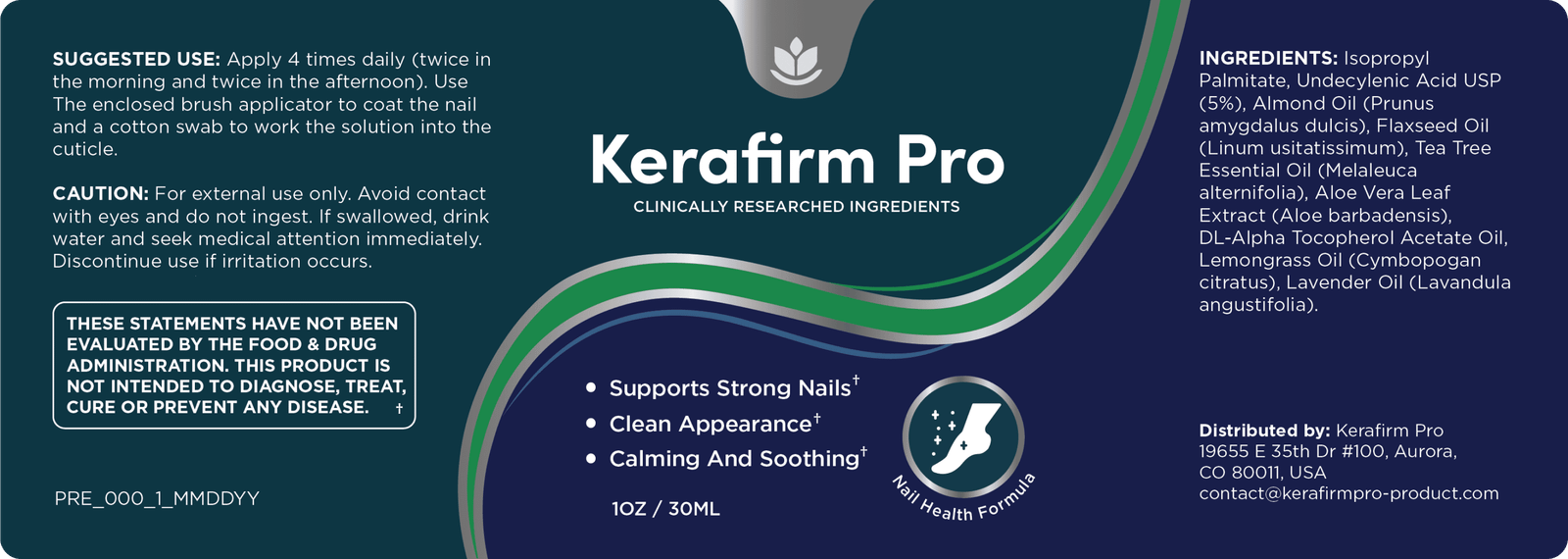
View ProductKeraFirm Pro is not simply a tea tree oil product. Its supplied label combines undecylenic acid USP 5% with tea tree essential oil, carrier oils and other botanicals. MenPS compares that multi-ingredient formula with tea-tree-oil-focused nail products by label transparency, application format, price and evidence.
Add MenPS to Google Preferred Sources or open this comparison in your preferred AI tool.
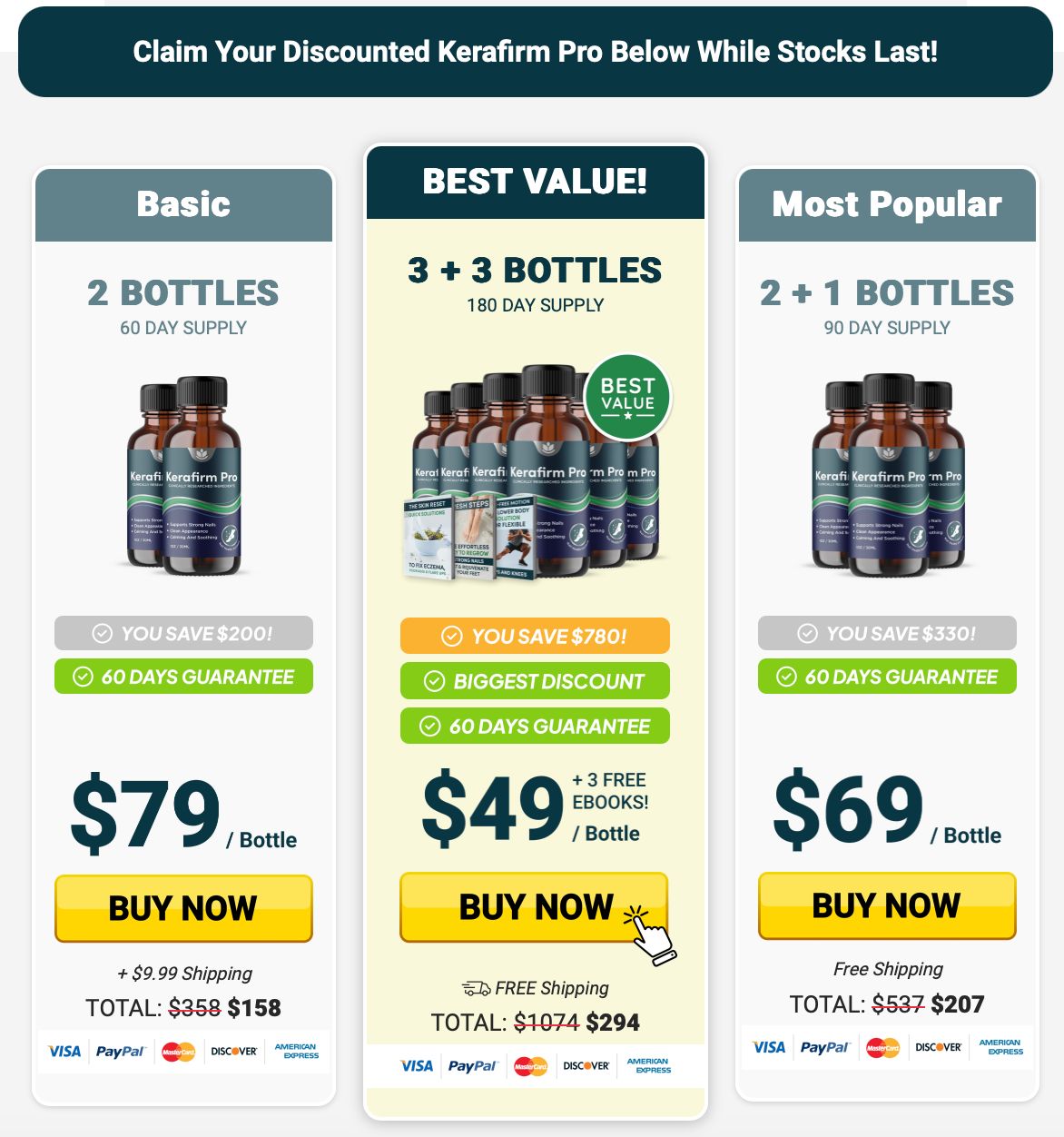
Explore the complete published product catalog. Each card opens the relevant MenPS product guide.
Prostate-support product guide
View Product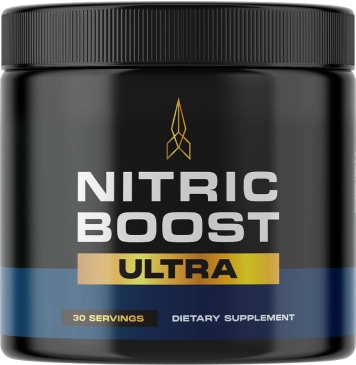
Nitric-oxide support guide
View Product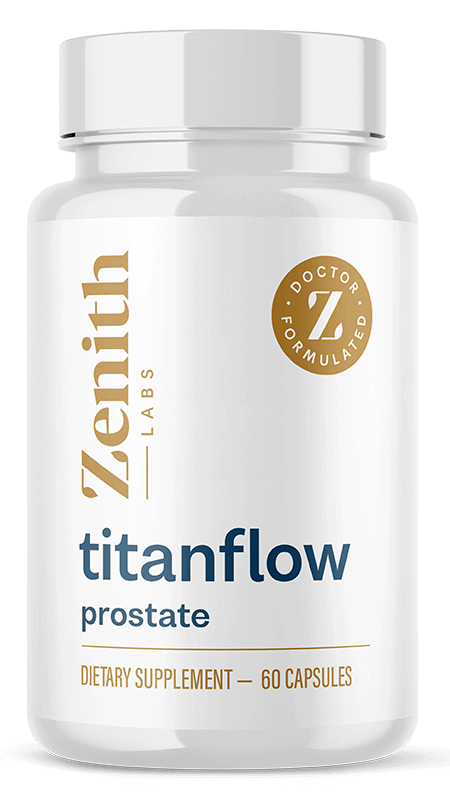
Prostate and urinary-support guide
View Product
Men’s performance product guide
View Product
Oral-health supplement guide
View Product
Coffee-added metabolic-support guide
View Product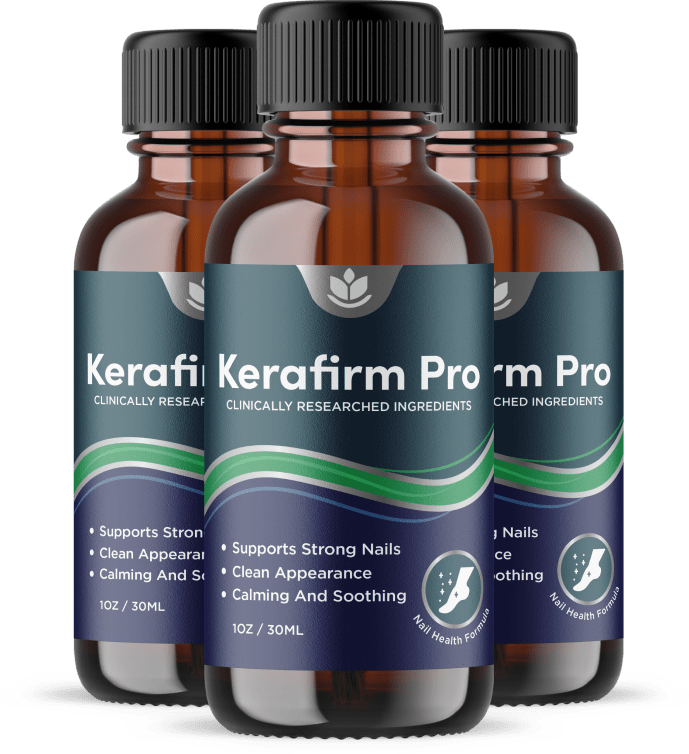
Topical nail-care product guide
View Product| Field | KeraFirm Pro | Tea-tree-oil-focused product |
|---|---|---|
| Primary formula identity | Multi-ingredient topical formula | Tea tree oil may be the main marketed ingredient |
| Undecylenic acid | Supplied label shows USP 5% | May be absent |
| Tea tree oil | Listed, concentration not shown | May be listed with or without concentration |
| Supporting oils | Almond, flaxseed, lemongrass, lavender and others listed | Varies by product |
| Application format | Brush-on topical liquid | Oil, dropper, brush-on or blend |
| Evidence question | Finished-product evidence separate from ingredient research | Tea tree evidence does not automatically prove each commercial formula |
No. The supplied KeraFirm Pro label lists tea tree essential oil, but it also identifies undecylenic acid USP at 5% plus multiple carrier and botanical ingredients. That makes KeraFirm Pro a broader multi-ingredient topical formula rather than a simple tea tree oil product.
For shoppers, this means a direct comparison should look beyond whether both products contain tea tree oil. The more useful questions are concentration disclosure, application format, supporting ingredients, formula transparency, cost and the evidence attached to the exact product.
Tea tree oil may be only one component of a broader formula, as it is in KeraFirm Pro.
KeraFirm discloses 5% undecylenic acid but not the tea tree oil percentage in the supplied label material.
Brush-on liquids and dropper oils can create different routines and convenience tradeoffs.
Essential oils and nut-derived carrier oils may matter to some users.
A study on tea tree oil does not automatically validate every commercial tea-tree formula.
Formula complexity does not automatically justify a higher price, so compare unit cost and total spend.
KeraFirm Pro combines a disclosed 5% undecylenic-acid component with tea tree oil and other oils. A tea-tree-oil-focused product may use fewer ingredients, a different concentration or a simpler carrier system.
That can matter in two directions. A simpler formula may be easier to interpret and compare, while a multi-ingredient formula may offer a different product experience or application profile. Neither structure is automatically better without a clear decision criterion.
The useful MenPS question is therefore not “Which formula sounds stronger?” but “Which product provides the format, transparency and ingredients the shopper actually wants?”
The independent MPS tea-tree-oil page examines the limited human evidence for tea tree oil in fungal nail disease, including why ingredient-level findings should not be treated as proof for the finished KeraFirm Pro formulation.
That evidence question is separate from the MenPS product comparison. Here, tea tree oil is a formula field; at MPS, it becomes a research and safety question.
Read the MPS tea-tree-oil evidence review| Incorrect shortcut | Better interpretation |
|---|---|
| “Tea tree oil is natural, so it is safer” | Natural origin does not remove irritation or sensitivity risk. |
| “KeraFirm has more ingredients, so it must work better” | More ingredients do not establish better efficacy. |
| “Tea tree research proves KeraFirm” | Ingredient research and finished-product evidence are different. |
| “A simpler tea tree product is weaker” | Formula simplicity is a transparency and design difference, not an efficacy ranking. |
| “Higher price means better formula” | Price is a commercial field, not a clinical one. |
Tea tree oil is one of the better-known botanical ingredients used in nail-care products, so it is natural for shoppers to compare KeraFirm Pro with simpler tea-tree-oil formulas. The useful comparison, however, is broader than ingredient presence.
KeraFirm Pro lists tea tree oil but does not present it as the only defining ingredient. The supplied label also discloses undecylenic acid USP at 5% and lists sweet almond oil, flaxseed oil, aloe vera, vitamin E, lemongrass oil and lavender oil. That gives KeraFirm a multi-ingredient formula identity.
A tea-tree-oil-focused product may be simpler. Simplicity can make the formula easier to interpret, but it does not automatically make the product more or less effective. The buyer should compare concentration disclosure, carrier system, application format and evidence quality rather than using ingredient count as a shortcut.
Evidence requires the same caution. Published research on tea tree oil can tell us something about the ingredient in specific study conditions. It does not establish that every tea-tree-oil product works the same way, and it does not prove KeraFirm Pro simply because KeraFirm contains tea tree oil.
That is why MenPS keeps this page commercial and structural. It shows how KeraFirm differs from tea-tree-focused products and links to MPS for the science. This avoids turning a product comparison into an unsupported treatment ranking.
For a buyer, the practical sequence is to decide whether a simpler tea-tree formulation or a broader multi-ingredient product better matches the desired routine, compare the current labels, check concentration transparency, compare total cost and then consult independent evidence if the decision depends on treatment expectations.
Yes. Tea tree essential oil appears on the supplied printed label.
No. KeraFirm Pro is a broader multi-ingredient formula that also declares undecylenic acid USP at 5%.
The supplied label material used for this MenPS record does not show a tea tree oil percentage.
No. Ingredient research and finished-product evidence are separate questions.
Use the linked MalePerformanceSupplements.com tea-tree-oil evidence page for the independent research interpretation.
Compare KeraFirm Pro's 5% undecylenic-acid label with other topical products by concentration, format, transparency and total cost.
Compare undecylenic-acid products