
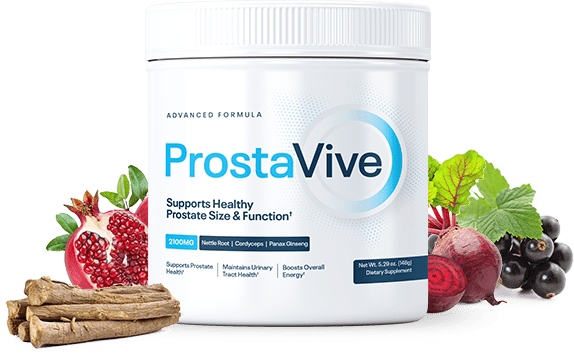
ProstaVive
Prostate-support product guide
View ProductCompare current whey-protein products as a broad category, then narrow by isolate, concentrate or hydrolyzed format when the processing type changes the buying decision.
Add Men’s Performance Supplements to Google Preferred Sources or open this page in your preferred AI tool.
Explore the complete published product catalog. Each card opens the relevant MenPS product guide.
Prostate-support product guide
View Product
Blood-sugar supplement comparison and buying guide
View Product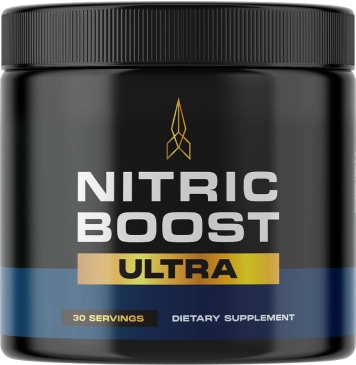
Nitric-oxide support guide
View Product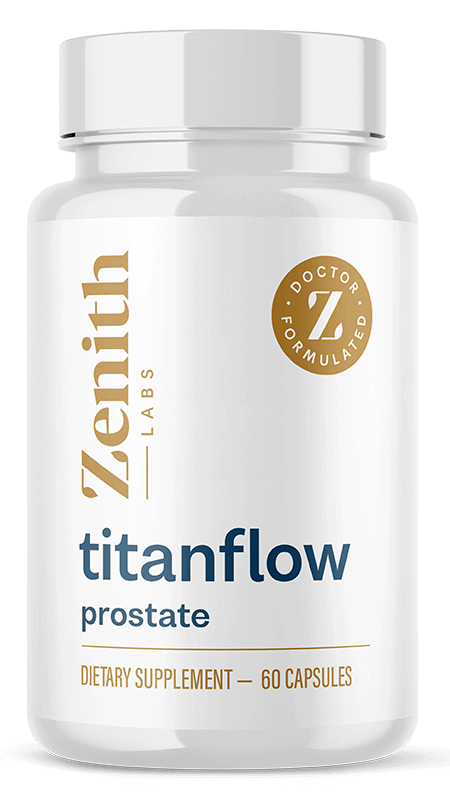
Prostate and urinary-support guide
View Product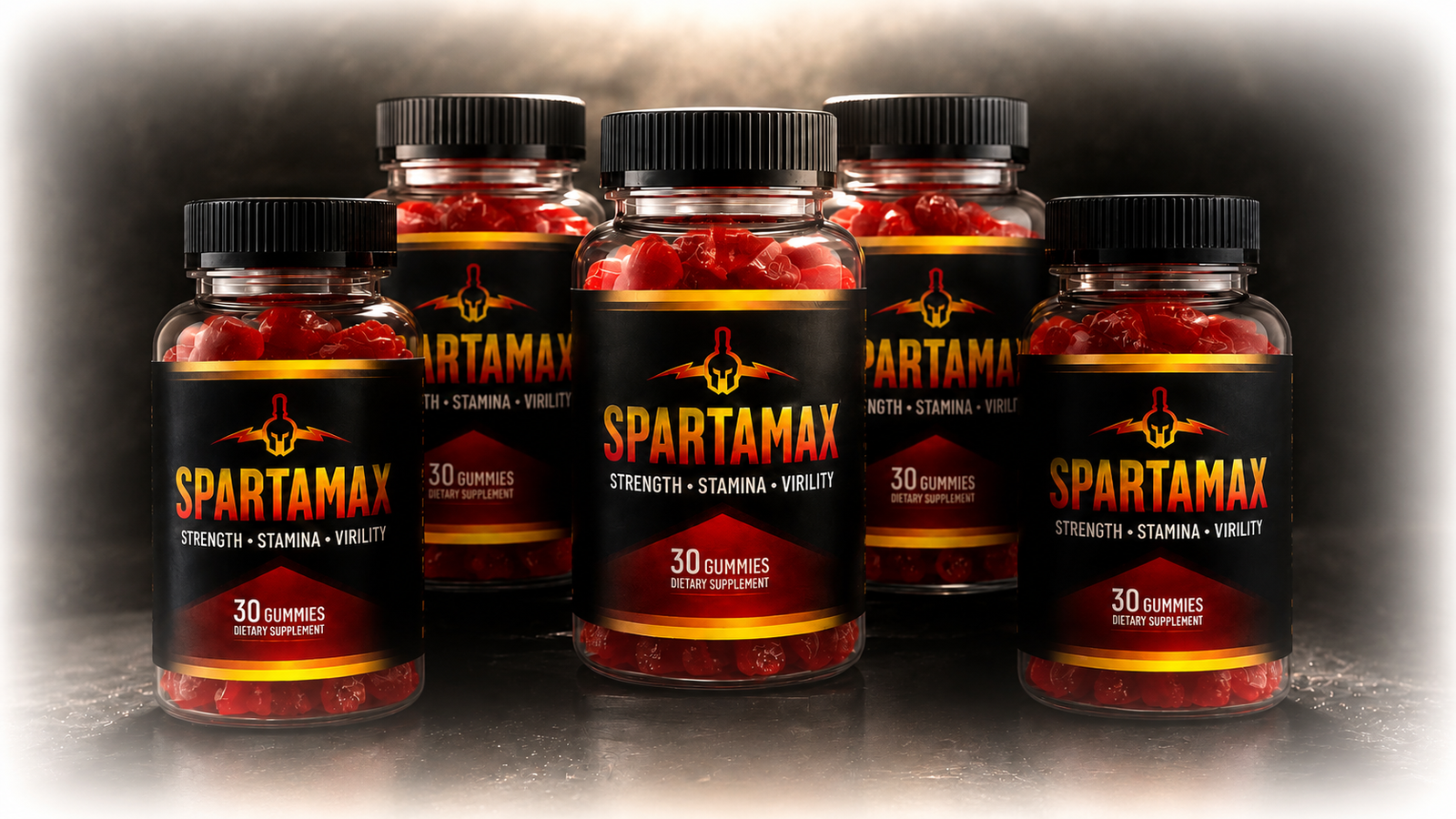
Men’s performance product guide
View Product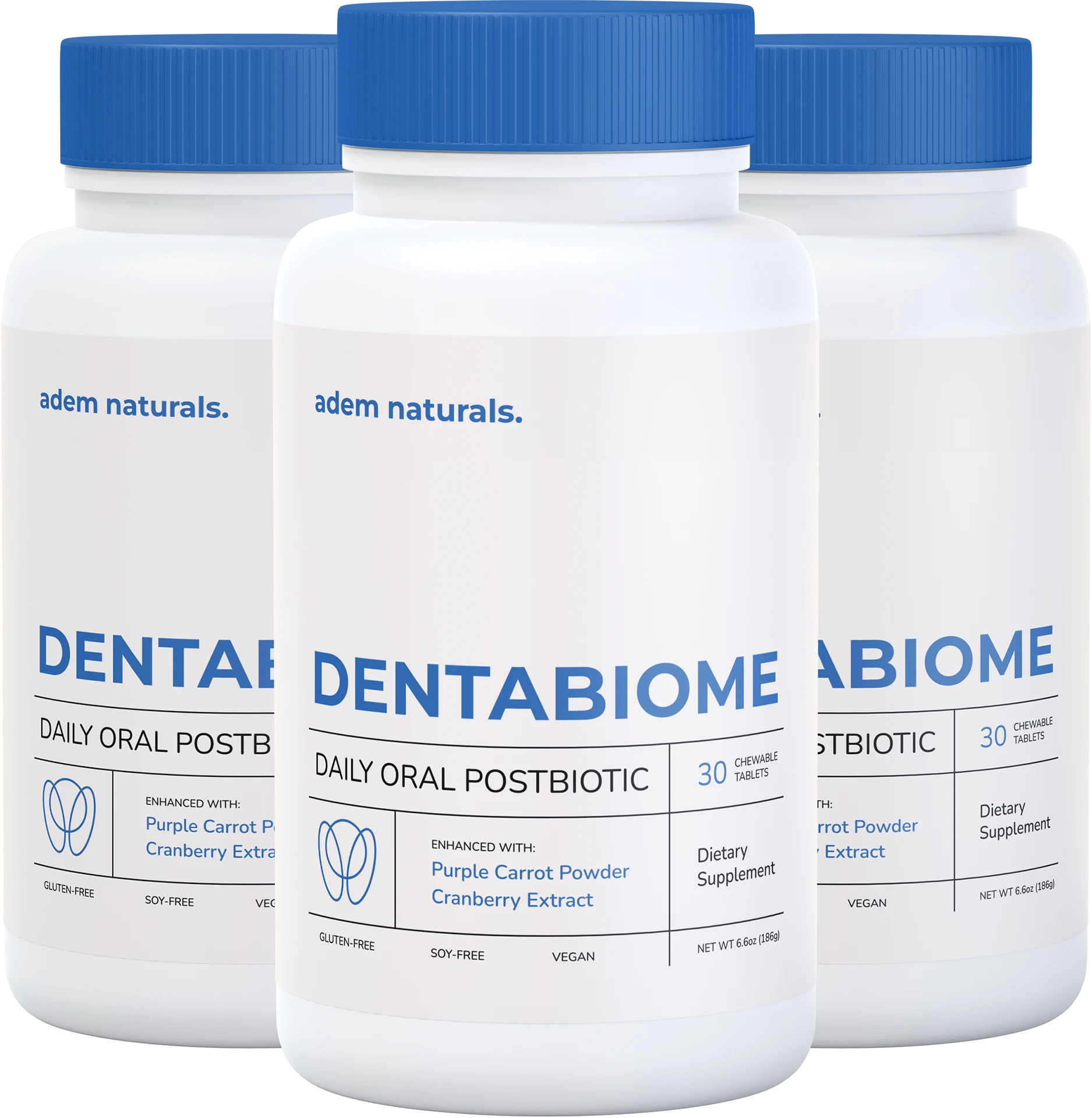
Oral-health supplement guide
View Product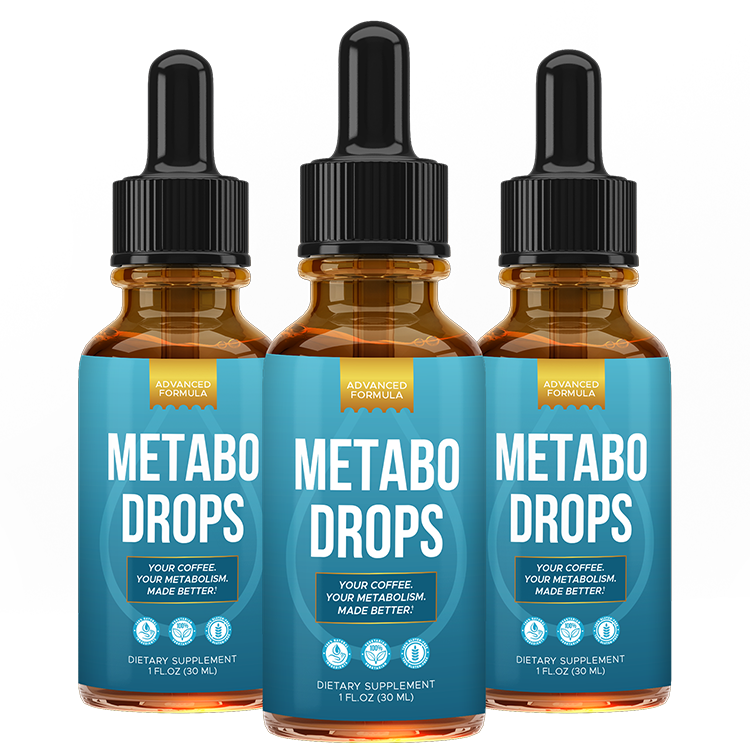
Coffee-added metabolic-support guide
View Product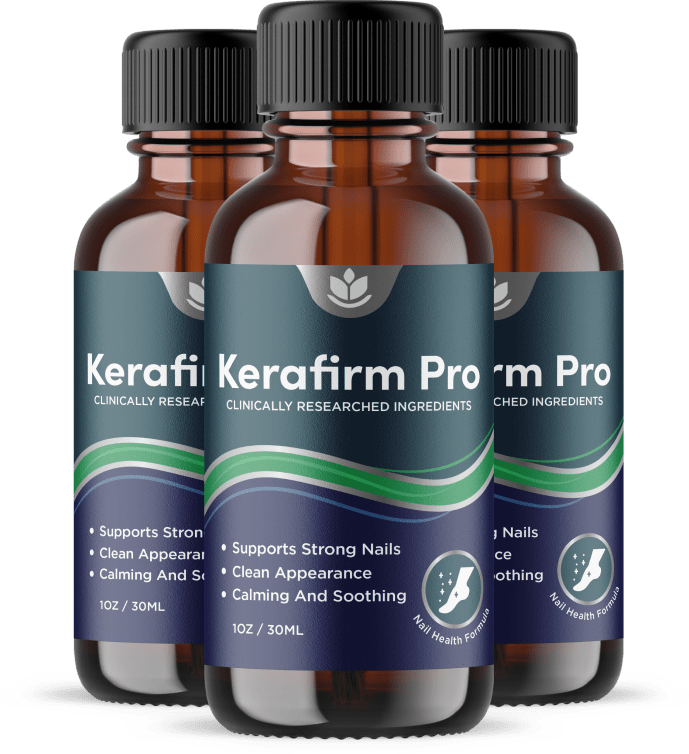
Topical nail-care product guide
View Product
Oral-health supplement and outcome guide
View ProductIdentify isolate, concentrate, hydrolysate or blends instead of treating every whey powder as the same formula.
Protein grams should be read alongside serving size, calories, carbohydrate and fat.
Look for full ingredient disclosure, allergen information, amino-acid disclosure where provided and verifiable quality signals.
Comparison fields planned for this category include: product name, brand, protein_g_per_serving, protein_sources, serving_size, calories, carbohydrate_g, fat_g, leucine_or_bcaa_disclosure, sweeteners, allergens, third_party_testing_claim, source_url, last_verified.
| Product | Currently verified label facts | Primary source | Freshness |
|---|---|---|---|
| Optimum Nutrition Gold Standard 100% Whey | • Whey protein powder • Current manufacturer product page | Manufacturer source | Verified 3 Sep |
| Dymatize ISO100 | • Hydrolyzed whey protein isolate product • Current manufacturer product page | Manufacturer source | Verified 3 Sep |
| Kaged Whey Protein Isolate | • 25 g whey protein isolate • Current manufacturer product page | Manufacturer source | Verified 3 Sep |
| Transparent Labs Grass-Fed Whey Protein Isolate | • 28 g whey protein isolate per scoop • Current manufacturer product page | Manufacturer source | Verified 3 Sep |
| Optimum Nutrition Gold Standard 100% Isolate | • Whey isolate product listed in current manufacturer whey collection | Manufacturer source | Verified 3 Sep |
| Optimum Nutrition Platinum Hydrowhey | • Hydrolyzed whey product listed in current manufacturer whey collection | Manufacturer source | Verified 3 Sep |
Whey protein is the broad category covering products whose primary protein source is whey, including isolate, concentrate and hydrolyzed forms. This page maps the category as a whole. It should not duplicate the deeper isolate- or concentrate-specific comparison pages.
The useful buying task here is to identify the protein type, the amount of protein per serving, serving size, formula complexity and any label-level differences that determine which narrower whey category is relevant.
Optimum Nutrition Gold Standard 100% Whey currently identifies whey protein isolate as its first ingredient while remaining a broad whey blend product. Dymatize ISO100 and Optimum Nutrition Platinum Hydrowhey are isolate-led products, with Hydrowhey specifically using hydrolyzed whey protein isolate. NOW Sports Whey Protein Concentrate and other concentrate-led products belong to a different processing group.
This is the first information-gain layer: broad whey is not one homogeneous product class. The directory should first separate isolate-dominant, concentrate-dominant and hydrolyzed products before making any serving-level comparison.
Current manufacturer pages show that several popular whey products cluster around the mid-20-gram protein range per serving, while some products move higher or lower depending on formulation and serving size. For example, Optimum Nutrition Gold Standard 100% Whey lists 24 g protein per serving, Dymatize ISO100 lists 25 g, Kaged Whey Protein Isolate lists 25 g and Platinum Hydrowhey lists 30 g.
That does not make the highest number automatically “better.” The serving size, protein source, flavor system and overall formula all matter, and flavor-specific nutrition can vary.
Some products use one dominant whey source, while others combine isolate, concentrate or hydrolyzed components. The broad page should expose those source differences clearly rather than force every product into a single quality score.
Ingredient order, disclosed protein source and serving information are valid catalog facts. They are more useful here than generic “best whey” claims that ignore the underlying formula.
This order prevents broad whey from becoming a long list of nearly identical protein numbers. The page's information gain comes from organizing the market into decision branches.
For mixed-source products such as Optimum Nutrition Gold Standard 100% Whey, the broad page can record that whey protein isolate is the first ingredient while also preserving the wider blend identity. For a product such as Platinum Hydrowhey, the hydrolyzed-isolate identity is strong enough to route the user into the isolate branch. This routing role is different from making a deeper isolate or concentrate comparison.
A broad whey page is most useful when it helps the user decide what kind of whey page to visit next. That means it should preserve several subtype signals in one place: whether the product is isolate-led, concentrate-led, hydrolyzed, or a blend; how much protein is provided in the declared serving; and whether the manufacturer discloses enough information to place the formula confidently.
The products used in this differentiation pass were checked against current official manufacturer pages in September. Protein amounts and nutrition fields can vary by flavor and market, so flavor-specific values should be rechecked before any later material update.
MenPS uses manufacturer sources to verify what the product contains and how it is sold. Independent questions about muscle gain, recovery, tolerance or health outcomes belong in the evidence layer rather than being inferred from product labels.
No. They are different processing types with different product characteristics. The better choice depends on the comparison task.
A broad whey directory maps the whole category, while the isolate page can compare isolate-specific fields in more detail.
No. Serving size, protein source and formula architecture also matter.
Product identity, protein source, serving information and current commercial positioning were checked against official manufacturer pages. These sources support catalog facts, not independent efficacy conclusions.