
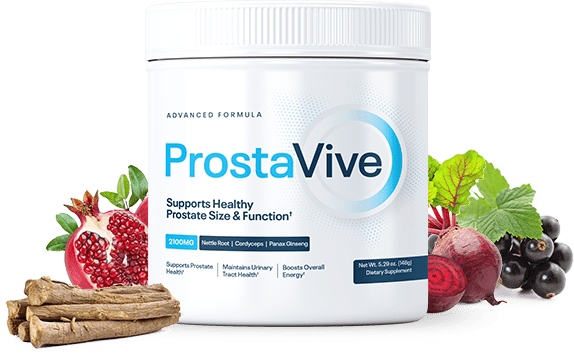
ProstaVive
Prostate-support product guide
View ProductCompare concentrate-led whey products by protein per serving, serving size, formula simplicity and concentrate-specific product structure. This page does not duplicate isolate comparisons.
Add Men’s Performance Supplements to Google Preferred Sources or open this page in your preferred AI tool.
Explore the complete published product catalog. Each card opens the relevant MenPS product guide.
Prostate-support product guide
View Product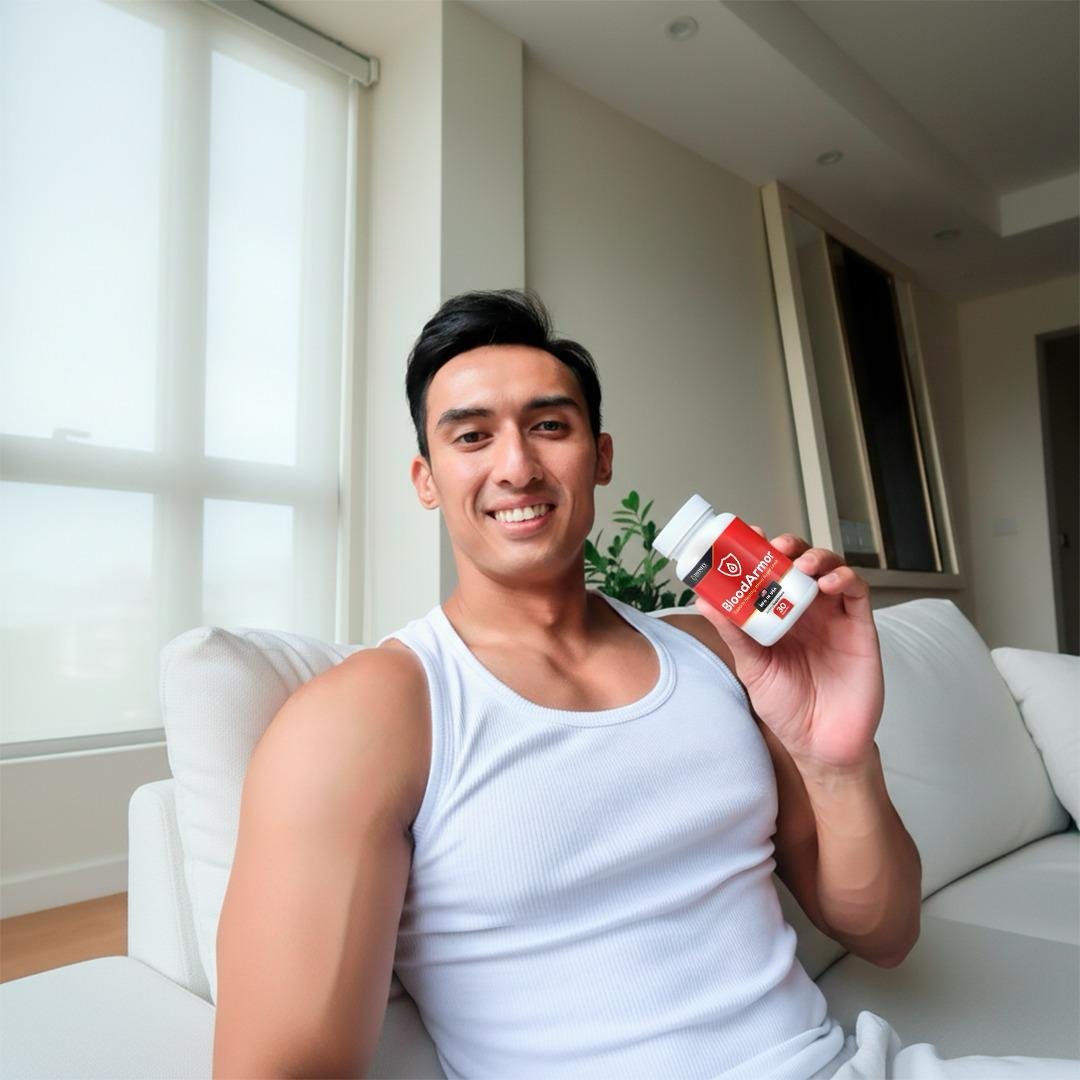
Blood-sugar supplement comparison and buying guide
View Product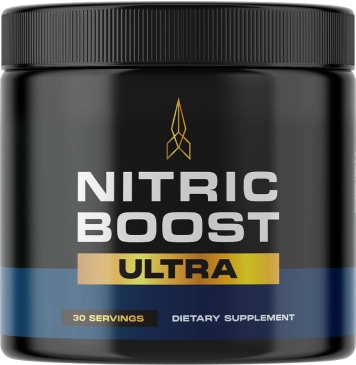
Nitric-oxide support guide
View Product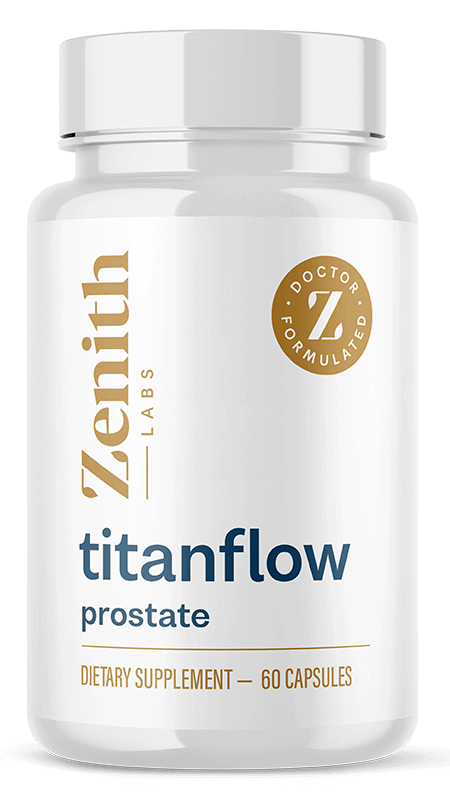
Prostate and urinary-support guide
View Product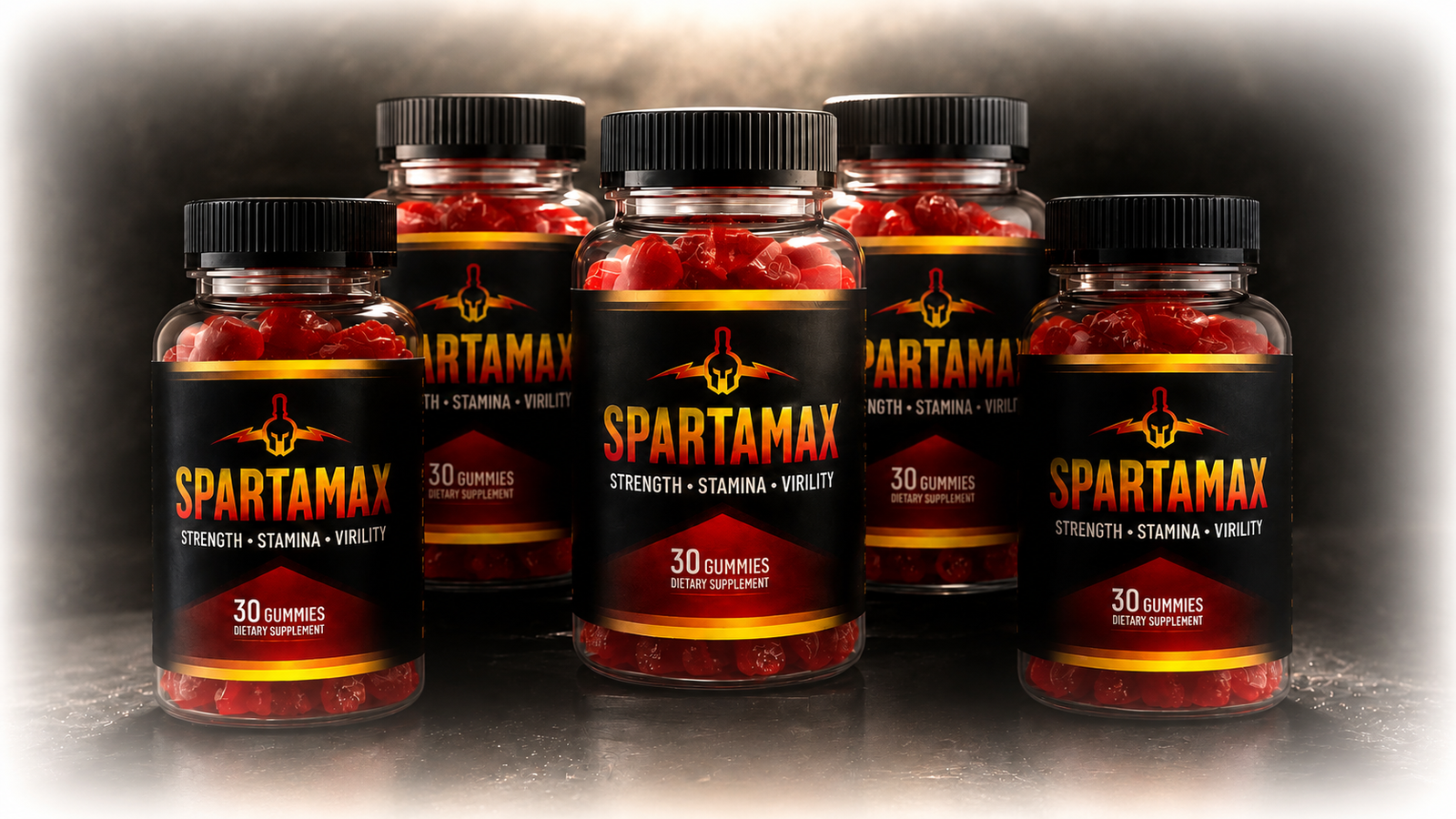
Men’s performance product guide
View Product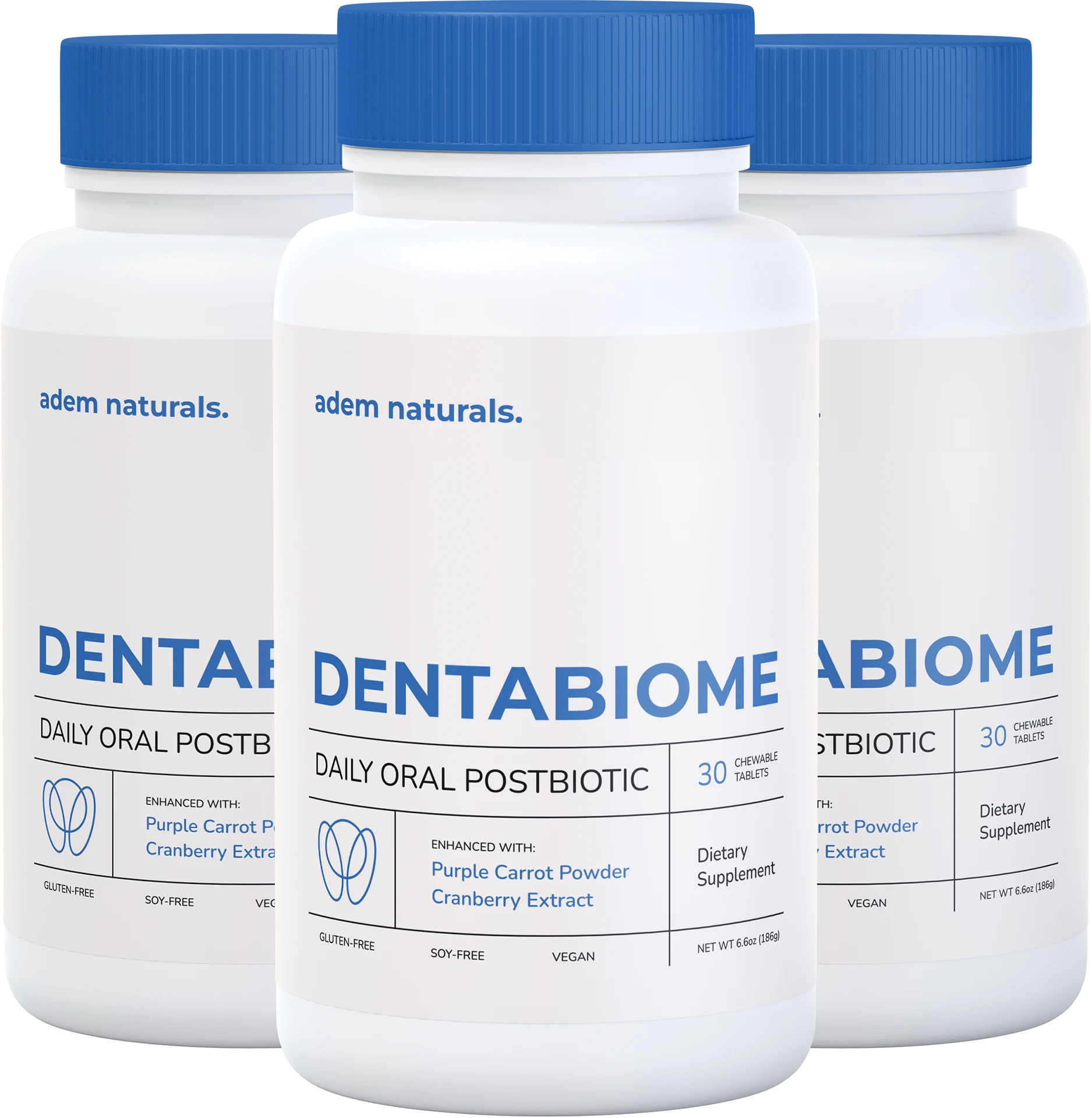
Oral-health supplement guide
View Product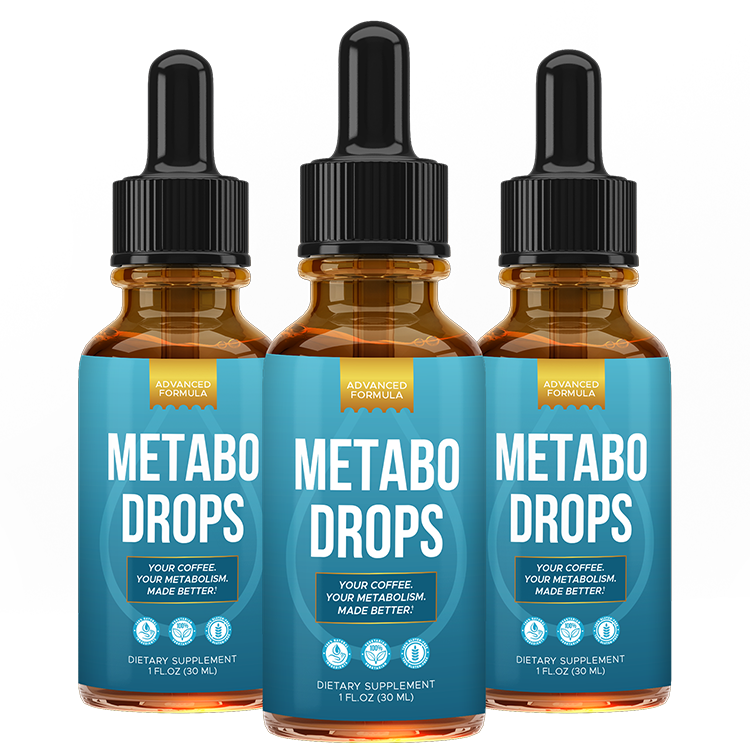
Coffee-added metabolic-support guide
View Product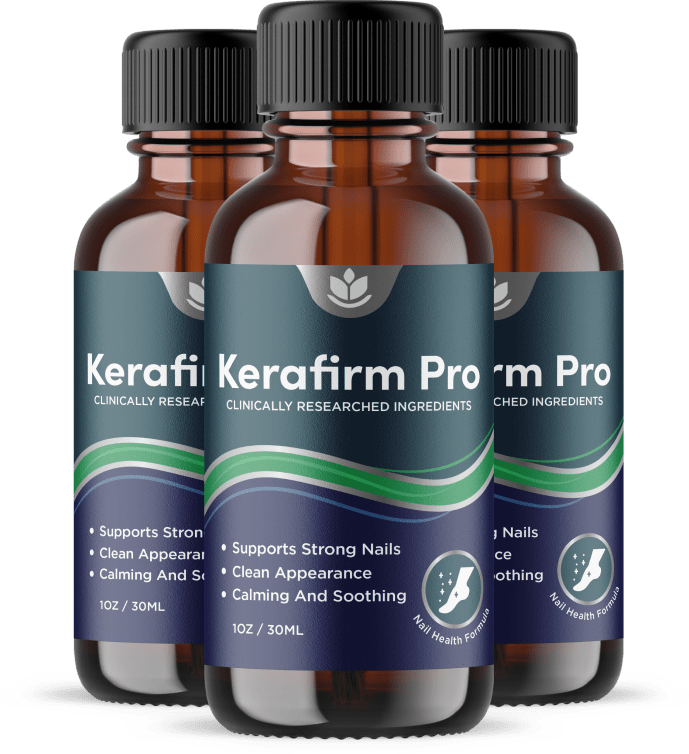
Topical nail-care product guide
View Product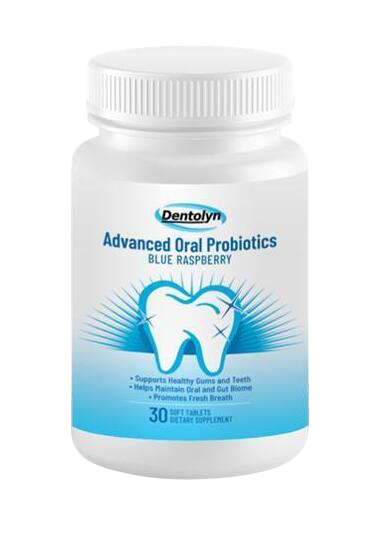
Oral-health supplement and outcome guide
View ProductA product should qualify because whey concentrate is the principal protein source, not because concentrate appears somewhere in a blend.
Protein grams should be read alongside serving size, calories, carbohydrate and fat.
Milk allergens, lactose-related claims, sweeteners and testing should be recorded from current labels.
This Batch 2 category currently contains 6 manufacturer-sourced qualifying products. Planned comparison fields include: product_name, brand, protein_g_per_serving, serving_size, whey_concentrate_source, other_protein_sources, calories, carbohydrate_g, fat_g, sweeteners, allergens, testing_claim, source_url, last_verified.
| Product | Currently verified facts | Primary source | Freshness |
|---|---|---|---|
| Dymatize Elite 100% Whey | Current manufacturer product record verified for category inclusion. | Manufacturer source | Recheck before deployment |
| Naked Whey | Current manufacturer product record verified for category inclusion. | Manufacturer source | Recheck before deployment |
| PROMIX Grass-Fed Whey Protein | Current manufacturer product record verified for category inclusion. | Manufacturer source | Recheck before deployment |
| NOW Sports Whey Protein Concentrate | Current manufacturer product record verified for category inclusion. | Manufacturer source | Recheck before deployment |
| MyProtein Impact Whey Protein | Current manufacturer product record verified for category inclusion. | Manufacturer source | Recheck before deployment |
| Legion Whey Protein Concentrate | • 20 g protein per serving stated on current manufacturer page • Product is explicitly positioned as whey protein concentrate • Third-party lab testing claimed by manufacturer | Manufacturer source | Recheck before deployment |
This directory is for products whose relevant protein source is whey protein concentrate or whose current formula is clearly concentrate-led. It is narrower than broad whey and separate from isolate-specific comparison.
NOW Sports Whey Protein Concentrate currently lists 24 g protein per 33 g serving and uses whey protein concentrate with sunflower lecithin. PROMIX Grass-Fed Whey Protein currently lists 25 g protein per two-scoop serving and emphasizes grass-fed milk sourcing with minimal filtering. MyProtein Impact Whey uses whey protein concentrate as its principal protein source, while Legion Whey Protein Concentrate currently lists 20 g protein per serving.
This is the first concentrate-specific information-gain element: the category includes products that differ in serving size, protein amount, sourcing language and formula simplicity even though they share the same broad protein-processing class.
Concentrate products can look similar if only protein grams are shown. A more useful comparison records the full serving size alongside the protein amount so that users can distinguish a smaller serving from a larger one rather than treating all 20–25 g protein labels as equivalent.
Current official pages support a 33 g serving for NOW's unflavored whey concentrate and a two-scoop serving for PROMIX's unflavored grass-fed whey. MyProtein values vary by flavor and market presentation, so those fields should be kept variant-specific.
Some concentrate products are built around a short ingredient list, while others use broader flavoring and sweetening systems. Ingredient simplicity is a valid product attribute when the current label supports it, but it should not be converted into a universal quality judgment.
The isolate page emphasizes isolate identity, hydrolysis and isolate-specific macro disclosure. This concentrate page emphasizes concentrate-led formulation, serving economics and ingredient simplicity. The broad whey page sits above both and helps users choose which subtype to inspect.
The page should avoid statements such as “concentrate is better value” unless current price-per-serving data is actually collected and normalized. Serving economics are a legitimate future information-gain field, but they require current price data rather than assumption.
A concentrate-specific table should record the protein source exactly as stated, protein grams per full serving, serving weight, flavored versus unflavored format, additional ingredients, testing signals where current and verifiable, and the date of the source check. If a manufacturer uses a regional page with variant-specific nutrition, the regional or flavor context should be preserved.
For example, PROMIX emphasizes grass-fed milk sourcing and minimal filtering. NOW presents an unflavored concentrate with a 33 g serving and 24 g protein. Legion lists 20 g protein per serving and emphasizes third-party testing. MyProtein's current values can differ by market or flavor. These are useful product differences even without trying to rank concentrate against isolate.
The current concentrate set lends itself to a different decision framework from isolate. NOW Sports, PROMIX, MyProtein and Legion all use concentrate-led positioning, but they vary in ingredient simplicity, serving size, protein amount and sourcing language. Those are the fields this page should make primary.
Concentrate products are often sold across multiple markets with different flavor panels and serving presentations. MyProtein is a good example of why MenPS should retain the market and flavor context next to any nutrition value. A protein figure from one current regional page should not be silently generalized to every variant in the product line.
Comparison should remain variant-specific.
NOW Sports, PROMIX, MyProtein and Legion concentrate facts used here were checked against current official manufacturer pages. Flavor-specific protein and nutrition values should be rechecked before any later material update.
MenPS can verify concentrate identity, serving information and ingredient disclosure. It should not infer superior or inferior recovery, muscle gain or digestibility solely from the processing type.
No. Broad whey includes isolate, concentrate, hydrolyzed whey and blends. Concentrate is one narrower subtype.
Protein grams alone can hide meaningful differences in the amount of powder used per serving.
Yes. Flavor-specific values should be verified from the current label rather than assumed across the entire product line.
Product identity, protein source, serving information and current commercial positioning were checked against official manufacturer pages. These sources support catalog facts, not independent efficacy conclusions.