
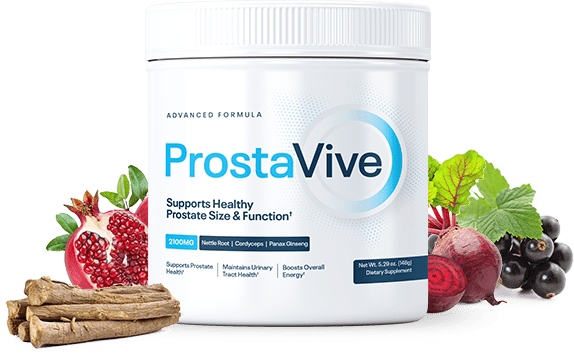
ProstaVive
Prostate-support product guide
View ProductCompare plant-based protein products across pea, rice, fava bean and multi-source blends. This broad directory maps protein-source architecture before users narrow to pea protein.
Add Men’s Performance Supplements to Google Preferred Sources or open this page in your preferred AI tool.
Explore the complete published product catalog. Each card opens the relevant MenPS product guide.
Prostate-support product guide
View Product
Blood-sugar supplement comparison and buying guide
View Product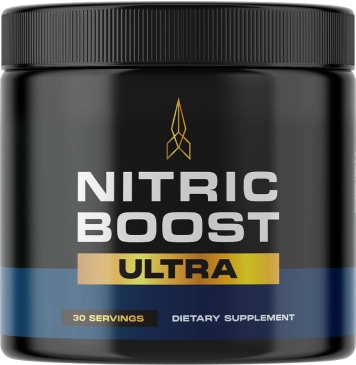
Nitric-oxide support guide
View Product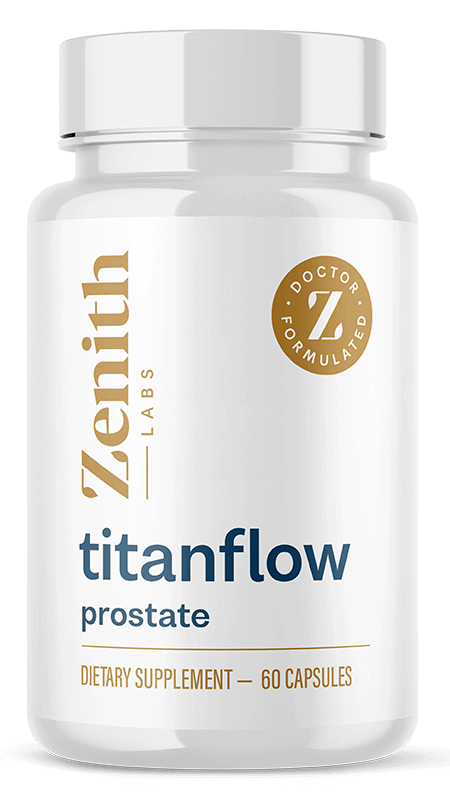
Prostate and urinary-support guide
View Product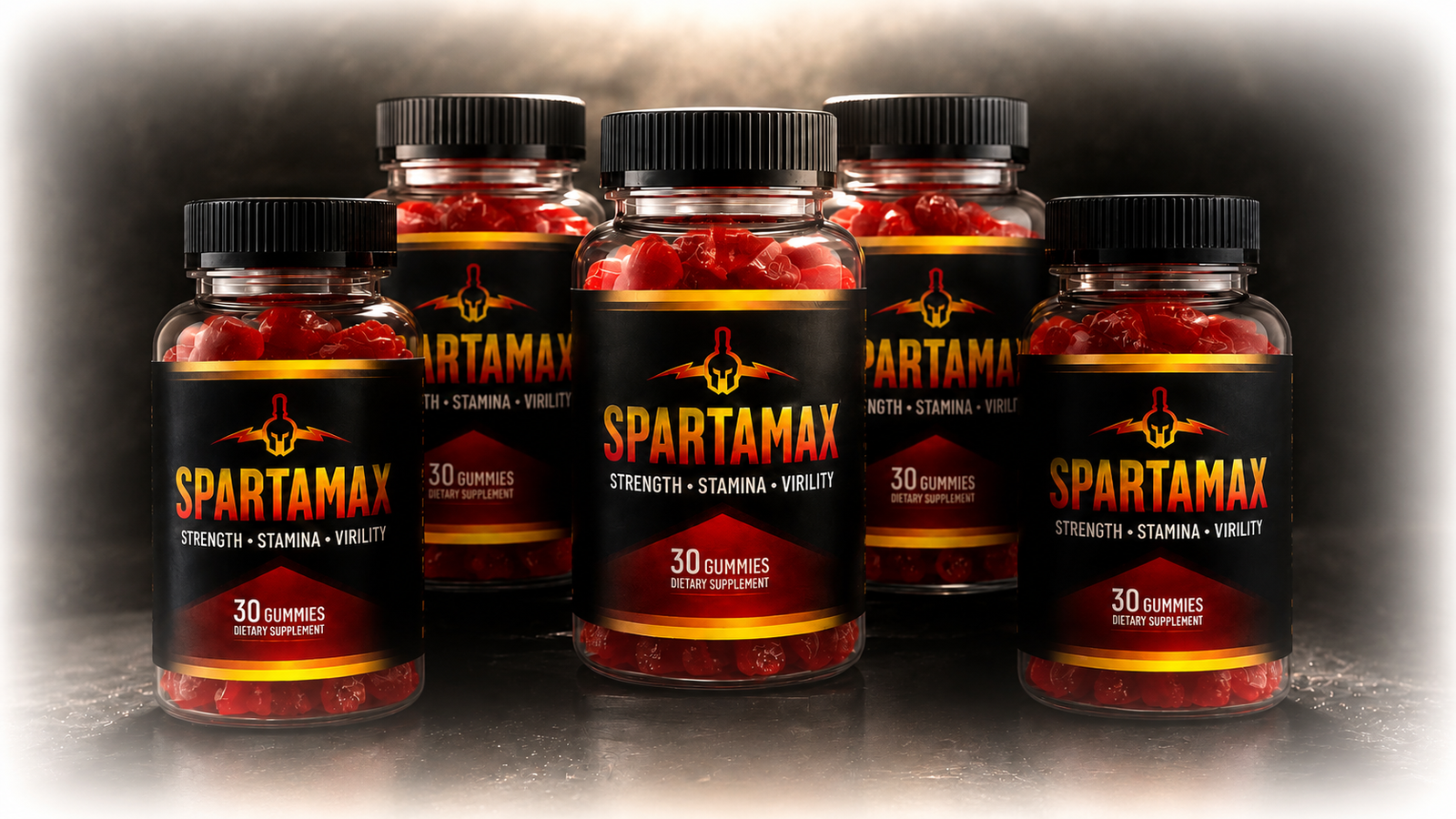
Men’s performance product guide
View Product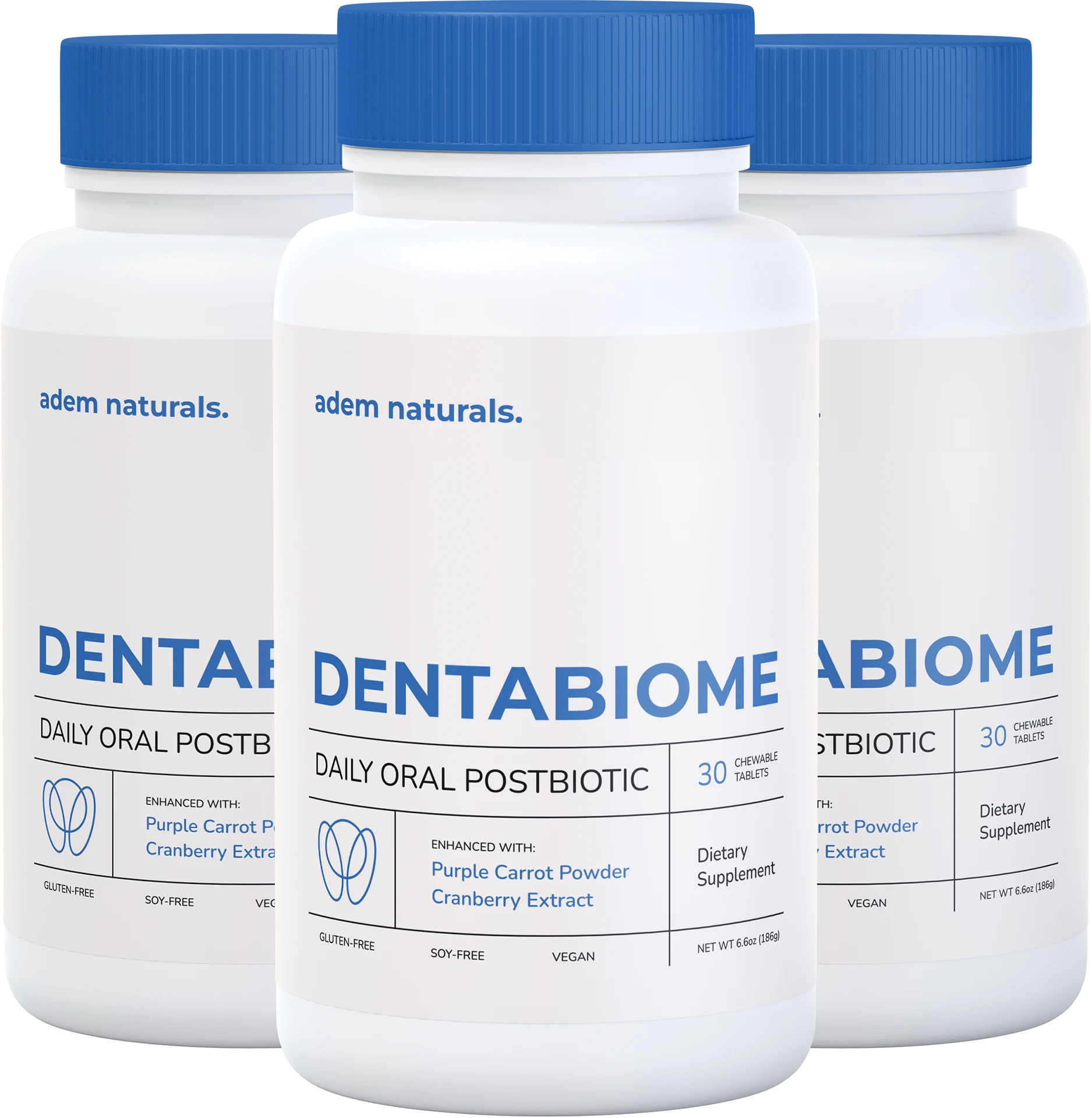
Oral-health supplement guide
View Product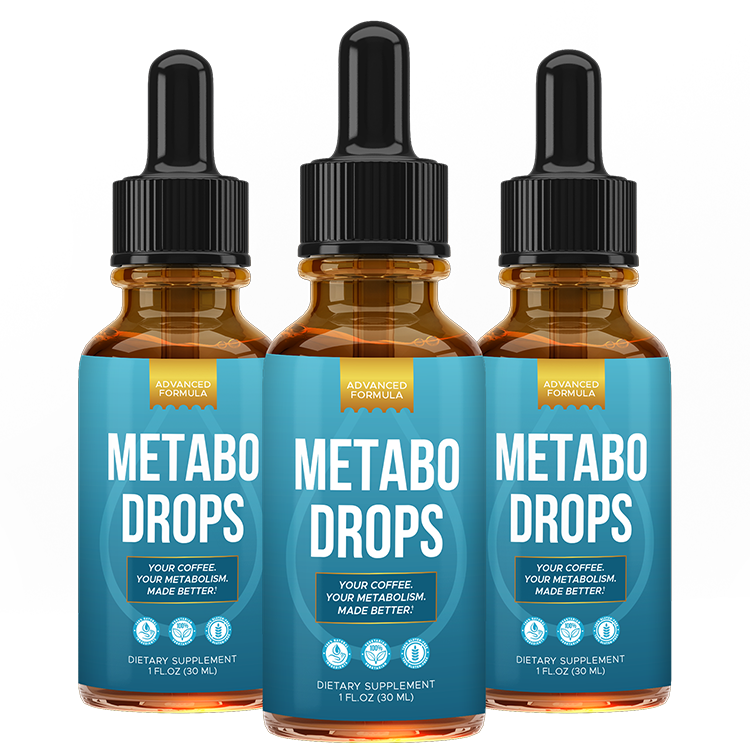
Coffee-added metabolic-support guide
View Product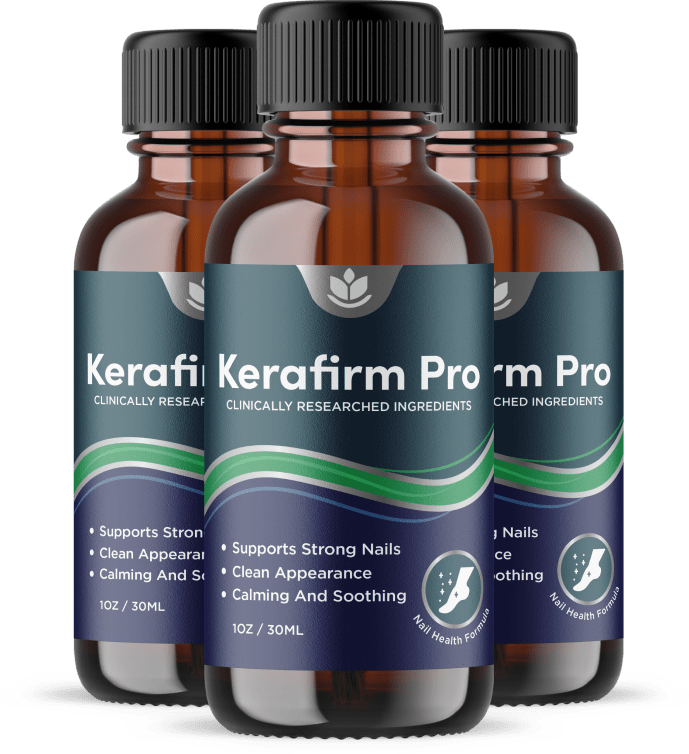
Topical nail-care product guide
View Product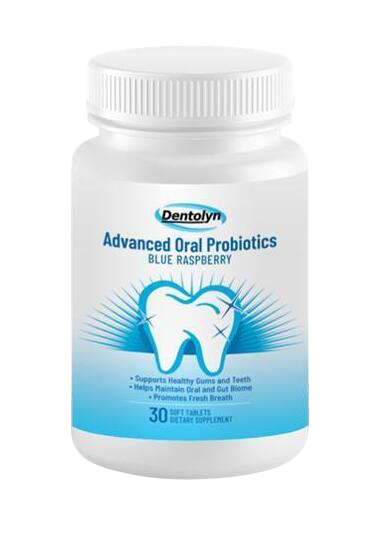
Oral-health supplement and outcome guide
View ProductSingle-source and blended plant proteins should not be collapsed into one ingredient field.
Leucine or EAA disclosure can add useful context, but it should not be converted into an automatic quality ranking.
Vegan, allergen and testing claims should come from the current manufacturer record.
This Batch 2 category currently contains 6 manufacturer-sourced qualifying products. Planned comparison fields include: product_name, brand, plant_protein_sources, protein_g_per_serving, serving_size, leucine_or_eaa_disclosure, calories, carbohydrate_g, fat_g, sweeteners, allergens, testing_claim, source_url, last_verified.
| Product | Currently verified facts | Primary source | Freshness |
|---|---|---|---|
| Optimum Nutrition Gold Standard 100% Plant Protein | Current manufacturer product record verified for category inclusion. | Manufacturer source | Recheck before deployment |
| Garden of Life SPORT Organic Plant-Based Protein | Current manufacturer product record verified for category inclusion. | Manufacturer source | Recheck before deployment |
| Orgain Organic Plant Based Protein | Current manufacturer product record verified for category inclusion. | Manufacturer source | Recheck before deployment |
| KOS Organic Plant Protein | Current manufacturer product record verified for category inclusion. | Manufacturer source | Recheck before deployment |
| Truvani Plant Based Protein | Current manufacturer product record verified for category inclusion. | Manufacturer source | Recheck before deployment |
| GHOST Vegan V2 | Current manufacturer product record verified for category inclusion. | Manufacturer source | Recheck before deployment |
Plant protein is the broad category for products whose protein comes from plant sources such as pea, rice, fava bean, pumpkin seed, quinoa, chia, flaxseed or multi-source blends. Pea protein is one important subcategory, but it should not define the whole plant-protein market.
Optimum Nutrition Gold Standard 100% Plant currently uses a blend of pea, rice and fava bean proteins and lists 24 g plant protein per serving. Garden of Life SPORT Organic Plant-Based Protein currently lists 30 g plant protein and uses a broader blend led by pea with garbanzo, navy bean, lentil and cranberry seed proteins. KOS Organic Plant Protein uses a multi-source blend that includes pea, pumpkin seed, quinoa, chia and flaxseed. GHOST Vegan V2 currently lists 25 g or more plant-based protein per serving from a disclosed vegan protein blend.
This creates the first information-gain element: plant protein is a source-architecture category, not merely another name for pea protein.
Naked Pea is a single-ingredient pea-protein product, while several broad plant-protein products combine multiple plant sources. That distinction matters because a buyer comparing a single-source pea product is solving a different task from a buyer choosing among blended vegan formulas.
Current official pages used in this pass show examples around 20–30 g protein per serving. Truvani currently lists 20 g, Orgain lists 21 g for the cited current plant-based powder, Optimum Nutrition lists 24 g, GHOST Vegan V2 lists 25 g or more, and Garden of Life SPORT lists 30 g.
These figures should be read with serving size and flavor-specific label context rather than used as a standalone ranking.
A broad plant page can compare whether a formula uses one source, two or three sources, or a wider blend. It can also record whether pea is the dominant source or one component among several. That comparison is more useful here than repeating pea-protein-specific sections.
Use the pea-protein page when the primary buying question is pea protein itself, including pea isolate identity, pea-only versus pea-dominant blends, and pea-specific serving comparisons. Stay on this broad plant page when the user is comparing different plant-source architectures.
This makes the broad plant-protein page a source-architecture directory rather than a duplicate of the pea-protein page.
That is why this page should remain broad. It can answer which source families are combined and whether pea is the only source, the dominant source, or one part of a larger blend. The narrower pea page should not reproduce the full source-diversity map.
The current verified set ranges from relatively focused blends to formulas combining several plant sources. Optimum Nutrition currently combines pea, rice and fava bean proteins. Garden of Life uses a broader multi-source pattern that includes pea, garbanzo, navy bean, lentil and cranberry seed proteins. KOS uses pea, pumpkin seed, quinoa, chia and flaxseed. These are meaningfully different source architectures even before a user compares flavor or protein grams.
The plant products used in this rewrite were checked against current manufacturer pages. Flavor and market variants can change serving and nutrition fields, so exact variant data should be verified before future updates.
MenPS can verify plant source, serving size and protein amount. Claims about muscle gain, digestibility, amino-acid adequacy or clinical outcomes require independent evidence rather than inference from the product label.
No. Current products use pea alone, pea with rice, pea with fava bean, and much broader multi-source blends.
One compares source architectures across the plant-protein market; the other compares pea-specific products.
No. Serving size, source blend and the user's comparison task also matter.
Product identity, protein source, serving information and current commercial positioning were checked against official manufacturer pages. These sources support catalog facts, not independent efficacy conclusions.