
ProstaVive
Prostate-support product guide
View ProductCompare isolate-specific whey products by protein amount, serving size, hydrolysis, formula simplicity and label transparency. This page is narrower than the broad whey directory.
Add Men’s Performance Supplements to Google Preferred Sources or open this page in your preferred AI tool.
Explore the complete published product catalog. Each card opens the relevant MenPS product guide.
Prostate-support product guide
View Product
Blood-sugar supplement comparison and buying guide
View Product
Nitric-oxide support guide
View Product
Prostate and urinary-support guide
View Product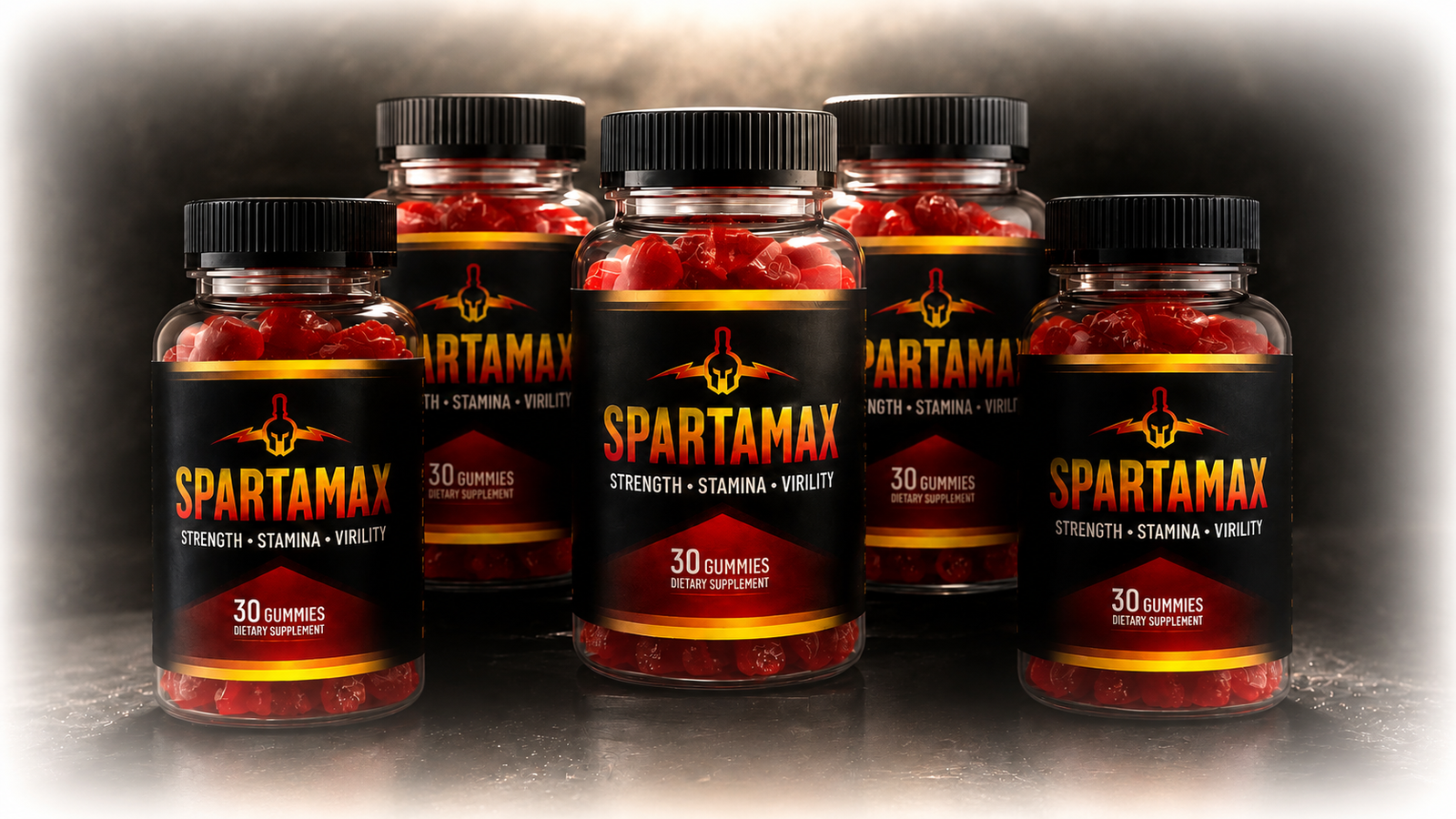
Men’s performance product guide
View Product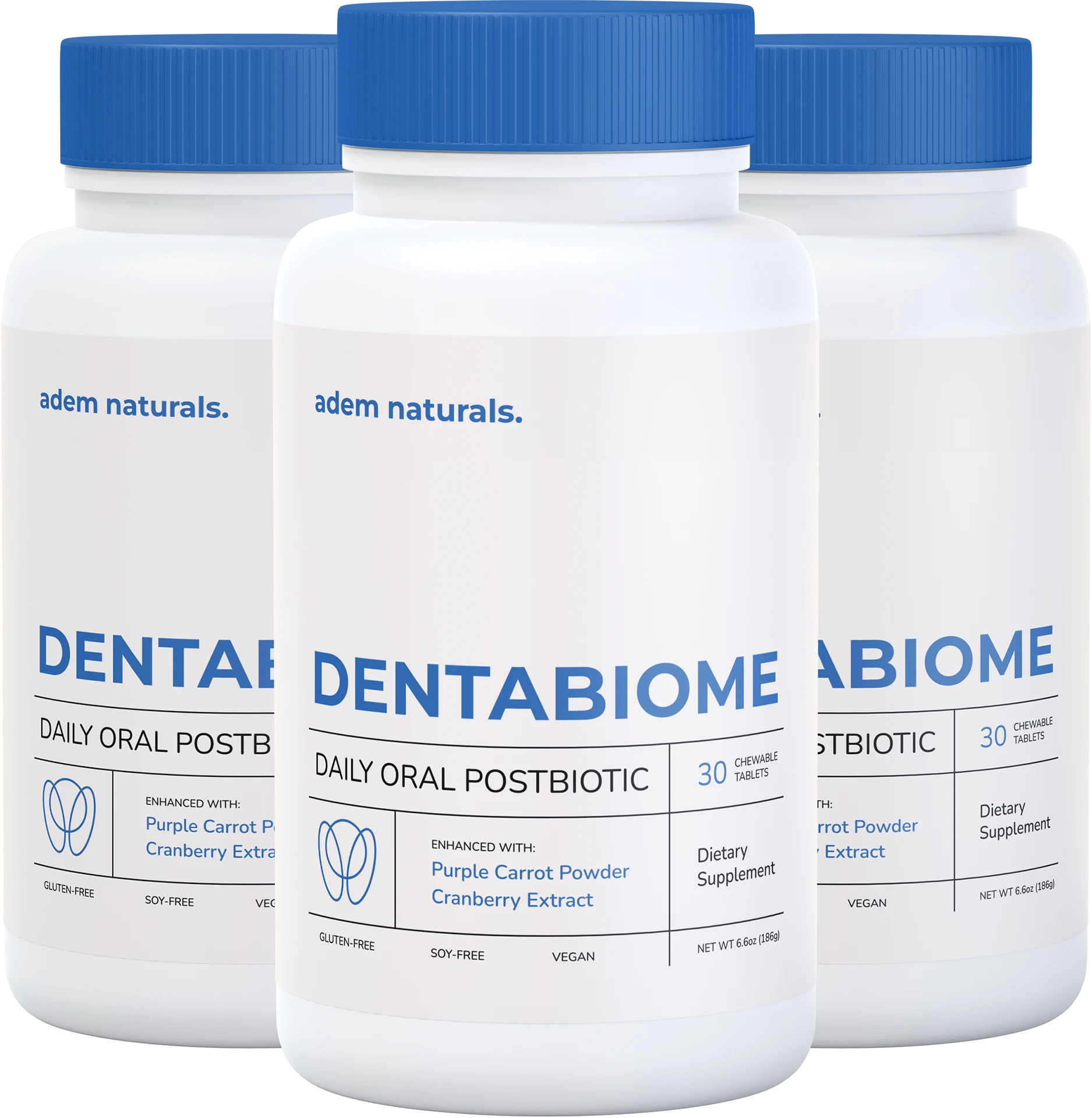
Oral-health supplement guide
View Product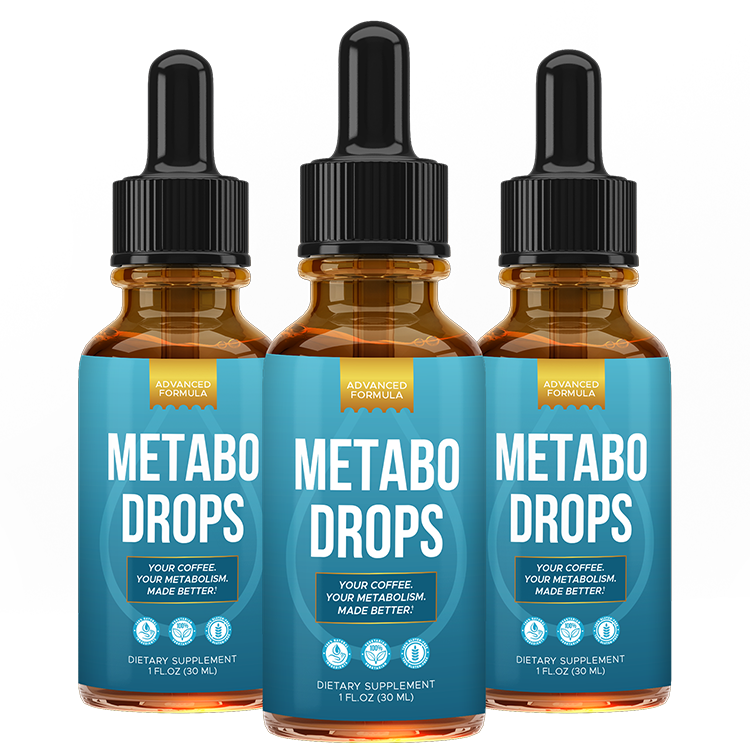
Coffee-added metabolic-support guide
View Product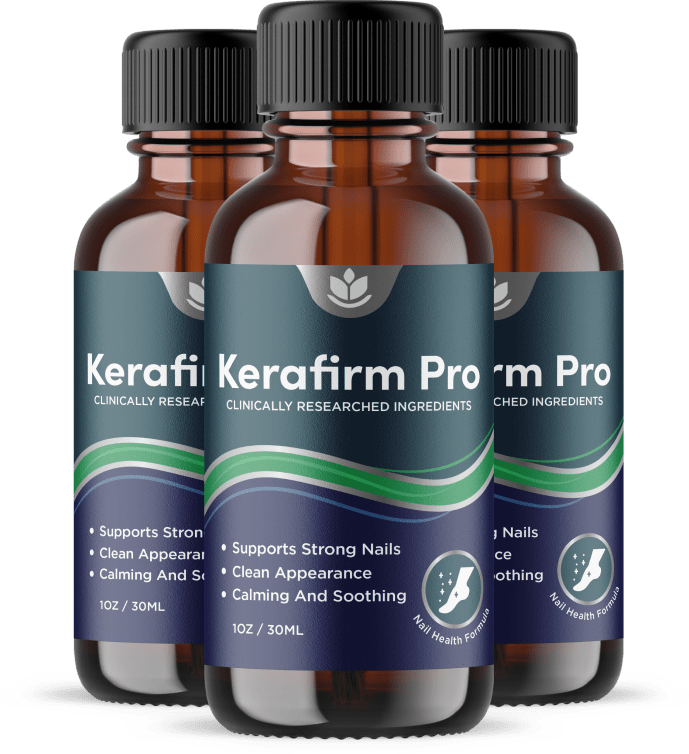
Topical nail-care product guide
View Product
Oral-health supplement and outcome guide
View ProductCheck whether the label uses whey isolate, hydrolyzed isolate or a blend with other whey fractions.
Protein density, calories, carbohydrate and fat provide more context than front-label claims alone.
Low-lactose, lactose-free and testing claims should be checked against the current label or supporting documentation.
Comparison fields planned for this category include: product name, brand, isolate_or_hydrolyzed_source, protein_g_per_serving, serving_size, calories, carbohydrate_g, fat_g, lactose_claim, leucine_disclosure, testing_claim, source_url, last_verified.
| Product | Currently verified label facts | Primary source | Freshness |
|---|---|---|---|
| Dymatize ISO100 | • Hydrolyzed whey protein isolate product • Current manufacturer product page | Manufacturer source | Verified 3 Sep |
| Kaged Whey Protein Isolate | • 25 g whey protein isolate • Informed Sport certified | Manufacturer source | Verified 3 Sep |
| Transparent Labs Grass-Fed Whey Protein Isolate | • 28 g whey protein isolate per scoop • Third-party testing available | Manufacturer source | Verified 3 Sep |
| Legion Clear Whey+ | • 22 g whey protein isolate per serving • Third-party lab tested | Manufacturer source | Verified 3 Sep |
| Optimum Nutrition Gold Standard 100% Isolate | • Whey isolate product listed in current manufacturer whey collection • Current manufacturer listing | Manufacturer source | Verified 3 Sep |
| Optimum Nutrition Platinum Hydrowhey | • Hydrolyzed whey product listed in current manufacturer whey collection • Current manufacturer listing | Manufacturer source | Verified 3 Sep |
This page is limited to products whose relevant protein base is whey protein isolate or an isolate-dominant formulation. The page exists because isolate products have comparison fields that broad whey does not need to emphasize in detail.
Dymatize ISO100 is isolate-led and uses hydrolyzed whey protein isolate. Kaged Whey Protein Isolate currently lists 25 g whey protein isolate per serving. Transparent Labs Grass-Fed Whey Protein Isolate currently lists 28 g protein from grass-fed whey isolate. Legion Clear Whey+ currently lists 22 g protein per serving from whey isolate, and Optimum Nutrition Platinum Hydrowhey lists 30 g protein from hydrolyzed whey protein isolate.
This creates an isolate-specific information-gain layer: the current set spans conventional isolate, hydrolyzed isolate and clear-whey style products with different serving presentations.
Hydrolyzed whey isolate should be identified as a subtype rather than treated as a marketing adjective. Dymatize ISO100 and Optimum Nutrition Platinum Hydrowhey both currently use hydrolyzed whey protein isolate, while other isolate products use non-hydrolyzed isolate formats.
The presence of hydrolysis is a product-architecture fact. MenPS should record it without converting it into an unsupported claim that the product necessarily produces a better outcome.
Current verified examples range from roughly 22 g to 30 g protein per serving among the products used in this pass. That range is useful only when read alongside serving size, flavor-specific nutrition and product format.
Transparent Labs currently lists 28 g protein per serving for its isolate product, Kaged lists 25 g, Legion Clear Whey+ lists 22 g, and Platinum Hydrowhey lists 30 g.
The broad whey page helps users choose among whey processing types. This page assumes the user has already chosen isolate and now needs a deeper isolate-only product comparison.
Where the current label does not provide a comparable field, MenPS should leave it blank or qualify it rather than infer a value. This is especially important for flavor-dependent nutrition data.
For isolate products, MenPS should prioritize: exact isolate wording, hydrolysis status, protein grams, full serving size, available carbohydrate and fat disclosure, flavor system, testing/certification where current manufacturer data supports it, and whether the product is conventional or clear whey. These fields make the isolate page more than a renamed broad-whey directory.
That classification gives this page a distinct retrieval role. A user searching for whey isolate may care about the underlying isolate form before comparing brand-level details.
The current verified set supports at least three useful isolate classes: conventional isolate powders, hydrolyzed-isolate products, and clear-whey isolate products. Kaged and Transparent Labs fit the conventional isolate comparison. Dymatize ISO100 and Platinum Hydrowhey are relevant to the hydrolyzed-isolate branch. Legion Clear Whey+ represents a clear-whey format that uses isolate but presents a different drinking experience and serving profile.
Clear whey products such as Legion Clear Whey+ use whey isolate but are presented differently from conventional creamy shake powders. MenPS should therefore tag the format separately rather than treating all isolate products as visually and functionally identical. That distinction helps users compare the product experience without making a claim about superior physiological performance.
All product-specific facts used in this rewrite were checked against current manufacturer pages. Macros can vary by flavor and market, so future updates should verify the exact variant before changing comparative values.
MenPS treats isolate type, protein amount, serving size and disclosure as catalog facts. Claims about absorption, recovery, body composition or tolerance require independent evidence and should not be inferred solely from the product category.
It is a meaningful isolate subtype and should be recorded separately when the manufacturer identifies it.
No. Serving size, formulation and the user's comparison goal also matter.
Yes. A product can belong on the broad whey page while containing isolate as one of its protein sources.
Product identity, protein source, serving information and current commercial positioning were checked against official manufacturer pages. These sources support catalog facts, not independent efficacy conclusions.