
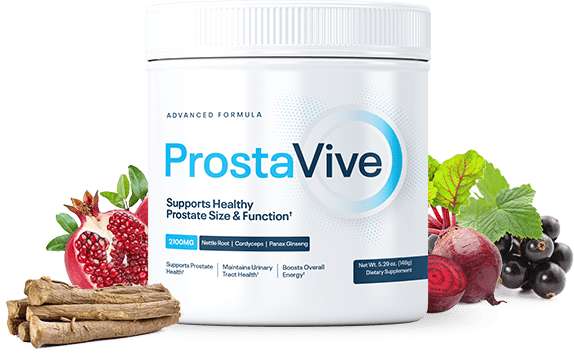
ProstaVive
Prostate-support product guide
View ProductCompare current mushroom supplements by species, single versus blended formula, fruiting-body versus mycelium architecture, extraction method, beta-glucan disclosure and serving format.
Add Men’s Performance Supplements to Google Preferred Sources or open this page in your preferred AI tool.
Explore the complete published product catalog. Each card opens the relevant MenPS product guide.
Prostate-support product guide
View Product
Blood-sugar supplement comparison and buying guide
View Product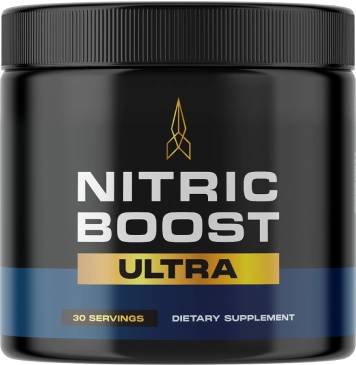
Nitric-oxide support guide
View Product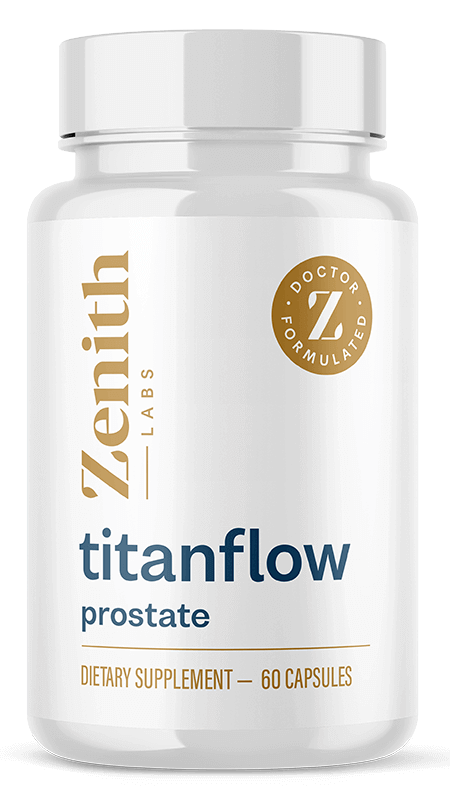
Prostate and urinary-support guide
View Product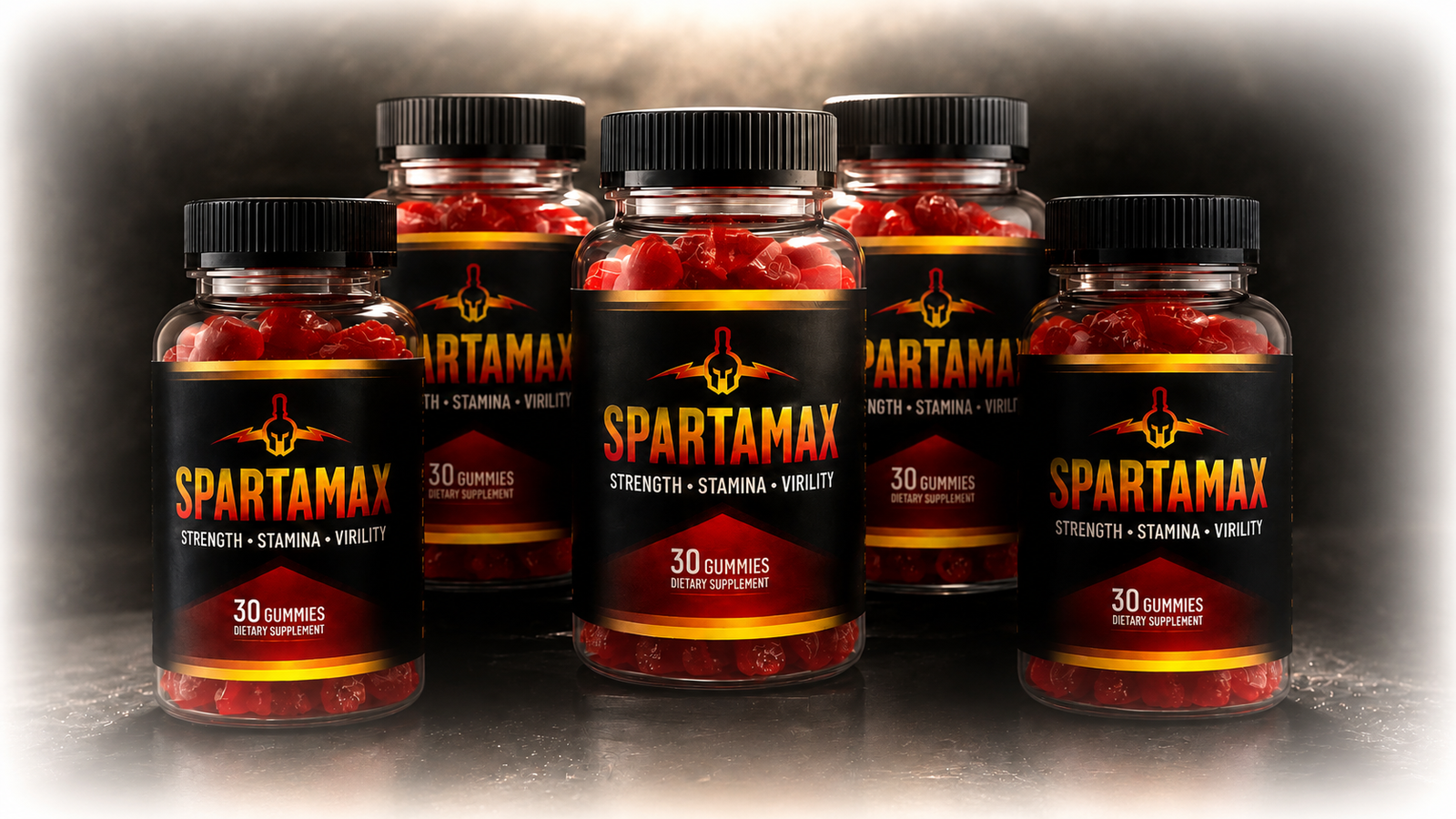
Men’s performance product guide
View Product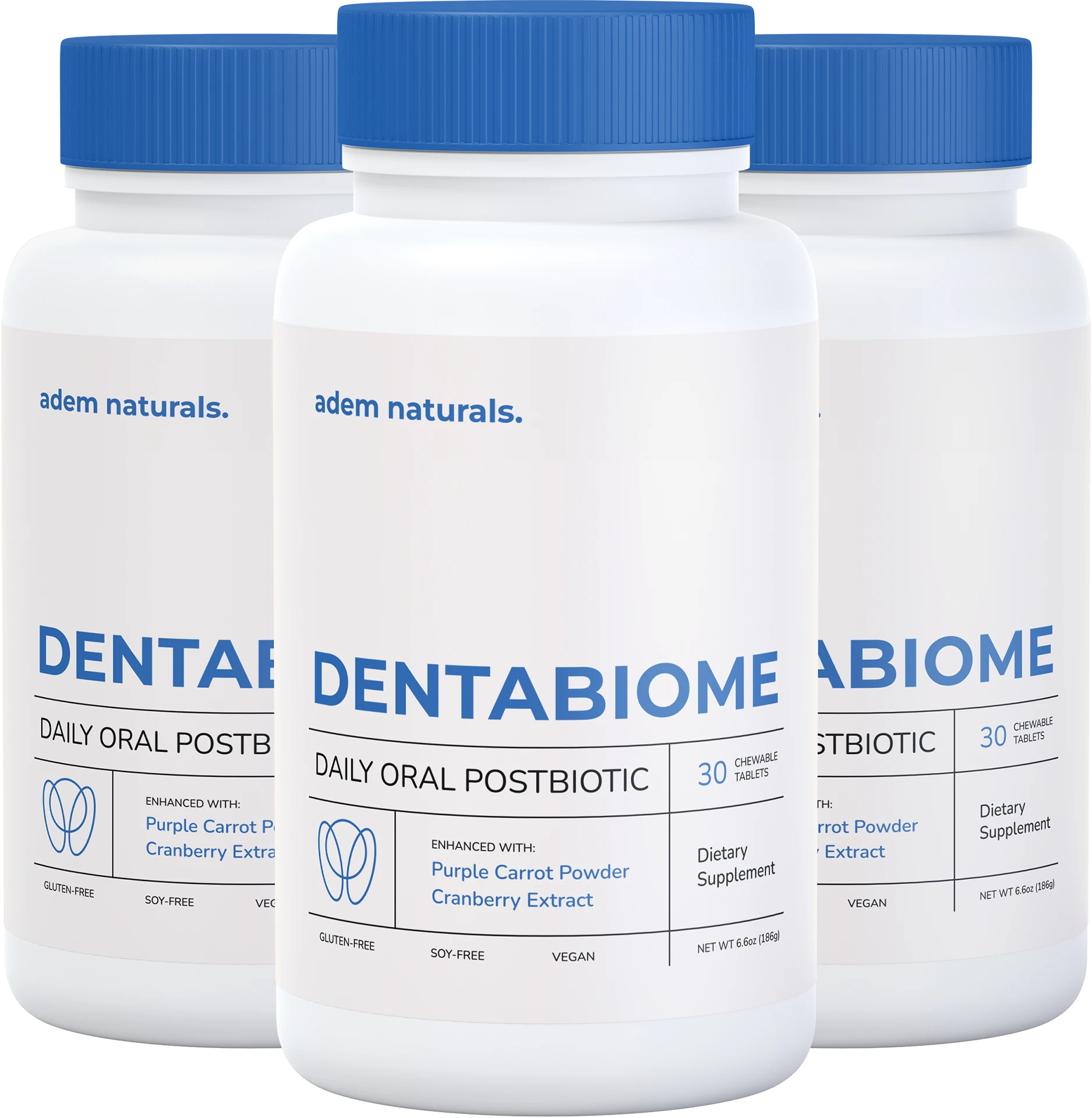
Oral-health supplement guide
View Product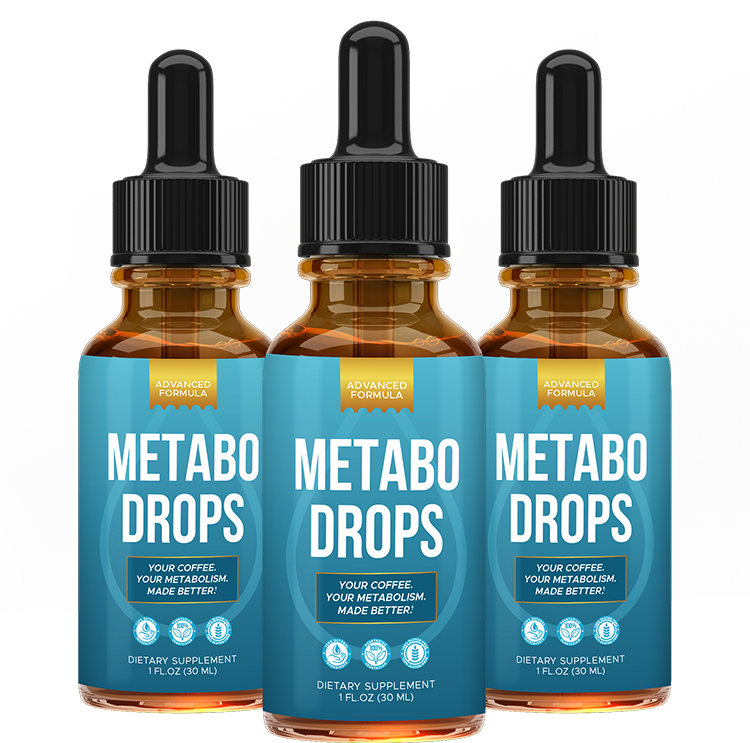
Coffee-added metabolic-support guide
View Product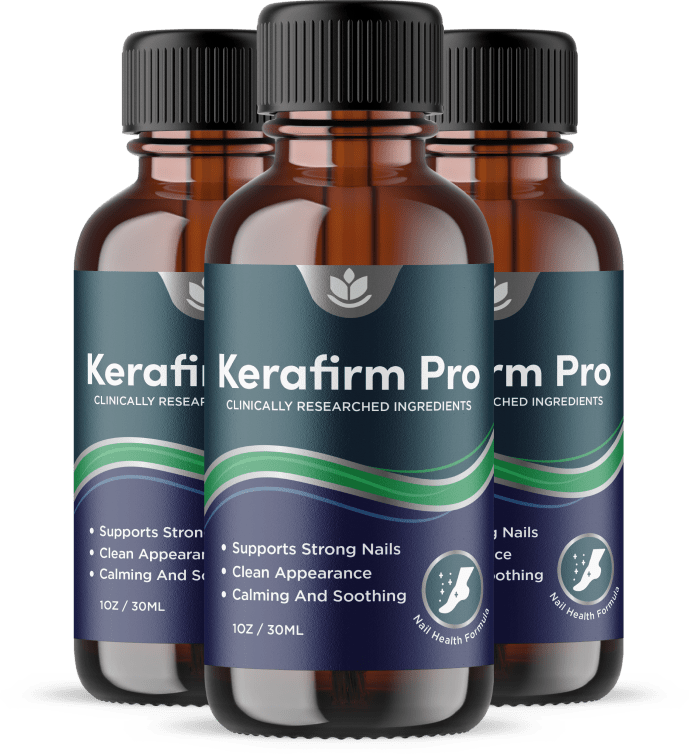
Topical nail-care product guide
View Product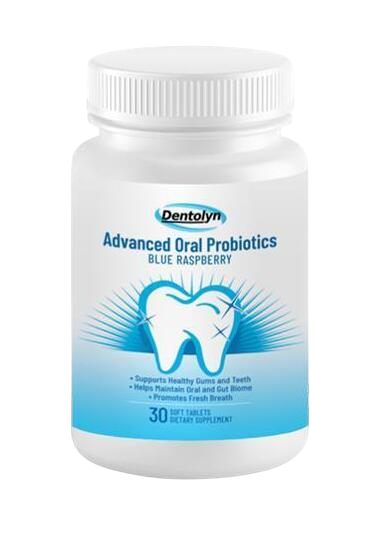
Oral-health supplement and outcome guide
View ProductLion's mane, cordyceps and mixed mushroom products should be classified separately.
Product material should be stated clearly where the manufacturer discloses it.
Extract details and beta-glucan disclosure can make formulas more comparable.
This Batch 4 category currently contains 6 manufacturer-sourced qualifying products. Planned comparison fields include: mushroom_species, fruiting_body_or_mycelium, extract_ratio, beta_glucan_disclosure, other_actives, serving_size, testing_claim, source_url, last_verified.
| Product | Currently verified facts | Primary source | Freshness |
|---|---|---|---|
| Host Defense Lion's Mane | • Lion's mane mushroom product | Manufacturer source | Recheck before deployment |
| Host Defense Cordyceps | • Cordyceps mushroom product | Manufacturer source | Recheck before deployment |
| Host Defense MyCommunity | • Multi-mushroom formula | Manufacturer source | Recheck before deployment |
| Real Mushrooms Organic Lion's Mane Extract Capsules | • Fruiting-body extract • Hot-water extracted • >30% beta-glucans disclosed | Manufacturer source | Recheck before deployment |
| Real Mushrooms Organic Cordyceps-M Extract Capsules | • Fruiting-body extract • >30% beta-glucans disclosed • No grain/mycelium filler | Manufacturer source | Recheck before deployment |
| Real Mushrooms 5 Defenders Organic Mushroom Blend Capsules | • Five-mushroom fruiting-body blend • Turkey tail/reishi/shiitake/maitake/chaga | Manufacturer source | Recheck before deployment |
This page is the broad product-class directory for current single-mushroom and multi-mushroom supplements. Its most useful fields are species, fruiting-body versus mycelium architecture, extraction method, beta-glucan disclosure and single-versus-blend design.
The current verified set includes Host Defense Lion's Mane, Cordyceps and MyCommunity plus Real Mushrooms Lion's Mane, Cordyceps-M and 5 Defenders.
Host Defense Lion's Mane and Cordyceps are single-mushroom products, as are Real Mushrooms Lion's Mane and Cordyceps-M. Host Defense MyCommunity and Real Mushrooms 5 Defenders are multi-mushroom blends.
This creates the first information-gain layer: mushroom products should be classified by species count and formula architecture before marketing claims are compared.
Host Defense currently describes its capsule line as certified-organic mushroom mycelium grown on organic brown rice. Its Lion's Mane capsules provide 1 g Lion's Mane mycelium per two-capsule serving. Real Mushrooms currently uses fruiting-body-only mushroom extracts and explicitly distinguishes those products from mycelium grown on grain.
MenPS should record this manufacturing architecture neutrally as a product attribute rather than declaring one approach universally superior.
Real Mushrooms currently describes its Lion's Mane as hot-water extracted and guaranteed to contain more than 30% beta-glucans. Its Cordyceps-M product similarly uses fruiting-body extract with guaranteed beta-glucan disclosure. Host Defense uses a different mycelium-based product system.
This makes extraction method and beta-glucan disclosure useful catalog fields without requiring MenPS to infer clinical potency from either.
Real Mushrooms 5 Defenders currently identifies its blend as 30% turkey tail, 20% reishi, 20% shiitake, 20% maitake and 10% chaga. Host Defense MyCommunity is also a multi-mushroom formula but uses the Host Defense mycelium architecture.
Species composition should therefore be recorded separately from the number of mushrooms named on the front label.
Lion's Mane products may overlap with Focus or Cognitive Support, while Cordyceps products may overlap with performance or adaptogen-oriented discovery. Those narrower pages should own the task-specific comparison. Mushroom Supplements should remain focused on mushroom product architecture.
The core fields should be species, single versus blend, fruiting body versus mycelium, growth substrate where disclosed, extraction method, beta-glucan disclosure, serving size, certification/testing information, current availability and source-check date.
Lion's Mane products should first be compared with other Lion's Mane products, and Cordyceps products with other Cordyceps products. That allows species, source material, extraction method, beta-glucan disclosure and serving size to be compared directly. Multi-mushroom blends such as MyCommunity and 5 Defenders belong in a separate subgroup because their formula question is species composition rather than single-species potency.
Host Defense and Real Mushrooms use visibly different production systems. Host Defense describes its capsules as mushroom mycelium grown on organic brown rice, while Real Mushrooms emphasizes fruiting-body extracts without grain filler. MenPS should report those differences neutrally and let users compare the disclosed architecture rather than declaring one manufacturing approach universally better.
Official manufacturer pages can verify species, material used, extraction and label disclosures. They do not independently prove that one mushroom product improves cognition, immunity, energy or another health outcome more than another.
All six current inventory rows were freshly checked during the September audit. The current Host Defense and Real Mushrooms product systems support a substantially more informative architecture comparison than the original generic template.
No. They represent different production architectures and should be disclosed separately.
No. Disclosure practices differ by manufacturer and product.
No. Mushroom Supplements compares its species and manufacturing architecture, while Focus can compare its concentration-oriented commercial role.
A multi-mushroom product should identify the species included wherever the current manufacturer discloses them. Counting the number of mushrooms alone is less useful than showing which species are present and whether proportions are disclosed.
Current product identity, composition and positioning were checked against official manufacturer sources. These support catalog facts and attributed positioning, not independent efficacy conclusions.