
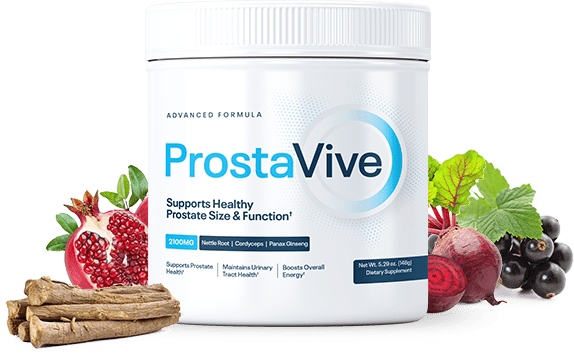
ProstaVive
Prostate-support product guide
View ProductCompare current stress-support products by adaptogen, L-theanine, peptide and botanical architecture, plus daytime or bedtime positioning. This page does not imply treatment of anxiety or stress disorders.
Add Men’s Performance Supplements to Google Preferred Sources or open this page in your preferred AI tool.
Explore the complete published product catalog. Each card opens the relevant MenPS product guide.
Prostate-support product guide
View Product
Blood-sugar supplement comparison and buying guide
View Product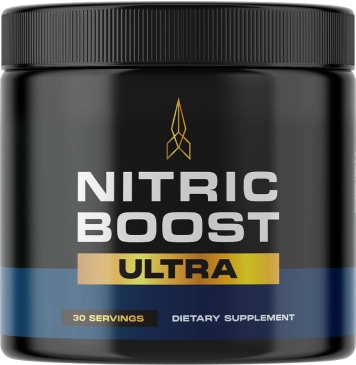
Nitric-oxide support guide
View Product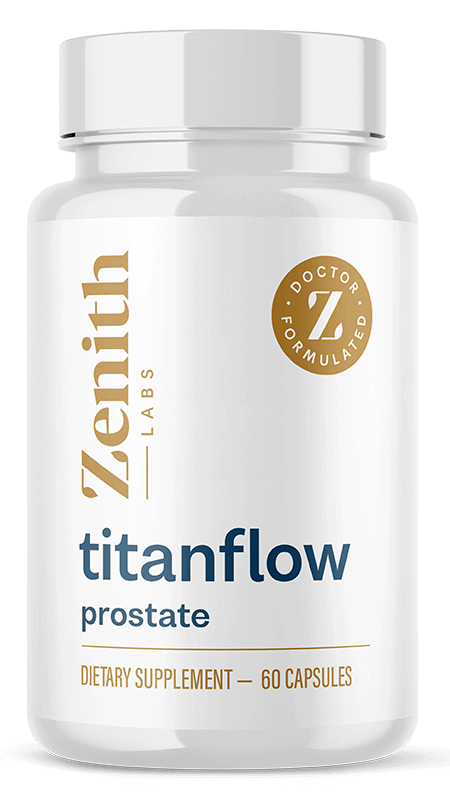
Prostate and urinary-support guide
View Product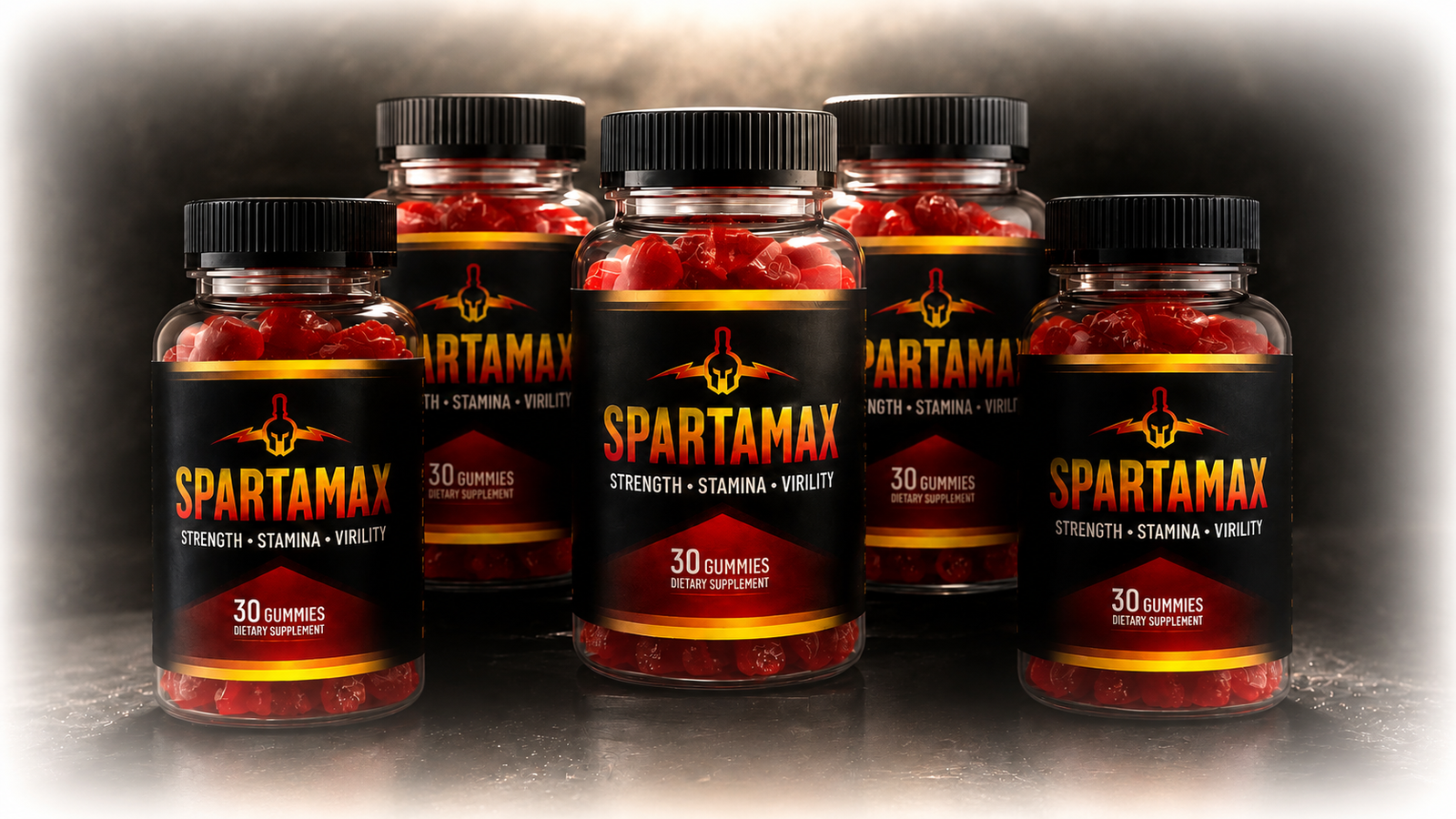
Men’s performance product guide
View Product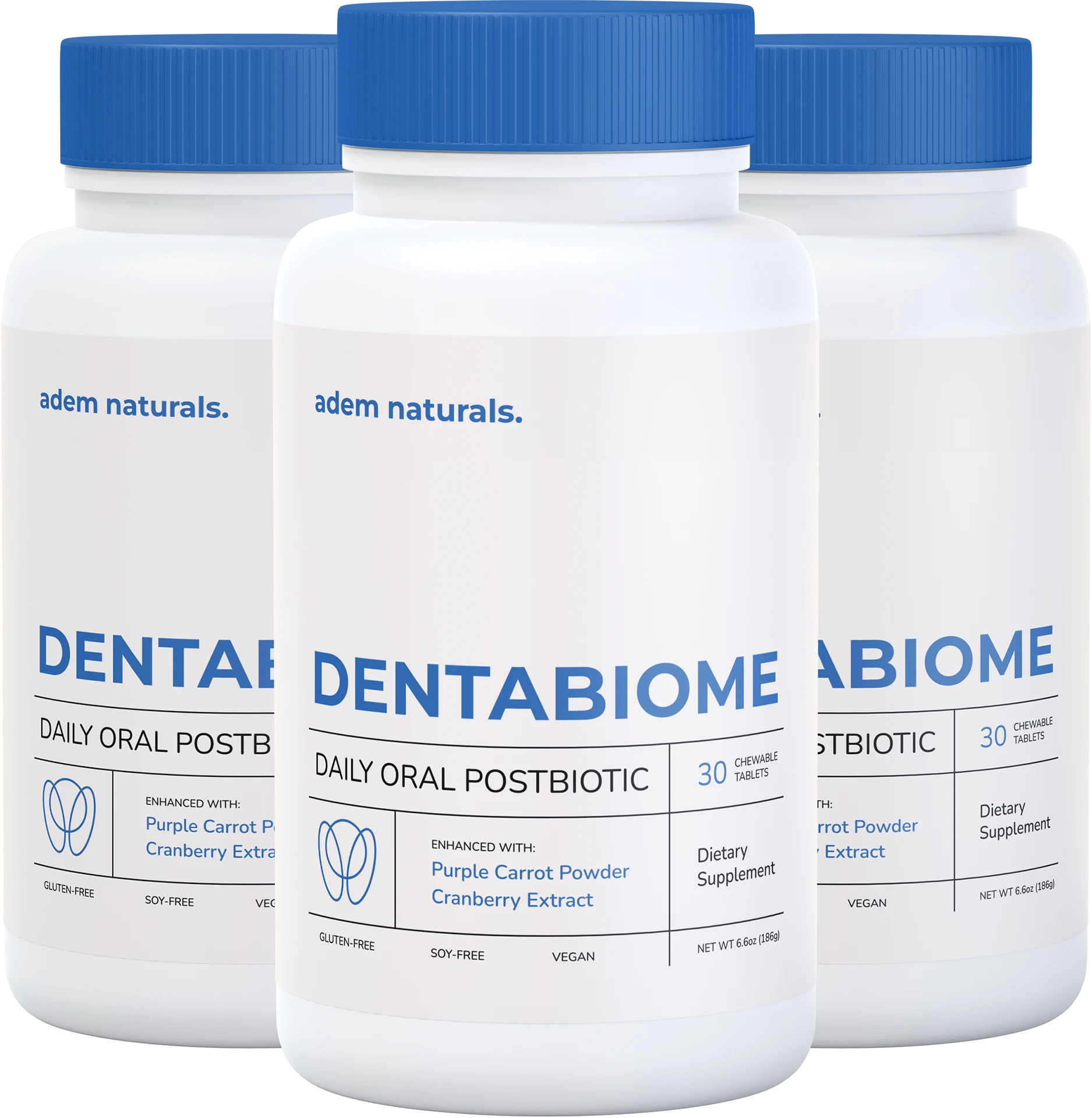
Oral-health supplement guide
View Product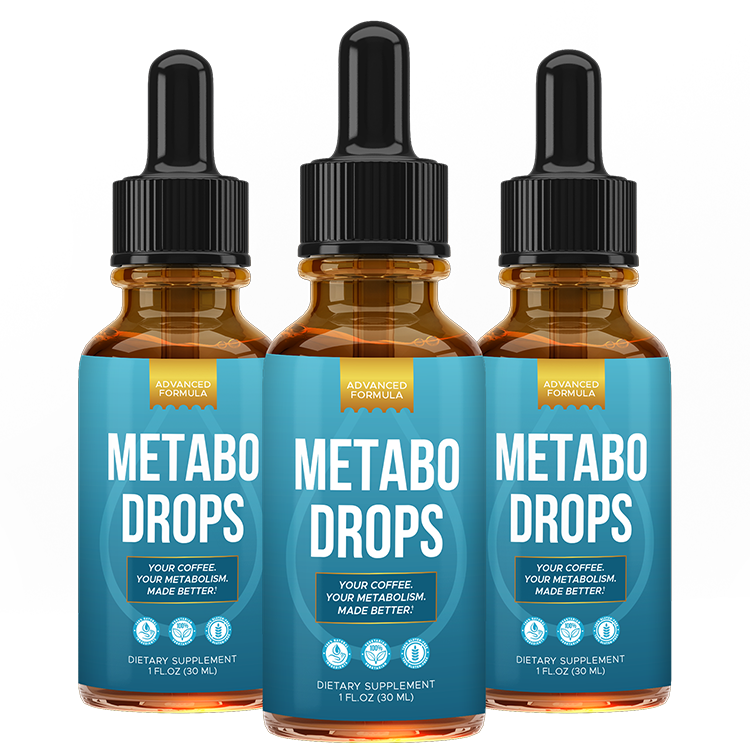
Coffee-added metabolic-support guide
View Product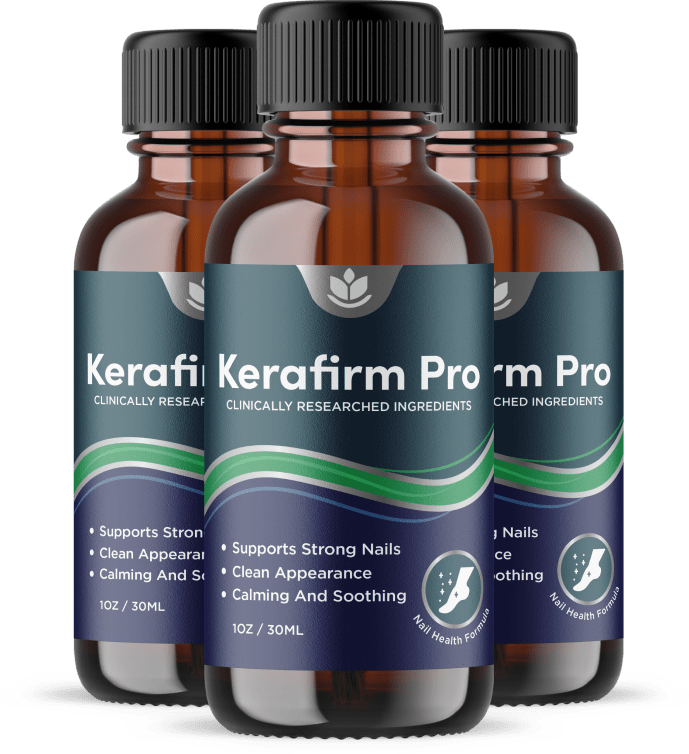
Topical nail-care product guide
View Product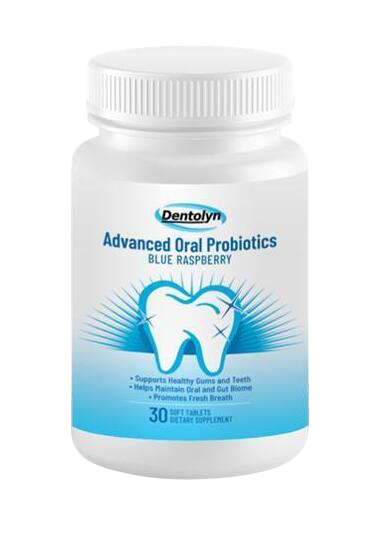
Oral-health supplement and outcome guide
View ProductAdaptogens, amino acids, minerals and multi-botanical formulas can sit in the same market category while being very different products.
Extract name alone is less informative than standardized constituent details and disclosed amounts.
A manufacturer's stress-support claim is catalog data, not an independent efficacy conclusion.
Comparison fields planned for this category include: product name, brand, major_actives, standardized_extracts, dose_disclosure, proprietary_blend, stimulant_content, format, manufacturer_positioning, source_url, last_verified.
| Product | Currently verified label facts | Primary source | Freshness |
|---|---|---|---|
| Gaia Herbs Stress Response | • Adaptogen-based stress-support formula • Current manufacturer product page | Manufacturer source | Verified 3 Sep |
| Gaia Herbs Ashwagandha Root | • Ashwagandha stress-support product • Current manufacturer product page | Manufacturer source | Verified 3 Sep |
| Life Extension Theanine XR Stress Relief | • 400 mg extended-release L-theanine • Current manufacturer product page | Manufacturer source | Verified 3 Sep |
| Life Extension Cortisol-Stress Balance | • Relora and Oligonol extract blend • Current manufacturer product page | Manufacturer source | Verified 3 Sep |
| Life Extension Enhanced Sleep without Melatonin | • Melatonin-free sleep and stress-support formula • Current manufacturer product page | Manufacturer source | Verified 3 Sep |
| Life Extension Bioactive Milk Peptides | • Lactium bioactive milk peptides • Manufacturer positions for stress coping and restful sleep | Manufacturer source | Verified 3 Sep |
This category includes products currently positioned for general stress support, relaxation or stress-response support without implying treatment of an anxiety disorder, psychiatric condition or other disease. The page is about product architecture and commercial positioning, not diagnosis or treatment.
Gaia Herbs Stress Response is a non-stimulant adaptogen-based formula. Gaia Herbs Ashwagandha Root is a simpler single-herb adaptogen product. Life Extension Theanine XR Stress Relief currently provides 400 mg extended-release L-theanine and is positioned for daytime stress support.
Life Extension Cortisol-Stress Balance uses Relora magnolia/phellodendron extract together with an Oligonol lychee/green-tea extract blend. Life Extension Bioactive Milk Peptides provides 150 mg Lactium-derived casein decapeptide and overlaps with relaxation/rest positioning.
This creates the first information-gain layer: stress-support products can be separated into adaptogen, theanine, peptide and multi-botanical formula classes.
Theanine XR is explicitly positioned for daytime stress support, while products that overlap with relaxation or sleep may be used in a different context. MenPS should therefore record whether the manufacturer positions the formula primarily for daytime use, bedtime/rest, or general stress support.
This is more informative than treating every calming formula as interchangeable.
Gaia Ashwagandha Root is a simpler single-herb product, while Stress Response and Cortisol-Stress Balance use multi-ingredient architectures. MenPS should expose formula complexity, serving size, principal ingredient family and current positioning as separate comparison fields.
A normalized table should record primary formula class, principal ingredient or blend, daytime versus bedtime/general positioning, stimulant status, serving size, single- versus multi-ingredient architecture and source-check date.
These fields create a clear product-discovery page without drifting into medical claims. The page can answer what type of product is being sold and how the current formulas differ while leaving efficacy and treatment questions to the evidence layer.
Some stress-support products may also be positioned around rest or relaxation. That overlap does not make the sleep and stress pages duplicates. The stress page owns the product's stress-response or relaxation positioning, while the sleep page owns nighttime and sleep-specific product discovery.
MenPS should not describe these products as treating anxiety, stress disorders, depression or other medical conditions. Manufacturer stress-support wording can be recorded as catalog positioning, but independent clinical claims require a different evidence standard.
The category should remain conservative: it can compare formula architecture and manufacturer positioning, but should not imply diagnosis, treatment or prevention of anxiety, depression or another medical condition.
An ashwagandha ingredient page compares the ingredient across products. A sleep page focuses on nighttime use. This page owns finished products currently positioned around stress response, daytime calming or relaxation. That commercial-investigation intent is distinct even when some ingredients overlap.
Extended-release L-theanine is a materially different product design from a single-herb ashwagandha capsule or a multi-botanical blend. MenPS should therefore record release format, serving size and formula complexity when those fields define the current product.
This intent map helps users compare finished products that are positioned differently without requiring MenPS to make a clinical judgment about which approach is more effective.
Current products fall into broad adaptogen support, daytime calming, and relaxation/rest-oriented groups. Gaia Stress Response and Ashwagandha Root fit the adaptogen branch. Life Extension Theanine XR fits the daytime branch because it uses 400 mg extended-release L-theanine. Bioactive Milk Peptides overlaps more strongly with rest and relaxation.
All six stress-support product rows were freshly checked against current manufacturer sources during the September audit. Product names, formulas and positioning should be rechecked before later material updates.
No. Some products overlap in relaxation positioning, but the primary user intent is different.
No. MenPS does not use product marketing to imply treatment of anxiety or another disorder.
They are materially different product architectures and support different comparison fields.
Product identity, serving information and current formula facts were checked against current manufacturer or current brand sources. These sources support catalog facts, not independent efficacy conclusions.