
ProstaVive
Prostate-support product guide
View ProductCompare current melatonin products by dose, serving form and release architecture. This page is narrower than broad sleep support and includes only melatonin-containing products.
Add Men’s Performance Supplements to Google Preferred Sources or open this page in your preferred AI tool.
Explore the complete published product catalog. Each card opens the relevant MenPS product guide.
Prostate-support product guide
View Product
Blood-sugar supplement comparison and buying guide
View Product
Nitric-oxide support guide
View Product
Prostate and urinary-support guide
View Product
Men’s performance product guide
View Product
Oral-health supplement guide
View Product
Coffee-added metabolic-support guide
View Product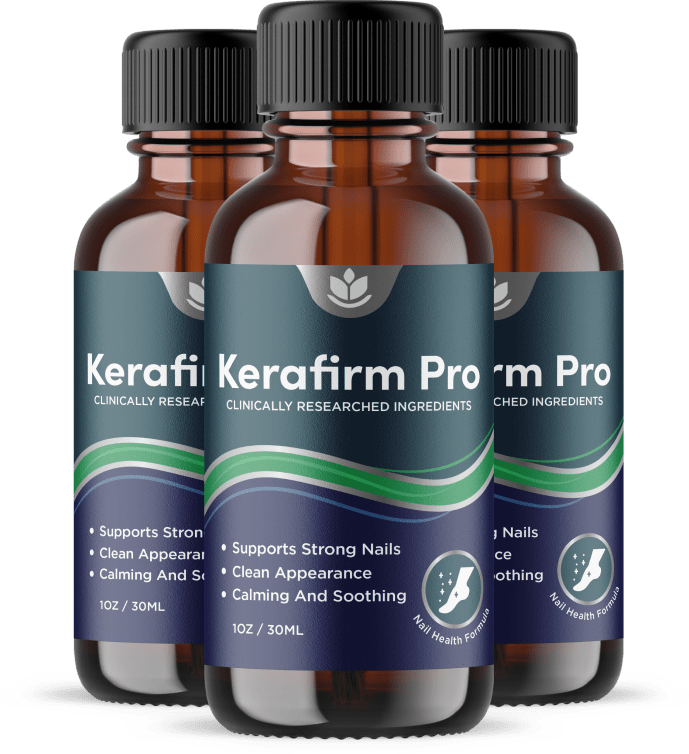
Topical nail-care product guide
View Product
Oral-health supplement and outcome guide
View ProductCompare milligrams of melatonin per serving before comparing brand positioning.
Immediate, fast-dissolve and extended-release products are not designed identically.
Some products include vitamins, minerals or botanicals, which should be recorded separately from melatonin itself.
Comparison fields planned for this category include: product name, brand, melatonin_mg, format, release_type, added_sleep_ingredients, sweeteners, allergen_claims, serving_instructions, source_url, last_verified.
| Product | Currently verified label facts | Primary source | Freshness |
|---|---|---|---|
| Natrol Melatonin 5 mg Tablets | • 5 mg melatonin tablets • Current manufacturer product page | Manufacturer source | Verified 3 Sep |
| Life Extension Melatonin 1 mg | • 1 mg melatonin per capsule • Current manufacturer product page | Manufacturer source | Verified 3 Sep |
| Life Extension Melatonin 3 mg | • 3 mg melatonin per vegetarian capsule • Current manufacturer product page | Manufacturer source | Verified 3 Sep |
| Life Extension Melatonin IR/XR | • 1.5 mg MicroActive melatonin • Immediate and extended release | Manufacturer source | Verified 3 Sep |
| Life Extension Melatonin 6 Hour Timed Release 300 mcg | • 300 mcg timed-release melatonin • Current manufacturer product page | Manufacturer source | Verified 3 Sep |
| Life Extension Melatonin 6 Hour Timed Release 3 mg | • 3 mg timed-release melatonin • Current manufacturer product page | Manufacturer source | Verified 3 Sep |
This page is limited to products that currently contain melatonin and disclose a current melatonin amount or release format. The main comparison task is dose and delivery architecture, not broad sleep-support positioning.
Natrol Melatonin 5 mg Tablets currently provide 5 mg melatonin per tablet plus vitamin B6. Life Extension currently sells 1 mg and 3 mg capsule products, as well as lower-dose and timed-release options.
Life Extension Melatonin 6 Hour Timed Release 300 mcg provides 300 mcg per tablet, while the 3 mg timed-release version uses the same six-hour delivery concept at a higher dose. Life Extension Melatonin IR/XR currently uses 1.5 mg MicroActive melatonin in an immediate- and extended-release design.
This creates the first information-gain layer: current melatonin products differ materially by both dose and release format.
Immediate-release, mixed immediate/extended-release and six-hour timed-release products are different delivery architectures. A normalized melatonin table should therefore record melatonin amount, release type, dosage form, full serving and whether the product is single-ingredient or part of a blend.
That distinction belongs here rather than on the broad sleep-support page because the user has already chosen melatonin as the product class.
Micrograms and milligrams should not appear side by side without clear normalization. MenPS should preserve the manufacturer's original unit while optionally adding a standardized milligram equivalent for easier comparison. The page should never imply that a higher melatonin dose is inherently better.
A 300 mcg timed-release product and a 5 mg tablet solve different comparison tasks. The useful catalog question is what dose and delivery system the current label uses, not which number looks larger.
Many current melatonin products are simple melatonin capsules or tablets, while broad sleep formulas can combine melatonin with magnesium, GABA and botanicals. The dedicated melatonin page should focus on melatonin-led products and clearly identify combination formulas when they are included.
The most useful fields are melatonin amount, release type, dosage form, serving size, added active ingredients, current product version and source-check date. If a product uses a proprietary delivery technology, MenPS can record the manufacturer terminology without treating it as proof of superior efficacy.
The parent sleep page helps users choose among melatonin, non-melatonin, magnesium and other approaches. This page assumes the user has already chosen melatonin and now needs dose and release-format comparison.
The 300 mcg timed-release product is 0.3 mg. Showing both the manufacturer unit and a standardized equivalent reduces comparison errors while preserving the original label. MenPS should never convert units silently or round in a way that changes the label meaning.
The current Life Extension range makes this especially useful because it contains conventional capsules, IR/XR delivery and six-hour timed-release products at different doses. This gives the page a strong dose-by-release matrix that the parent sleep page does not need to reproduce.
A shopper comparing immediate-release and timed-release melatonin is not simply comparing milligram amounts. The delivery design changes how the product is intended to release its melatonin across the night. MenPS should therefore keep release format as a first-class catalog field rather than bury it in the ingredient list.
Manufacturer pages can verify the current amount and release format. They do not independently establish that a higher dose, timed-release format or specific finished product produces a better sleep outcome.
All six melatonin product records were freshly checked against current manufacturer sources during the September audit. Dose and release fields should be rechecked before later material updates because product formats can change.
No. The current verified set ranges from 300 mcg timed-release products to 5 mg tablets.
No. Release architecture is a meaningful product-format difference.
No. Dose is a product attribute, not a quality or efficacy ranking.
Product identity, serving information and current formula facts were checked against current manufacturer or current brand sources. These sources support catalog facts, not independent efficacy conclusions.