
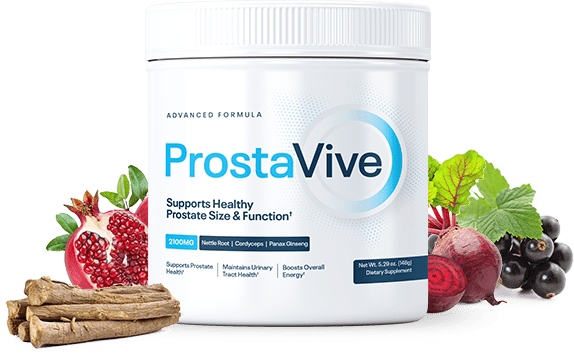
ProstaVive
Prostate-support product guide
View ProductCompare current probiotic products by bacterial versus yeast organism type, strain count, CFU or AFU potency, synbiotic design, delivery system and serving format.
Add Men’s Performance Supplements to Google Preferred Sources or open this page in your preferred AI tool.
Explore the complete published product catalog. Each card opens the relevant MenPS product guide.
Prostate-support product guide
View Product
Blood-sugar supplement comparison and buying guide
View Product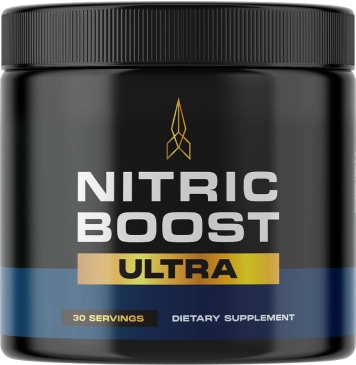
Nitric-oxide support guide
View Product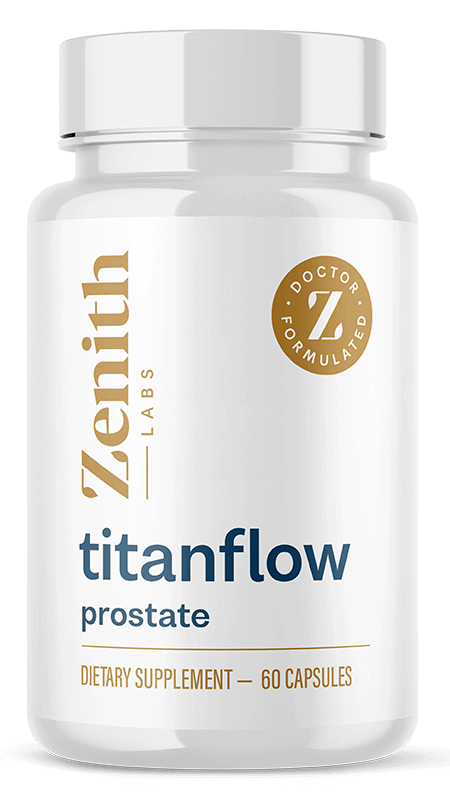
Prostate and urinary-support guide
View Product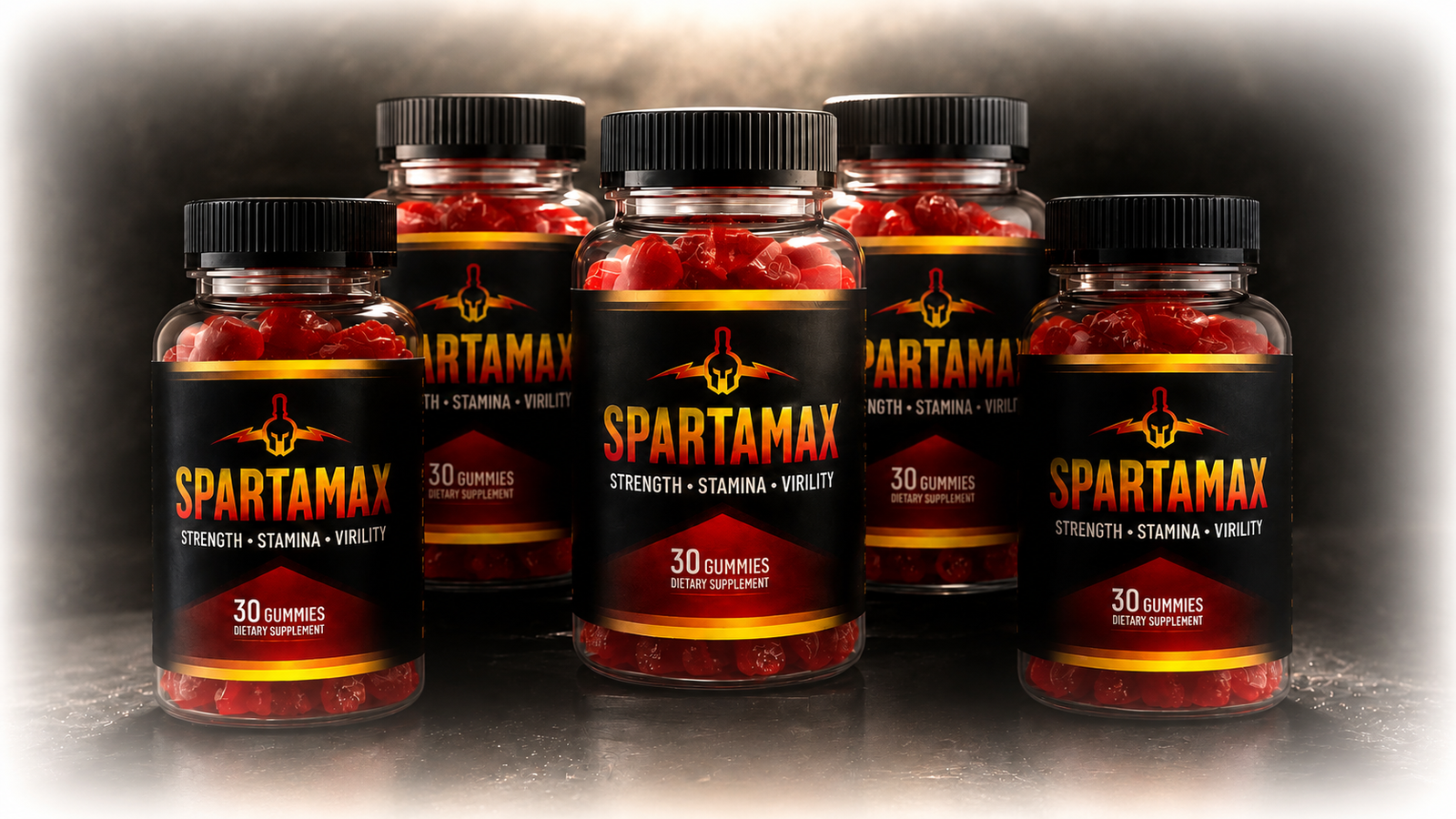
Men’s performance product guide
View Product
Oral-health supplement guide
View Product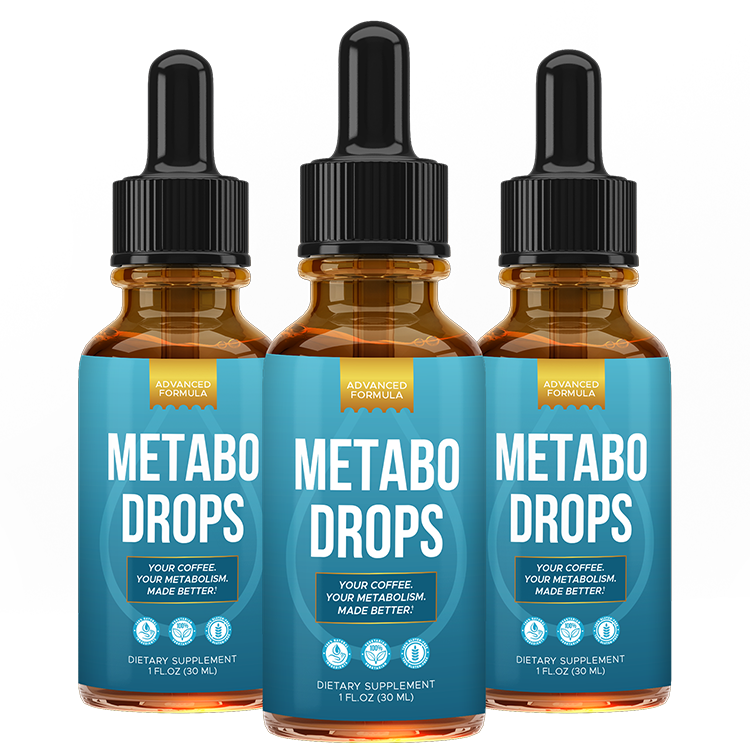
Coffee-added metabolic-support guide
View Product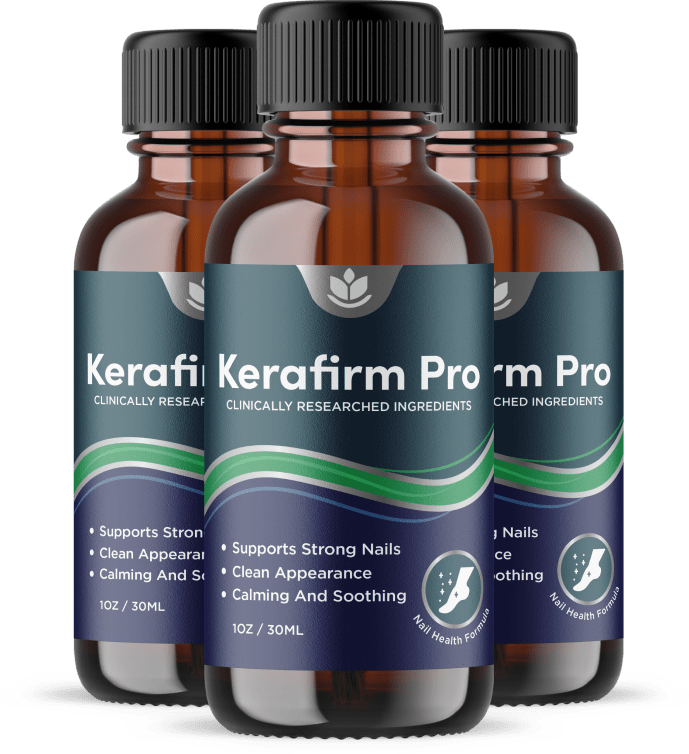
Topical nail-care product guide
View Product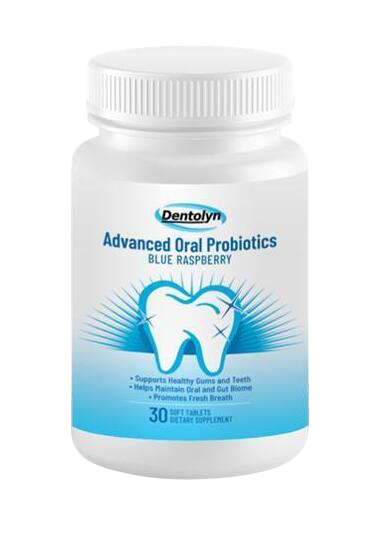
Oral-health supplement and outcome guide
View ProductSpecies names alone can hide clinically important strain differences.
CFU and AFU should be recorded with the manufacturer's stated measurement basis and timing.
Prebiotics, postbiotics, capsule technology and storage requirements can materially change the product design.
Comparison fields planned for this category include: product name, brand, strain_ids, strain_count, cfu_or_afu, measurement_basis, prebiotic_included, postbiotic_included, delivery_technology, storage, vegan_allergen_claims, source_url, last_verified.
| Product | Currently verified label facts | Primary source | Freshness |
|---|---|---|---|
| Seed DS-01 Daily Synbiotic | • 24 probiotic strains • 53.6B AFU across probiotic blends • Non-fiber pomegranate-derived prebiotic | Manufacturer source | Verified 3 Sep |
| Ritual Synbiotic+ | • 11B CFU from LGG + BB-12 • 15 mg PreforPro prebiotic • 300 mg tributyrin postbiotic | Manufacturer source | Verified 3 Sep |
| NOW Gr8-Dophilus | • 8 bacterial strains • 4B CFU per capsule • FOS included | Manufacturer source | Verified 3 Sep |
| NOW Probiotic-10 50 Billion | • 10 bacterial strains • 50B CFU per capsule • Potency through Best By date | Manufacturer source | Verified 3 Sep |
| NOW Clinical GI Probiotic | • 20B CFU per 2 capsules • HN019 predominant strain + 8 additional strains | Manufacturer source | Verified 3 Sep |
| NOW Saccharomyces Boulardii | • Probiotic yeast • 5B CFU per capsule | Manufacturer source | Verified 3 Sep |
This page is specifically for finished products containing live probiotic microorganisms. Unlike the broad Gut Health directory, it excludes non-probiotic fiber-only products and compares probiotic formulas by organism type, potency, strain architecture and delivery system.
The current verified set includes Seed DS-01 Daily Synbiotic, Ritual Synbiotic+, NOW Gr8-Dophilus, NOW Probiotic-10 50 Billion, NOW Clinical GI Probiotic and NOW Saccharomyces Boulardii.
Seed, Ritual, Gr8-Dophilus, Probiotic-10 and Clinical GI Probiotic are bacterial formulas built largely around Lactobacillus and Bifidobacterium strains. NOW Saccharomyces Boulardii is a probiotic yeast.
This creates the first probiotic-specific information-gain layer: organism type should be classified before users compare strain count or potency.
NOW Probiotic-10 currently provides 50 billion CFU per capsule. Clinical GI Probiotic provides 20 billion CFU per two capsules. Gr8-Dophilus provides 4 billion CFU per capsule. Ritual provides 11 billion CFU in one capsule. Seed currently reports its full 24-strain formulation using AFU rather than CFU, totaling 53.6 billion AFU across the probiotic blends.
MenPS should not compare CFU and AFU as though they are identical labels without preserving the manufacturer's measurement unit.
Seed currently uses 24 strains. NOW Probiotic-10 uses 10 strains. Gr8-Dophilus uses 8 strains, while Ritual uses two specifically identified strains, LGG and BB-12. Clinical GI Probiotic uses B. lactis HN019 as the predominant strain plus eight additional strains.
A higher strain count is a catalog fact, not proof of greater effectiveness.
Ritual Synbiotic+ currently adds 15 mg PreforPro prebiotic bacteriophages and 300 mg tributyrin postbiotic to its probiotic blend. Seed DS-01 uses a non-fiber pomegranate-derived prebiotic in its outer capsule. Gr8-Dophilus also includes FOS.
These additions should be shown separately rather than folded into the probiotic potency number.
Seed uses the ViaCap nested-capsule system for targeted delivery. Ritual uses a delayed-release capsule and states that refrigeration is not required. NOW products use their own capsule/storage instructions. MenPS should record delivery and storage as product attributes without implying that one system is clinically superior unless independent comparative evidence supports that conclusion.
NOW Saccharomyces Boulardii currently provides 5 billion CFU per capsule. Because it is a yeast, direct strain-count comparison with a 10-strain bacterial probiotic is not especially meaningful. It should instead be compared by organism identity, potency, serving format and current use positioning.
The core fields should be organism type, named strains, strain count, CFU or AFU potency, serving size, prebiotic inclusion, postbiotic inclusion, delivery system, storage instructions, potency-through-expiration claim where currently supported, current availability and source-check date.
Gut Health is a parent-level product-class map that includes psyllium fiber as well as probiotics. Probiotic Supplements excludes fiber-only products and performs a deeper organism/strain/potency comparison. The five overlapping products therefore serve different retrieval roles across the two pages.
Gr8-Dophilus and Probiotic-10 express potency per one-capsule serving, while Clinical GI Probiotic uses a two-capsule serving. Ritual uses one capsule, and Seed uses its own nested-capsule system and AFU reporting. The table should therefore preserve the manufacturer's serving definition beside potency to avoid false equivalence.
This is especially important when two products have similar CFU totals but different strain architecture.
Ritual identifies LGG and BB-12. Clinical GI Probiotic identifies HN019 as its predominant strain, while Gr8-Dophilus and Probiotic-10 publish their strain codes. MenPS should store strain identifiers where disclosed rather than reducing every formula to broad Lactobacillus or Bifidobacterium genus labels.
NOW currently states that Probiotic-10 50 Billion is formulated to deliver 50 billion CFU through the Best By date, and Clinical GI Probiotic similarly states its labeled potency through the Best By date. MenPS should capture this only where the manufacturer states it directly. A front-label CFU figure without an expiration qualifier should not be rewritten as a potency-through-expiration guarantee.
Official product pages can verify organism identity, strain lists, potency and delivery design. MenPS should not claim that a particular probiotic treats IBS, infection, diarrhea or another medical condition based solely on manufacturer positioning.
All six current inventory rows were freshly checked during the September audit. Current manufacturer sources support the organism-type, potency, strain-count and synbiotic distinctions used here.
No. Potency is one product attribute and should be considered with strain identity, serving size and formula design.
No. Seed currently reports AFU, while several NOW and Ritual products report CFU. MenPS preserves the manufacturer's unit.
No. It is a probiotic yeast.
Current identity, composition, potency and positioning were checked against official manufacturer sources. These support catalog facts and attributed positioning, not independent efficacy conclusions.