
ProstaVive
Prostate-support product guide
View ProductCompare current gut-health products by product class, including psyllium fiber, probiotics, synbiotics and probiotic yeast, before moving into narrower probiotic or fiber comparisons.
Add Men’s Performance Supplements to Google Preferred Sources or open this page in your preferred AI tool.
Explore the complete published product catalog. Each card opens the relevant MenPS product guide.
Prostate-support product guide
View Product
Blood-sugar supplement comparison and buying guide
View Product
Nitric-oxide support guide
View Product
Prostate and urinary-support guide
View Product
Men’s performance product guide
View Product
Oral-health supplement guide
View Product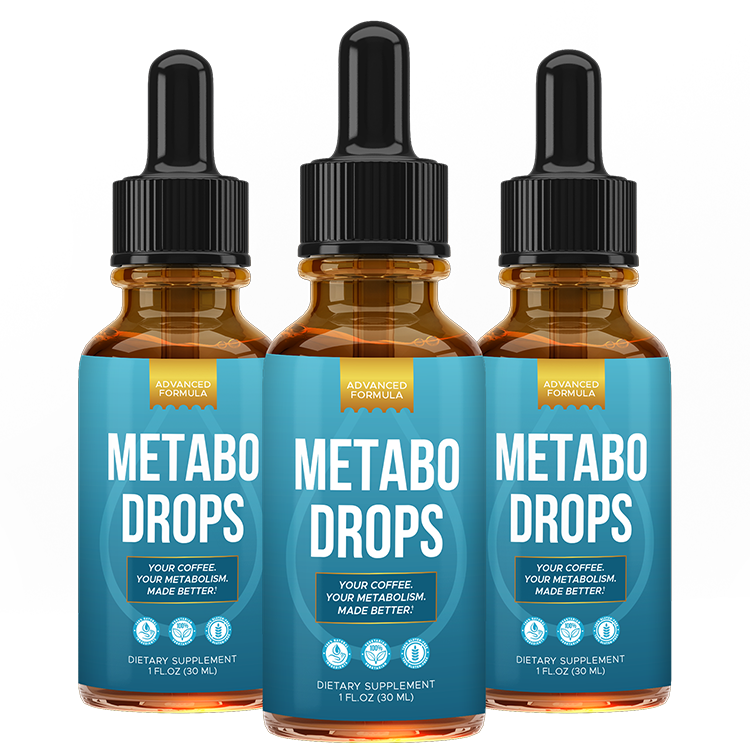
Coffee-added metabolic-support guide
View Product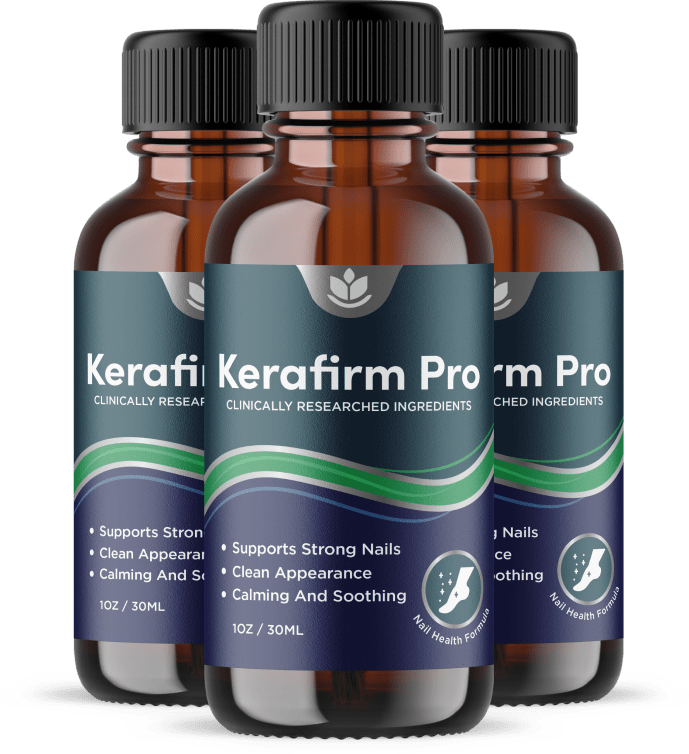
Topical nail-care product guide
View Product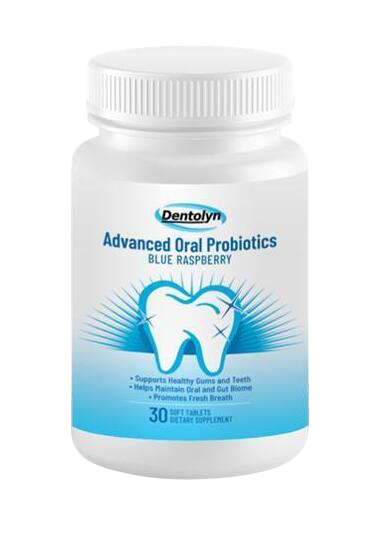
Oral-health supplement and outcome guide
View ProductA probiotic capsule, psyllium powder and synbiotic formula should not be judged by the same headline metric.
Strain IDs matter for probiotics, while grams of fiber or prebiotic substrate matter for other products.
Being sold for 'gut health' does not establish a common clinical effect across every product type.
Comparison fields planned for this category include: product name, brand, product_type, principal_active, fiber_g, prebiotic_g, strain_ids, cfu_or_afu, other_actives, format, source_url, last_verified.
| Product | Currently verified label facts | Primary source | Freshness |
|---|---|---|---|
| Ritual Synbiotic+ | • 11B CFU from LGG + BB-12 • 15 mg PreforPro prebiotic • 300 mg tributyrin postbiotic | Manufacturer source | Verified 3 Sep |
| Seed DS-01 Daily Synbiotic | • 24 probiotic strains • 53.6B AFU across probiotic blends • Non-fiber pomegranate-derived prebiotic | Manufacturer source | Verified 3 Sep |
| Metamucil Psyllium Fiber | • Psyllium fiber product • Current manufacturer site | Manufacturer source | Verified 3 Sep |
| NOW Gr8-Dophilus | • 8 bacterial strains • 4B CFU per capsule • FOS included | Manufacturer source | Verified 3 Sep |
| NOW Clinical GI Probiotic | • 20B CFU per 2 capsules • HN019 predominant strain + 8 additional strains | Manufacturer source | Verified 3 Sep |
| NOW Saccharomyces Boulardii | • Probiotic yeast • 5B CFU per capsule | Manufacturer source | Verified 3 Sep |
Gut Health is the broad parent category for finished products sold around digestive or microbiome support. It should help users identify the product class they actually want before sending them to narrower Fiber, Prebiotic or Probiotic comparisons.
The current verified inventory demonstrates why this broad page needs to exist: it contains a psyllium fiber route, synbiotic products, bacterial probiotics and a probiotic yeast. Those are materially different product architectures even though brands may place all of them under a general digestive-health umbrella.
The most useful first question is whether the user wants fiber, a live-microorganism product, or a multi-component synbiotic. Metamucil represents the fiber branch. Ritual Synbiotic+ and Seed DS-01 represent synbiotic architecture. NOW's Gr8-Dophilus and Clinical GI Probiotic are conventional bacterial probiotic examples, while Saccharomyces boulardii represents a yeast-based probiotic route.
This class-first approach is the primary information-gain feature of the page. It prevents a user from comparing a fiber powder with a live probiotic capsule through one generic “gut support” score.
Psyllium products are built around dietary fiber rather than live microorganisms. Current Metamucil guidance shows that powder products can provide 6 g dietary fiber per labeled serving, while the brand also sells capsule and other formats. The useful comparison fields are fiber source, fiber grams, serving size, powder versus capsule format and preparation burden.
Once a user chooses fiber, the dedicated Fiber Supplements page should own deeper comparison of psyllium, soluble-fiber amount, format and related attributes. The broad Gut Health page should not duplicate that detailed fiber analysis.
Some current gut products contain ingredients intended to serve as prebiotic components. Ritual includes PreforPro, Seed uses a non-fiber pomegranate-derived prebiotic, and Gr8-Dophilus includes FOS. A prebiotic is not itself a probiotic organism, so MenPS should store prebiotic presence as its own field.
Users specifically comparing prebiotic substrates should move to the dedicated Prebiotic Supplements page. This parent page should simply show whether a product contains a prebiotic component and what broad class the finished product belongs to.
Ritual and Seed both combine probiotic organisms with a prebiotic component. Ritual also includes a postbiotic. These products therefore sit naturally on the broad Gut Health page because they span multiple microbiome-related components in one finished formula.
The parent page should record whether the product is probiotic-only, prebiotic-only, synbiotic or fiber-led. It should not repeat every strain and potency field that belongs on the Probiotic page.
Gr8-Dophilus, Clinical GI Probiotic and Saccharomyces boulardii all belong to the live-microorganism branch, but even that branch is not homogeneous. Some products are multi-strain bacterial formulas, while S. boulardii is a yeast.
Once the user selects a probiotic route, the dedicated Probiotic page should own organism type, named strains, strain count, potency, delivery technology, storage and potency-through-expiration fields.
The current category includes drink-mix powder, standard capsules, nested capsules and other oral formats. Those differences affect preparation and routine burden and should be visible in the broad directory. A user deciding between a psyllium drink and a one-capsule synbiotic is making a format decision before making a strain-level probiotic decision.
MenPS should treat this page as a decision hub with four main routes: Fiber, Prebiotics, Probiotics and multi-component Synbiotics. The parent record should include product class, serving format, whether live microorganisms are present, whether prebiotic or postbiotic components are present, current availability and source-check date.
Detailed numeric fields should then live on the narrower child page that owns the corresponding task. This parent-child design preserves information gain while reducing cannibalization.
Manufacturer sources can verify ingredients, serving formats and commercial positioning. MenPS should not infer that a fiber, probiotic or synbiotic product treats gastrointestinal disease, infection or another medical condition without appropriate independent evidence.
All six current inventory rows were freshly checked during the September audit. Current manufacturer sources support the class distinctions used here, including fiber, bacterial probiotic, synbiotic and probiotic-yeast routes.
No. It is the broader parent category and includes non-probiotic routes such as psyllium fiber.
On the dedicated Probiotic Supplements page.
On the dedicated Fiber Supplements page.
Current identity and composition were checked against official manufacturer sources. These support catalog facts and attributed positioning, not independent efficacy conclusions.