
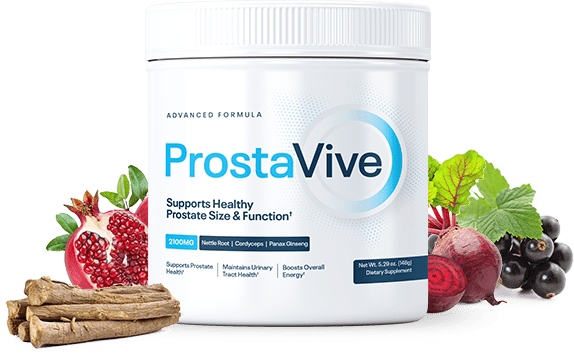
ProstaVive
Prostate-support product guide
View ProductCompare current BCAA-focused products by total BCAA amount, leucine:isoleucine:valine ratio, leucine amount, serving format and whether the formula extends beyond BCAAs.
Add Men’s Performance Supplements to Google Preferred Sources or open this page in your preferred AI tool.
Explore the complete published product catalog. Each card opens the relevant MenPS product guide.
Prostate-support product guide
View Product
Blood-sugar supplement comparison and buying guide
View Product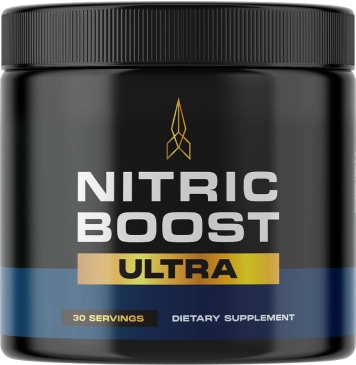
Nitric-oxide support guide
View Product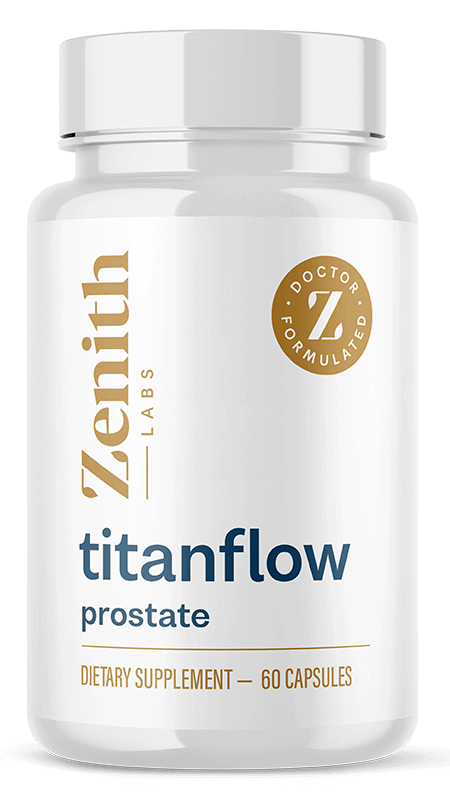
Prostate and urinary-support guide
View Product
Men’s performance product guide
View Product
Oral-health supplement guide
View Product
Coffee-added metabolic-support guide
View Product
Topical nail-care product guide
View Product
Oral-health supplement and outcome guide
View ProductRatio alone does not show how much leucine, isoleucine and valine a serving actually provides.
Popular ratios should be recorded without assuming superior outcomes.
Electrolytes, caffeine and additional amino acids can change the category use case.
This Batch 3 category currently contains 6 manufacturer-sourced qualifying products. Planned comparison fields include: bcaa_g, leucine_g, isoleucine_g, valine_g, ratio, added_electrolytes, stimulants, serving_size, testing_claim, source_url, last_verified.
| Product | Currently verified facts | Primary source | Freshness |
|---|---|---|---|
| XTEND Original BCAA | • 7 g BCAA positioning • Electrolytes included • Current manufacturer product | Manufacturer source | Recheck before deployment |
| Kaged BCAA 2:1:1 | • 2:1:1 leucine:isoleucine:valine ratio • 2.5 g leucine per serving stated • Informed Sport certification stated | Manufacturer source | Recheck before deployment |
| Rule One BCAAs | • 5 g micronized BCAAs per serving • 2:1:1 ratio stated • Transparent-formula positioning | Manufacturer source | Recheck before deployment |
| ALLMAX Aminocore BCAA | • 8.18 g BCAAs per serving stated • In stock on current manufacturer page | Manufacturer source | Recheck before deployment |
| NutraBio BCAA 2500 | • 1,250 mg leucine, 625 mg isoleucine, 625 mg valine stated • 2:1:1 ratio • Third-party batch testing claim stated | Manufacturer source | Recheck before deployment |
| NutraBio Base Aminos | • Mixed EAA+BCAA+hydration formula • Boundary example, not core BCAA-only comparator | Manufacturer source | Recheck before deployment |
This page is for current products whose primary formula identity is branched-chain amino acids. The main comparison fields are total BCAA amount, leucine:isoleucine:valine ratio, leucine amount, serving format and added electrolytes or other non-BCAA ingredients.
The strongest current BCAA comparators are XTEND Original BCAA, Kaged BCAA 2:1:1, Rule One BCAAs, ALLMAX Aminocore BCAA and NutraBio BCAA 2500. NutraBio Base Aminos is better treated as a mixed EAA+BCAA formula rather than a core BCAA-only product.
Kaged BCAA 2:1:1, Rule One BCAAs and NutraBio BCAA 2500 use the common 2:1:1 leucine:isoleucine:valine architecture. ALLMAX Aminocore uses a materially different 9:6:5 ratio and currently lists 8.18 g total BCAAs per serving, including 3,681 mg leucine, 2,454 mg valine and 2,045 mg isoleucine.
This creates the first BCAA-specific information-gain layer: current BCAA formulas differ not only in total grams but also in amino-acid ratio.
XTEND Original currently lists 7 g BCAAs per serving. Rule One lists 5 g. NutraBio BCAA 2500 lists 2.5 g. ALLMAX Aminocore lists 8.18 g. Those numbers should be compared on a full-serving basis while preserving the manufacturer's current serving definition.
A higher gram amount should not be treated as automatically better. The table should expose amount and ratio as separate catalog attributes.
Kaged currently states 2.5 g leucine per serving. NutraBio BCAA 2500 lists 1,250 mg leucine. ALLMAX Aminocore lists 3,681 mg leucine. Where a manufacturer provides an exact leucine amount, MenPS can display it directly rather than calculating it from ratio unless the math is explicitly labeled as derived.
XTEND Original includes electrolytes, while some other BCAA products are closer to simple BCAA powders. MenPS should record added electrolyte or other active-ingredient status separately so users can distinguish a simple BCAA product from a BCAA-plus-hydration formula.
NutraBio Base Aminos currently provides 10 g EAAs, 6 g BCAAs and a 2.8 g hydration matrix. That is a current mixed EAA+BCAA+hydration formula, not a BCAA-only product. It may be referenced as a boundary example, but it should not occupy the same core comparison bucket as XTEND Original, Kaged BCAA 2:1:1 or NutraBio BCAA 2500.
This boundary is central to reducing cannibalisation with the EAA page.
The core fields should be total BCAA amount, leucine:isoleucine:valine ratio, leucine amount, full serving size, serving format, electrolyte inclusion, other active ingredients, certification/testing claims where currently supported, and current availability.
Products that include the full EAA spectrum should receive a “mixed EAA+BCAA” flag and route users toward the EAA directory for deeper comparison.
This also creates a clean answer for users comparing common 2:1:1 formulas with products such as ALLMAX Aminocore, which uses a different current ratio.
A 2:1:1 ratio does not reveal the total amount supplied. Two products can use the same ratio but provide different grams of leucine, isoleucine and valine per serving. MenPS should therefore display ratio and absolute BCAA amount side by side rather than using either field alone.
Official product pages can verify current composition and serving details. They do not independently prove that a higher BCAA amount, a particular ratio or a specific finished product produces better muscle, recovery or exercise outcomes.
All six BCAA inventory rows were freshly checked during the September audit. Current product identities remain active; Base Aminos is currently sold out and should be treated as a mixed-formula boundary example rather than a core BCAA comparator.
No. ALLMAX Aminocore currently uses a 9:6:5 ratio.
No. It contains a broader essential-amino-acid architecture and belongs more naturally in the EAA or broad Amino Acids comparison.
No. Leucine amount is a catalog attribute, not an efficacy conclusion.
Current product identity, composition and availability were checked against manufacturer or brand-owned commerce pages. These sources support catalog facts, not independent efficacy conclusions.