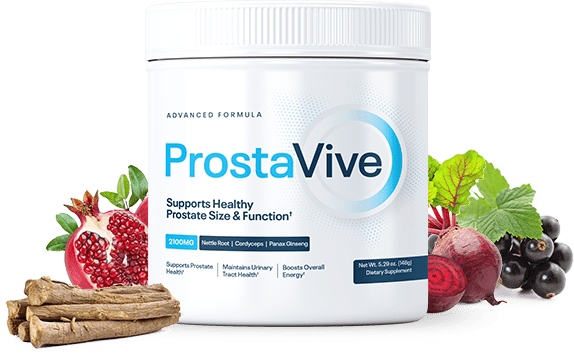
ProstaVive
Prostate-support product guide
View Product
Add Men’s Performance Supplements to Google Preferred Sources or open this page in your preferred AI tool.
A useful prostate-supplement comparison starts with a label and checkout, not a star rating.
Affiliate disclosure: MenPS may earn compensation from qualifying ProstaVive purchases. MenPS is a product-discovery publisher, not the seller or payment processor.
Transparent labels and live commercial terms are more useful than invented rankings.
Explore the complete published product catalog. Each card opens the relevant MenPS product guide.
Prostate-support product guide
View Product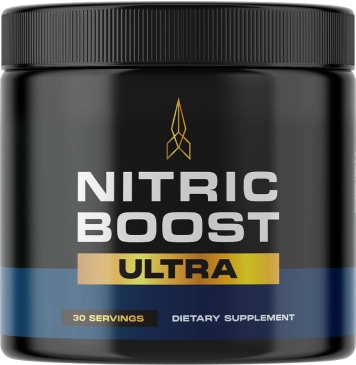
Nitric-oxide support guide
View Product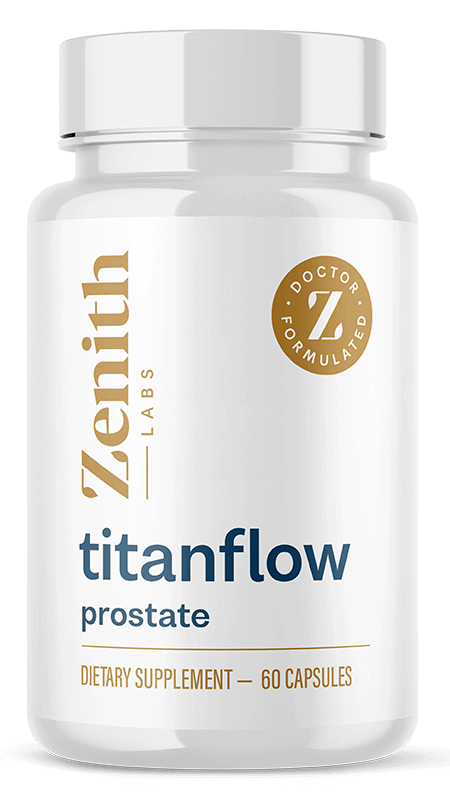
Prostate and urinary-support guide
View Product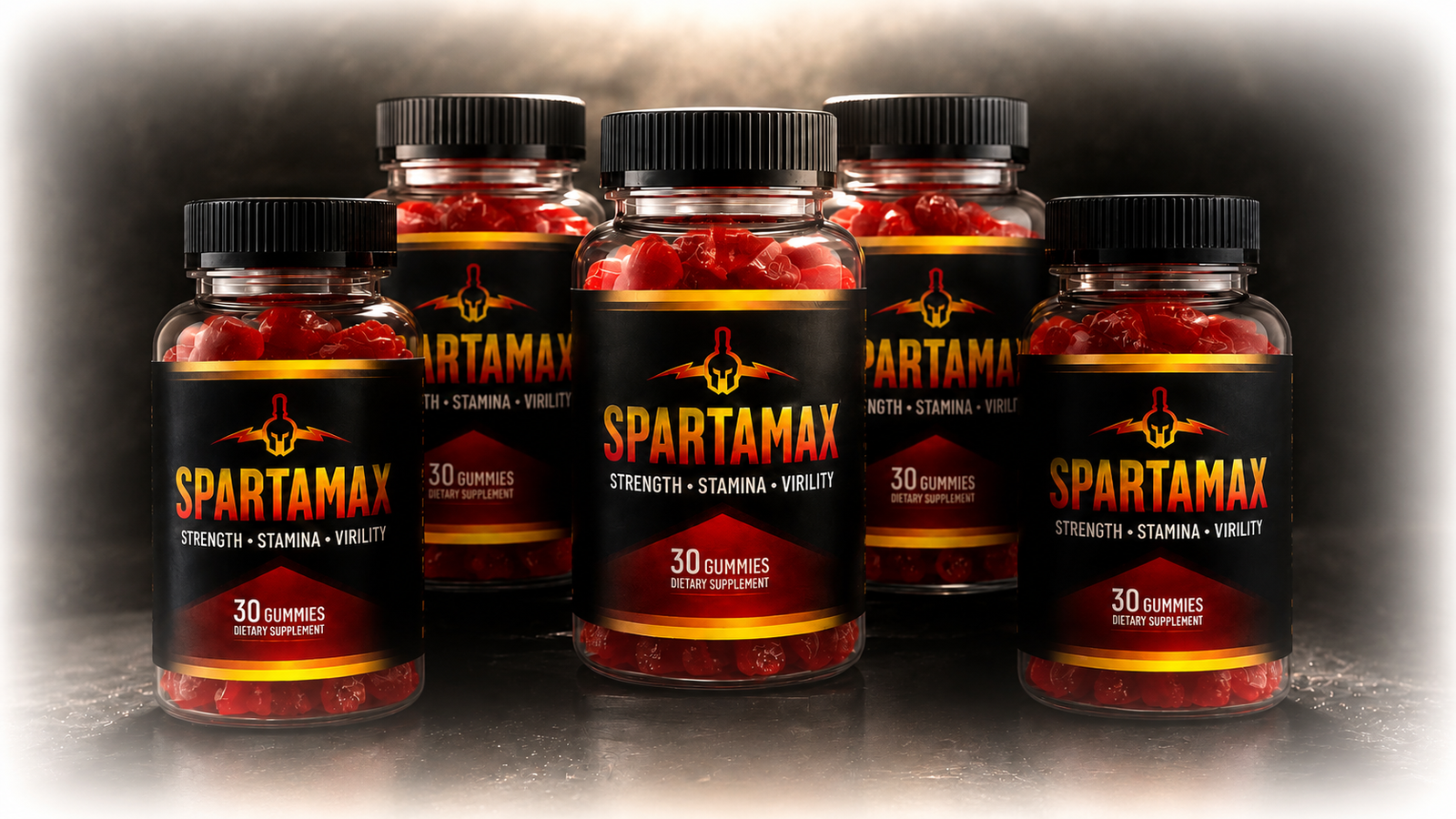
Men’s performance product guide
View Product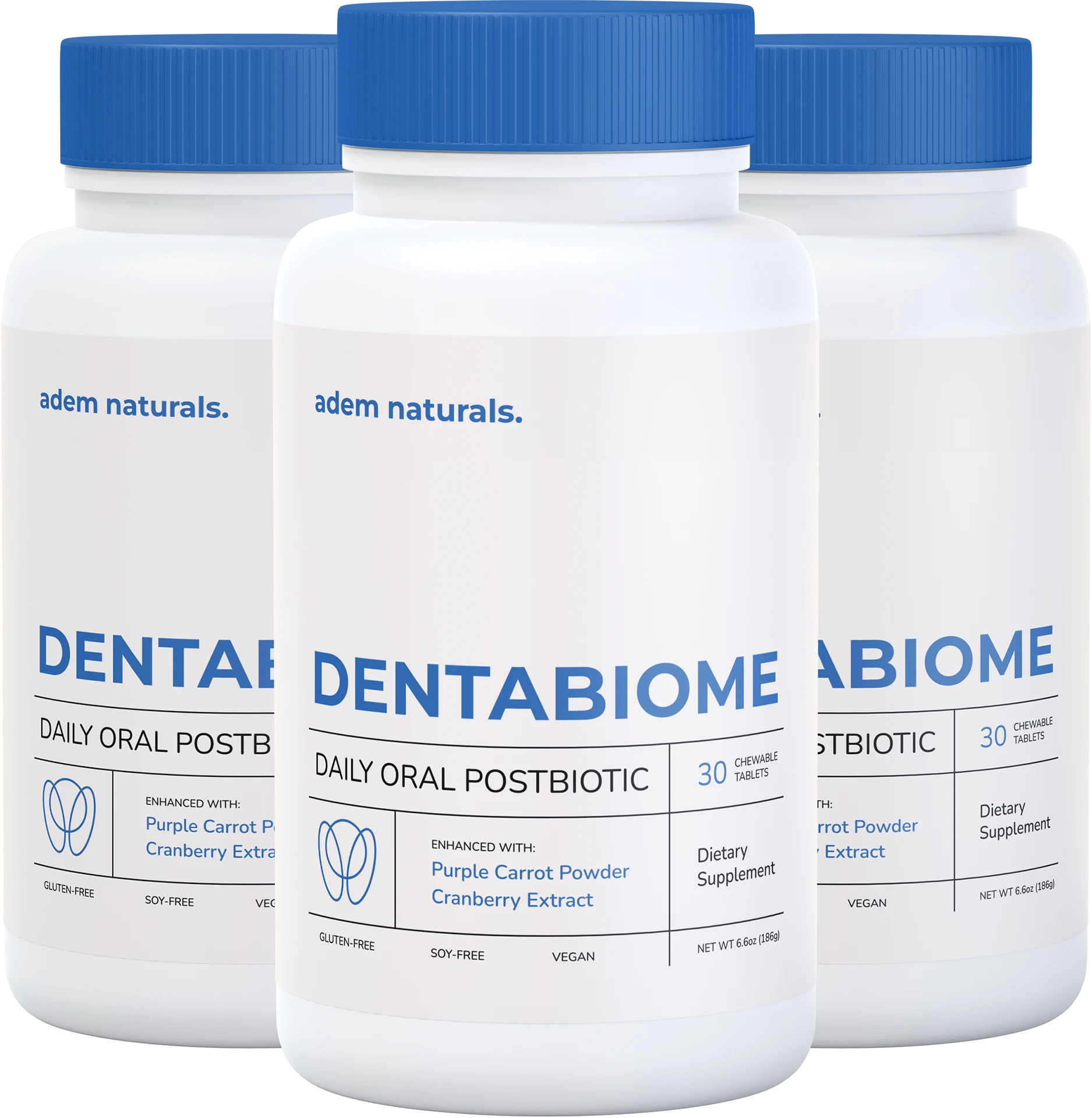
Oral-health supplement guide
View Product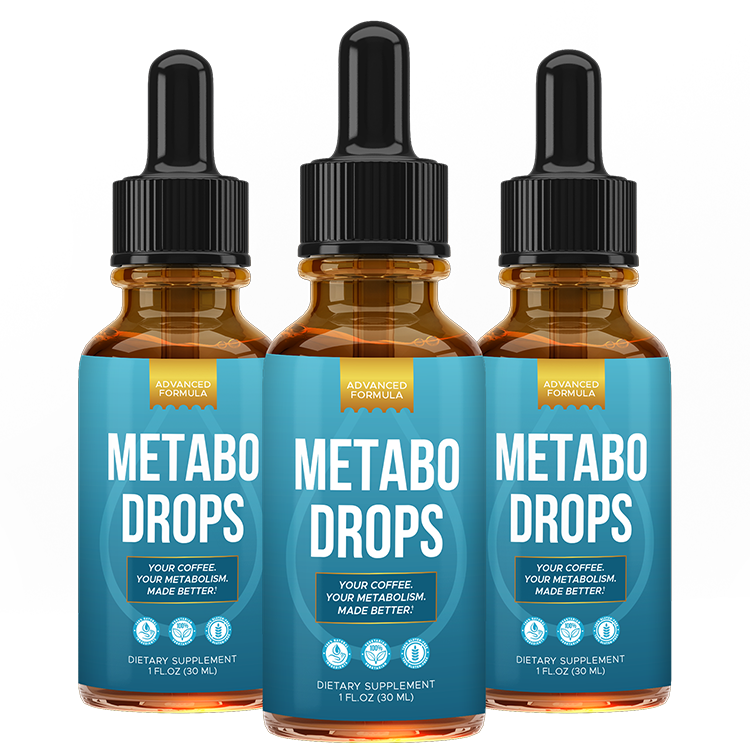
Coffee-added metabolic-support guide
View Product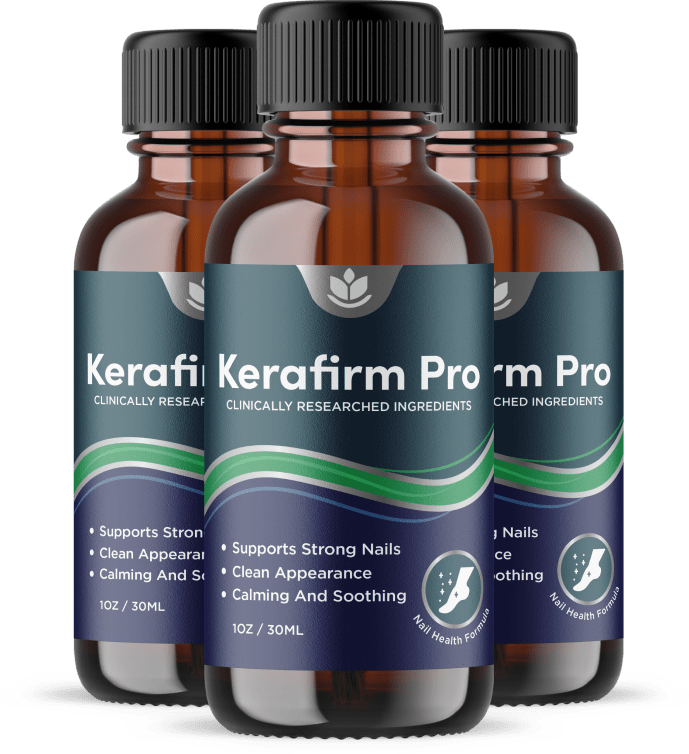
Topical nail-care product guide
View ProductAre you choosing between powder, liquid and capsules? Looking for a longer refund period? Trying to avoid proprietary blends? The buying problem should be specific before comparing products.
Count servings, not just bottles. Check amounts per serving, extract forms and whether a formula hides doses inside a proprietary blend. A long ingredient list can look impressive while remaining difficult to interpret.
A manufacturer may cite studies on one ingredient. That does not automatically prove the complete formula. Use MPS for the independent evidence layer and treat MenPS as the commercial comparison layer.
Use total checkout cost, package size, days of supply and shipping. “Per bottle” pricing can make a large order look cheap without showing the total commitment.
A 180-day guarantee and a 60-day guarantee are commercially different. Check who processes the refund, whether returns are required and which date starts the refund period.
Save order confirmation and verify seller identity. When a product is sold mainly through a direct-response route, random marketplace listings may have different refund or authenticity risks.
Count zinc, magnesium, vitamin D and herbs already present in other supplements. Medication and condition interactions matter even when a product is marketed as “natural.”
The best commercial choice is the product you can actually evaluate: clear label, understandable format, transparent total cost, known seller, usable guarantee and evidence that matches the ingredients rather than the marketing.