



Products marketed for teeth, gums and fresh breath can contain probiotics, prebiotics, minerals or other ingredients, yet these product categories do different things. To choose responsibly, compare the user's actual goal, the proposed mechanism, the clinical endpoint and the evidence for the complete product. An oral probiotic is not a substitute for fluoride toothpaste, professional treatment or a mineral intervention simply because all appear under “oral wellness.”
Affiliate disclosure: This guide contains affiliate links. A qualifying purchase may earn the publisher a commission. The merchant, not MenPS, handles orders and payment.
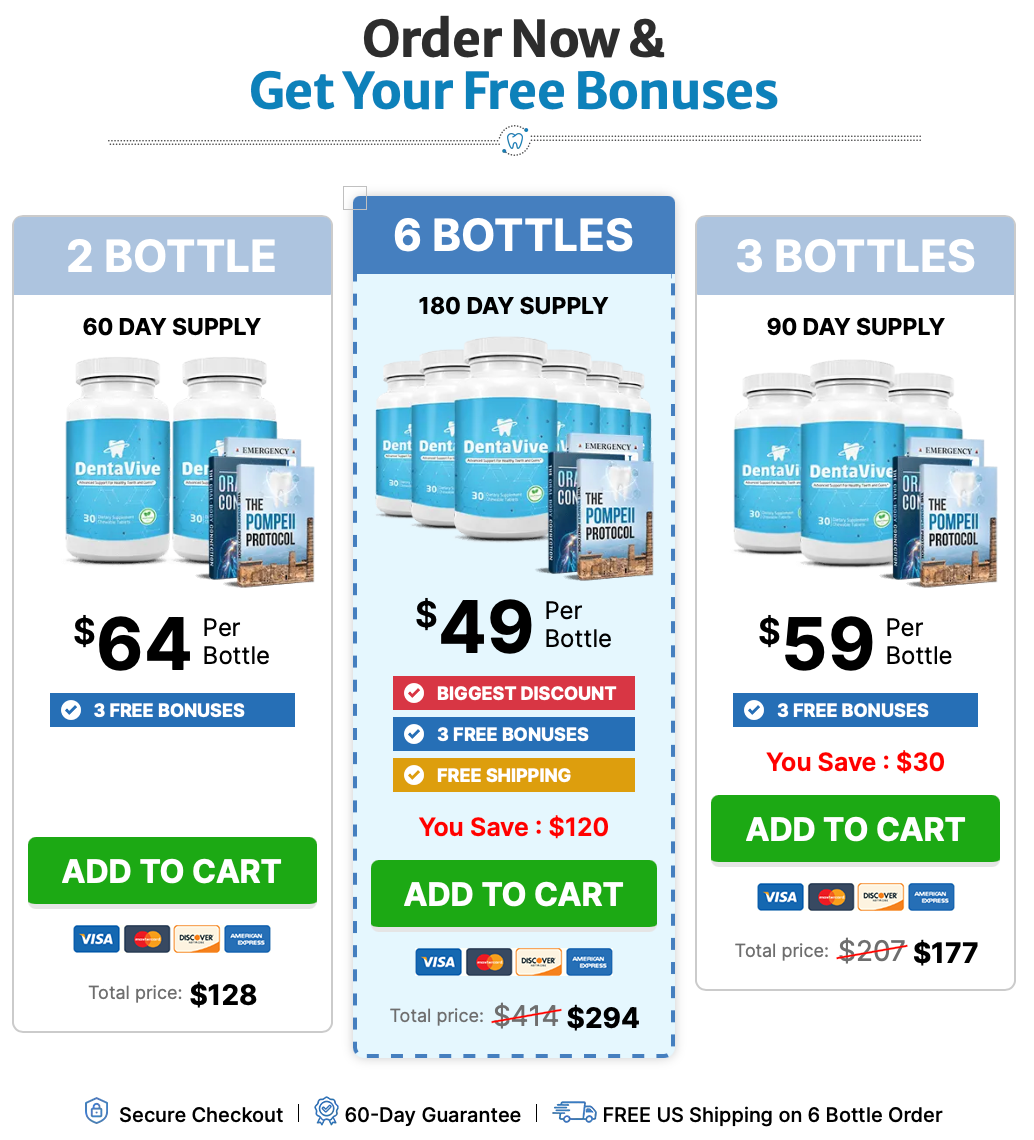
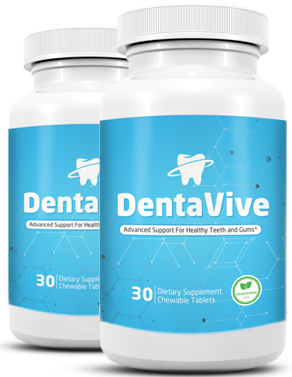
BUY PRODUCT — Review current oral-wellness purchase options: Check the DentaVive offer. Seller prices, packages, shipping, refunds and offers require confirmation at checkout.
Begin with the problem a product is intended to address
A consumer interested in breath freshness is asking a different question from a consumer seeking to prevent caries or manage persistent bleeding gums. Categories should not be ranked on a single “best dental supplement” scale when their evidence addresses unlike outcomes.
For breath, research may examine odor-related measurements or subjective perception. For gums, clinical studies can report plaque scores, bleeding on probing or pocket-depth changes, often as adjuncts to conventional care. For enamel, the relevant evidence concerns demineralization and remineralization in a specific oral environment. The difference between these endpoints is central to a sound buying decision.
Oral probiotics: targeted microorganisms
Probiotic preparations supply identified microorganisms intended to confer a benefit when used appropriately. Oral-health trials have assessed selected strains and combinations, but findings vary by study design, endpoint, population and administration route. Research on one strain cannot establish every branded oral-probiotic product's performance.
A comparison of two probiotic products should therefore examine specific strain names, viable counts, study-matched exposures, delivery method and label transparency. Broad claims about “good bacteria” do not answer whether a preparation has evidence for the user's main concern. DentaVive's archived promotional formula is a source for what was marketed historically, not direct proof of the finished-product outcome.
Prebiotics: ingredients that microorganisms may use
Prebiotics are different from live probiotic organisms. Ingredients such as inulin may be used by certain microorganisms, but a prebiotic ingredient is not itself a colony of live bacteria. Nor does an ingredient's general biochemical role establish an oral-health outcome for a particular tablet.
When a commercial product combines prebiotics and probiotics, the seller should disclose both classes and the amounts. Do not assume that combining them delivers a clinically demonstrated synergy unless a comparable formulation was actually investigated. For buyer comparison, the meaningful question is whether the added ingredient has a clear purpose that can be evaluated independently.
Mineral-containing products and enamel questions
Minerals such as calcium and phosphate appear in oral-care discussions, and fluoride-based dental products have an established role in caries prevention and enamel remineralization. But a mineral named in a swallowed supplement is not automatically comparable to an agent applied topically to tooth surfaces under clinically studied conditions. Contact time, concentration, formulation and endpoint matter.
Tricalcium phosphate appears in the DentaVive archive; its mere inclusion does not establish that the marketed product repairs cavities or restores lost enamel. Buyers should look for direct evidence that the specific delivery method produces a measured clinically important dental effect. Where decay is suspected, dental assessment and conventional prevention remain more important than choosing between supplement packages.
Conventional dental-care products are not equivalent competitors
Fluoride toothpaste, floss or other interdental cleaners, professionally recommended products and periodontal treatment address established preventive or therapeutic tasks. A supplement category comparison can describe them, but it must not present one oral probiotic as a proven substitute. The American Dental Association's routine home-care guidance is the appropriate starting context for prevention.
The same applies to persistent bleeding gums, swelling or loose teeth. Choosing a supplement should not delay diagnosis or treatment. Marketing may put tooth, gum and breath claims beside one another, but clinical decision-making needs to keep these conditions separate.
Comparison matrix: which evidence should you request?
| Category | Principal question | Documentation to compare | What not to infer |
|---|---|---|---|
| Oral probiotic | Which strain and outcome? | Strain, CFU, human studies | Universal efficacy across formulas |
| Prebiotic | What is the ingredient's role? | Ingredient identity, amount, relevant studies | Guaranteed bacterial or dental change |
| Mineral-containing supplement | How is mineral delivered? | Dose, form, direct dental endpoint | Enamel repair from ingredient name alone |
| Fluoride oral-care product | How is it applied? | Product instructions and established preventive evidence | Equivalence to swallowed supplements |
| Professional dental intervention | What diagnosis requires care? | Dentist's clinical assessment | Replaceability by an over-the-counter supplement |
This matrix provides original category-level decision support; it is not a verified ranking of currently stocked products.
BUY PRODUCT — Compare the offer before deciding
The approved DentaVive package artwork will appear here in the HTML version. Its price and guarantee statements are historical seller material until verified against the current checkout. View current offer.
Comparing overall value without inventing product facts
Evaluate cost per actual serving only when current package size and checkout price are verified. Identify subscription terms, returns, shipping and any claimed extras directly from the seller. A larger number of bottles can lower an advertised price per bottle while increasing the total initial outlay. Neither fact is evidence of better outcomes.
For a product with incomplete formula information, a transparent “not verified” status is more valuable than a fabricated comparison score. Even where different products occupy the same retail category, compare only fields established by a current label or identifiable seller documentation.
For product background, consult the MenPS DentaVive master guide and the gum-wellness product selection guide. For the independent science of mineral-associated enamel care, see MPS tooth enamel remineralization.
Buyer questions
Are oral probiotics better than fluoride toothpaste? That is not an appropriate equivalence. They have different evidence and purposes; standard brushing remains essential.
Does combining probiotics and minerals make a supplement stronger? No such conclusion follows from ingredient count alone. Evaluate the finished formulation.
Can probiotics replace gum treatment? No. Some clinical research investigates their use as an adjunct, not a replacement.
How should I choose for breath freshness? Identify an intervention studied for breath outcomes, check the actual product label and consider established oral-care causes of persistent odor.
BUY PRODUCT — Ready to review the seller's options?
Choose on the basis of label transparency, personal fit and verified merchant conditions—not a promise of clinical results. The same approved product artwork will appear in the closing conversion module. Check the current DentaVive offer.
Editorial note: This is product-selection guidance based on desk research; the publisher has not personally tested DentaVive. No available source here demonstrates that the marketed finished product treats, cures or prevents a dental disease.
Selected sources and further reading
- Inchingolo F. et al. (2023). The Benefits of Probiotics on Oral Health: Systematic Review of the Literature. Pharmaceuticals 16, 1313. https://doi.org/10.3390/ph16091313
- International Scientific Association for Probiotics and Prebiotics (ISAPP). Decoding a Probiotic Product Label. https://isappscience.org/decoding-a-probiotic-product-label/
- American Dental Association. Home Oral Care. https://www.ada.org/resources/ada-library/oral-health-topics/home-oral-care/